Email Us
sales@pumpkingmech.com
Email Us
sales@pumpkingmech.com04 December 2025
Slurry pumps specification might sound like a niche topic, but really, it’s the backbone of many industrial and environmental operations across the globe. From mining precious minerals in remote locations to managing wastewater treatment in sprawling cities, these pumps keep the very lifeblood of these systems flowing. Getting the specifications right isn’t just about efficiency, it’s about safeguarding machinery, enhancing cost-effectiveness, and even protecting the environment. If you’re involved in sectors reliant on slurry transport—whether minerals, chemicals, or sludge—you’ll find that nailing down the right pump specs is a game changer.
Industries worldwide rely heavily on slurry pumps to move abrasive mixtures of solids and liquids, often in harsh conditions. The United Nations emphasizes the importance of sustainable water management, where slurry pumps play a pivotal role in wastewater and sludge handling. Meanwhile, the global mining market alone, valued at over $1.5 trillion, depends on pumps that endure relentless wear.
Yet, challenges abound: increasing pump failure rates due to poor specification matching, rising energy costs, and environmental regulations demanding lower emissions. Hence, understanding slurry pumps specification is crucial not just for operational uptime, but for aligning with global sustainability goals.
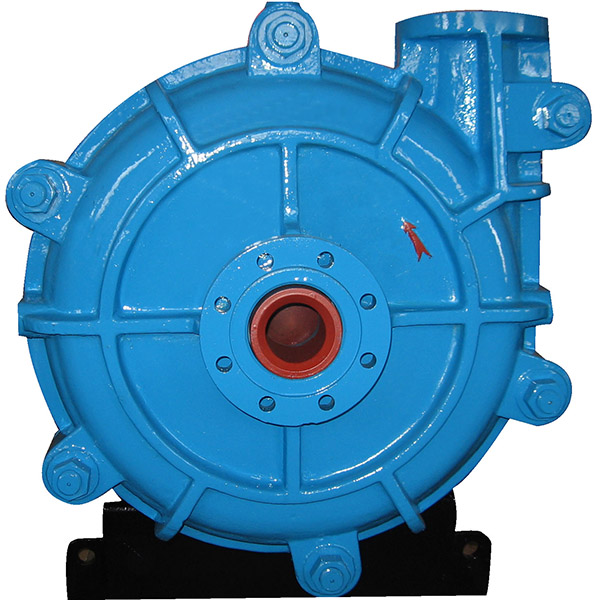
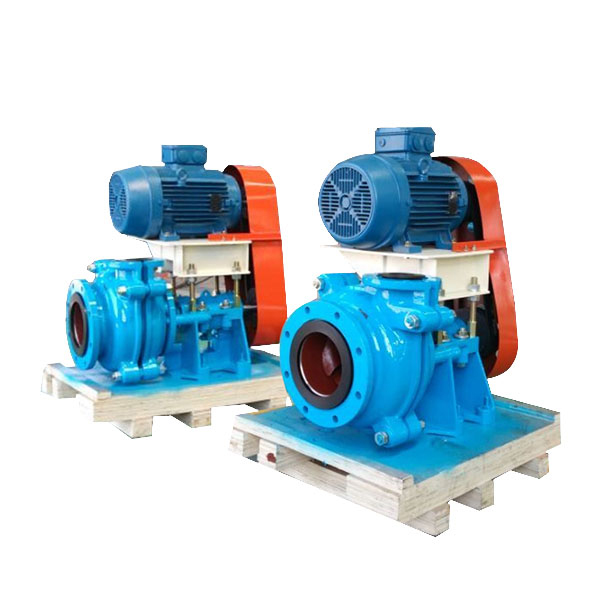
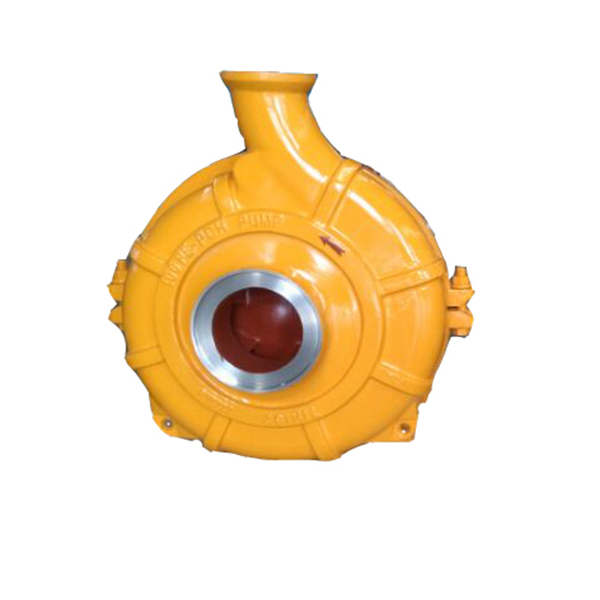
Put simply, slurry pumps specification refers to the detailed parameters and criteria that define a slurry pump’s design and performance. This includes flow rate, head (pressure), horsepower, materials of construction, impeller type, and more. Since slurries vary widely in particle size, abrasiveness, density, and temperature, a one-size-fits-all pump just won’t do.
In modern industry, these specifications must be laser-focused to ensure the pump can withstand abrasive wear, resist corrosion, and operate efficiently while handling various slurry compositions. Beyond mining and wastewater, these specs also matter in humanitarian contexts such as disaster-relief water pumping and infrastructure rebuilding.
Durability is often the top priority. Pumps are regularly dealing with gritty, abrasive mixtures that can erode metal surfaces quickly. Choosing the right material—typically high-chrome alloys or rubber lining—extends lifespan. For example, rubber linings might suit fine, less abrasive slurries, while hardened steel tackles coarse particles.
These specs dictate how much slurry a pump moves and the pressure it must generate. Too low, and you risk blockages or overheating; too high, and you waste energy and increase wear. Matching flow rate and head to the job keeps your system running smooth.
Various impeller designs (closed, semi-open, open) respond differently to particle size and slurry concentration. Semi-open impellers often strike the balance between efficiency and clog resistance.
Preventing leaks in abrasive slurry is tricky. Mechanical seals versus packing seals each have pros and cons depending on slurry type and operating conditions. Bearings, often seen as mundane, hugely affect reliability, especially under vibration.
Slurry pumps can guzzle energy. Specification should consider hydraulic efficiency and motor matching, to cut costs and carbon footprint over time.
Easily serviceable designs and modular components are gold for industries where downtime can cost millions. Specifications that allow quick wear part changes without removing the whole pump improve uptime.
You’ll find carefully specified slurry pumps in heavy industries like mining in Chile’s Atacama Desert, where abrasive copper slurries test the limits of every component. In wastewater treatment plants in Europe, pumps are selected for corrosive biogas slurries, prioritizing chemical resistance. Similarly, in India and Southeast Asia, irrigation projects use slurry pumps defined for sand-laden river water, critical during monsoon seasons.
Post-disaster scenarios are interesting cases—NGOs often deploy pumps for sludge and mud removal after floods, relying on compact, rugged models specified for fast deployment and harsh conditions.
Personally, I find the trust built by specifying pumps well is a bit underrated. It’s not just machinery, it’s about enabling entire processes that affect livelihoods.
We’re seeing pumps integrate smart sensors for predictive maintenance, shifting the specs toward incorporating IoT compatibility. Materials science brings new composite coatings resisting abrasion better than high-chrome alloys. Plus, green energy drives interest in lower horsepower pumps with optimized hydraulic profiles.
There’s also a push for modular designs, making onsite customization and repairs easier, which is crucial for remote locations.
The biggest hurdles? Predicting slurry behavior accurately and balancing upfront costs with long-term durability. Sometimes specs are rushed or based on incomplete slurry data, leading to premature failures.
Industry experts recommend extensive slurry testing and working closely with pump vendors to customize components. Using simulations and field trials before finalizing specs is becoming standard best practice.
| Parameter | Standard Value | Notes |
|---|---|---|
| Flow Rate | 20 - 1000 m³/h | Depends on application scale |
| Head | 10 - 80 m | Pressure varies with slurry density |
| Material | High Chrome Alloy / Rubber lined | Selected by abrasiveness |
| Impeller Type | Semi-open / Closed | Particle size dependent |
| Seal Type | Mechanical / Packing | Based on slurry corrosivity |
| Vendor | Material Options | Customizable Specs | Typical Industries | After-Sales Support |
|---|---|---|---|---|
| KingMech Pumps | High Chrome, Rubber Lined | Extensive Customization | Mining, Wastewater, Construction | 24/7 Technical Support |
| Duratech Pumps | Ceramic Coated, Steel | Moderate | Industrial Processing | Standard Warranty |
| EcoPump Solutions | Composite Materials | Limited | Environmental Cleanup | Consultation-Based |
In the world of slurry transport, precise slurry pumps specification isn’t just technical jargon — it’s the linchpin of sustainable, efficient, and reliable operations. Whether you’re fighting wear and tear in mining or tackling corrosive sludges in wastewater, careful pump selection based on detailed specs saves money, time, and headaches down the line.
If you want to explore specific product options, I recommend starting with a thorough review of your operational needs, testing your slurry thoroughly, and consulting with trusted providers. For a deep dive into practical options backed by innovation and solid support, check out slurry pumps specification and see what fits your project best.
Remember, good specs today mean fewer emergencies tomorrow — and frankly, that peace of mind is priceless.