Email Us
sales@pumpkingmech.com
Email Us
sales@pumpkingmech.com04 December 2025
If you’ve ever been curious about how industries handle thick, gritty liquids—like mining waste or wastewater packed with solids—then pumps for abrasive slurries are an essential piece of that puzzle. These robust pumping systems tackle some of the toughest fluids on Earth, ensuring fluid movement in processes that otherwise might come to a grinding halt.
Globally, industries face a growing challenge with abrasive slurries due to increasing urbanization and resource extraction. Understanding these specialized pumps isn’t just niche knowledge; it’s vital to improving efficiency, sustainability, and safety across many sectors worldwide.
Abrasive slurry pumping pops up everywhere—from deserts in Australia to the icy mines of Canada. According to the United Nations’ Industrial Development Report (2022), the demand for durable slurry pumps has increased by nearly 15% in the last five years. This growth is tied closely to mining expansion and wastewater treatment needs.
But the challenge isn’t just about moving thick fluids—it’s about fighting wear and tear. Abrasive slurries cause significant erosion in standard pumps, leading to frequent failures and costly downtime. That’s exactly the problem these pumps address. High-performance slurry pumps are designed to withstand the gritty harshness, ensuring continuous operation and cost savings globally.
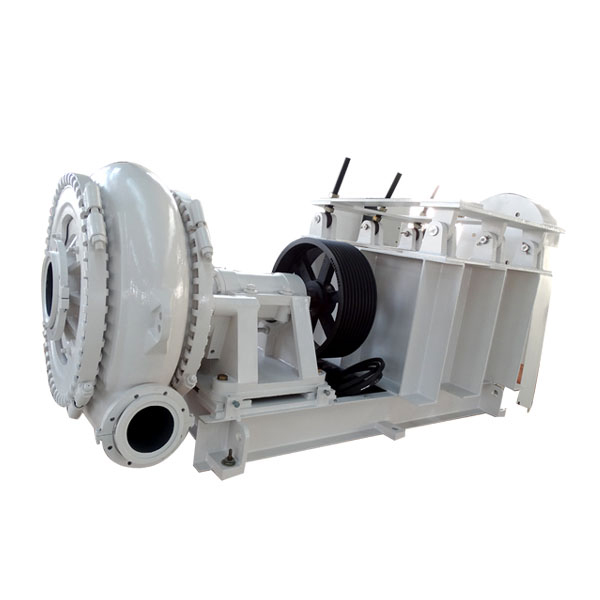
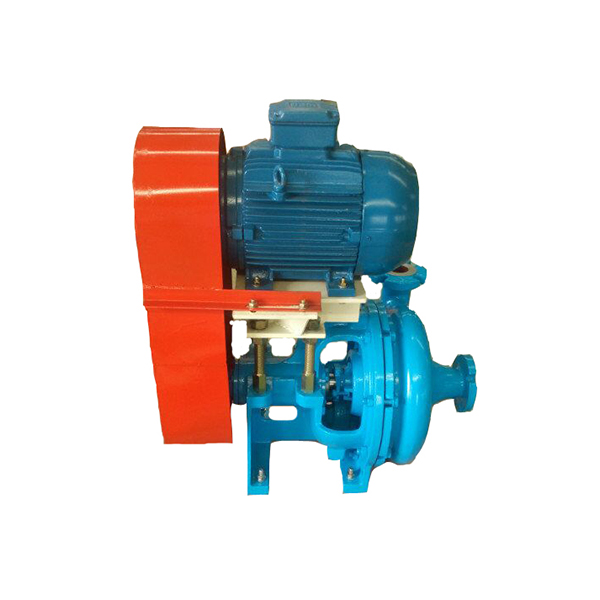
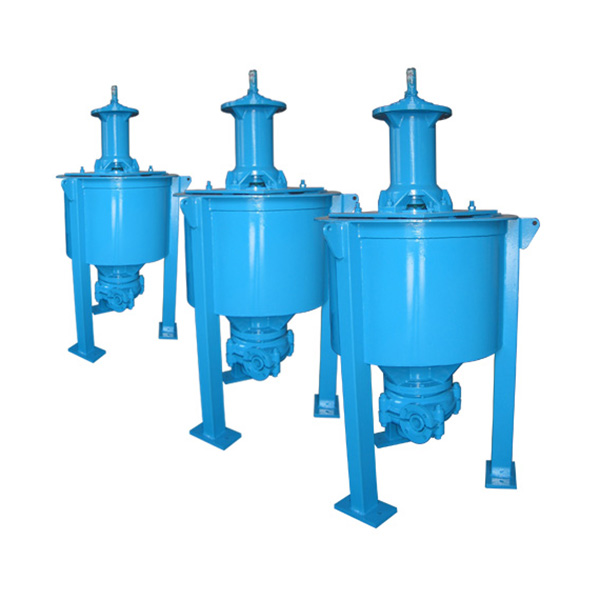
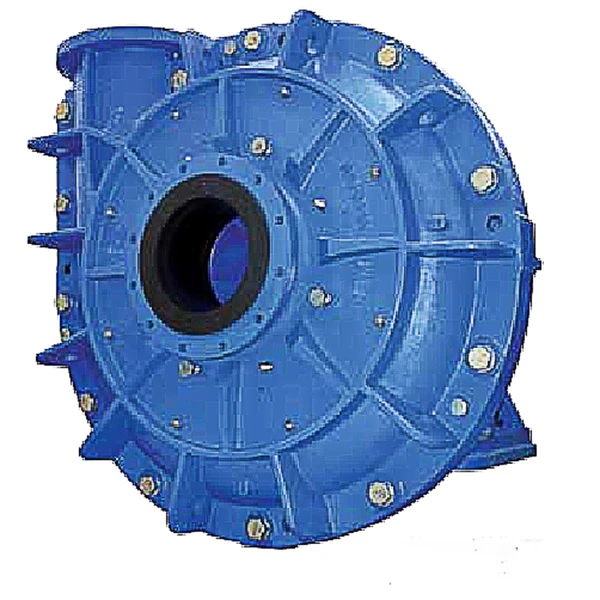
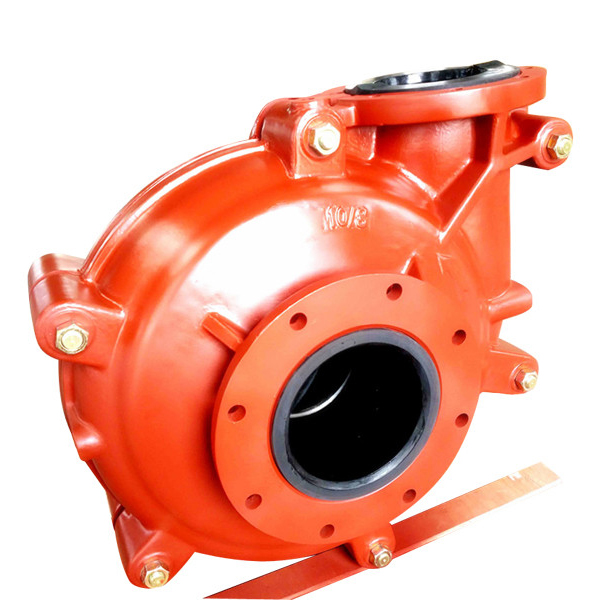
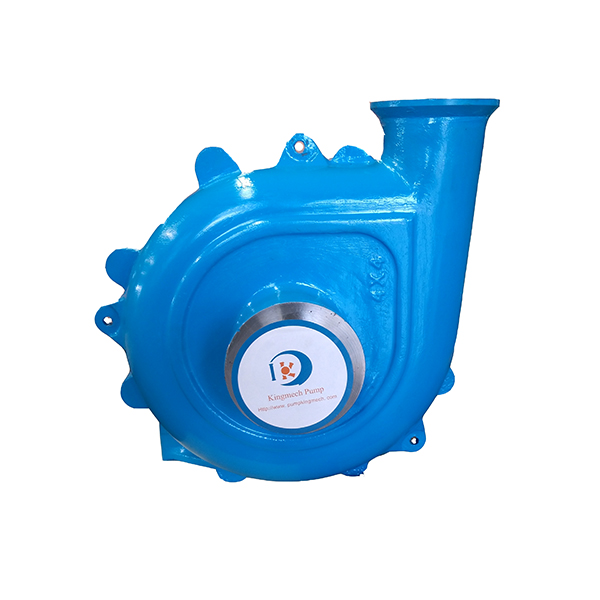
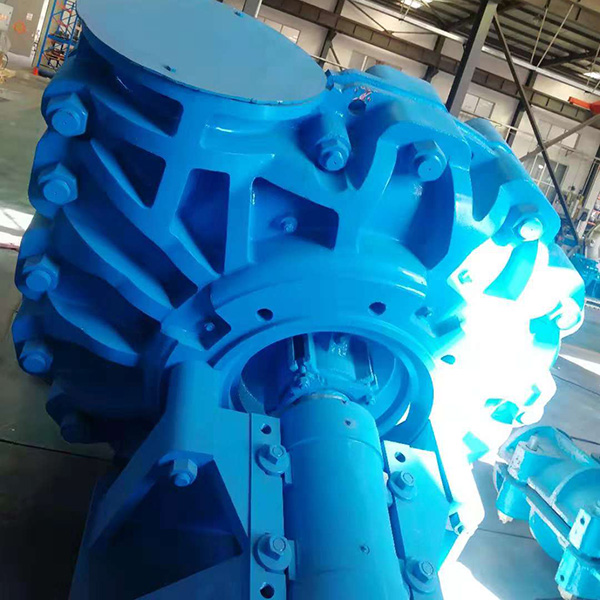
Simply put, pumps for abrasive slurries are heavy-duty machines engineered to transport mixtures of solids suspended in liquids—think of watery mud packed with sand, mineral fragments, or industrial waste. Unlike regular pumps, they must handle the abrasive nature of these mixtures, which tend to chew through standard components.
Their applications stretch far beyond industry: in humanitarian contexts, clean water projects often rely on slurry pumps to handle sediment-heavy water, improving access and sanitation in vulnerable areas.
This is the heart of slurry pump design. Manufacturers use wear-resistant alloys, ceramics, or rubber linings to counteract erosion. Choosing materials isn’t trivial—it’s about weighing durability versus cost and the specific slurry composition. Many engineers note, “getting this balance right is half the battle.”
To keep the slurry from leaking and damaging internal parts, seals must be exceptionally reliable. Likewise, bearings support rotational movement under heavy loads and extreme conditions. Advanced sealing systems reduce maintenance downtime, which is crucial for continuous operations.
The pump’s geometry—impeller shape, casing design—affects slurry velocity and pressure. Modular designs allow customization for different slurry types or flow requirements, offering scalability from small wastewater plants to massive mining operations.
Given rising energy costs and environmental concerns, energy-efficient slurry pumps score big points. Newer models focus on reducing power consumption without compromising performance, often incorporating smart variable-speed drives.
You might think these beasts are complicated, but many come with easier access points for repairs and routine inspections—saving hours if not days during maintenance cycles.
Simply put, it’s a mix of smart materials, innovative engineering, and thoughtful design that makes pumps for abrasive slurries so crucial. Without these key factors, industries risk operational headaches and inflated costs.
Mining giants in South Africa and Canada use them daily to shift mineral-rich slurries. Wastewater treatment facilities across Europe rely on such pumps to process sediment-heavy water, reducing environmental impact.
Oddly enough, some disaster relief operations use these pumps to clear debris in flooded areas or rebuild damaged infrastructure by moving sediment-heavy liquids safely. Even agriculture sectors in arid zones use slurry pumps to move nutrient-rich liquids easily.
| Specification | Description |
|---|---|
| Flow Rate | Up to 500 m³/h |
| Max Head | 75 meters |
| Material | High-chrome alloy with rubber lining options |
| Seal Type | Mechanical seal with flush system |
| Power | 37 kW (variable frequency drive compatible) |
| Weight | 900 kg |
| Vendor | Material Options | Energy Efficiency | Customization | Typical Applications |
|---|---|---|---|---|
| KingMech Pumps | Chrome alloy, rubber lining | High (VFD models available) | Highly customizable designs | Mining, wastewater, construction |
| AbrasiveFlow Inc. | Ceramic, steel alloys | Medium | Standard range, some customization | Industrial sludge, mining |
| ToughPump Solutions | Rubber, composite materials | Variable | Modular units | Agricultural slurry, chemical processing |
Choosing the right pumps for abrasive slurries brings tangible benefits beyond operational efficiency. For instance, there’s a direct impact on cost reduction—by minimizing wear and downtime, companies save big bucks. Then comes sustainability; pumps that last longer and consume less power align with environmental commitments.
On the social side, reliable pumps ensure safer working conditions—less risk of leaks or failures. Many operators talk about the peace of mind that comes with knowing their equipment can keep up, even with the nastiest slurries.
Plus, innovation drives trust. When newer technologies promise improved reliability, users often feel like they’re investing in future-proof solutions rather than quick fixes.
It’s fascinating to see how this niche keeps evolving. Green energy integration is making waves—some slurry pumps now run on solar-powered systems, especially in remote zones. Digital transformation is another trend: smart pumps with IoT sensors provide real-time wear and performance data, helping preempt failures.
Materials science continues pushing boundaries too, with experimental ceramics and composites offering even better abrasion resistance while staying light.
However, there’s no perfect pump. Challenges like clogging, limited material lifespans, and high upfront costs persist. Yet, many industry leaders address these by doubling down on preventive maintenance and modular designs for easy part swaps.
Moreover, hybrid pumps combining centrifugal and positive displacement features are gaining popularity, providing better handling of certain slurry types.
To sum it all up, investing in high-quality pumps for abrasive slurries is more than an equipment choice—it’s a strategic move. It can mean the difference between costly downtime and smooth operation, between environmental compliance and unnecessary risks, between outdated methods and cutting-edge innovation.
If your operations involve moving gritty, wear-heavy fluids, then it pays off to understand and utilize the right slurry pumps. And if you’re ready to dive in deeper or browse product options, feel free to visit KingMech Pumps’ website for detailed info and expert guidance.