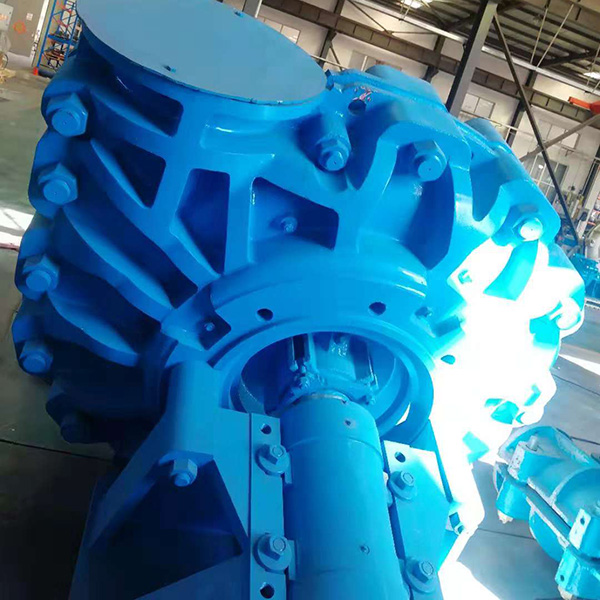
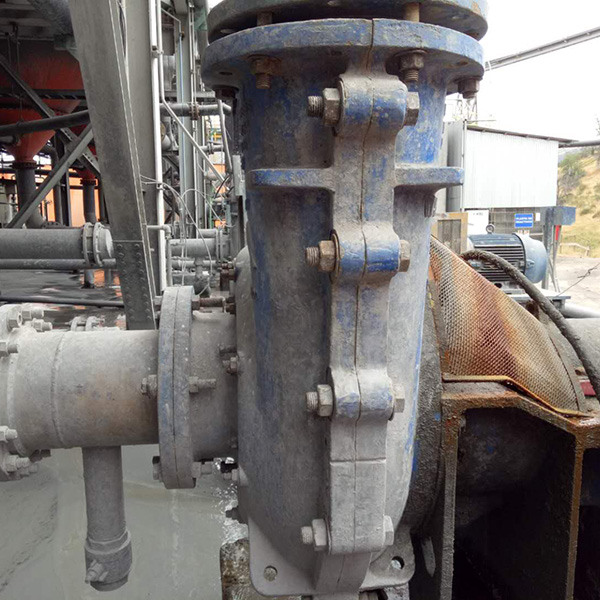
High Efficiency OEM Heavy Duty Slurry Pump for Industrial Use
Handling abrasive materials with high particle sensitivity requires more than just raw power; it demands a specialized approach to fluid dynamics. For operations involving breakage-sensitive particles or large-volume slurry, the CVD series of vortex pumps provides a critical alternative to conventional centrifugal designs. By utilizing a recessed open impeller, these units minimize the physical impact on the medium, ensuring that "soft" particles are transported without significant degradation.
Whether applied in mineral processing, food industry spillage, or sewage effluent management, the goal is to balance high-capacity throughput with material integrity. This technical guide explores how the unique internal profiles and robust engineering of these heavy-duty units solve the persistent problem of particle breakage and frequent blockages in industrial slurry transport.

The Mechanics of Vortex Energy Transfer and Particle Preservation
Unlike standard slurry pumps that force medium through a high-velocity impeller, the CVD range employs a unique recessed impeller design. This configuration creates an internal vortex within the casing, effectively transferring energy to the medium without the particles ever making direct contact with the impeller blades. This "soft" transfer of energy is the primary mechanism that limits particle degradation, making it ideal for materials where size retention is critical.
The efficiency of this design is further enhanced by the large volume internal profiles. By reducing the fluid velocity within the casing, the pump significantly decreases the wear and tear on both the equipment and the pumped medium. For engineers, this means a drastic reduction in the frequency of impeller replacements and a higher quality of output for the processed materials.
- Reduced Interaction: Minimal contact between impeller and solids.
- Low Shear Force: Ideal for "soft" particles and sensitive concentrates.
- Vortex Action: Energy is transmitted via a fluid whirlpool rather than direct impact.

Engineering Robustness for Continuous Industrial Operation
To sustain continuous use in harsh slurry environments, the CVD pumps are built with an unlined all-metal design. This construction is versatile enough to support both horizontal and vertical configurations, allowing for seamless integration into various plant layouts. The structural integrity is anchored by heavy-duty taper roller bearing assemblies, which minimize shaft overhang and utilize rigid large-diameter shafts to prevent vibration and mechanical failure.
A standout feature is the "-10" (dash 10) end-cover assembly. This system integrates V-Seals, double piston rings, and an external flinger with grease-lubricated labyrinths. This multi-layered sealing approach ensures that abrasive slurry cannot penetrate the bearing housing, extending the mean time between failures (MTBF) and reducing unplanned downtime in critical metallurgical or power generation operations.
Optimizing Application Logic for High-Volume Slurry Transfer
Selecting the right pump requires matching the pump's internal geometry to the particle size of the medium. The CVD series features equally sized inlets and outlets, a strategic design choice that determines the maximum particle size the pump can handle. This prevents the "bottleneck" effect common in traditional pumps, where particles may pass the impeller but block the discharge port.
Common industrial scenarios where this logic is applied include:
- Diamond Concentrate: Preventing the crushing of valuable crystals during transport.
- Sugar Beet & Food Industry: Handling organic solids without creating unwanted fines.
- Carbon Transfer: Moving abrasive carbon slurry with minimal piping wear.
- Sewage & Effluent: Managing large, irregular debris that would clog standard pumps.
Technical Selection and Application Suitability Matrix
| Application Type | Particle Sensitivity | Wear Level | Recommended Config |
|---|---|---|---|
| Diamond Concentrate | Extreme (High) | Medium | Horizontal CVD |
| Carbon Transfer | Low | High | All-Metal Unlined |
| Sewage Effluent | Medium | Low | Vertical Sump |
| Sugar Beet Processing | High | Low | Vortex Impeller |
| General Spillage | Low | Medium | CST Sump Duty |
Quality Assurance and Manufacturing Precision
Manufacturing an oem heavy duty slurry pump requires stringent quality control to ensure that the vortex dynamics perform as engineered. At Hebei Xiangmai Pump Industry, every unit undergoes a rigorous QA/QC process. This includes the provision of physical and chemical property reports for the main parts, ensuring that the all-metal construction meets the required hardness and corrosion resistance standards for the specific application.
Furthermore, rotor balancing reports and hydrostatic test reports are standard deliverables. By ensuring the rotor is balanced to precision tolerances, we eliminate the source of most bearing failures. For clients in the mineral and metallurgical sectors, these records provide the necessary transparency to integrate our equipment into high-stakes production lines with confidence.
Procurement Considerations for Slurry Pumping Systems
When sourcing pumping equipment, procurement managers should look beyond the initial price and focus on the total cost of ownership (TCO). For the CVD series, the value lies in the reduced wear on the casing and the prevention of product loss through particle breakage. Buyers should specify whether they require a standard horizontal assembly or a vertical spindle arrangement, with shaft lengths typically ranging from 900mm to 2100mm for sump duty applications.
It is also advisable to evaluate the supplier's ability to provide end-to-end solutions, from initial product selection to installation and after-sales support. A partner capable of delivering custom-engineered solutions—such as the addition of suction pipes for varying submerged depths—ensures that the pump operates at its best efficiency point (BEP), maximizing energy savings and equipment lifespan.
Technical FAQ: Solving Slurry Transport Challenges
What is the main advantage of a vortex pump over a centrifugal pump?
The primary advantage is the reduction of particle degradation. Because the medium is moved by a vortex rather than direct impeller impact, it is far more suitable for breakage-sensitive or "soft" particles.
Can these pumps be installed vertically?
Yes, the CVD range is designed for both horizontal and vertical configurations. Vertical spindle arrangements are standard, with shaft lengths available from 900mm to 2100mm to meet various submerged depth requirements.
How does the pump prevent blockages with large particles?
The design utilizes equally sized inlets and outlets and large volume internal profiles, which ensure that any particle capable of entering the pump can also exit without getting stuck.
What materials are used for the wet-end components?
The pumps feature an unlined all-metal design. Depending on the specific application and abrasive nature of the slurry, high-chrome materials or other specialized alloys can be utilized.
How is the bearing assembly protected from slurry ingress?
The "-10" end-cover assembly uses a combination of V-Seals, double piston rings, and grease-lubricated labyrinths with an external flinger to keep contaminants out of the bearings.
Which industries typically use the CVD pump series?
It is widely used in mineral processing (diamond concentrates), the food industry (sugar beet), wastewater management (sewage effluent), and metallurgical operations (carbon transfer).
Technical References and Industry Standards
- ISO Standards for Centrifugal and Vortex Pumps
- ASME B73.1 Standard for Chemical Process Pumps
- Industrial Slurry Handling Best Practices
- Mineral Processing Equipment Efficiency Guides
For engineers and procurement specialists seeking an oem heavy duty slurry pump that balances capacity with material care, the CVD series offers a proven engineering solution. By focusing on vortex energy transfer, we help global partners reduce operational wear and maintain the integrity of their processed materials.
Industrial Pumping Insights