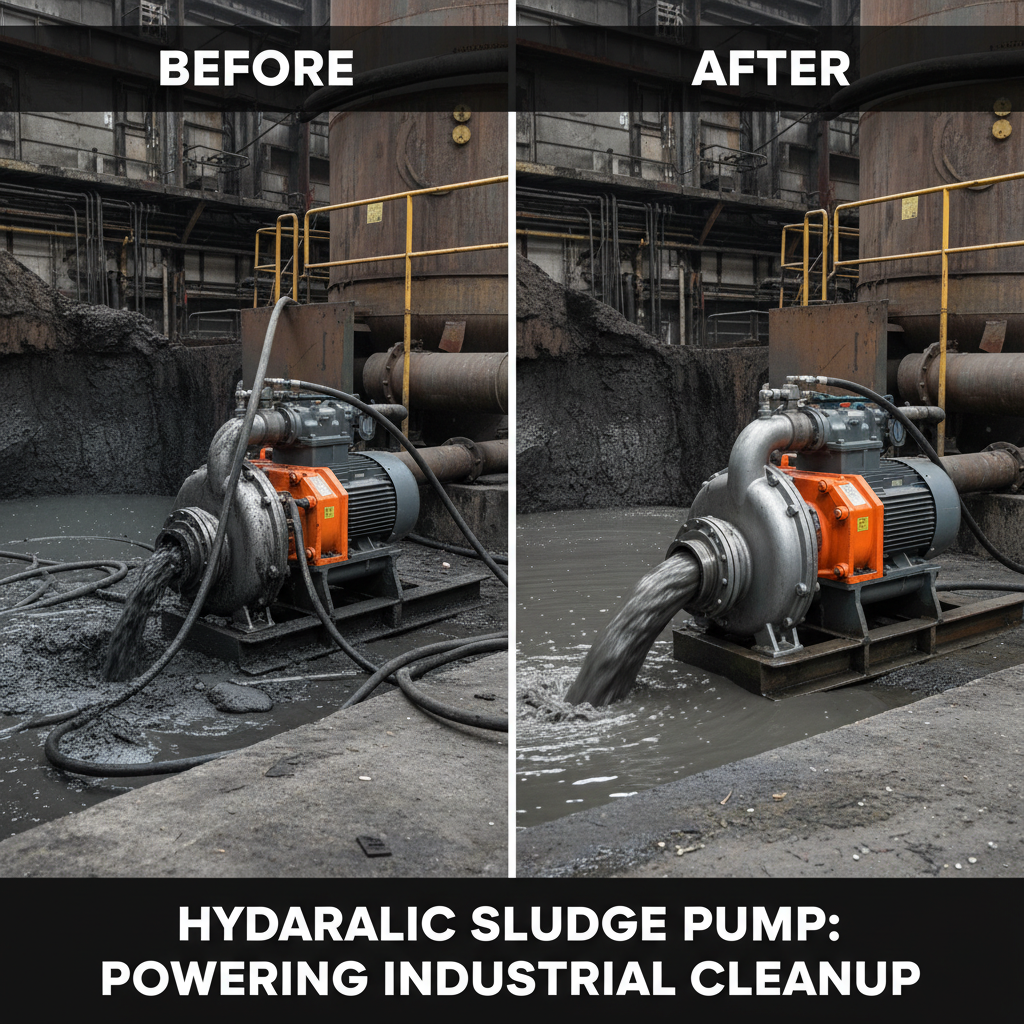
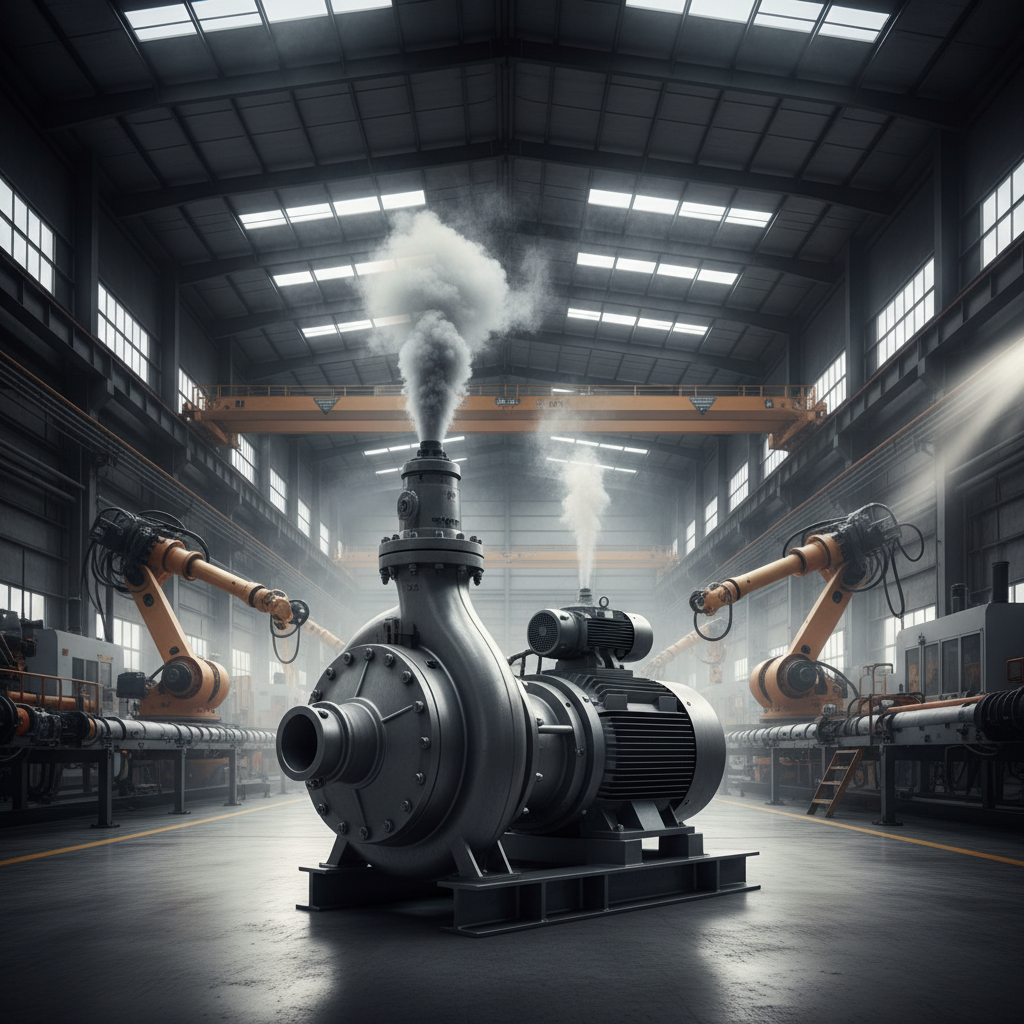
The effective management of sludge, a byproduct of numerous industrial and municipal processes, is a growing global challenge. Traditional methods of handling sludge can be costly, environmentally damaging, and pose significant logistical hurdles. Hydraulic sludge pump technology offers a robust and efficient solution, streamlining the transfer and processing of these materials, minimizing environmental impact and reducing operational expenses. The need for advanced sludge management is increasingly critical as populations grow and industrial output expands, making solutions like the hydraulic sludge pump increasingly vital.
Worldwide, wastewater treatment plants, oil refineries, mining operations, and various manufacturing facilities generate substantial volumes of sludge. Inefficient sludge handling can lead to pipeline blockages, equipment failure, and increased maintenance downtime. Moreover, improper disposal can contaminate soil and water sources, posing risks to public health and ecosystems. Investing in reliable and efficient systems, such as a well-maintained hydraulic sludge pump, can therefore dramatically reduce these risks.
The benefits of implementing effective sludge handling solutions extend beyond environmental protection. Optimized processes translate to significant cost savings, improved operational efficiency, and enhanced regulatory compliance. Furthermore, innovations in sludge treatment technologies are unlocking opportunities to recover valuable resources from waste materials, promoting a circular economy and sustainable industrial practices.
Introduction to hydraulic sludge pump
A hydraulic sludge pump is a specialized type of positive displacement pump designed to efficiently transfer thick, abrasive, and often corrosive sludge materials. Unlike centrifugal pumps, which struggle with high viscosity fluids, hydraulic pumps utilize a reciprocating piston or diaphragm mechanism to create the necessary pressure for reliable sludge transport. This makes them indispensable in applications ranging from wastewater treatment to oil & gas refining.
The growing demand for effective sludge management stems from increasingly stringent environmental regulations and the rising costs associated with traditional disposal methods. Investing in a robust hydraulic sludge pump not only ensures compliance but also optimizes operational efficiency, reduces maintenance requirements, and lowers overall sludge handling costs.
Defining hydraulic sludge pump
At its core, a hydraulic sludge pump is engineered to move semi-solid or slurry-like materials containing a high percentage of solids. Sludge can vary significantly in composition and consistency, depending on its source. This variation demands a pump capable of handling diverse materials – from municipal wastewater solids to industrial chemical sludges. The 'hydraulic' aspect refers to the use of pressurized fluid (typically oil) to drive the pumping mechanism.
These pumps aren't simply about moving material; they're crucial components in complex treatment and recovery systems. They play a key role in dewatering processes, solids handling, and ultimately, resource reclamation. A properly selected and maintained hydraulic sludge pump is vital for maintaining system efficiency and minimizing environmental impact.
Its connection to modern industry and humanitarian needs is profound. In wastewater treatment, they are critical for processing sewage and preventing waterborne diseases. In industrial settings, they safely manage hazardous waste, protecting workers and the environment. The efficiency and reliability of these pumps directly impact the sustainability of numerous vital processes.
Core Components of hydraulic sludge pump
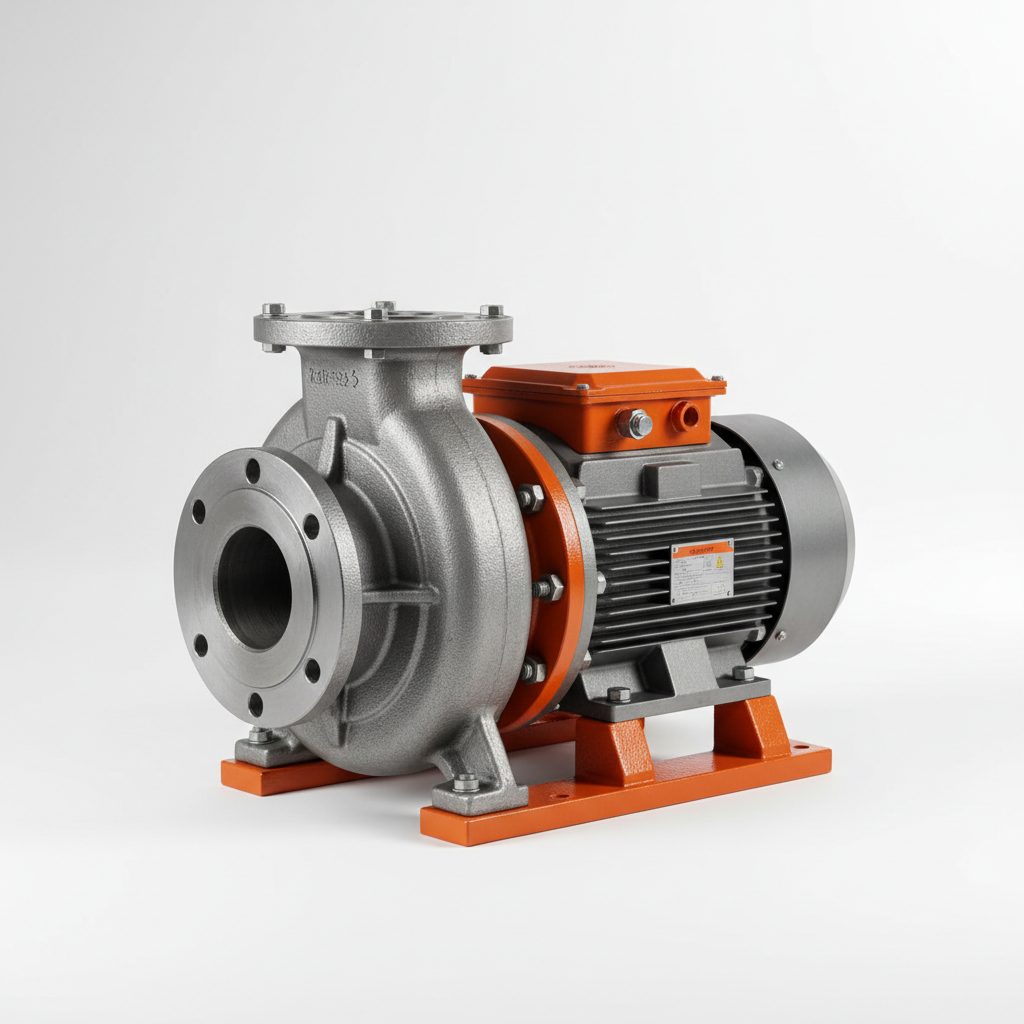
Several key components contribute to the reliable performance of a hydraulic sludge pump. The pumping mechanism – typically a diaphragm or piston – directly interacts with the sludge, creating the suction and discharge forces. The hydraulic system, including the pump and control valves, provides the power to drive this mechanism. The design and materials of these components are crucial for handling abrasive and corrosive sludge.
The diaphragm, often constructed from durable rubber or thermoplastic materials, flexes to create the pumping action. Piston pumps utilize a reciprocating piston within a cylinder, driving sludge through the discharge port. Robust construction and appropriate material selection, are paramount for longevity and minimizing downtime. The efficiency of a hydraulic sludge pump depends heavily on the quality of these components.
Other vital components include the suction and discharge piping, valves, and control systems. These elements ensure smooth operation, prevent backflow, and allow for precise control of the pumping process. Regular inspection and maintenance of all these components are essential to guarantee continued peak performance.
Key Performance Indicators
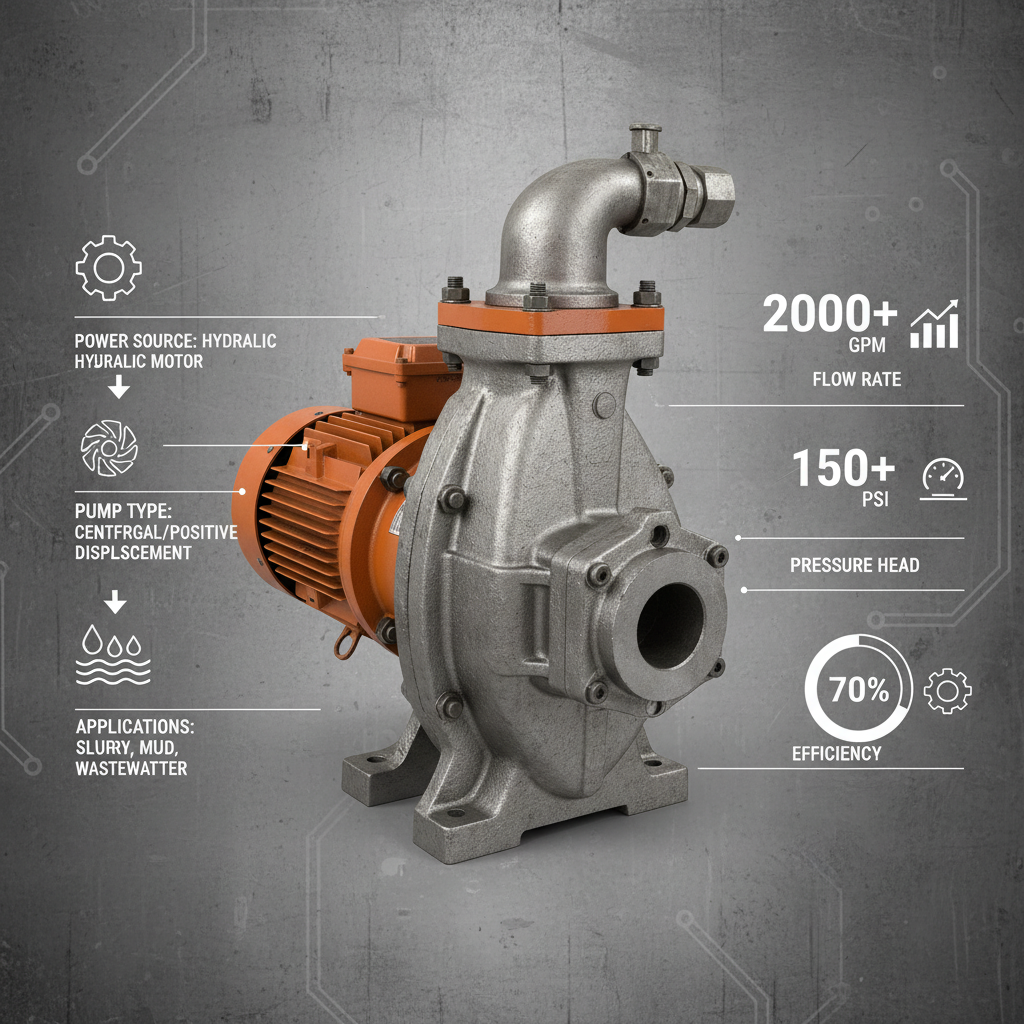
Assessing the performance of a hydraulic sludge pump requires attention to several key indicators. Flow rate, measured in gallons per minute (GPM) or liters per minute (LPM), determines the volume of sludge pumped per unit of time. Pressure, measured in pounds per square inch (PSI) or bars, indicates the pump's ability to overcome resistance in the piping system.
Solids handling capability, expressed as a percentage or parts per million (PPM), defines the pump's capacity to manage solids-laden sludge without clogging. Efficiency, calculated as the ratio of hydraulic power output to power input, measures the pump's energy consumption.
Hydraulic Sludge Pump Performance Metrics
Global Applications and Industries
Hydraulic sludge pump technology finds extensive application across a diverse range of industries worldwide. Wastewater treatment plants represent a primary sector, utilizing these pumps for sludge dewatering, transfer, and disposal. The oil and gas industry employs them for handling drilling muds, oily sludges, and process waste streams.
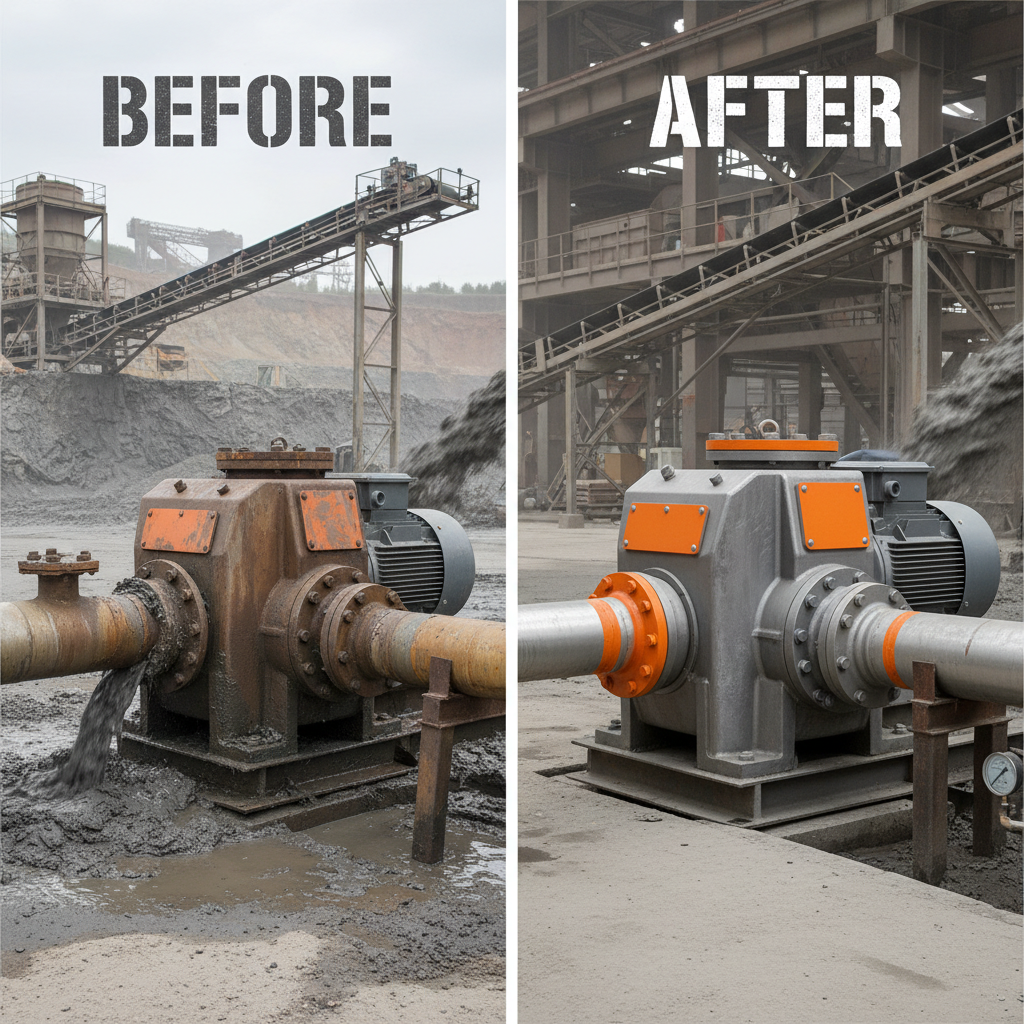
Mining operations rely on these pumps to manage tailings, slurries, and mineral processing waste. Chemical manufacturing facilities utilize them for transferring corrosive and hazardous sludges. In post-disaster relief operations, portable hydraulic sludge pump units can rapidly remove floodwater and contaminated sludge, mitigating health risks and facilitating recovery.
Advantages and Long-Term Value
Investing in a high-quality hydraulic sludge pump delivers significant advantages. Reduced downtime and maintenance costs are primary benefits, stemming from the pump's robust construction and ability to handle abrasive materials. Lower energy consumption translates to operational savings and a reduced carbon footprint. The ability to handle varying sludge consistencies and solids concentrations minimizes the need for frequent adjustments or replacements.
The long-term value extends beyond cost savings. Reliable sludge handling protects the environment, prevents regulatory violations, and ensures worker safety. A well-maintained pump contributes to the sustainability of industrial processes, promotes responsible waste management, and supports a circular economy.
Furthermore, the durability and reliability of a properly selected hydraulic sludge pump provide peace of mind, ensuring consistent performance and minimizing disruptions to critical operations.
Future Trends and Innovations
The future of hydraulic sludge pump technology is focused on enhanced efficiency, automation, and sustainability. Innovations in materials science are leading to the development of more durable and corrosion-resistant pump components. Smart pump systems, incorporating sensors and data analytics, are enabling predictive maintenance and optimized performance.
The integration of variable frequency drives (VFDs) allows for precise control of pump speed and flow rate, further reducing energy consumption. Remote monitoring and control capabilities enable operators to manage pumps from anywhere, improving responsiveness and reducing the need for on-site personnel. The trend towards a circular economy is driving the development of sludge treatment technologies that recover valuable resources, such as biogas and fertilizers.
These advancements, coupled with ongoing research into new pumping mechanisms and materials, will further enhance the performance, reliability, and sustainability of hydraulic sludge pump systems.
Overview of Challenges and Potential Solutions for Hydraulic Sludge Pump Systems
| Challenge Area |
Impact on System Performance |
Potential Solution |
Implementation Cost (1-10) |
| Abrasive Sludge Wear |
Reduced pump lifespan, increased maintenance. |
Utilize wear-resistant materials (e.g., hardened alloys). |
7 |
| Clogging & Blockages |
Reduced flow rate, pump failure. |
Implement pre-screening systems, optimize pump design. |
6 |
| Corrosion from Sludge |
Component degradation, leaks. |
Employ corrosion-resistant materials (e.g., stainless steel). |
8 |
| Energy Inefficiency |
High operating costs, environmental impact. |
Integrate VFDs, optimize pump sizing. |
5 |
| Lack of Real-Time Monitoring |
Delayed detection of issues, increased downtime. |
Implement sensor-based monitoring and data analytics. |
7 |
| Inadequate Sludge Characterization |
Improper pump selection, reduced efficiency. |
Conduct thorough sludge analysis before pump selection. |
4 |
FAQS
Hydraulic sludge pumps excel in handling highly viscous and abrasive materials that often overwhelm centrifugal pumps. They offer consistent flow rates regardless of pressure fluctuations, reducing the risk of clogging. Furthermore, their robust construction translates to lower maintenance requirements and a longer service life, especially when dealing with challenging sludge compositions. A hydraulic sludge pump is engineered for demanding applications.
Maintenance frequency depends on the specific application and sludge characteristics. However, a general guideline involves monthly inspections of hoses, connections, and hydraulic fluid levels. Annual servicing should include a thorough inspection of the pumping mechanism, valve replacements, and fluid analysis. Regularly scheduled preventative maintenance minimizes downtime and extends the pump's operational lifespan. Consult your pump's manual for detailed recommendations.
Hydraulic sludge pumps are incredibly versatile and can handle a wide range of sludge types, including municipal wastewater sludge, industrial sludges, mining tailings, oily sludges, and chemical sludges. Their ability to handle high solids content and abrasive materials makes them suitable for even the most challenging applications. The key is selecting a pump with the appropriate materials of construction to resist corrosion and wear.
Selecting the correct size requires careful consideration of several factors, including flow rate, head pressure, sludge viscosity, and solids content. A proper evaluation of these parameters ensures optimal pump performance and efficiency. It's highly recommended to consult with a pump specialist or manufacturer to determine the ideal pump model and specifications for your specific needs. hydraulic sludge pump engineers can assist you with this process.
Common failure causes include abrasive wear, corrosion, clogging due to large solids, and hydraulic system issues. Proper preventative maintenance, regular inspections, and the selection of appropriate materials can significantly reduce the risk of these failures. Early detection of leaks, unusual noises, or performance degradation can also help prevent catastrophic breakdowns.
Modern hydraulic sludge pumps can be highly energy efficient, particularly when equipped with variable frequency drives (VFDs). VFDs allow for precise control of pump speed, matching flow rate to actual demand and minimizing energy waste. The robust design of hydraulic pumps also reduces energy loss compared to some other pump types. Choosing a pump with a high efficiency rating is crucial for long-term cost savings.
Conclusion
Hydraulic sludge pump technology represents a critical component in modern sludge management, offering a robust, efficient, and reliable solution for a diverse range of industries. Its ability to handle challenging materials, minimize downtime, and reduce environmental impact makes it an indispensable asset for any operation generating substantial volumes of sludge. Investing in a high-quality hydraulic sludge pump is an investment in operational efficiency, sustainability, and responsible waste management.
Looking ahead, continued innovation in materials science, automation, and data analytics will further enhance the performance and value of these pumps. By embracing these advancements, industries can optimize their sludge handling processes, reduce costs, and contribute to a more sustainable future. Visit our website at www.kingmechpump.com to learn more about our range of hydraulic sludge pump solutions.