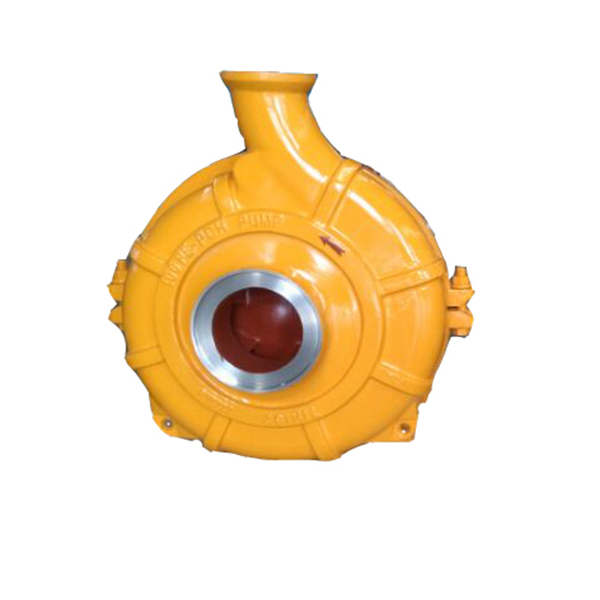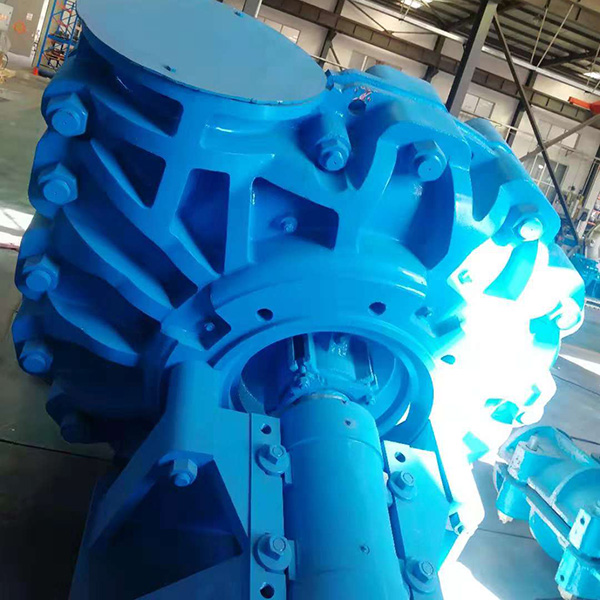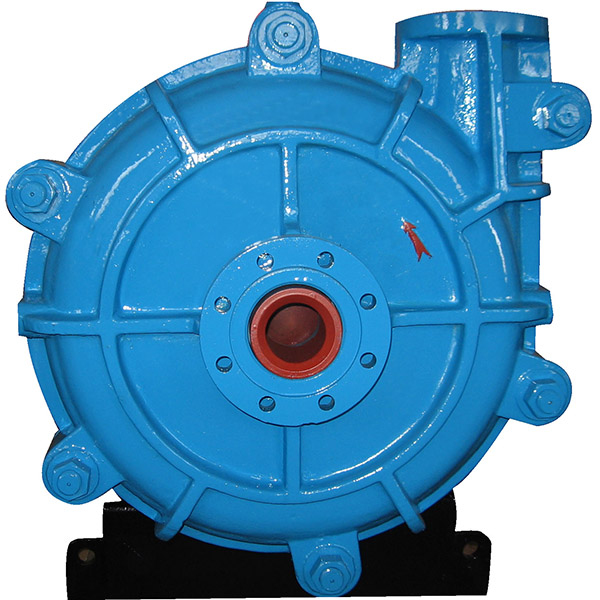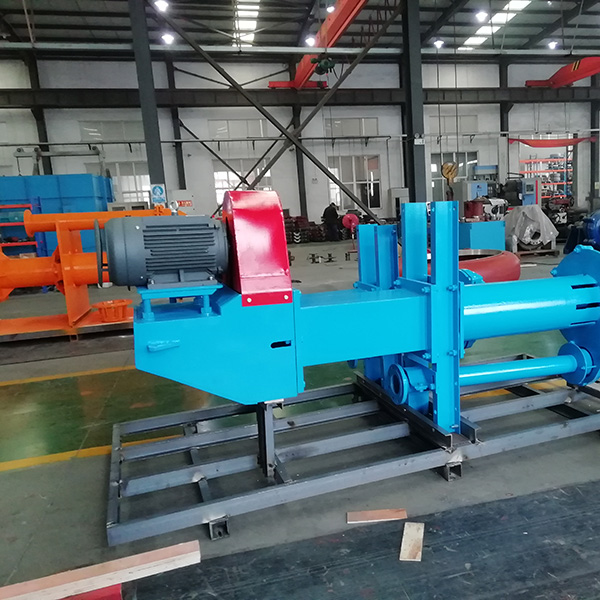
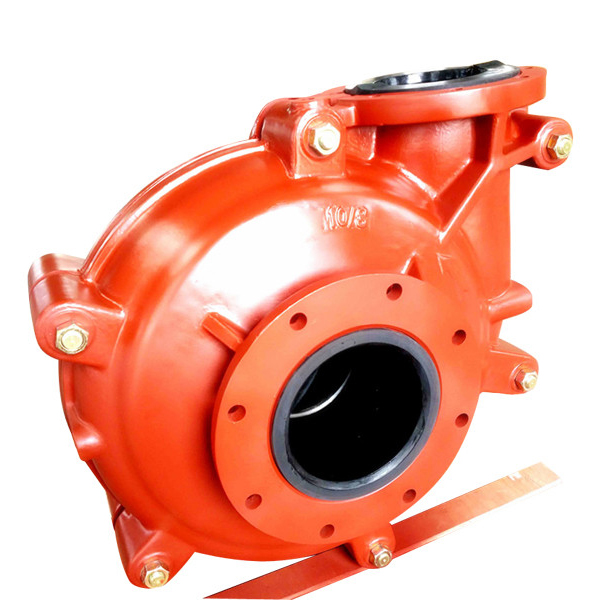
In Cuba, the industrial landscape is heavily influenced by nickel mining and sugar cane processing, where the transport of abrasive materials is a daily challenge. The prevalence of saltwater corrosion due to the island's geography necessitates the use of specialized equipment like the ceramic slurry pump to prevent premature wear and tear.
Many remote mining sites in the provinces struggle with unstable power grids, making the engine driven slurry pump a critical asset. These units provide the independence required to maintain production cycles without relying on the central electrical infrastructure, which is often prone to outages during hurricane seasons.
Furthermore, the management of wastewater and industrial runoff in aging urban infrastructure has increased the demand for a reliable dirty water slurry pump. The transition toward more efficient tailings management is now a priority for Cuban industrial enterprises seeking to meet international environmental standards.