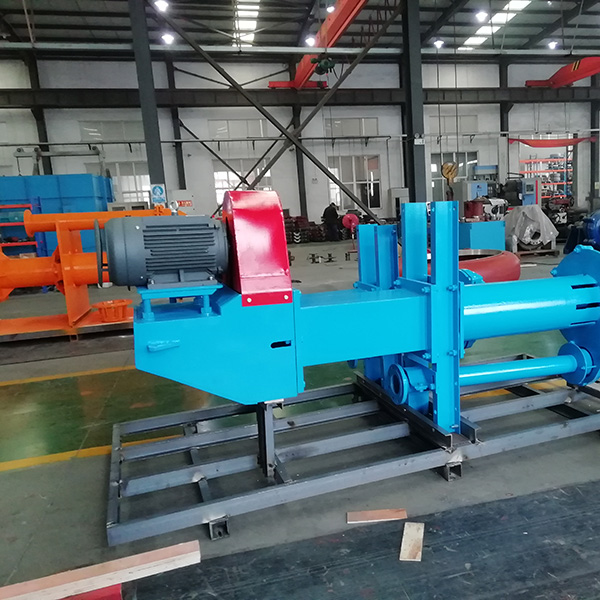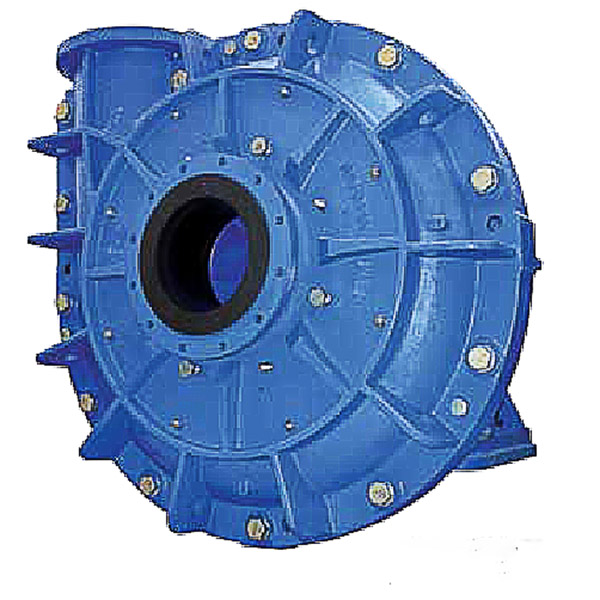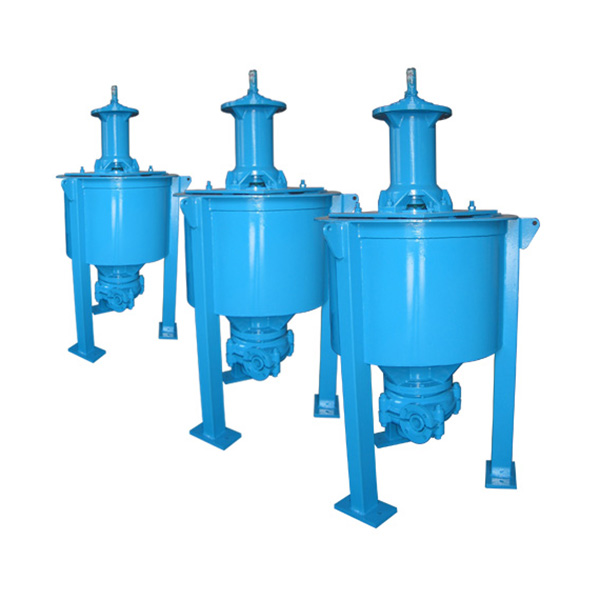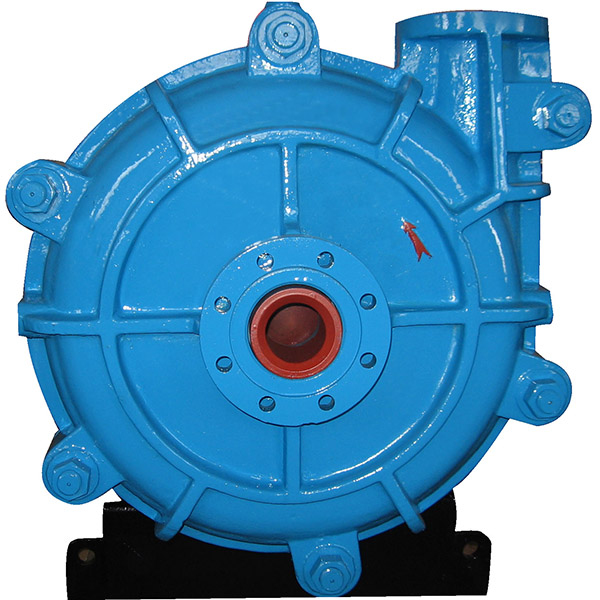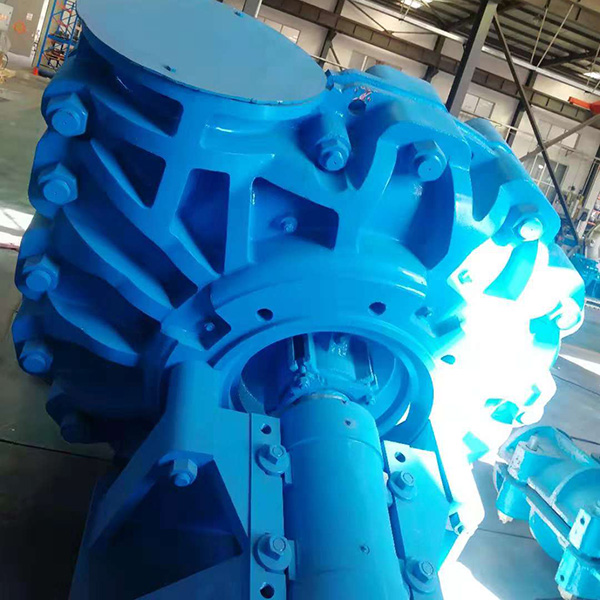
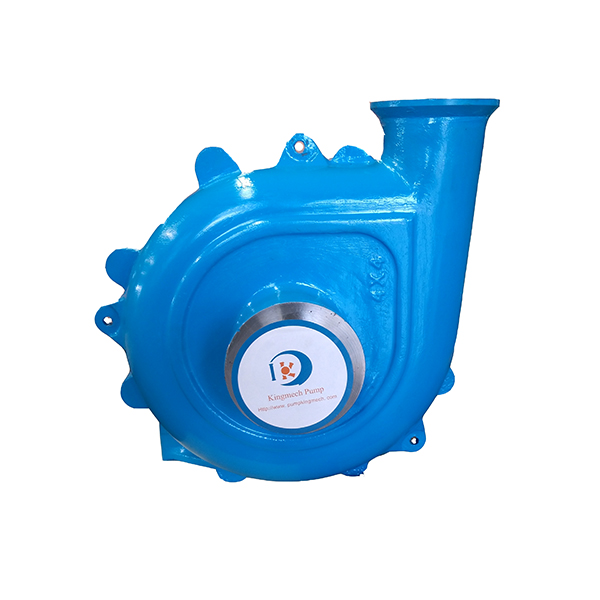
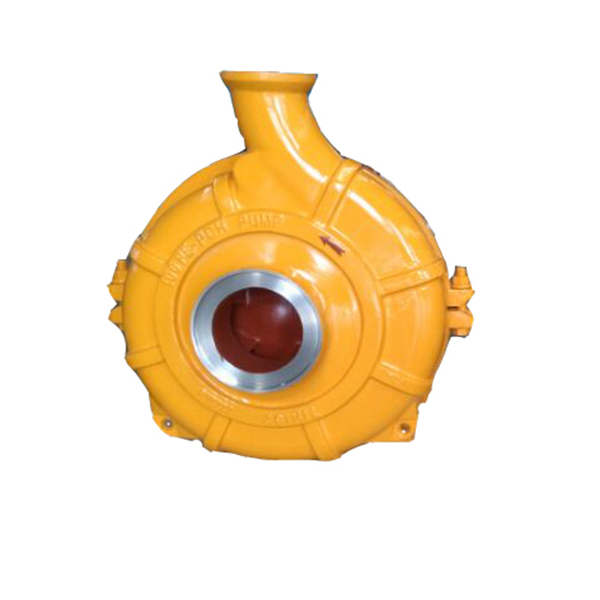
The Russian industrial sector, particularly in the Ural and Siberian regions, operates under some of the harshest environmental conditions globally. The demand for a robust dirty water slurry pump is driven by the need to manage tailings and wastewater in remote mining sites where ambient temperatures can drop below -40°C, requiring specialized metallurgy and heating jackets.
Economically, Russia is pivoting towards the modernization of its mineral processing plants. This transition has increased the requirement for high-precision equipment like the ceramic slurry pump, which offers the necessary wear resistance for handling extremely abrasive ores without frequent downtime for maintenance.
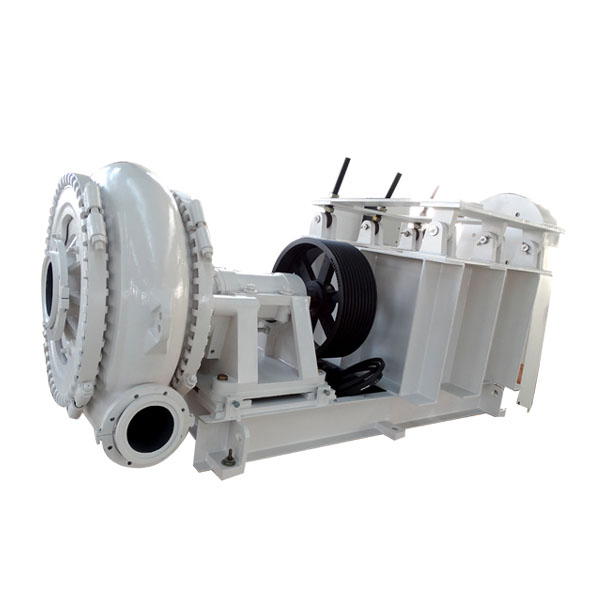
Furthermore, the vast distances between extraction sites and processing hubs necessitate mobile and autonomous power solutions. The adoption of the engine driven slurry pump has become essential for remote operations where the electrical grid is unstable or non-existent, ensuring continuous production cycles.