
High-Performance heavy sludge pump Solutions for Venezuela's Mining Industry

Engineering durable fluid handling systems tailored for the challenging geological and industrial landscapes of South America.

High-Performance heavy sludge pump Solutions for Venezuela's Mining Industry

Providing the most resilient pumping technologies to handle abrasive materials and high-density slurries in Venezuela's toughest environments.

Industrial Pumping Landscape in Venezuela

Analyzing the operational challenges of slurry management in the Venezuelan territory.

Venezuela's industrial sector, particularly in the Orinoco Mining Arc, faces extreme conditions where traditional pumps fail rapidly. The presence of highly abrasive minerals requires the integration of a ceramic slurry pump to combat severe wear and tear caused by high-velocity particle impact.

Due to the intermittent power supply in remote mining regions, there is a critical demand for the engine driven slurry pump. These units allow operators to maintain productivity in off-grid locations, ensuring that heavy mineral transport remains uninterrupted regardless of local infrastructure stability.

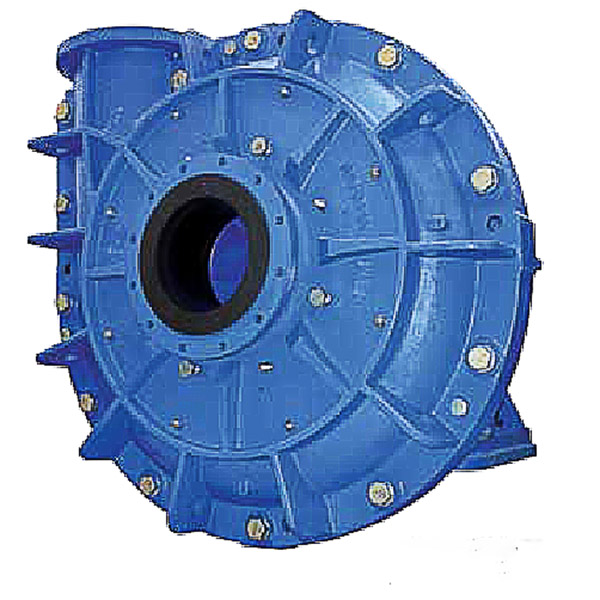
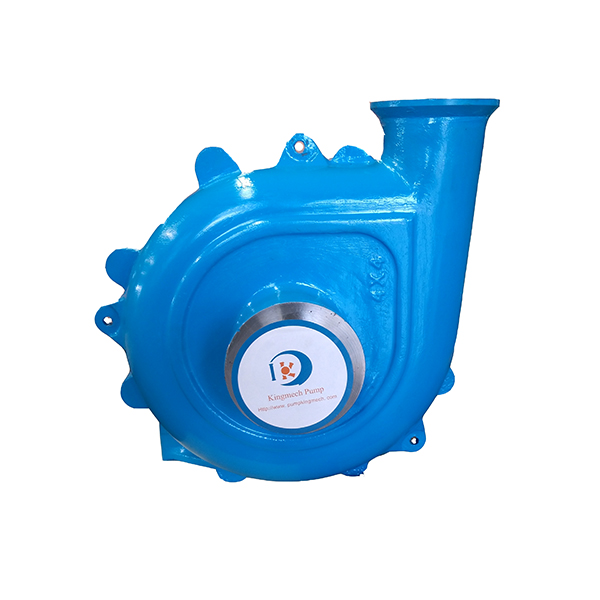
Furthermore, the management of tailings and wastewater in Venezuelan oil and gas fields often involves contaminated fluids. Utilizing a dirty water slurry pump is essential for maintaining environmental compliance and operational efficiency in these ecologically sensitive zones.
Evolution of Slurry Pumping Technology

From cast iron basics to advanced material science in Venezuela's heavy industry.

Market Development History

In the early 2000s, the Venezuelan market relied heavily on standard centrifugal pumps made of high-chrome alloys. While effective for light duties, these systems suffered from frequent downtime when handling the dense deposits typical of the region.

Between 2010 and 2020, the industry shifted toward reinforced liners and specialized hydraulics. The introduction of the lithium slurry pump began to gain traction as the global shift toward battery minerals influenced local exploration and processing techniques.

Today, the trajectory is defined by "Zero-Maintenance" goals. The integration of ceramic inserts and smart monitoring allows for a significant extension of the Mean Time Between Failures (MTBF) in heavy-duty mining applications.

Future Development Trends

Advanced Material Integration

We predict a surge in the adoption of silicon carbide and alumina ceramics to further reduce friction and wear in extreme abrasive environments.

Hybrid Power Systems

Transitioning from pure diesel to hybrid-electric drives to reduce the carbon footprint of mining sites in the Amazon basin.

AI-Driven Flow Optimization

Implementing real-time viscosity sensors to automatically adjust pump speeds, optimizing energy consumption for high-density sludge.

Industry Trends and Future Outlook

Strategic forecasting for fluid handling in South American mining and energy sectors.

Wear-Resistant Innovation
Shift towards nano-ceramic coatings to handle the highest abrasive indices found in Venezuelan ores.
Energy Independence
Expansion of diesel-powered modular units to eliminate reliance on unstable electrical grids.
Sustainable Tailings
Focus on high-density thickeners and pumps that reduce water waste in mineral processing.
Modular Scalability
Plug-and-play pumping stations for rapid deployment in new exploration sites.

Industry Outlook

The Venezuelan pumping market is shifting from "cheap acquisition" to "total cost of ownership" (TCO) models. Companies are realizing that high-initial-cost pumps with superior materials save millions in downtime.

With the projected increase in critical mineral extraction, the demand for precision-engineered slurry pumps is expected to grow by 15% annually over the next 5 years.

Localized Application Scenarios in Venezuela

Real-world deployments across the diverse industrial landscape of Venezuela.

01. Orinoco Gold Mining Operations

Deployment of a ceramic slurry pump to handle abrasive gold-bearing quartz sands, significantly reducing impeller wear compared to steel alternatives.

02. Remote Oil Field Waste Management

Using an engine driven slurry pump for the removal of drilling mud and heavy cuttings in areas without access to the national electric grid.

03. Industrial Wastewater Treatment Plants

Integration of a dirty water slurry pump to manage high-solid effluent from chemical manufacturing plants in the Valencia industrial zone.

04. Bauxite Refining Process

Utilization of a heavy sludge pump to transport thick bauxite tailings to storage facilities, ensuring a steady flow despite high viscosity.

05. Specialized Mineral Processing

Implementation of a lithium slurry pump for the emerging lithium extraction projects, ensuring chemical compatibility and precise flow control.

Brand Story

Global Development History of Hebei Xiangmai Pump Industry Co., Ltd.

Foundation and Vision

Established with a focus on solving the most difficult fluid transport problems in heavy industry, focusing on extreme abrasion and corrosion.

Technological Breakthrough

Pioneered the integration of advanced ceramics and alloy composites, creating a new standard for slurry pump longevity.

Global Expansion

Expanded operations to South America, tailoring designs to meet the rigorous demands of Venezuelan and Brazilian mining sectors.

Quality Certification

Achieved international ISO and CE certifications, ensuring every unit delivered meets global safety and performance benchmarks.

Future Commitment

Dedicated to sustainable mining through the development of energy-efficient pumps that reduce the environmental impact of slurry transport.

Complete Slurry Pumping Portfolio for Venezuela

A comprehensive range of pumps engineered for the unique mineralogical and environmental conditions of South America.

Common Questions for Venezuelan Industrial Pumping

Expert answers to the most frequent technical queries from our local partners.

How do I choose the right ceramic slurry pump for abrasive gold mining?

Selection depends on the particle size and concentration. For highly abrasive quartz sands, we recommend alumina-ceramic liners that offer superior hardness over standard chrome alloys.

Can an engine driven slurry pump operate in high-humidity rainforest areas?

Yes, our engine-driven units are equipped with weatherproof enclosures and corrosion-resistant coatings specifically designed for the tropical climates of Venezuela.

What is the maintenance interval for a heavy sludge pump in oil field applications?

Depending on the sludge density, our heavy-duty pumps typically require a liner inspection every 3,000 to 5,000 operating hours, though our wear-resistant models extend this significantly.

Is the lithium slurry pump compatible with aggressive chemical additives?

Absolutely. Our lithium-specific pumps use specialized polymers and alloys that resist the chemical corrosion typical of lithium carbonate and hydroxide processing.

What makes a dirty water slurry pump different from a standard wastewater pump?

Unlike standard pumps, slurry-specific dirty water pumps feature open impellers and hardened internals to prevent clogging and erosion from suspended solids.

Do you provide spare parts for heavy-duty pumps in Venezuela?

We maintain a strategic inventory of impellers, liners, and seals to ensure minimal downtime for our Venezuelan clients, with streamlined shipping logistics.

Get Your Custom Pumping Solution

Contact our engineering team today for a technical consultation tailored to your operations in Venezuela.

Contact Us Now
tel
email
tel
goTop

If you are interested in our products, you can choose to leave your information here, and we will be in touch with you shortly.