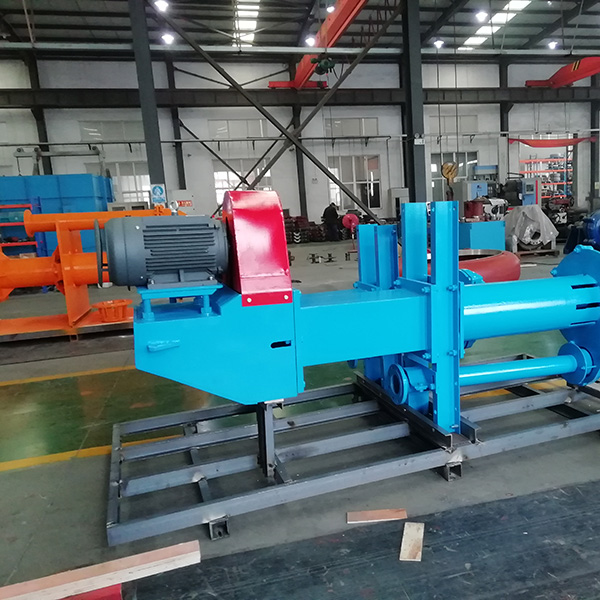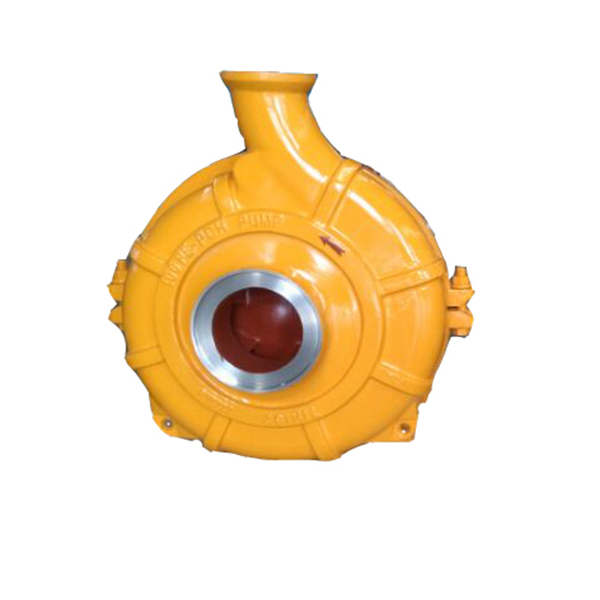
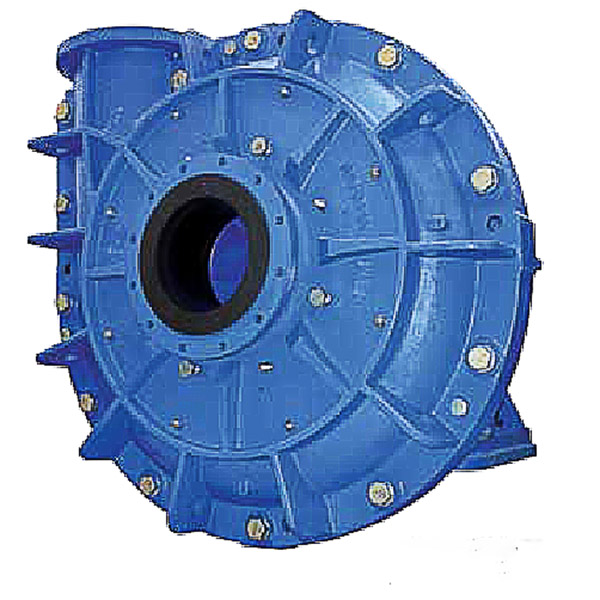
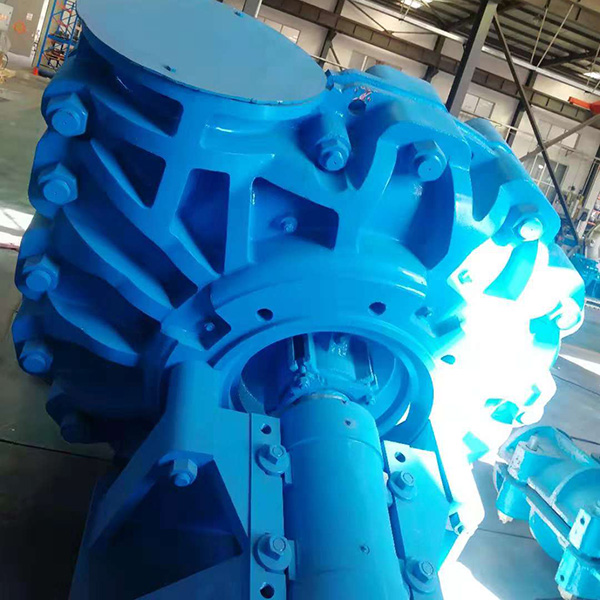
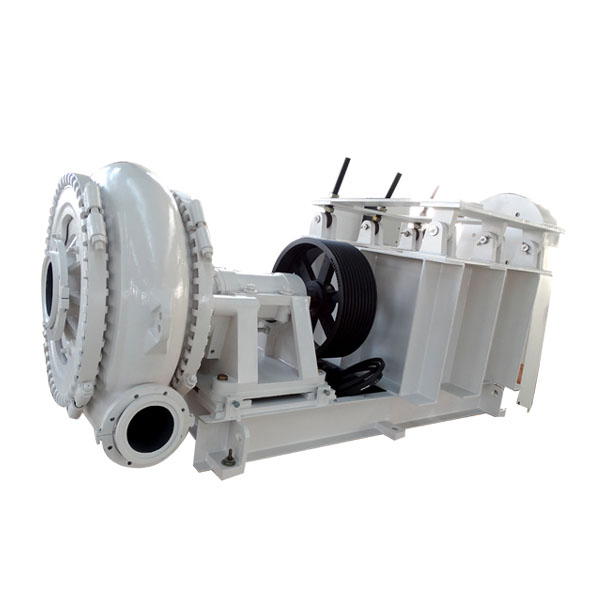
Portugal's industrial sector, particularly in the Alentejo and Norte regions, faces unique challenges due to the corrosive nature of coastal saline air and the abrasive composition of local mineral deposits. The demand for a robust ceramic slurry pump has increased as plants seek to reduce the high maintenance costs associated with traditional alloy wear in aggressive chemical environments.
In the agricultural and municipal sectors, the prevalence of seasonal flash floods and sediment-heavy runoff requires highly flexible equipment. The deployment of a dirty water slurry pump has become essential for maintaining drainage systems and urban wastewater plants that struggle with high particulate loads during peak rainfall.
Furthermore, the growth of the European battery supply chain in Portugal has sparked a surge in specialized processing. This shift necessitates the integration of a precise lithium slurry pump to handle volatile and corrosive electrolytes, moving the market away from general-purpose pumps toward high-specification, material-science-driven solutions.