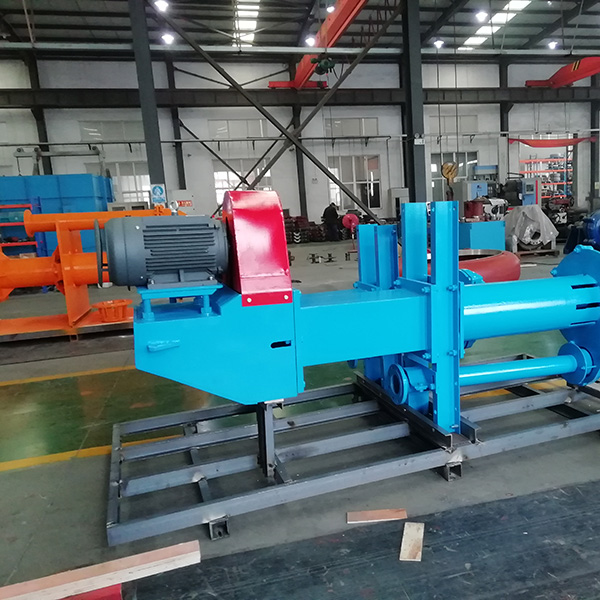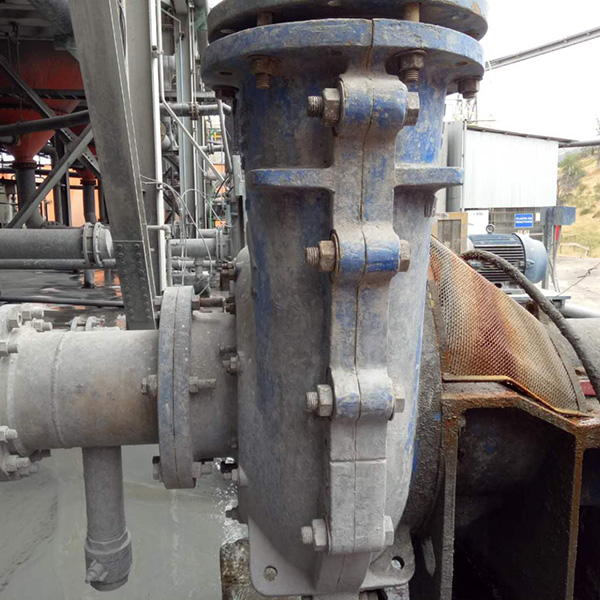
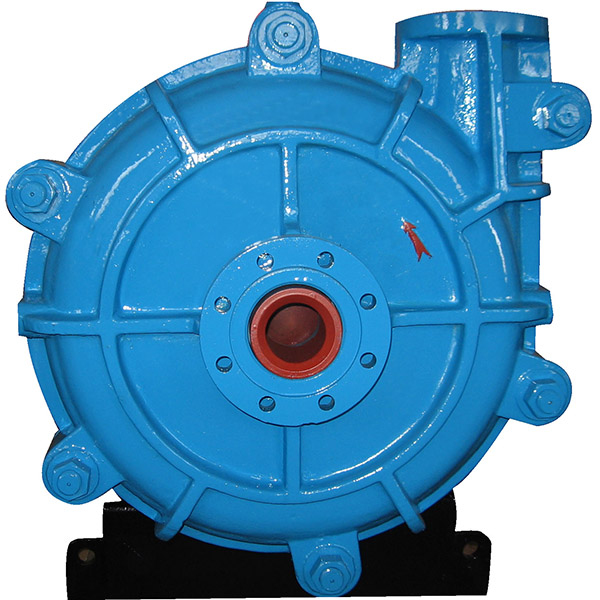
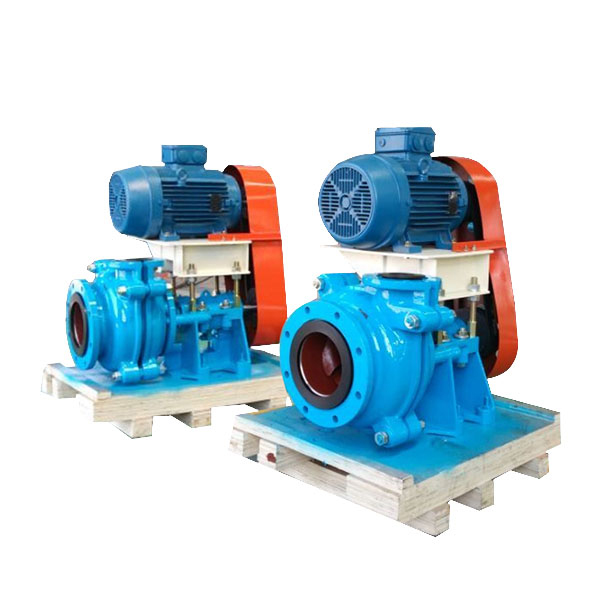
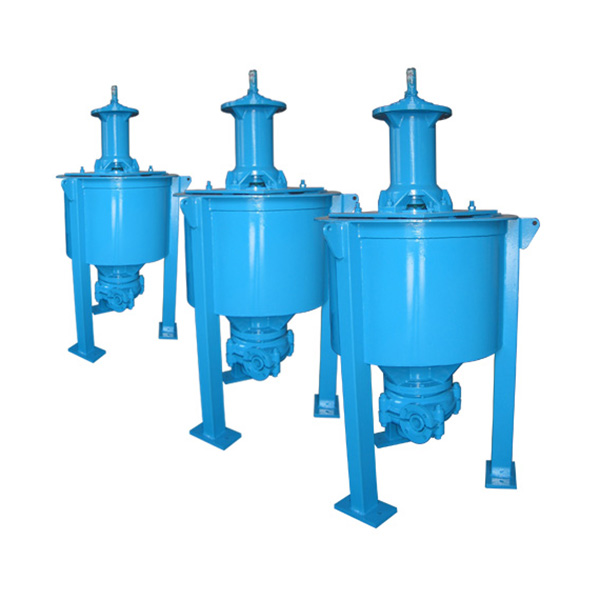
Industrial Slurry Management Solutions in Malaysia: High-Performance engine driven slurry pump

Engineering precision for Malaysia's toughest mining and industrial fluid challenges, ensuring maximum uptime and abrasion resistance.

Industrial Slurry Management Solutions in Malaysia: High-Performance engine driven slurry pump

Providing heavy-duty fluid transport systems designed specifically for the humid climates and abrasive materials found in Malaysian industrial sectors.

The State of Slurry Handling in Malaysia

Navigating the complexities of abrasive fluid transport in Southeast Asia's industrial hub.

Malaysia's industrial landscape, characterized by extensive tin mining history and a growing electronics and chemical sector, faces unique challenges due to high humidity and tropical precipitation. The frequent need to manage high-viscosity wastes has increased the demand for a robust heavy sludge pump capable of operating in remote areas without stable power grids.

In the palm oil and mineral processing regions of Perak and Selangor, operators struggle with rapid equipment wear caused by the abrasive nature of tailings. Traditional pumping systems often fail prematurely, leading to costly downtime. Consequently, there is a significant shift towards the adoption of the ceramic slurry pump to extend the service life of critical components.

Furthermore, the rise of the battery manufacturing supply chain in Malaysia has introduced the need for specialized chemical handling. The transport of lithium-based compounds requires a highly corrosion-resistant lithium slurry pump to prevent contamination and ensure safety standards in accordance with local environmental regulations.
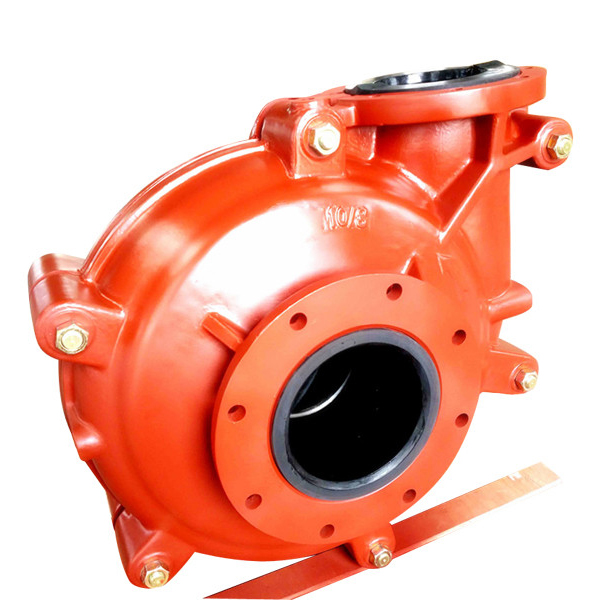
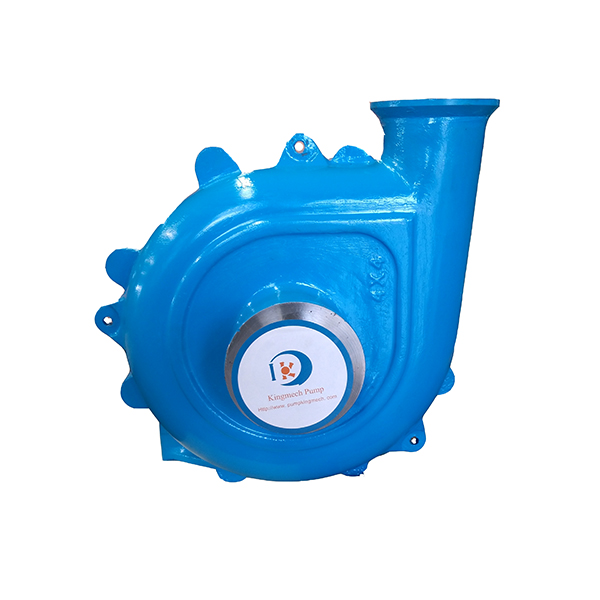
Evolution of Pumping Technology in Malaysia

From basic mechanical lifts to smart, abrasion-resistant fluid systems.

Market Development History

In the 1980s and 90s, the Malaysian market relied heavily on oversized cast iron pumps that lacked specific abrasion resistance, leading to frequent maintenance cycles in the mining sector. These early systems were primarily electric, limiting their deployment in the deep jungle regions of Sabah and Sarawak.

By the mid-2000s, the introduction of high-chrome alloys revolutionized the industry. The emergence of the dirty water slurry pump allowed for more versatile drainage and waste management, bridging the gap between simple water pumps and heavy-duty industrial slurry systems.

From 2015 to the present, the focus has shifted toward "Precision Materiality." The integration of ceramic liners and engine-driven mobility has enabled Malaysian firms to optimize their logistics, reducing the reliance on fixed infrastructure and improving overall operational efficiency.

Future Development Trends

Modular Engine Integration

Increased demand for portable power in remote sites will drive the evolution of hybrid engine systems, making the engine-driven pump more fuel-efficient and compliant with new emission standards.

Nanocomposite Liners

Moving beyond standard ceramics, the next 3-5 years will see the integration of nanocomposite materials to further reduce the wear rate of slurry components in hyper-abrasive environments.

IoT-Driven Predictive Maintenance

Google search trends indicate a surge in "smart pump monitoring." Future systems will integrate sensors to predict liner failure before it occurs, drastically reducing unplanned downtime for Malaysian factories.

Industry Outlook and Strategic Trends

Analyzing the trajectory of fluid handling technology for the next decade.

Sustainable Energy Transition
Shift toward electric-hybrid drives to reduce the carbon footprint of large-scale slurry transport in mining.
Advanced Material Science
Implementation of silicon carbide and tungsten carbide for extreme wear resistance in heavy sludge applications.
Digital Twin Integration
Using virtual models to simulate fluid dynamics and optimize pump impeller design for specific slurry densities.
Modular Design Architecture
Standardized components that allow for rapid on-site replacement and reconfiguration for different fluids.

Industry Outlook

The Malaysian market is expected to see a 4.5% CAGR in specialized pump demand over the next five years, driven primarily by the expansion of the EV battery ecosystem and the modernization of the mineral processing industry. The shift towards higher automation will reduce operational errors and energy waste.

As environmental regulations tighten in Malaysia, the industry will pivot towards "Zero Leakage" systems. This will increase the adoption of magnetically coupled pumps and advanced sealing technologies to prevent toxic slurry from contaminating local groundwater and rainforest ecosystems.

Localized Applications in Malaysia

Real-world deployment of slurry pumping technology across diverse Malaysian industries.

1. Tin and Rare Earth Mining in Perak

Utilizing the ceramic slurry pump to handle highly abrasive mineral tailings, reducing liner replacement frequency by 40% in high-wear environments.

2. Palm Oil Mill Effluent (POME) Treatment

Deployment of the dirty water slurry pump to manage organic sludge and wastewater, ensuring efficient transport to anaerobic digesters.

3. Remote Site Flood Control and De-watering

Using the engine driven slurry pump in Sabah's forestry and construction sites where electrical infrastructure is unavailable, enabling rapid mud removal.

4. Urban Sewage and Heavy Sludge Management

Implementing the heavy sludge pump in Kuala Lumpur's wastewater treatment plants to handle thickened sludge with high solid concentrations.

5. Lithium-Ion Battery Material Processing

Application of the lithium slurry pump in the emerging high-tech corridors of Penang to transport sensitive chemical slurries without contamination.

Brand Story

Global Development Journey of Hebei Xiangmai Pump Industry Co., Ltd.

Foundational Excellence

Established with a vision to solve the most grueling fluid transport problems, focusing on metallurgy and hydraulic efficiency from day one.

Technological Breakthrough

Developed proprietary ceramic coating processes that redefined the lifespan of slurry pumps in abrasive mining environments.

Global Market Expansion

Successfully penetrated the Southeast Asian market, adapting pump designs to meet the humid and tropical conditions of Malaysia and Indonesia.

Sustainable Innovation

Launched a series of energy-efficient, low-emission engine-driven pumps to support the global shift toward green industrialization.

Future-Ready Engineering

Currently integrating AI-driven monitoring systems to provide "Pump-as-a-Service" (PaaS) for global industrial clients.

Complete Slurry Pumping Portfolio for Malaysia

A comprehensive range of pumps engineered to handle everything from light runoff to heavy industrial sludge.

Frequently Asked Questions in Malaysia

Technical insights and guidance for selecting the right slurry pump for your operation.

How to choose a ceramic slurry pump for high-abrasion mining in Perak?

Focus on the material hardness (Mohs scale) of the slurry. For extremely abrasive minerals, a pump with silicon carbide liners is recommended to maximize the interval between maintenance shutdowns.

Are engine driven slurry pumps suitable for remote rainforest sites in Sabah?

Yes, they are ideal. Our engine-driven models provide complete autonomy from the power grid, allowing for efficient mud and sludge transport in terrains where electricity is unavailable.

What is the best way to prevent clogging in a heavy sludge pump?

Utilize a pump with a larger impeller clearance and a variable speed drive (VSD) to maintain a critical velocity that keeps solids in suspension, preventing sedimentation in the pipes.

Can a dirty water slurry pump handle high-temperature POME in palm oil mills?

Yes, provided the seals are upgraded to Viton or other high-temperature fluorocarbon materials to resist the chemical acidity and heat of the palm oil mill effluent.

Is a lithium slurry pump required for battery material transport?

Absolutely. Lithium compounds can be highly corrosive. A specialized pump with non-reactive linings is essential to ensure the purity of the material and the safety of the operators.

How often should I replace the liners in my industrial slurry pump?

Replacement frequency depends on slurry concentration. We recommend monthly ultrasonic thickness testing to monitor wear and scheduling replacements when the liner reaches 20% of its original thickness.

Ready to Optimize Your Fluid Transport?

Our technical engineers are available to provide customized slurry pump configurations for your projects in Malaysia.

Contact Us Now
tel
email
tel
goTop

If you are interested in our products, you can choose to leave your information here, and we will be in touch with you shortly.