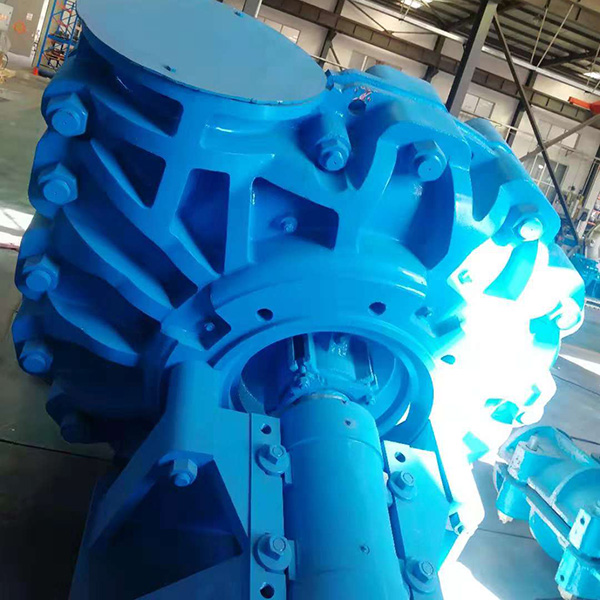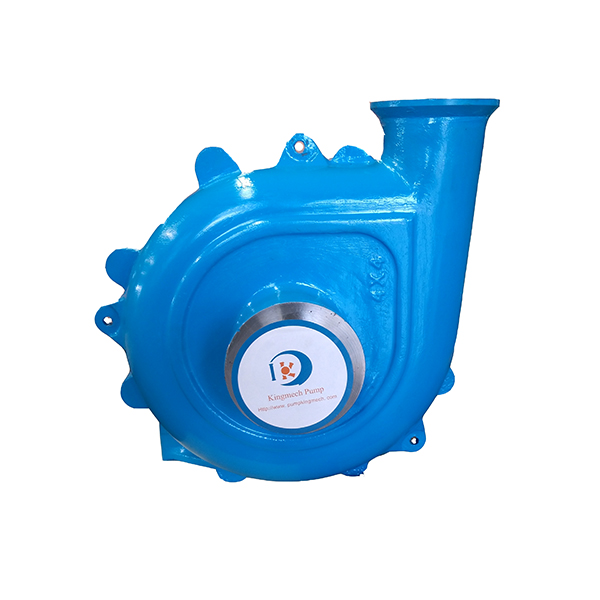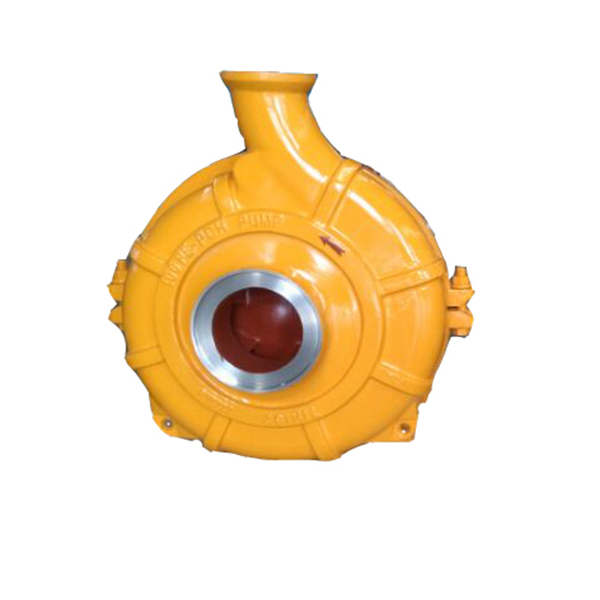
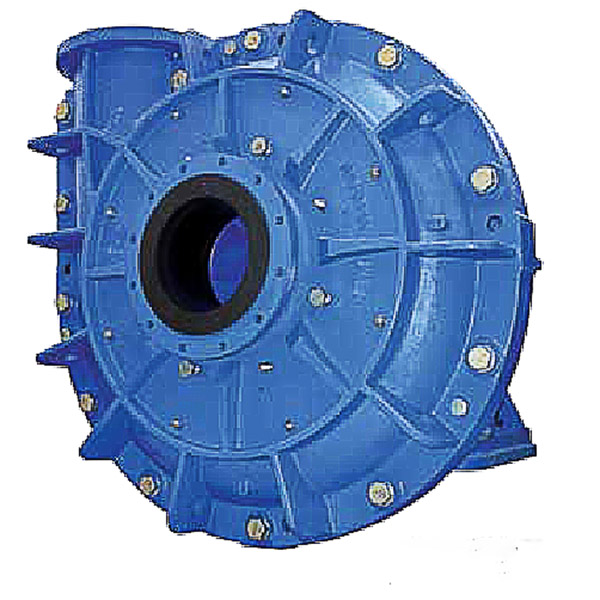
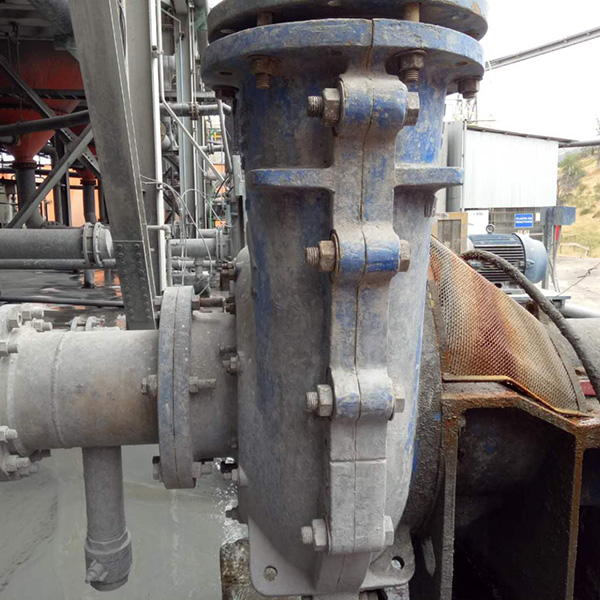
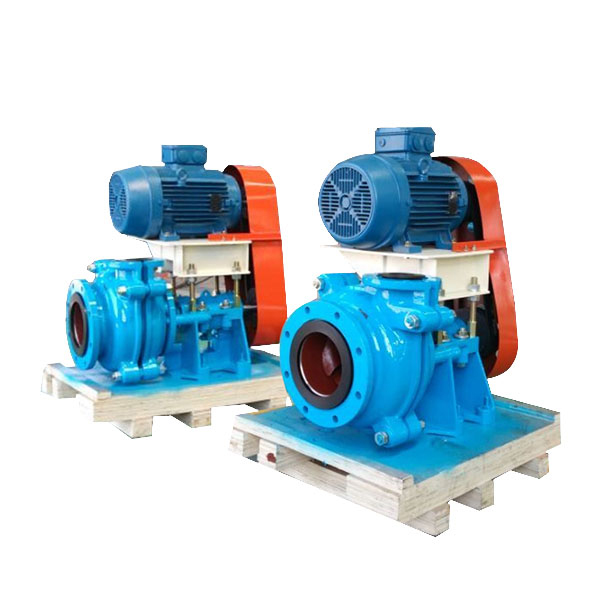
Equatorial Guinea's industrial sector is heavily characterized by its oil, gas, and emerging mineral extraction industries. The region's high humidity and tropical rainfall create significant challenges for traditional equipment, often leading to rapid corrosion and failure of standard pumps. Consequently, there is an increasing demand for a dirty water slurry pump capable of handling contaminated runoff and industrial wastewater without frequent downtime.
In remote mining sites where electrical infrastructure is unstable or non-existent, the reliance on autonomous power is critical. This has made the engine driven slurry pump a cornerstone of local operations, allowing for flexible deployment in rugged terrains. However, the abrasive nature of the local ores requires materials that exceed standard industrial grades to prevent premature wear.
Furthermore, as the country diversifies its economy into specialized chemical processing and waste management, the need for a heavy sludge pump has grown. Local operators are shifting away from low-efficiency makeshift solutions toward precision-engineered equipment that can manage high-viscosity fluids and dense solids efficiently.