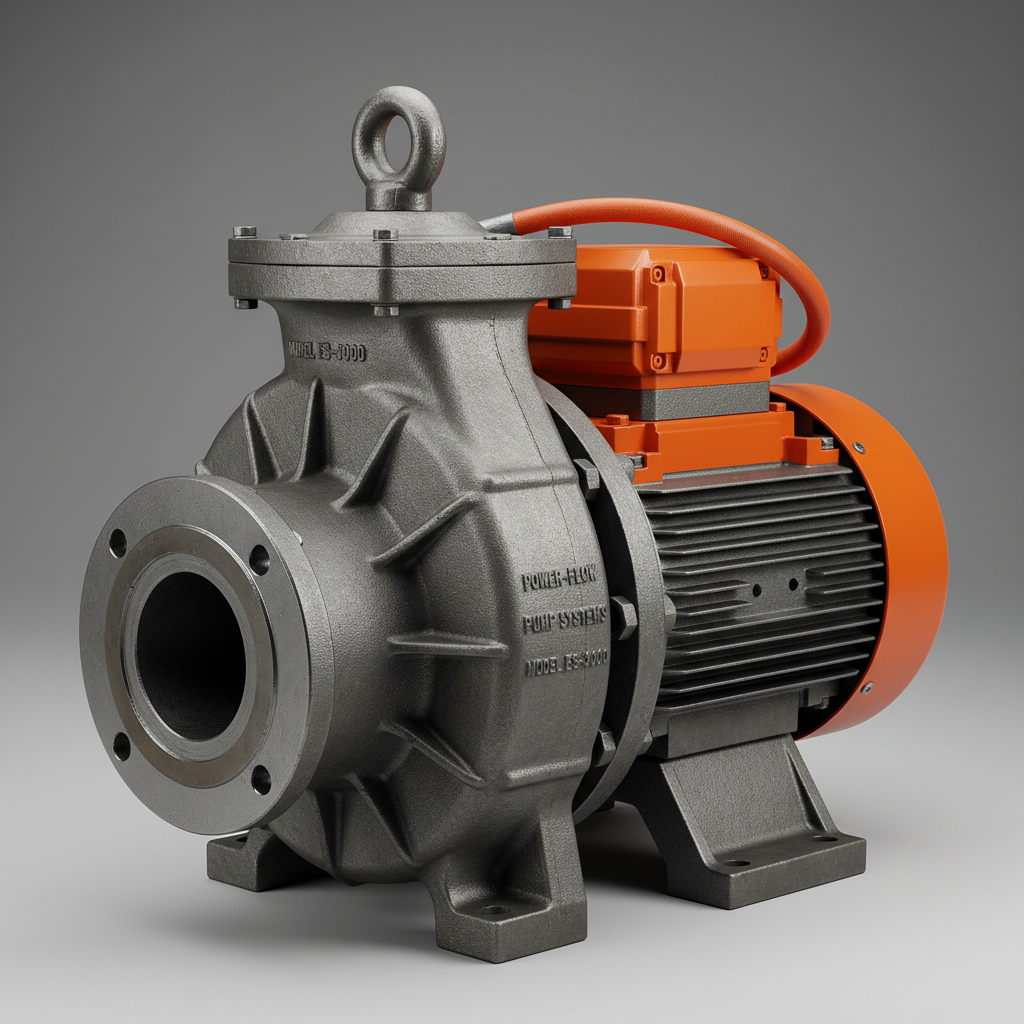
Selecting the right equipment for abrasive fluid transport often comes down to the precision of the pump design and the reliability of the manufacturing source. For industries dealing with high-density tailings or erosive slurries, identifying competent vertical slurry pump suppliers is not merely a procurement task, but a critical engineering decision that impacts long-term operational uptime.
The challenge in mineral processing and metallurgical operations lies in the extreme wear caused by hard metal particles. Vertical configurations are often preferred for their ability to handle sump applications and reduce the footprint of the installation, yet the performance of these systems varies wildly based on the materials used in the impeller and liners.
This analysis examines the technical benchmarks necessary when evaluating manufacturers, focusing on wear-resistance mechanisms and the structural integrity required to minimize maintenance in the most aggressive industrial environments.

The Engineering Logic Behind Vertical Slurry Configurations

Vertical slurry pumps are engineered to solve specific spatial and hydraulic problems, particularly in sump-style applications where fluid must be lifted from a depth. Unlike horizontal pumps, the vertical orientation allows for a more direct intake of heavy solids, reducing the risk of sedimentation at the suction point.
The structural design typically incorporates a heavy-duty column and a specialized impeller structure. A critical aspect of this engineering is the minimization of deflection and vibration; using a large diameter shaft with a short overhang ensures that the pump remains stable even when moving high-density, erosive materials at significant velocities.
From a maintenance perspective, the focus is on the "wear point." High-quality designs prioritize extra thick sections at these points and utilize interchangeable liners, allowing operators to replace only the eroded components rather than the entire casing, which significantly lowers the total cost of ownership.
Critical Material Specifications for High-Abrasive Environments
The longevity of a slurry pump is determined almost entirely by the synergy between its material composition and the nature of the slurry. Hard metal options, such as high-chrome alloys, are indispensable for high-density abrasive duties where the particles are large and sharp.
For chemical handling or specific tailings transportation, rubber-lined pumps offer superior protection. These elastomers provide a cushioning effect that prevents the metal casing from eroding, making them ideal for aggressive chemical applications or mill discharge where the slurry is highly corrosive.
Furthermore, the impeller design—whether moulded elastomer or hard metal—must be matched to the fluid's specific gravity. Deep side sealing vanes are often integrated to relieve seal pressure and minimize recirculation, which prevents internal wear and optimizes the pump's hydraulic efficiency.
Industrial Application Scenarios and Operational Demands
The deployment of vertical slurry pumps spans several critical sectors, each with unique operational stressors. In mineral processing, these pumps are frequently used for transporting tailings, where the slurry consists of fine crushed rock and water that acts as a powerful abrasive agent.
Metallurgical operations and coal preparation plants require pumps that can withstand high temperatures and varying chemical compositions. In these environments, the ability to implement a packed gland type shaft seal or a centrifugal seal is vital to eliminate the need for constant sealing water, reducing waste and operational complexity.
Power generation facilities also utilize these systems for ash handling. The requirement here is often for consistent, low-maintenance flow over long periods. The use of removable bearing cartridges and heavy-duty roller bearings ensures that the pump can operate under continuous load without frequent unplanned shutdowns.
Benchmarking Pump Performance and Wear Life Metrics
Evaluating the efficiency of a slurry pump requires looking beyond the flow rate. The primary metric is the "wear life" relative to the volume of material processed. A pump that lasts 12 months before liner replacement is exponentially more valuable than one that is 5% more energy-efficient but requires quarterly maintenance.
When comparing standard industry benchmarks against engineered solutions, the difference is most visible in the stability of the head pressure and the resistance to cavitation. High-precision impeller threads and tapered mating faces in hard metal liners ensure positive alignment, reducing turbulence and energy loss.
vertical slurry pump suppliers Performance Metrics
The data indicates that pumps with specialized high-chrome materials and optimized hydraulic seals maintain a higher percentage of their original efficiency over time, whereas standard units experience a sharp decline as the impeller geometry erodes.
Procurement Strategies for Industrial Pumping Systems
Procuring a vertical slurry pump is not about the lowest initial cost, but the lowest cost per ton of material moved. Decision-makers should prioritize suppliers who provide end-to-end solutions, including precise product selection based on slurry chemistry and installation support.
Verification of quality control is essential. Requesting physical and chemical property reports of materials for the pump’s main parts, rotor balancing reports, and hydrostatic test reports provides a verifiable baseline for the equipment's reliability before it reaches the site.
Additionally, consider the interchangeability of parts. A system where the impeller can be adjusted conveniently below the bearing housing and where wear liners can be easily removed for replacement will significantly reduce labor costs and downtime during maintenance cycles.
Innovations in Slurry Handling and Material Science
The industry is moving toward "intelligent wear monitoring" and the use of advanced composite materials. We are seeing a transition toward Ti and Ti alloy pumps in highly corrosive environments, which offer a strength-to-weight ratio and corrosion resistance far beyond traditional stainless steels.
Automation in pump selection is also increasing, where hydraulic modeling software can predict the exact wear rate based on the particle size distribution and velocity of the slurry. This allows for the customization of liner thickness to match the expected life cycle of the project.
Future developments may include self-lubricating bearing systems and high-temperature alloys capable of working smoothly at temperatures up to 400°C, expanding the utility of slurry pumps into deep geothermal and advanced chemical processing industries.
Comparative Analysis of Slurry Pump Technical Approaches
When evaluating different pumping strategies, it is crucial to match the technical approach to the specific slurry characteristics. A rubber-lined pump may be superior for fine particles, while a high-chrome pump is the only viable option for coarse, heavy-duty minerals.
The following table compares different technical configurations based on operational needs, helping procurement officers determine the most suitable solution for their specific application.
| Technical Approach | Primary Material | Best Use Case | Maintenance Cycle |
|---|---|---|---|
| Heavy Abrasive Duty | High-Chrome Alloy | Coarse Mineral Tailings | Extended Wear Life |
| Chemical Slurry | Moulded Elastomer | Corrosive Acid Slurries | Liner Replacement |
| High-Temperature | Ti / Ti-Alloy | Geothermal / Chemical | Specialized Inspection |
| Medium-Sized Duty | Cast Iron / Rubber | General Mining Waste | Standard Intervals |
| High-Density Flow | Hard Metal / Chrome | Thickened Tailings | High-Frequency Check |
| Sump Application | Composite / Metal | Pit Dewatering / Slurry | Modular Component Swap |
Ultimately, the selection should be based on a comprehensive analysis of the fluid's abrasive index and the required flow rate. Readers evaluating these technical requirements can review the detailed product range and engineering capabilities available through www.kingmechpump.com.
Frequently Asked Questions
Conclusion
The efficiency of abrasive material transport depends on the synergy between mechanical design, material science, and precise application matching. When evaluating vertical slurry pump suppliers, the focus must shift from initial procurement costs to the total lifecycle value, prioritizing wear resistance and maintenance accessibility.
By integrating high-chrome materials, optimizing impeller geometry, and ensuring rigorous quality control documentation, operators can significantly reduce unplanned downtime in mineral and metallurgical processes. For those seeking engineered solutions tailored to aggressive pumping duties, the technical resources at www.kingmechpump.com provide a comprehensive basis for system selection.