Email Us
sales@pumpkingmech.com
Email Us
sales@pumpkingmech.com07 January 2026
Having spent over a decade in the industrial equipment sector, I’ve seen my fair share of pumps. But when it comes to the abrasive handling pump, there’s something uniquely challenging—and fascinating—about the way these machines manage the unforgiving toughness of abrasive fluids.
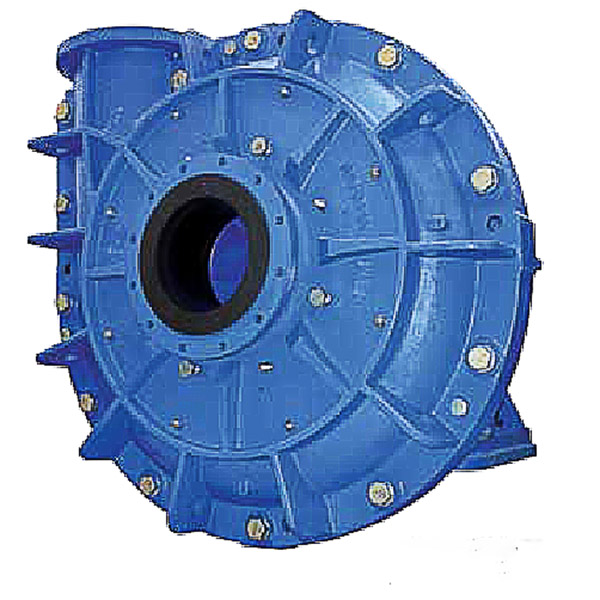
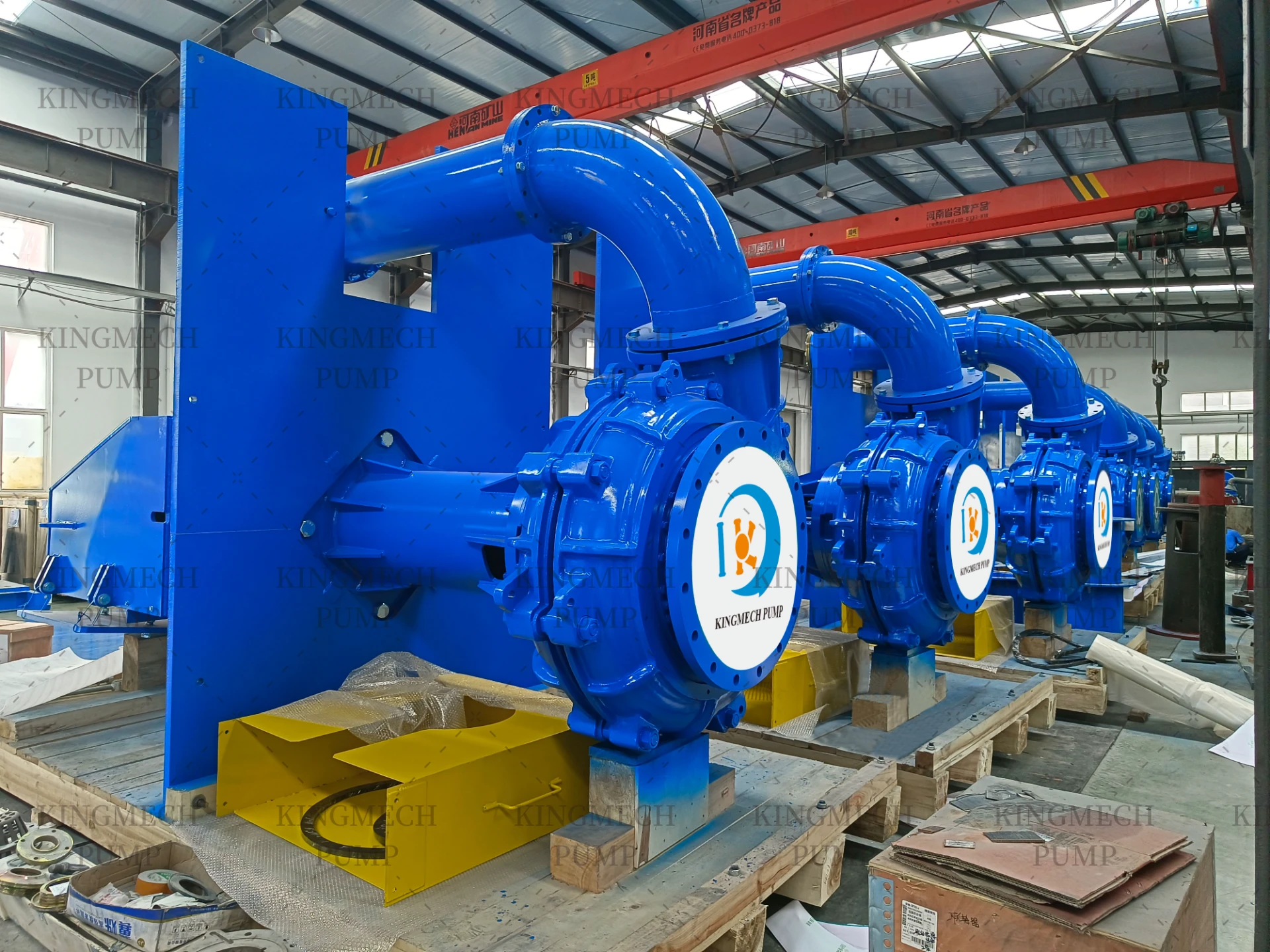
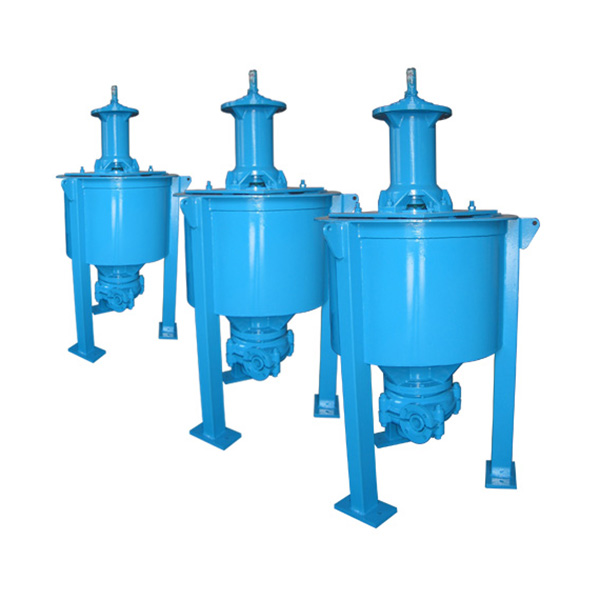
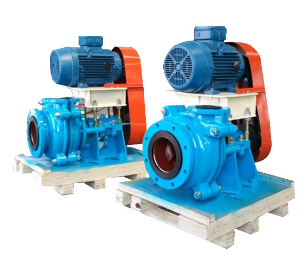
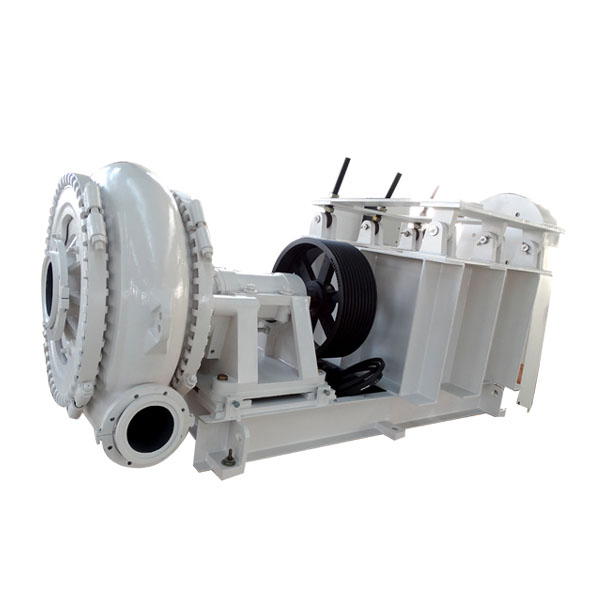
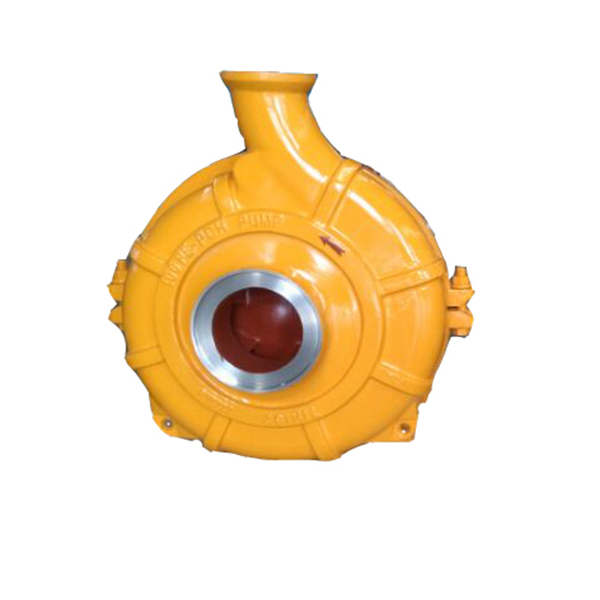
Now, abrasive handling pumps aren’t your run-of-the-mill gear. They’re designed to handle slurries laden with suspended solids—sand, grit, even mineral particles—that would tear down lesser pumps in no time. I always thought of them as the unsung heroes of mining operations, dredging, and chemical manufacturing, where reliability isn’t just nice to have; it’s critical.
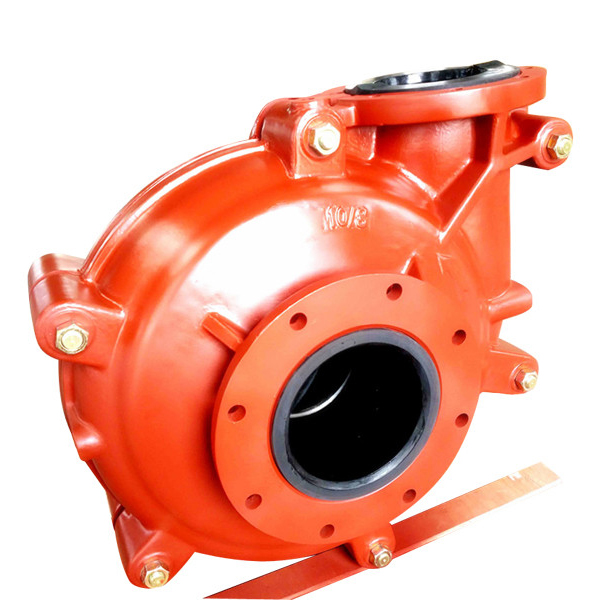
One thing I noticed early on: the choice of materials truly makes or breaks performance. Cast iron might do fine in cleaner environments, but for abrasive tasks, you often want high-chrome alloys or polyurethane linings to resist wear. Frankly, watching a pump body lose just a millimeter of thickness after a few months is humbling—it’s a vivid reminder that not all pumps are created equal.
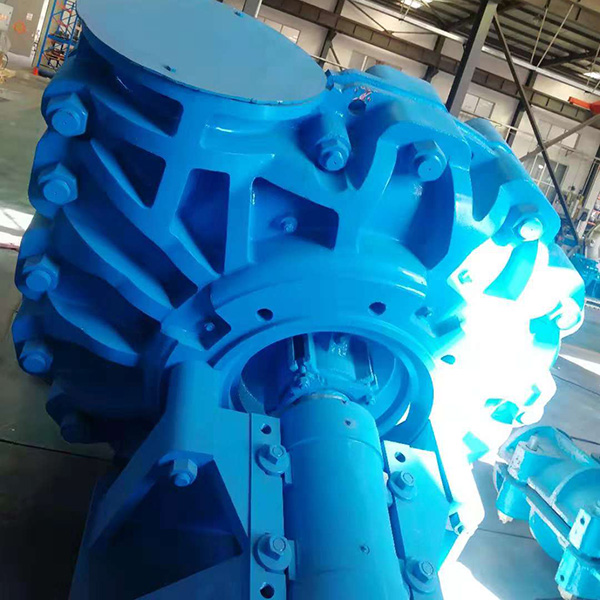
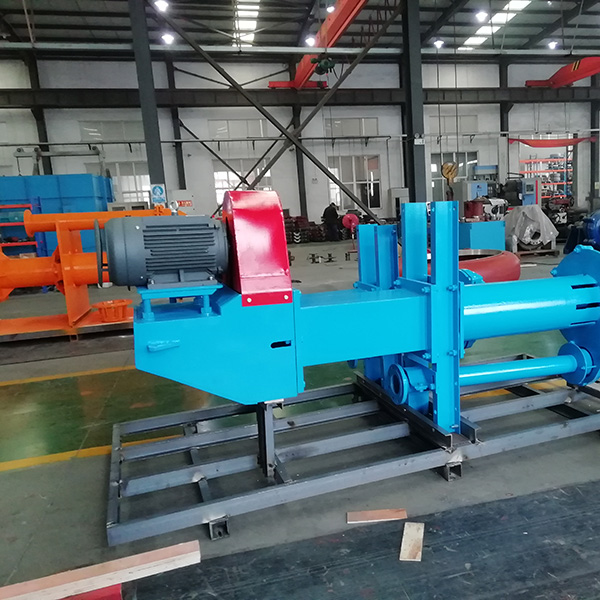
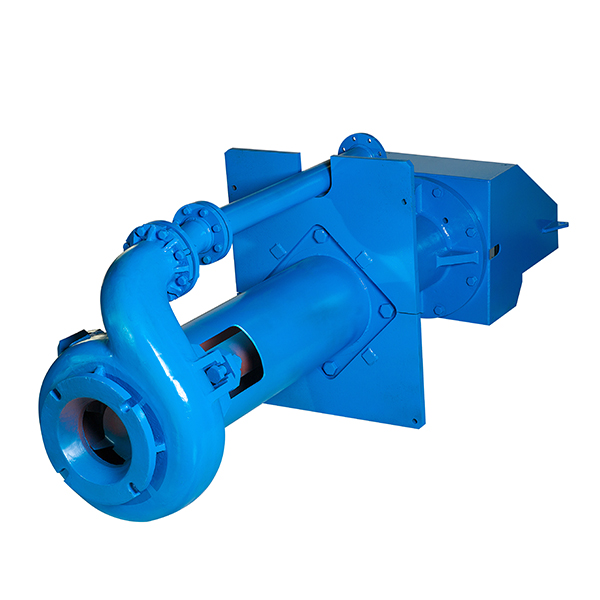
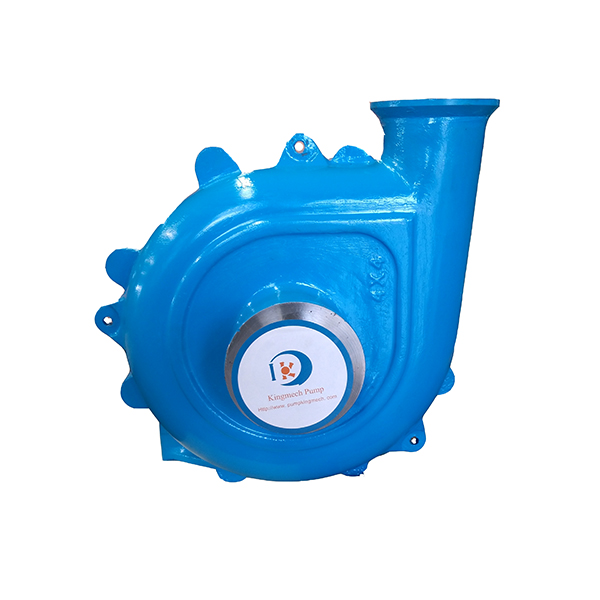
The design itself deserves respect. Many abrasive handling pumps feature a robust casing and replaceable wear parts like impellers and liners—sort of like having armor and shields that can be swapped out without whipping the whole pump offline. It’s a huge productivity boost when you’re running 24/7 operations. Oddly enough, some of the best-customized units come from smaller manufacturers who know their client’s setup intimately, rather than generic suppliers.
Speaking of customization, I’ve noticed that many engineers insist on tailoring the pump's components to the exact abrasiveness, particle size, and chemical properties of the fluid. One of my clients, a dredging company, struggled with wear until they switched to a pump with a ceramic-coated impeller—immediately doubled their service interval. Real-world wins like that stick with you.
Testing and quality control also play a huge role. In the field, you want a pump that not only meets specs but exceeds them under real abrasive loads. King Mech Pumps, for instance, rigorously tests their pumps against abrasive slurries that simulate worst-case scenarios, which frankly I respect—it’s one thing to pass a dry test, another to thrive in mud and grit.
| Parameter | Spec Range | Notes |
|---|---|---|
| Max Flow Rate | 100 to 600 m³/h | Varies by model and application |
| Max Head | 30 to 75 meters | Depends on impeller design |
| Material | High-chrome alloy, polyurethane lining | Wear-resistant options standard |
| Max Particle Size | Up to 10 mm | Important for impeller clearance |
| Operating Temperature | -10°C to 80°C | Tough enough for various industrial fluids |
For anyone venturing into abrasive handling pumps, vendor choice is key. I remember the finger-pointing and downtime when a generic supplier underestimated the slurry’s abrasiveness. To put it bluntly, you get what you pay for.
| Vendor | Material Options | Customization | Testing | Typical Industries |
|---|---|---|---|---|
| King Mech Pumps | High-chrome alloys, polyurethane lining | Extensive client-specific customization | Rigorous abrasive slurry tests | Mining, dredging, chemical |
| Generic Industrial Pumps | Standard cast iron, some alloy | Minimal customization | Basic factory testing | General industry |
| Custom Fabricators | Varies; often high-end alloys | Highly bespoke, project-based | Client-specific testing regimes | Mining, energy |
It feels like abrasive handling pumps are a continual balancing act: protecting components from the relentless cutting and grinding forces while maintaining efficiency. Of course, no solution is perfect. You’ll often trade a bit of flow rate for longer lifespan—and that’s a dialogue between engineers and operators that I find both complicated and rewarding.
In real terms, selecting a pump without understanding the slurry’s abrasiveness is just plain risky. That’s why I always recommend a deep consultation before buying. And if you want reliability with a proven track record, I’d check out the designs at King Mech Pump. I suppose you could call them craftsmen in an industry dominated by mass production.
If you’re curious or need advice on selecting the right abrasive handling pump—it’s a conversation I never get tired of.
Key takeaway: Invest in quality materials and trustworthy vendors to avoid costly downtime in abrasive slurry applications.