Industrial Cow Dung Slurry Pump Price and Selection Guide
Managing organic waste in agricultural and industrial settings requires pumping equipment that can handle high solids content without frequent clogging or premature wear. When evaluating the cow dung slurry pump price, procurement managers must look beyond the initial capital expenditure and focus on the Total Cost of Ownership (TCO), which includes energy efficiency, maintenance intervals, and the durability of wear liners. A pump designed specifically for heavy slurries prevents costly downtime in effluent treatment plants and livestock waste systems.
Hebei Xiangmai Pump Industry provides engineered solutions that balance robust construction with operational efficiency. By utilizing high-density elastomer liners and dynamically balanced impellers, our slurry pumps are capable of transporting abrasive organic matter while resisting the corrosive nature of agricultural runoff. Whether for mine dewatering or sugar industry effluent, the right configuration ensures a sustainable flow and reduced operational overhead.

Engineering Robustness for Abrasive Organic Slurry Transport
The transport of organic slurries, such as livestock waste, presents unique challenges due to the combination of abrasive particles and corrosive chemicals. To combat this, the casting materials are strategically selected based on pressure requirements: cast iron ASTM A48 Class 30 is utilized for 9 bar construction, while ductile iron ASTM A536 grade 65-45-12 is implemented for higher ratings of 16 and 35 bar. This ensures the pump housing can withstand significant internal pressures without structural failure.
A critical feature of these pumps is the use of field-replaceable elastomer liners. These liners are molded under high pressure to achieve maximum density and consistency, providing a sacrificial barrier that protects the main pump body from the scouring action of solids. When the liner eventually wears, it can be replaced on-site, significantly extending the life of the primary casting and reducing the need for complete pump replacements.
Furthermore, the impellers are designed as large-diameter, closed types. They are dynamically balanced to ensure smooth operation, which minimizes vibration and maximizes hydraulic efficiency. This precision engineering is essential for maintaining a steady flow rate when pumping thick, non-homogeneous slurry mixtures typical of agricultural waste.

Advanced Sealing and Bearing Protection Systems
Bearing failure is one of the leading causes of unplanned downtime in slurry pumping applications. Contamination from water, dirt, or the slurry itself can quickly degrade lubricants. To mitigate this, our ASD pumps employ a sophisticated three-barrier seal system. This system is specifically designed to protect the grease-lubricated cartridge assemblies from external contaminants, ensuring that the internal components remain pristine even in harsh environments.
The impeller-side seal assembly is often the most vulnerable point. In our design, pumps equipped with slurry-type mechanical seals feature an elastomer-lined tapered stuffing box. This geometry is critical as it helps dissipate local heat buildup and resists the abrasive effects of the slurry, preventing leaks that could otherwise nozzle high-pressure waste directly onto the bearing cartridge.
To support the heavy mechanical loads, the bearings are heavy-duty cylindrical and dual tapered roller designs. This configuration is engineered to provide maximum B-10 life, reducing the frequency of maintenance interventions and ensuring that the pump can operate continuously in critical process loops, such as effluent treatment plants or alumina refineries.
Versatile Application Scenarios and Operational Flexibility
The flexibility of a slurry pump is determined by its ability to adapt to different installation environments and fluid properties. Our pumps are designed to be field-convertible between wet and dry gland configurations, allowing operators to choose the sealing method that best fits their specific site requirements and available utility water.
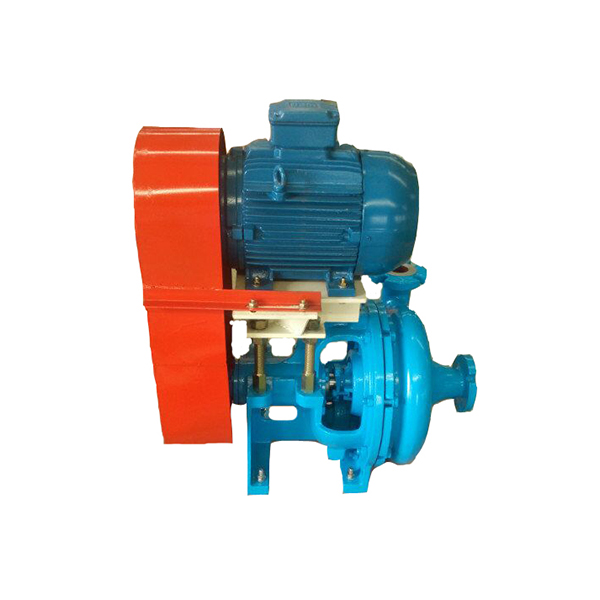
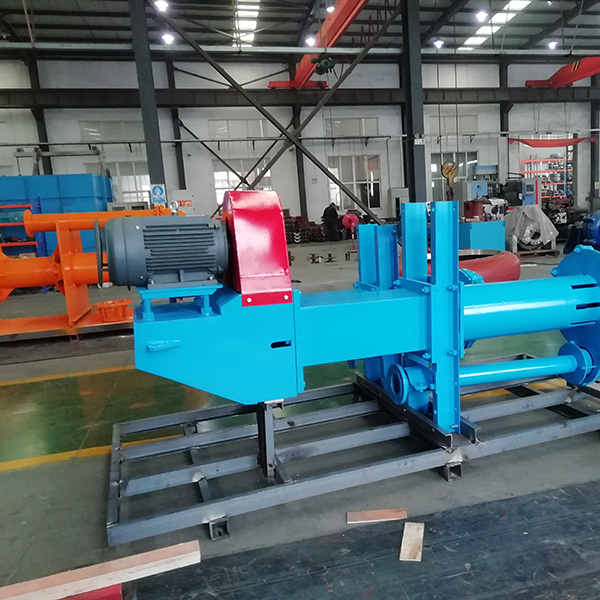
These pumps are highly effective across a broad spectrum of industries. In the sugar industry and effluent treatment plants, they handle the movement of thick process liquids. In mining, they are used for dewatering acidic or particle-contaminated water and transporting low-density, high-head tailings. The rigid casting of the pump pedestal allows for a secure bolt-on installation to foundation pads, accommodating mill-duty electric motors in piggyback or overhead mount configurations.
By matching the pump's material specifications to the chemical profile of the slurry—whether it be highly acidic mine water or neutral organic waste—operators can optimize the balance between pump longevity and initial cost. This application-driven approach ensures that the equipment performs reliably under the specific stresses of the target environment.
Technical Selection Matrix for Slurry Pumping Requirements
| Application Type | Recommended Material | Seal Configuration | Wear Level |
|---|---|---|---|
| Agricultural Slurry | Ductile Iron / Elastomer | Mechanical Seal | Medium |
| Mine Dewatering | ASTM A48 / High-Chrome | Wet Gland | High |
| Effluent Treatment | Cast Iron / Elastomer | Dry Gland | Low to Medium |
| Alumina Refineries | Ti Alloy / Specialized | Three-Barrier Seal | Very High |
| Tailings Transport | Ductile Iron / Chrome | Mechanical Seal | High |
Evaluating Supplier Capabilities and Quality Assurance
When selecting a pumping partner, the manufacturer's quality control (QC) framework is as important as the product specifications. Hebei Xiangmai Pump Industry operates a 14,000m² facility with a dedicated workforce of professionals and engineers. Our approach to quality is systemic, ensuring that every component—from the casting of the pedestal to the balancing of the impeller—meets stringent industrial standards.
We provide comprehensive quality control records to ensure transparency and reliability. This includes physical and chemical property reports of the materials used for main parts, rotor balancing reports to prevent vibration, and hydrostatic test reports to verify pressure integrity. A final pre-delivery inspection report is conducted on every unit to confirm that the pump meets all performance metrics before it leaves the factory.
Our global reach, serving over 50 countries and regions including Europe, Russia, and Southeast Asia, is a testament to the reliability of our engineered solutions. By partnering with major international firms like Anglo American plc and BHP Billiton Ltd, we have refined our ability to deliver pumps that operate smoothly under extreme conditions, including temperatures up to 400°C and heads up to 1000m.
Future Trends in Slurry Pumping and Procurement Strategies
The industry is moving toward smarter, more sustainable pumping solutions that reduce energy consumption while increasing the mean time between failures (MTBF). Innovation in materials, such as the development of advanced high-chrome and titanium alloy pumps, allows for the handling of increasingly aggressive slurries without compromising the structural integrity of the equipment.
For procurement teams, the strategy should shift from seeking the lowest unit price to analyzing the life-cycle cost. Investing in pumps with superior sealing systems and field-replaceable liners reduces the long-term expenditure on spare parts and labor. Furthermore, the ability to customize the pump configuration—such as selecting between different elastomer densities—can lead to significant gains in operational efficiency.
As industrial requirements evolve, the integration of self-lubrication stations and advanced bearing materials will become standard. Hebei Xiangmai Pump remains committed to innovation-driven development, expanding our capabilities to provide pumps with greater specifications and higher efficiency to meet the increasingly complex demands of global mineral and waste processing.
Frequently Asked Questions Regarding Slurry Pump Selection
What factors most influence the cow dung slurry pump price?
The price is primarily driven by the material of construction (e.g., cast iron vs. ductile iron), the pressure rating (9 bar vs. 35 bar), the type of sealing system used, and the specific requirements for elastomer liners to handle the abrasiveness of the organic waste.
Why are elastomer liners preferred for agricultural slurries?
Elastomer liners provide a flexible yet dense barrier that absorbs the impact of solids and resists corrosion better than bare metal. Because they are field-replaceable, they allow the pump to be refurbished quickly without needing to replace the entire casing.
How does the three-barrier seal system prevent bearing failure?
It creates multiple layers of protection that prevent water, dirt, and slurry from entering the grease-lubricated bearing cartridge. This isolation is critical because any contaminant entering the bearing can cause rapid wear and catastrophic failure.
Can these pumps handle high-temperature liquids?
Yes, our R&D team has developed specialized pumps capable of working smoothly at temperatures up to 400°C, although standard slurry pumps for agricultural use typically operate at much lower temperatures.
What is the difference between a wet gland and a dry gland configuration?
A wet gland uses a continuous flow of external water to flush the stuffing box and cool the seal, whereas a dry gland is designed to operate without external flushing, making it suitable for sites where water conservation is critical.
What quality reports should I request from a pump manufacturer?
You should request the physical and chemical property reports of materials, the rotor balancing report, the hydrostatic test report, and the final pre-delivery inspection report to ensure the pump meets engineering standards.
Technical References and Industry Standards
- ASTM International - Material Standards for Cast Iron and Ductile Iron
- ISO Standards for Industrial Centrifugal Pumps
- Global Pump Industry Technical Guidelines
- Environmental Protection Agency - Guidelines for Effluent Treatment
Selecting the right slurry pump is a balance of engineering precision and application knowledge. By focusing on material durability and sealing integrity, operators can ensure their waste management systems remain efficient and reliable. Contact our expert team today to receive a technical consultation and a tailored quotation based on your specific flow and pressure requirements.
Related Technical Solutions