Email Us
sales@pumpkingmech.com
Email Us
sales@pumpkingmech.com04 December 2025
At first glance, progressive cavity grouting and heavy abrasives slurry pumps might sound like jargon reserved for late-night engineering chats or dusty factory floors — but they're quietly reshaping major industries worldwide. From mining operations deep underground to large-scale construction projects and environmental remediation, these pumps offer innovative solutions for moving thick, abrasive, and gritty fluids that would otherwise gum up traditional machinery. Grasping how these systems work isn’t just technical nitpicking; it’s about unlocking safer, more efficient, and cost-effective processes that impact infrastructure, environmental safety, and even humanitarian efforts globally.
Worldwide, sectors like mining, oil & gas, and civil engineering grapple with transporting dense slurries and grout materials. According to the ISO, wear and tear from abrasive materials costs global industries billions annually just in downtime and maintenance. This fuels demand for pumps designed to handle extreme conditions without faltering. Meanwhile, the United Nations highlights sustainable infrastructure development as a key goal for 2030, where reliable pumping tech like progressive cavity pumps plays an understated yet vital role. Frankly, without these pumps’ ability to handle "nasty" slurries, projects could slow or fail, impacting livelihoods and the environment.
So what's the big fuss? The problem is simple yet brutal: abrasive slurries tend to destroy standard pumps, causing failures and spills. Enter the specialized progressive cavity grouting and heavy abrasives slurry pump—a solution tailored for durability and precision.
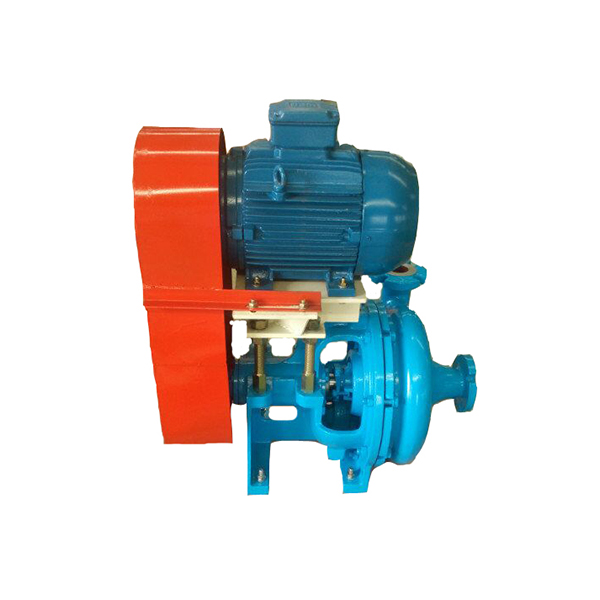
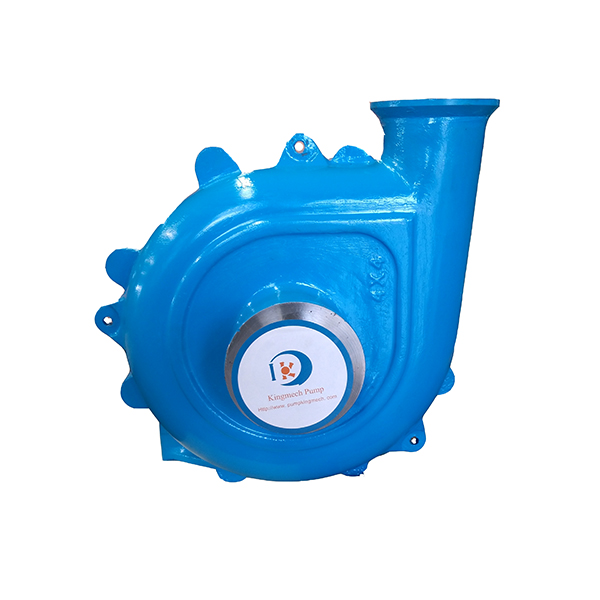
In plain speak, these are pumps that use a helical rotor inside a stator to create cavities that move fluid steadily, even if it’s full of solids or thick materials like grout or slurry laden with sand, rock fragments, or industrial waste. This design ensures a constant flow, minimal pulsation, and crucially, resistance against abrasive wear. It’s the go-to type of pump when progressively “pushing” through tough materials that would quickly jam centrifugal or diaphragm pumps.
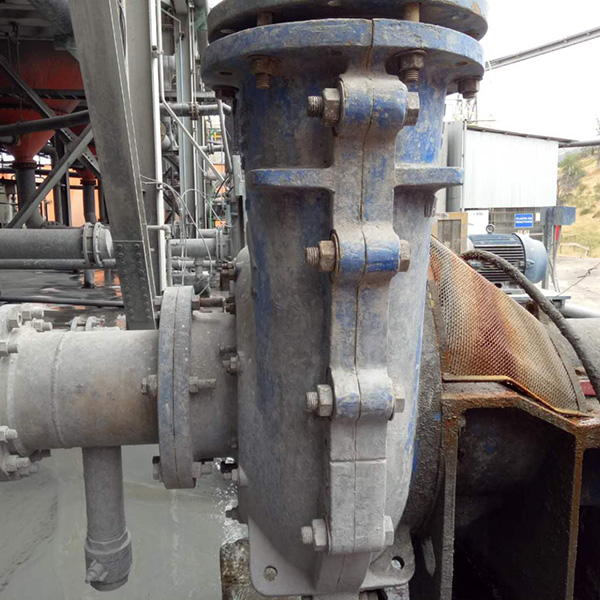
These pumps have become workhorses across civil engineering, mining extraction, tunneling, and even wastewater treatment—places where abrasive particles or viscous, chunk-filled fluids make traditional pumps cry uncle.
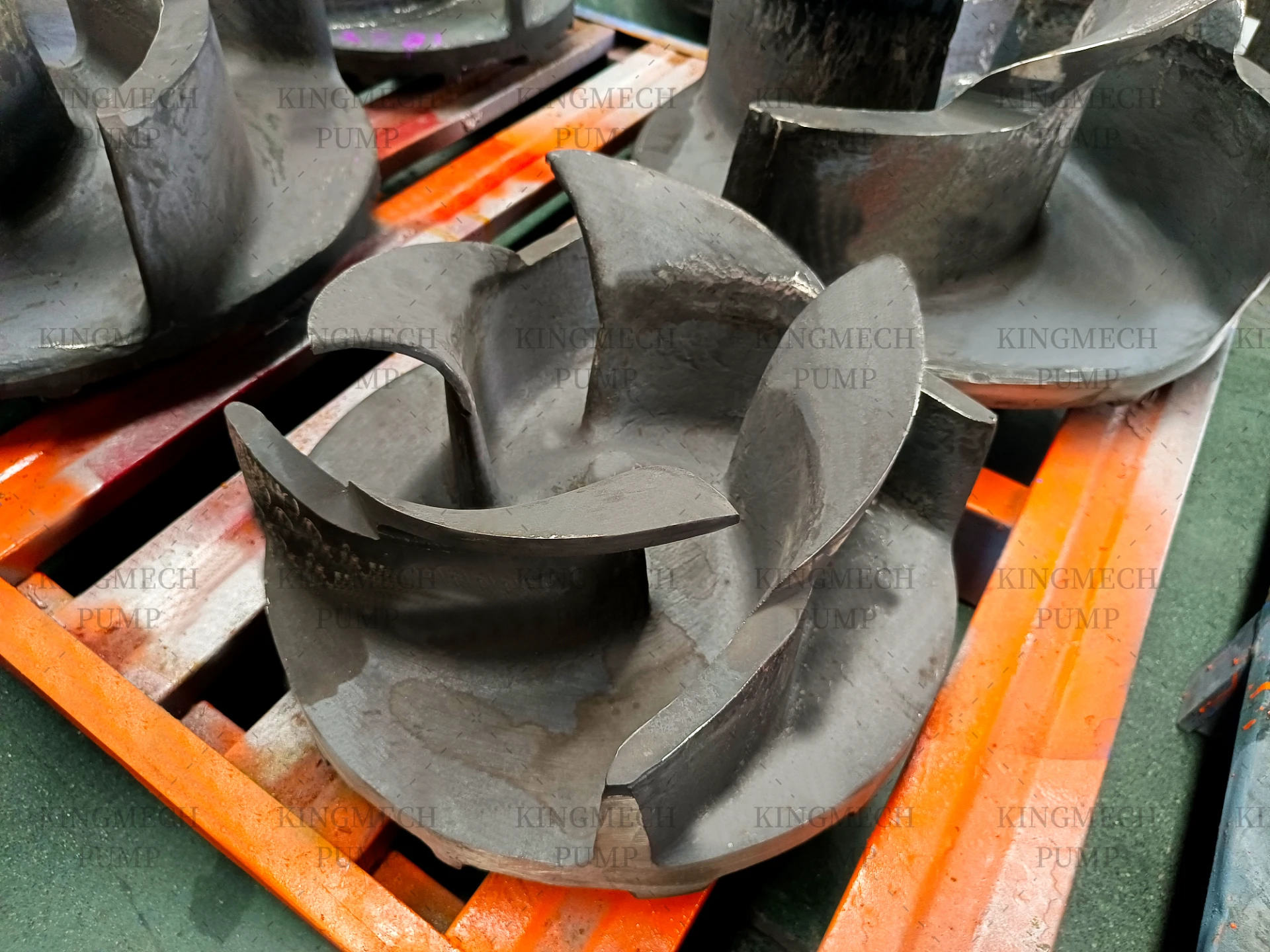
The heart of these pumps is high-grade elastomer-lined stators paired with hardened metal rotors, often made from chromium alloy or treated steel. This pairing drastically reduces wear, leading to longer service life and less downtime. Many operators report their pumps enduring abrasive slurries for months without major repairs—a godsend on remote sites.
Unlike centrifugal pumps that vary flow with pressure changes, progressive cavity pumps provide nearly constant flow rates regardless of viscosity or particle load. This precision means better control over grout injection or slurry transportation, which can be critical in sensitive applications like foundation stabilization or mine dewatering.
Whether moving tiny batches in a lab or tons of slurry in mining, these pumps come in multiple sizes and power ratings. Modular designs allow swapping stators or mechanical seals to suit specific applications, making it a flexible option for evolving project demands.
Upfront, these pumps might cost more, but when you consider reduced maintenance, fewer replacements, and avoided project delays, they often offer a significantly better total cost of ownership. It’s a classic case of paying smart now rather than expensive later.
Some advanced design pumps incorporate seal-less or dry-running technology, reducing leaks and environmental contamination risk. This kind of feature aligns well with global sustainability goals and stricter regulations in handling industrial waste or mining runoff.
Mini takeaway: Durability combined with flow precision and flexibility are the winning traits making progressive cavity grouting and heavy abrasives slurry pumps indispensable to heavy industries.
To give this some real-world grounding, let's consider a few prominent applications:
Oddly enough, despite their global reach, these pumps are often overlooked in news headlines but vital behind the scenes.
Using a progressive cavity grouting and heavy abrasives slurry pump can transform project economics and safety standards. The upfront robustness delivers fewer emergency repairs, fewer spills, and ultimately, a safer workplace. From an emotional standpoint, operators gain trust in equipment, reducing stress on tight schedules. On the logical side, companies see better sustainability metrics by minimizing waste and extending equipment life.
| Parameter | Specification |
|---|---|
| Flow Rate | 0.5 to 250 m³/h |
| Pressure Range | Up to 16 bar (240 psi) |
| Max Particle Size | Up to 50 mm |
| Temperature Range | -10°C to 90°C |
| Materials | Chromium steel, elastomer liners |
| Vendor | Strengths | Typical Applications | Price Range |
|---|---|---|---|
| King Mech Pump | Robust build, excellent abrasion resistance, customizable | Mining, grouting, heavy industry | $$$ |
| Smith Fluid Tech | Innovative sealing tech, automation-friendly | Wastewater, chemical processing | $$ |
| Global Pumps Inc. | Wide product range, quick delivery | Construction, infrastructure | $$ |
I noticed more engineers are embracing smart sensor integration for progressive cavity pumps — so you can predict wear before it turns into breakage. Green materials for stators, better sealing mechanisms to reduce leaks, and digital automation to control flow remotely are no longer science fiction. IoT-enabled monitoring aligns well with global sustainability drives and Industry 4.0’s push to digitize plant operations. On top of that, some companies develop bio-based elastomers that maintain durability while being less harmful to ecosystems, hinting at a greener future even in abrasive environments.
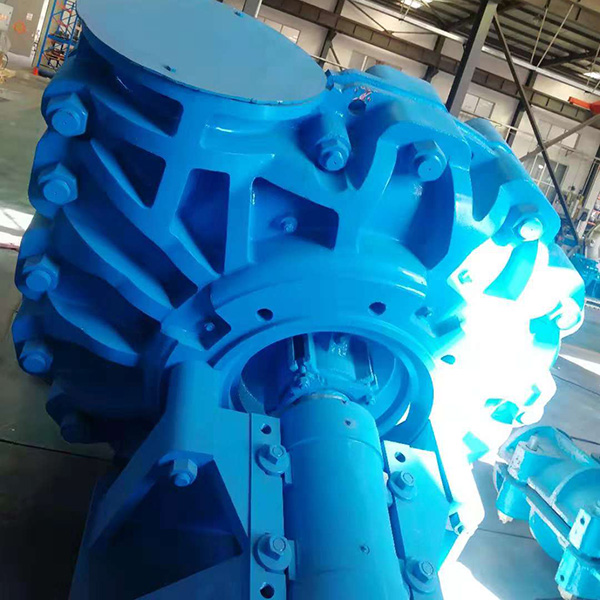
No tech is perfect, and these pumps are no exception. They can be costly at the start, and improper maintenance can lead to premature wear or stator damage. Some abrasive slurries with very large or sharp particles still push the limits. However, experts recommend comprehensive site assessments to select the right pump model and proactive maintenance using condition monitoring tools. Also, advanced stator materials and split casing designs are innovating ease of servicing and longevity.
In real terms, progressive cavity grouting and heavy abrasives slurry pumps might not be the flashiest tech, but they’re quiet heroes enabling critical infrastructure, resource extraction, and environmental protection worldwide. What I find fascinating is their blend of mechanical simplicity and industrial muscle — an elegant solution to a gritty problem.
If you want to explore advanced pump options tailored for your projects, do visit progressive cavity grouting and heavy abrasives slurry pump specialists like King Mech Pump for smart advice and custom configs.
References:
1. Wikipedia: Progressive Cavity Pump
2. ISO Standards on Pump Testing
3. United Nations Sustainable Development Goals