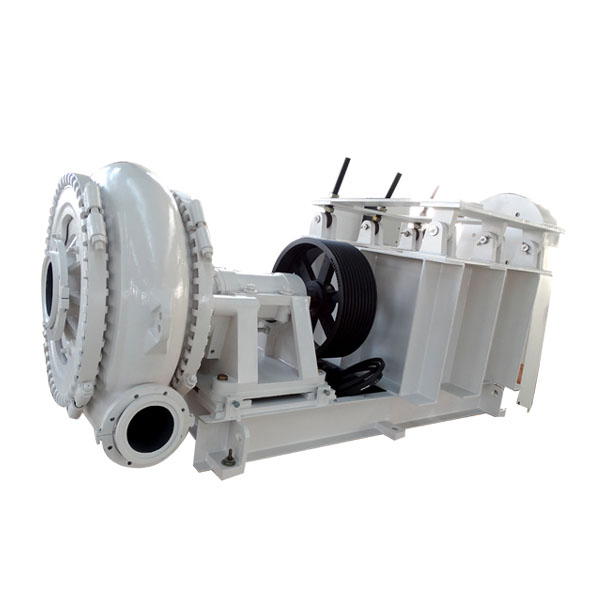
Understanding Heavy Duty Slurry Pumps: Why They Matter Worldwide
Heavy duty slurry pumps might not be a phrase you toss around at a dinner party, but their role in global industry is quietly monumental. Essentially, these pumps transport abrasive mixtures—think of a murky cocktail of water and solids—from one spot to another without clogs or breakdowns. They’re a backbone in mining, construction, wastewater management, and even disaster relief situations. With global industrial expansion and environmental challenges mounting, grasping the ins and outs of these pumps helps businesses stay efficient, safe, and sustainable.
Think of slurry pumps as the unsung heroes moving tons of gritty liquid material where it’s needed—often under tough, unpredictable conditions. Without them, whole industries slow down, costs skyrocket, and sometimes, communities suffer.
The Global Landscape: Why Heavy Duty Slurry Pumps Are Vital Now More Than Ever
In 2023, the global mining sector alone extracted over 18 billion tons of mineral ore—an immense volume requiring resilient slurry pump systems to move around tailings and slurry safely[^1^]. Rapid urbanization and infrastructural projects in Asia-Pacific and Africa fuel this demand further. The United Nations Environment Programme cites that improper handling of slurry can contaminate water sources, creating critical environmental hazards[^2^].
Heavy duty slurry pumps help alleviate some of these risks by ensuring reliable transport of abrasive waste and materials, mitigating spills, and enabling efficient recycling processes. As natural resource extraction grows while balancing sustainability, these pumps solve a pressing puzzle.
What Is a Heavy Duty Slurry Pump, Anyway?
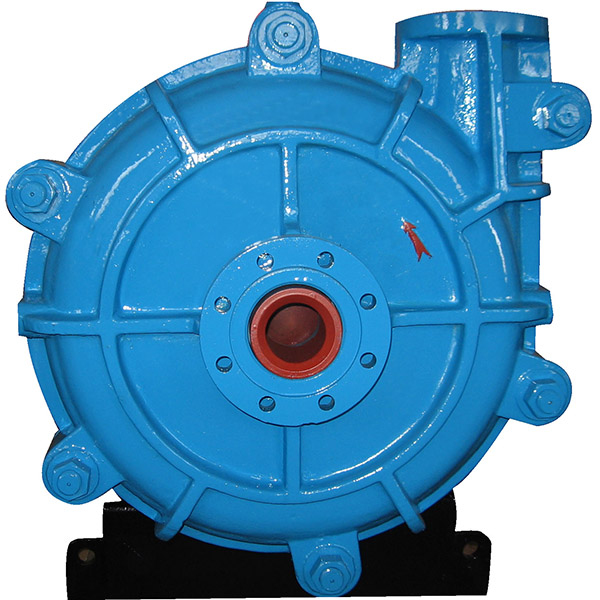
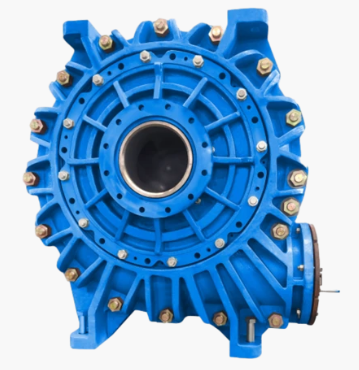
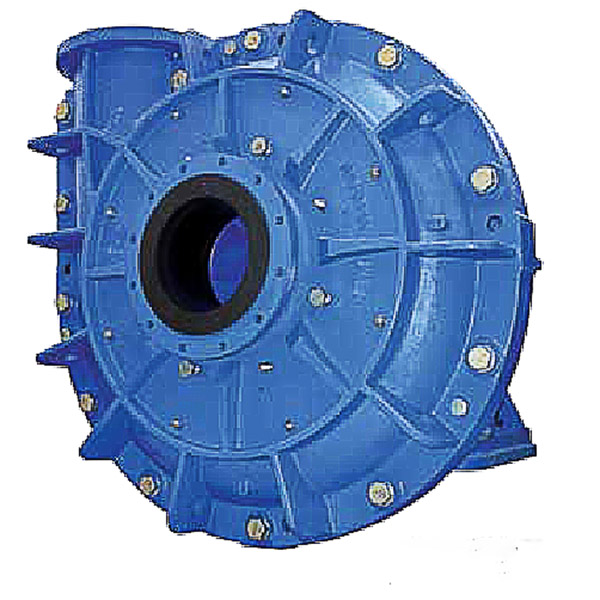
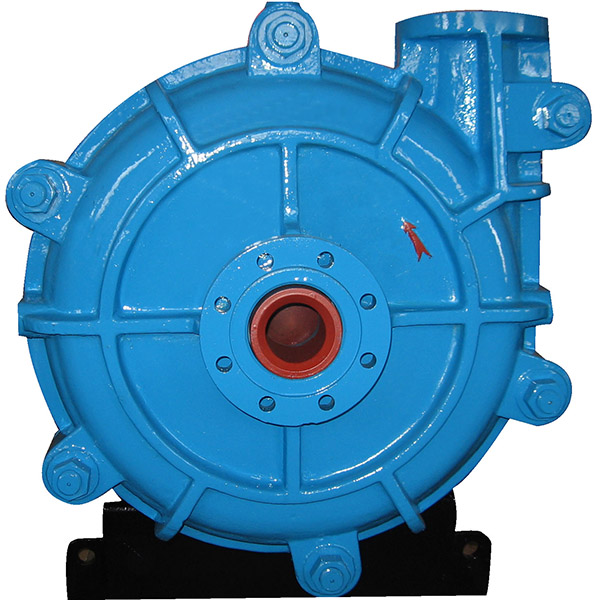
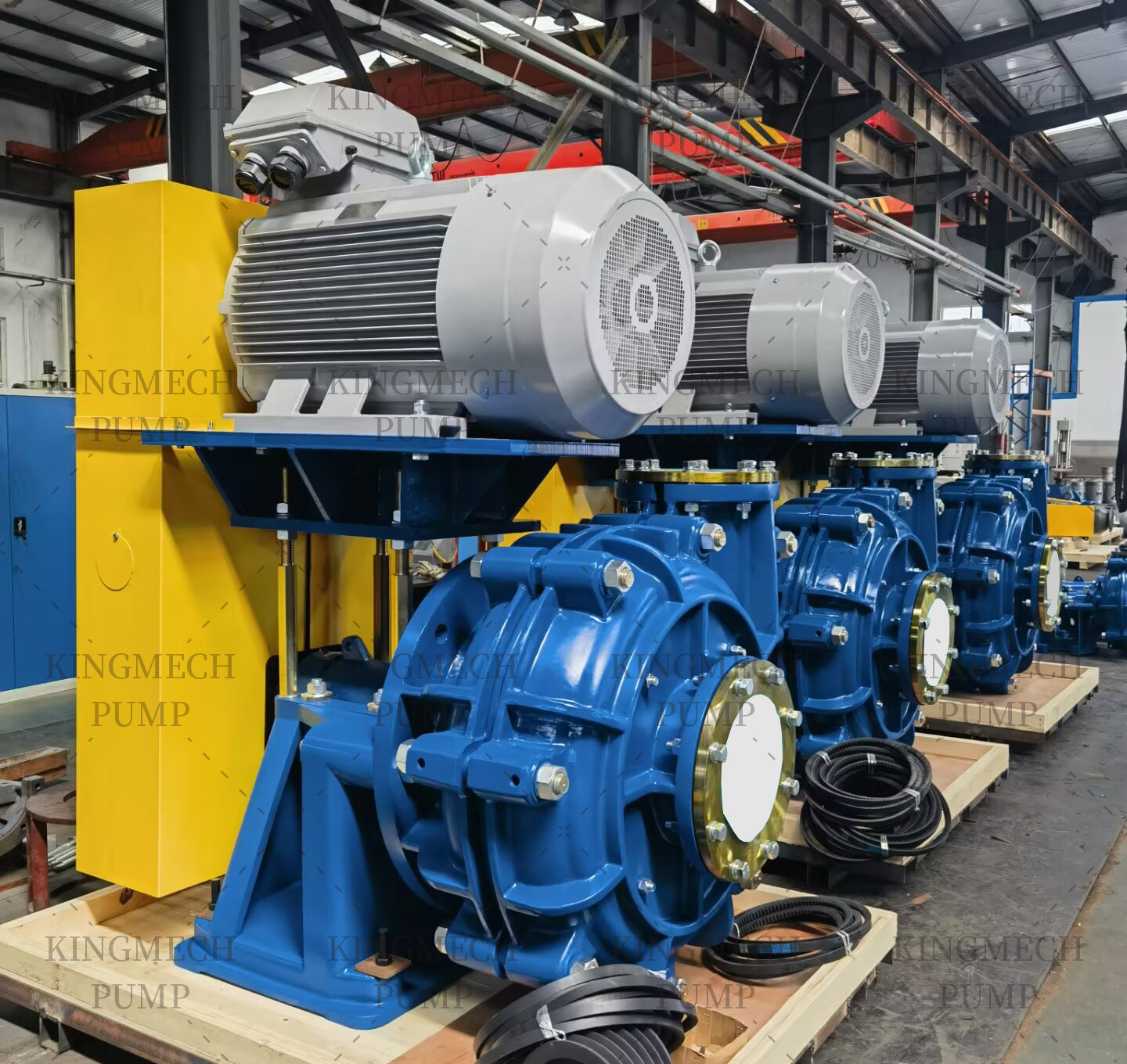
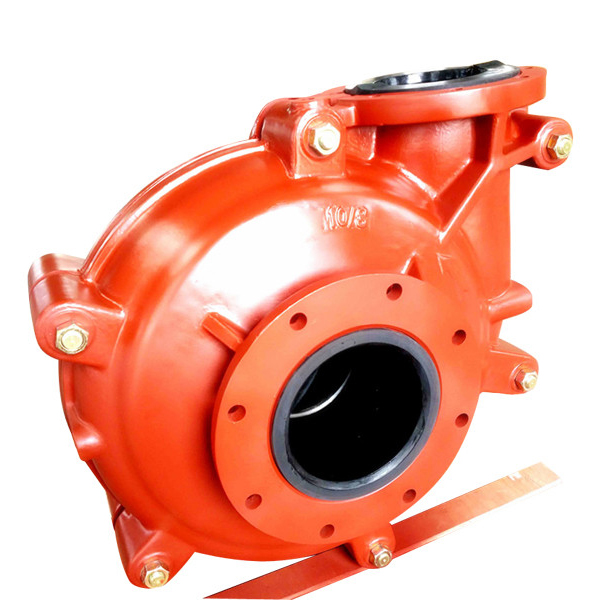
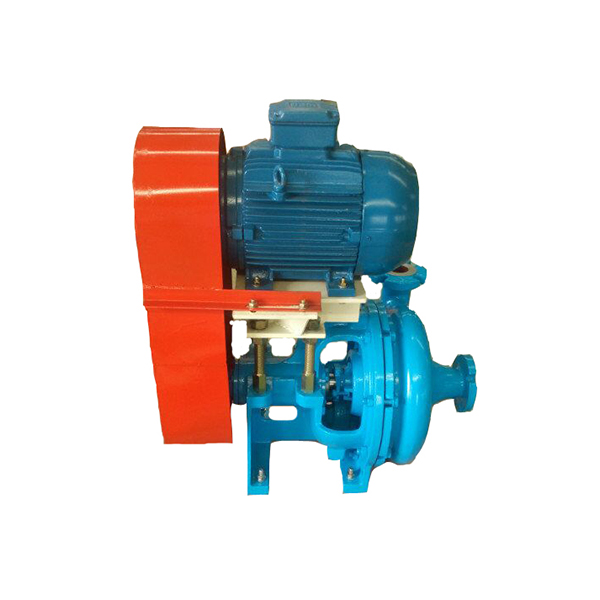
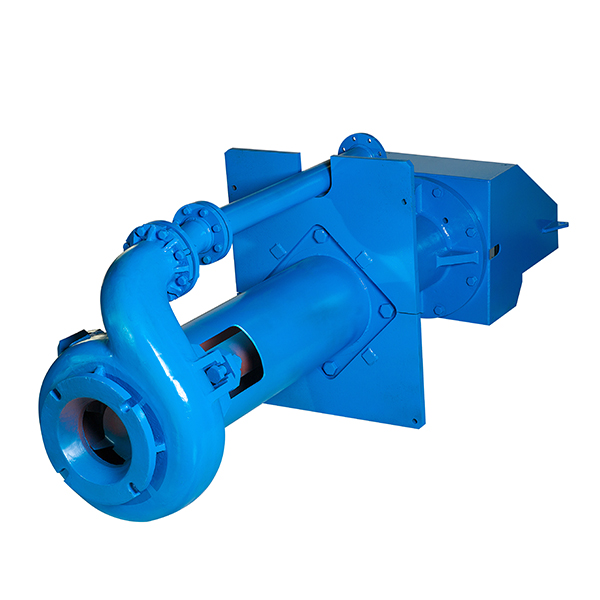
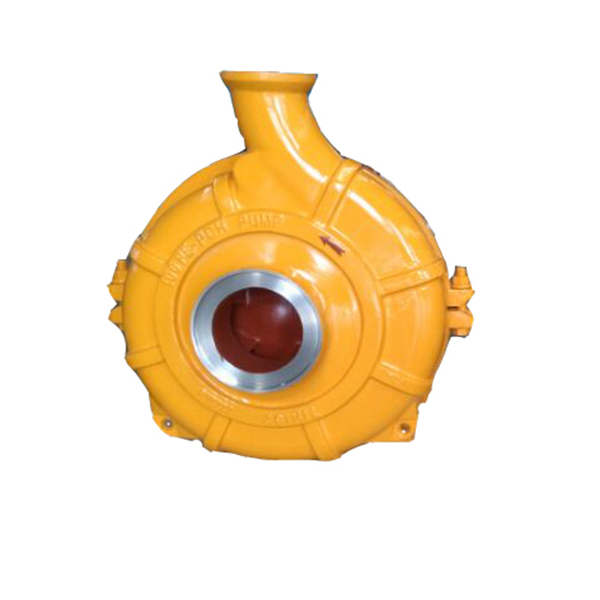
At its heart, a heavy duty slurry pump is a specially engineered centrifugal pump designed to handle liquids filled with solid particles—ranging from sand and gravel to coal and ore. Unlike standard pumps that’d fail or clog quickly, these are built tough with abrasion-resistant parts, often using high-chrome alloys or specialized rubber linings.
Why does it matter for modern industry? Because so many processes—whether digging precious metals or treating wastewater—rely on moving not just clean liquids but thick, gritty sludges. These pumps keep the machinery running when conditions get rough, often at 24/7 operational sites.
Key Factors That Make Heavy Duty Slurry Pumps Tick
Durability
The biggest factor? Resist wear and tear caused by abrasive particles. Manufacturers use high-quality materials and precision casting to ensure the pump parts last far longer than generic alternatives.
Performance & Efficiency
They need to move incredibly dense slurries without losing flow or increasing power consumption unnecessarily. A well-designed pump operates smoothly, lowering energy bills and maintenance.
Versatility
From finely ground tailings to chunky mining residues, these pumps accommodate varied slurry consistencies and particle sizes. Swappable liners and impeller options tailor performance.
Corrosion Resistance
Because many slurries are chemically aggressive, corrosion resistance is as critical as abrasion. Mixed metals and coatings defend against breakdown.
Serviceability
Heavy duty slurry pumps aren’t meant to be tossed at the first hiccup. Easy maintenance and quick part replacements mean less downtime, a boon for busy plants.
Mini Takeaway: If you’re thinking “what makes one slurry pump better than another,” durability, tailored performance, and, importantly, how easy it is to keep it running smoothly should top your list.
Where in the World Are These Pumps Saving the Day?
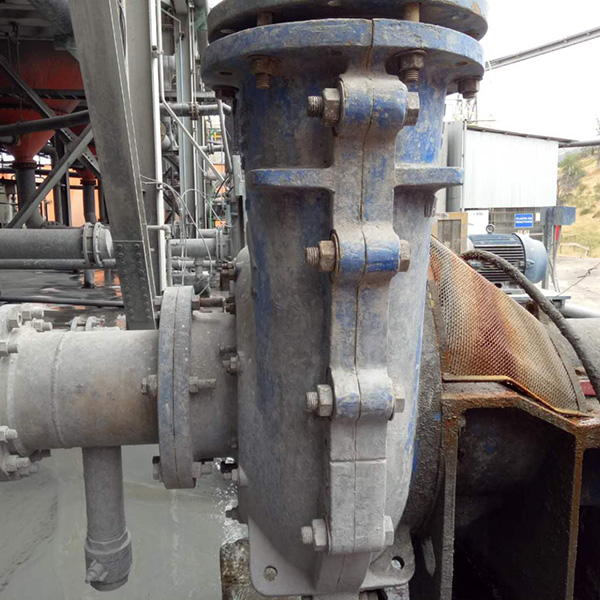
Mining hotspots like Western Australia, South Africa, and Chile rely heavily on these pumps to haul slurry through lengthy pipelines—often over rugged terrain. Construction companies moving muddy sludges for hydroelectric dam projects in the Amazon face similar challenges.
Strangely enough, heavy duty slurry pumps also appear in humanitarian contexts. Post-disaster scenarios require rapid movement of debris-laden water or sludge to prevent flooding and health hazards. Relief organizations sometimes deploy mobile slurry pump setups for emergency cleanups.
Environmental treatment plants from Europe to Asia count on heavy duty pumps for sludge management, so wastewater doesn’t become an ecological problem.
Example Case:
A gold mining operation in Ghana reported reducing downtime by 30% and cutting energy use 18% after switching to heavy duty slurry pumps with optimized impeller designs and corrosion-resistant materials. This meant more reliable output and safer working conditions.
The Real Advantages of Choosing Heavy Duty Slurry Pumps
Aside from the obvious mechanical reliability, these pumps can yield significant cost savings in the long run. You avoid constant equipment replacements and emergency repairs, which can spiral unexpectedly.
Environmentally, their efficiency supports sustainability goals. Pumping slurry properly prevents toxic leaks and supports recycling spent materials.
On a more human level, safer, more reliable pumps mean fewer accidents and less environmental damage—translating into dignity and trust in industrial communities.
Plus, when innovation sneaks in—think digital monitoring to predict failures before they happen—the gains multiply.
Looking Ahead: Innovations Shaping Heavy Duty Slurry Pumps
The future is pretty exciting. Manufacturers are embedding sensors for real-time vibration and temperature tracking, pushing predictive maintenance into overdrive. We’re also seeing new materials like ultra-hard ceramics and composite liners that could extend lifespan by years.
Renewable energy integration—like solar-powered pumping stations—is gaining traction, addressing carbon footprint concerns in remote mining regions.
Automation and remote operation technologies promise to reduce human exposure to hazardous environments, making work safer and more efficient.
The Challenges Still Playing Catch-Up
Heavy duty slurry pumps aren’t flawless. Abrasive wear, especially in extreme conditions, still eats away components over time. Costs for premium materials can be high upfront, making adoption slow in budget-limited projects.
Additionally, complex slurry mixtures sometimes clog or jam equipment despite all precautions.
A neat trick some engineers use is custom-designing pumps with modular parts for quick replacement and tweaking. Others combine advanced coatings and digital monitoring for smarter upkeep.
Frequently Asked Questions About Heavy Duty Slurry Pumps
Q1: How do heavy duty slurry pumps differ from standard pumps?
A1: Heavy duty slurry pumps are specially built to handle thick mixtures containing abrasive solids, using reinforced materials and designs that prevent clogging and wear, unlike standard pumps which quickly fail under such conditions.
Q2: What industries benefit most from heavy duty slurry pumps?
A2: Mining, construction, wastewater treatment, dredging, and disaster relief operations are primary users. Anywhere moving abrasive slurry safely and efficiently is critical.
Q3: How often should slurry pump parts be inspected or replaced?
A3: It depends on slurry abrasiveness and workload, but typically, monthly inspections and liner replacements every 6-12 months optimize longevity and reduce surprise breakdowns.
Q4: Are there eco-friendly options for slurry pumping?
A4: Yes. Pumps designed for energy efficiency, paired with solar or green energy sources and corrosion-resistant, recyclable materials, contribute to sustainable operations.
Q5: How do I select the right heavy duty slurry pump for my application?
A5: Consider slurry concentration, particle size, flow rate, and chemical composition. Consulting suppliers with tailored engineering solutions ensures you get the best fit.
Product Specification Table: Leading Heavy Duty Slurry Pump Model (Example)
| Specification |
Detail |
| Flow Rate |
Up to 600 m³/h |
| Max Particle Size |
70 mm |
| Pressure Rating |
Up to 10 bar |
| Material |
High Chrome Alloy (A05) |
| Impeller Diameter |
250–450 mm |
| Seal Type |
Mechanical, expeller, or packed gland |
Comparing Top Vendors of Heavy Duty Slurry Pumps
| Vendor |
Material Options |
Customization Level |
After-Sales Service |
Lead Time |
| Kingmech Pump |
High Chrome, Rubber Lined |
High – bespoke projects available |
24/7 Support & Spare Parts |
6–8 weeks |
| ABC Pumps Ltd. |
Alloy & Composite |
Medium |
Business Hours Support |
8–12 weeks |
| XYZ Industrial Pumps |
Primarily Rubber Lined |
Low – Standard Models |
Limited Service Network |
4–6 weeks |
Wrapping it Up: The Takeaway on Heavy Duty Slurry Pumps
If I had to sum it up, heavy duty slurry pumps are the gritty workhorses of modern industry—ensuring that abrasive mixtures move smoothly through extraction sites, treatment plants, and even crisis zones. Their robust designs, growing sophistication, and growing role in sustainability show no signs of slowing down. For companies and organizations seeking reliability, cost savings, and environmental responsibility, these pumps aren’t just equipment—they’re an essential investment in operational success.
To explore high-performance models and custom solutions, why not check out
heavy duty slurry pumps? Sometimes, the right pump makes all the difference.
References:
1. World Mining Data 2023 – International Organizing Committee
2. United Nations Environment Programme (UNEP) 2022 Report on Industrial Waste
3. ISO 5199:2015 Pumps – Technical specifications for slurry pumps