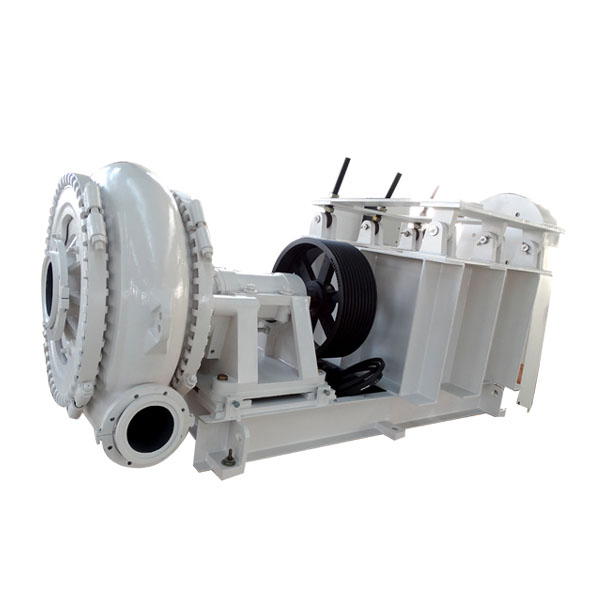
Advanced Engine Driven Slurry Pump Solutions for Myanmar's Mining Sector

High-performance pumping systems engineered to withstand the rigorous abrasive environments of Myanmar's industrial and mining landscapes.

Advanced Engine Driven Slurry Pump Solutions for Myanmar's Mining Sector

Providing Myanmar's heavy industry with robust, wear-resistant pumping technology to handle extreme slurry concentrations and abrasive materials effectively.

Industrial Pumping Landscape in Myanmar

Analyzing the operational challenges of slurry management in Southeast Asia's emerging markets.

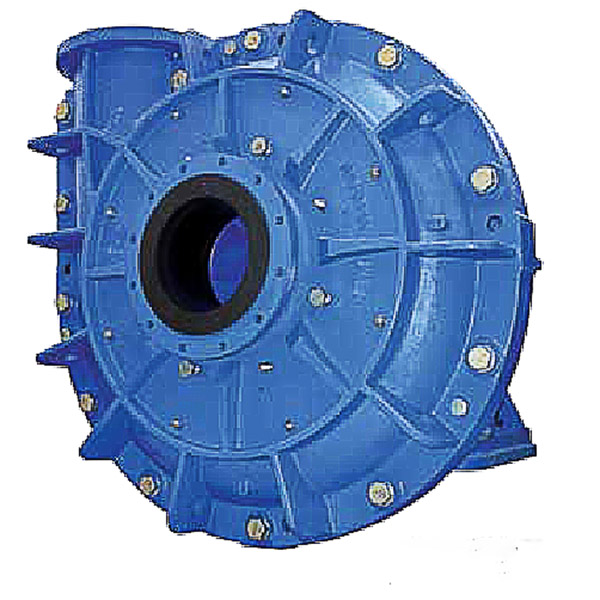
Myanmar's industrial landscape is characterized by intensive mining and mineral processing. The prevalence of abrasive ores requires specialized equipment like the ceramic slurry pump to reduce downtime caused by rapid component wear in high-velocity flows.

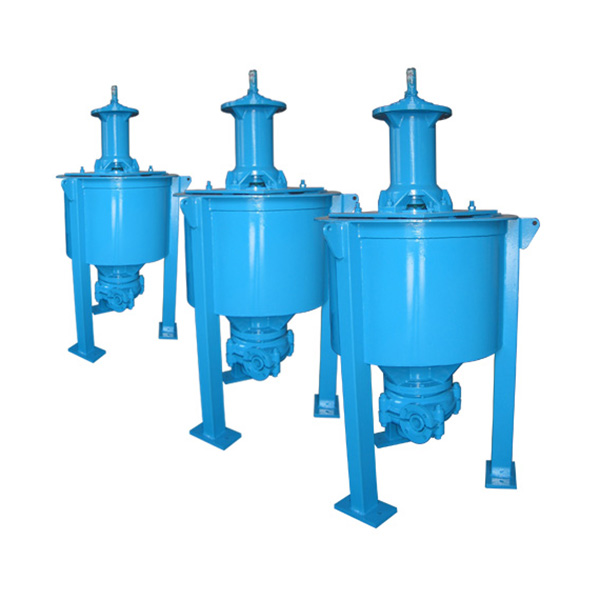
Geographically, the monsoon season introduces significant challenges, leading to massive amounts of silt-laden runoff. This creates a critical demand for a reliable dirty water slurry pump capable of handling floating solids and erratic fluid densities without clogging.

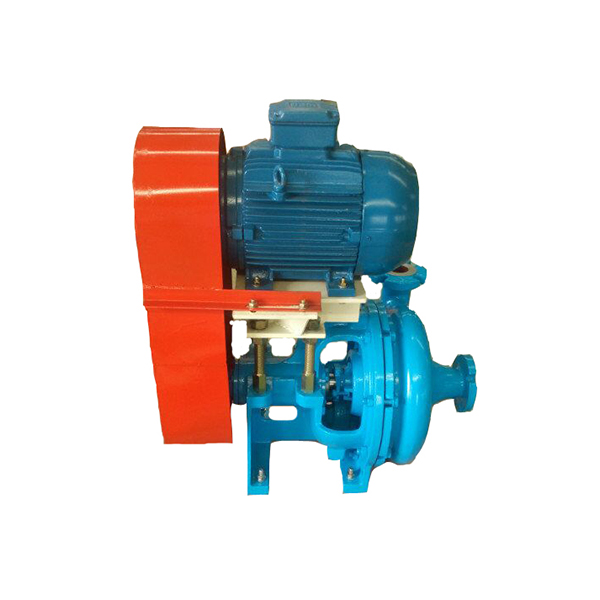
Furthermore, in remote mining regions where electrical infrastructure is unstable or non-existent, the reliance on autonomous power sources has made the engine driven slurry pump the gold standard for site mobilization and emergency dredging operations.
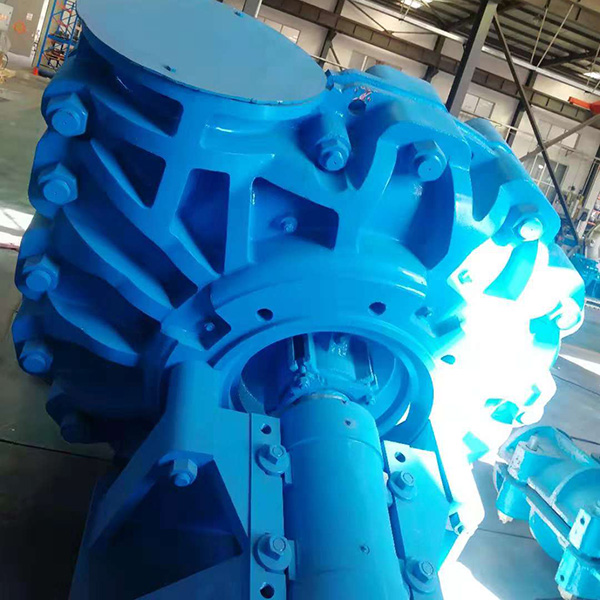
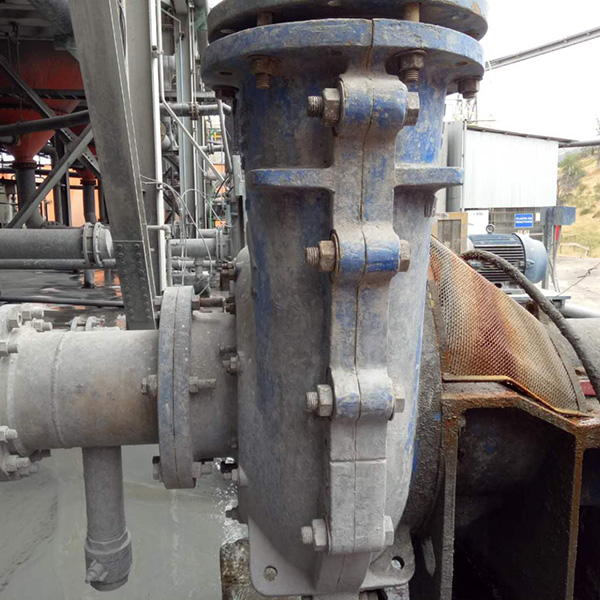
Evolution of Slurry Transport Technology

From basic cast iron pumps to advanced material science and intelligent drive systems.

Market Development History

During the late 20th century, Myanmar's pumping sector relied on generic centrifugal pumps. These suffered frequent failures when exposed to heavy minerals, leading to high maintenance costs and inefficient production cycles.

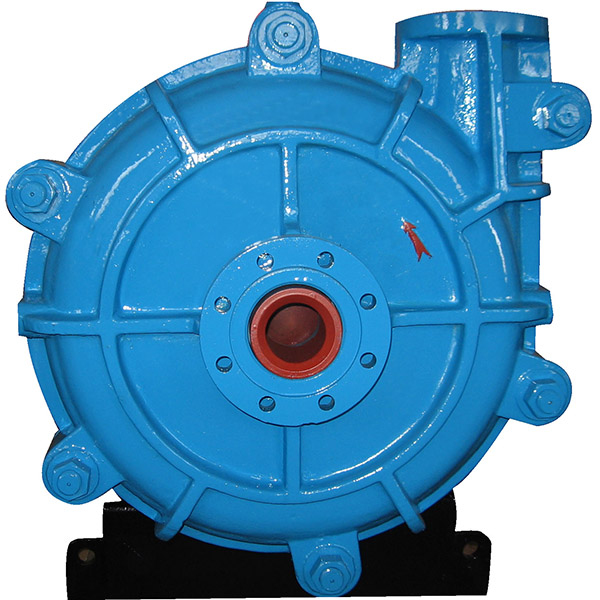
Between 2010 and 2020, the transition toward specialized metallurgy began. The introduction of high-chrome alloys and the heavy sludge pump allowed operators to move denser materials with lower energy consumption and increased mean time between failures (MTBF).

In recent years, the shift has moved toward application-specific engineering. The emergence of battery mineral processing has catalyzed the demand for a precision lithium slurry pump, requiring tighter tolerances and chemical resistance.

Future Development Trends

Smart Wear Monitoring

Integration of IoT sensors to monitor liner thickness in real-time, predicting failure before it occurs in critical slurry lines.

Eco-Efficient Powering

Transitioning toward hybrid diesel-electric drives to reduce carbon footprints in remote Myanmar mining sites.

Advanced Ceramic Composites

Development of nano-ceramic coatings to further extend the life of impellers when handling ultra-abrasive tailings.

Industry Trends and Future Outlook

Strategic foresight into the pumping requirements of Myanmar's industrial evolution.

High-Density Material Handling
Increasing focus on pumps that can handle higher solid-to-liquid ratios to reduce water consumption in mining.
Energy Optimization
Shift towards variable frequency drives (VFD) to match pump output with real-time process demands.
Modular Design
Rapid-deployment pump modules for agile mining operations in changing terrain.
Chemical-Resistant Materials
Development of specialized liners for the lithium and rare earth metal extraction sectors.

Industry Outlook

The trajectory for Myanmar's pumping industry is moving toward "Precision Robustness." While the equipment must remain rugged, there is a growing demand for efficiency gains that align with international environmental standards.

We anticipate a surge in the adoption of automated slurry control systems, reducing human exposure to hazardous materials and optimizing the lifecycle of wearable components in heavy sludge pump applications.

Localized Application Scenarios in Myanmar

Practical deployments of slurry pumping technology across Myanmar's key industries.

1. Rare Earth Mineral Processing

Utilizing a lithium slurry pump in specialized extraction plants to handle chemical-rich slurries with high precision and zero contamination.

2. Remote Gold Mining Operations

Deployment of engine driven slurry pump units for tailings management in areas without grid power, ensuring continuous operation in the highlands.

3. Urban Drainage and Flood Control

Implementation of dirty water slurry pump systems in Yangon and Mandalay to clear sediment-heavy floodwaters during monsoon peaks.

4. Heavy Metal Smelting Slag Removal

Using a heavy sludge pump to transport dense metallurgical waste from furnaces to disposal ponds efficiently.

5. High-Abrasive Sand Dredging

Application of the ceramic slurry pump for riverbed sand extraction, where the extreme hardness of the silica requires maximum wear resistance.

Brand Story

Global Development History of Hebei Xiangmai Pump Industry Co., Ltd.

Foundational Engineering

Established with a mission to solve the most difficult abrasive fluid challenges in the heart of China's manufacturing hub.

Material Breakthroughs

Pioneered the use of advanced high-chrome and ceramic composites to double the lifespan of industrial slurry impellers.

Global Expansion

Extended operational footprints to Southeast Asia, tailoring pump designs to the unique geological profiles of regions like Myanmar.

Technological Integration

Integrated smart monitoring and energy-efficient drives into the core slurry pump product line for the 21st century.

Sustainable Future

Dedicated to reducing the environmental impact of mining through high-efficiency transport and water-recycling pumping solutions.

Common Questions in Myanmar Slurry Pumping

Expert answers to technical challenges faced by local operators.

How to choose the right ceramic slurry pump for high-silica sand?

For high-silica sand, we recommend pumps with alumina ceramic liners and impellers, as these materials provide the highest hardness rating to resist the scouring effect of quartz particles.

Can a dirty water slurry pump handle varying concentrations of silt?

Yes, our dirty water slurry pumps are designed with wide flow passages and semi-open impellers to prevent clogging during sudden spikes in silt concentration common during Myanmar's monsoon season.

What are the advantages of an engine driven slurry pump in remote sites?

Engine-driven units provide complete power independence, allowing for rapid deployment in remote mining areas where electrical grids are unavailable or unstable, ensuring zero production downtime.

How does a heavy sludge pump handle high-viscosity industrial waste?

Heavy sludge pumps utilize high-torque motors and specially designed impellers to maintain flow and prevent sedimentation in the pump casing when handling high-viscosity materials.

Is the lithium slurry pump resistant to corrosive processing chemicals?

Absolutely. Our lithium-specific pumps use chemical-resistant alloys and specialized polymer coatings to withstand the corrosive nature of lithium extraction fluids.

What is the maintenance cycle for slurry pumps in abrasive environments?

Maintenance cycles depend on the material. Ceramic components last significantly longer, but we recommend quarterly inspections of liners and seals to ensure optimal performance in abrasive Myanmar ores.

Expert Slurry Solutions Support

Looking for the perfect pump configuration for your project in Myanmar? Our engineers are ready to assist you.

Contact Us Now
tel
email
tel
goTop

If you are interested in our products, you can choose to leave your information here, and we will be in touch with you shortly.