Email Us
sales@pumpkingmech.com
Email Us
sales@pumpkingmech.com01 September 2025
In the harshest industrial environments—mining, steel production, coal processing, and dredging—slurry transport remains one of the most challenging engineering tasks. The slurries being moved are often highly abrasive, dense, and corrosive. Under such punishing conditions, you need more than just a pump—you need a pumping system engineered for wear, pressure, and continuous duty.
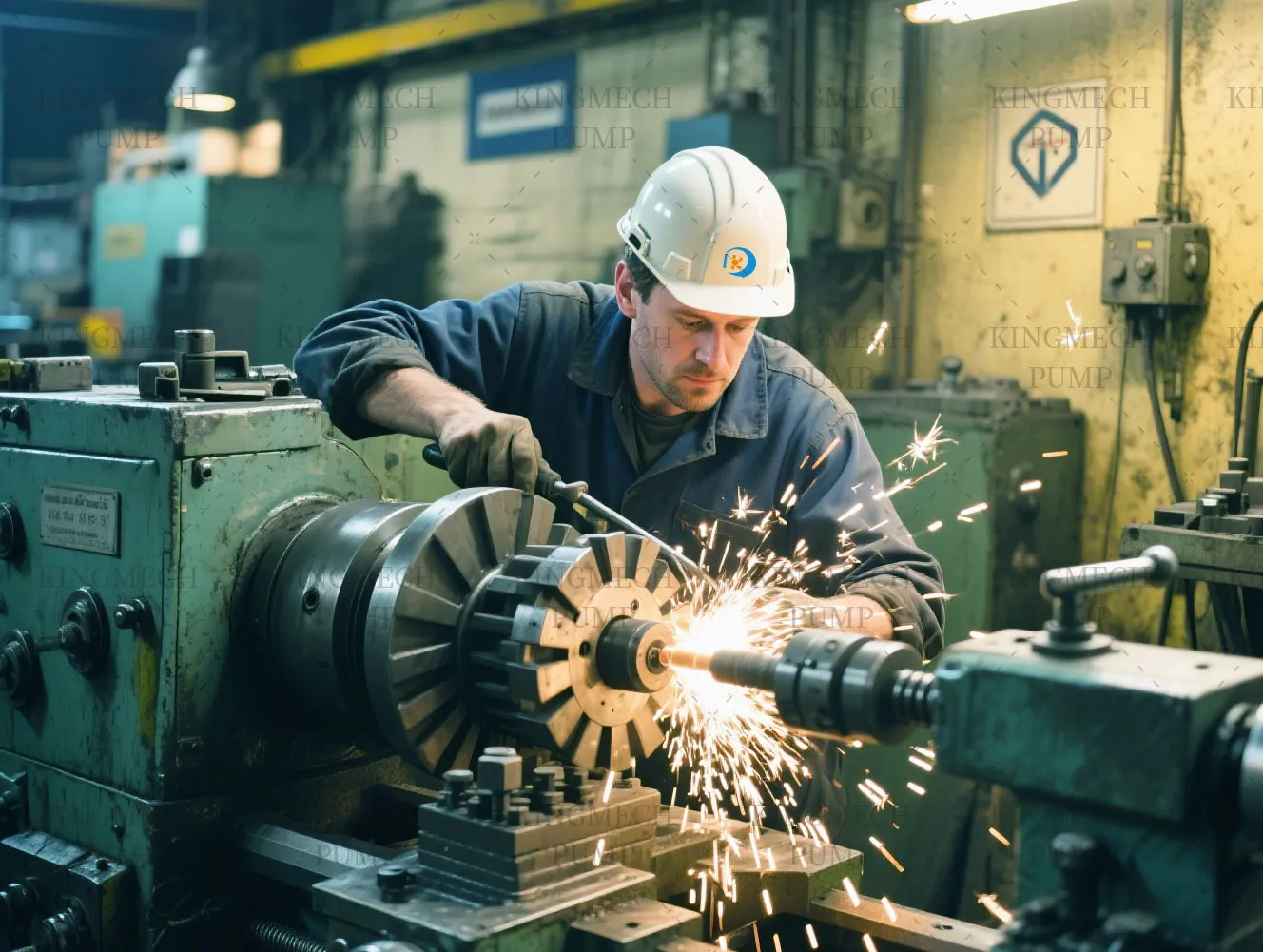
This article explores the best-in-class pump options for tough slurry and sludge applications. We’ll look closely at the abrasive slurry pump, the iconic AH pump, and other heavy-duty slurry and sludge pump technologies designed to survive where others fail.
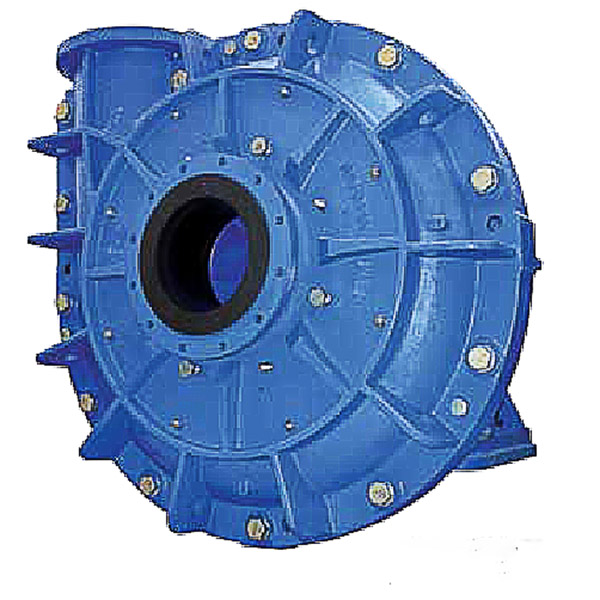
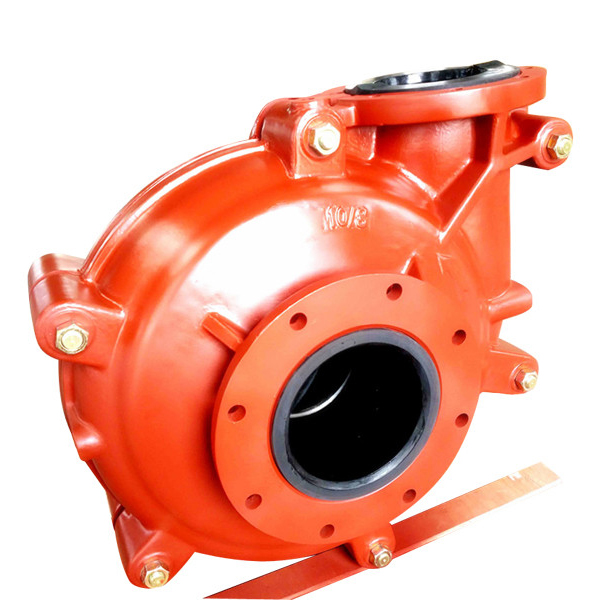
An abrasive slurry pump is a specialized pump designed to handle aggressive mixtures of water and hard solid particles. These slurries, found in mining tailings, ore processing, sand transport, and coal washing, quickly erode conventional pump materials. That’s why abrasive slurry pumps are constructed with ultra-durable materials such as high-chrome iron, polyurethane, and rubber linings.
Key features include:
Thick impellers with large flow passages to handle solids
Replaceable liners to extend service life
Open, semi-open, or closed impellers tailored for specific slurry types
Heavy-duty bearing assemblies to absorb vibration and prolong uptime
In many operations, downtime is not just inconvenient—it’s expensive. Abrasive slurry pumps are built to minimize that downtime with easy maintenance and modular parts. The pumps are used in:
Mineral processing plants
Sand dredging systems
Industrial ash handling
Recycled aggregate facilities
The combination of material science and hydraulic engineering ensures that an abrasive slurry pump doesn’t just move your material—it outlasts harsh conditions.
What sets the AH pump apart?
Modular design: Easy to disassemble, inspect, and replace parts
Wide range of sizes: Suited for everything from lab-scale to large industrial systems
Seal options: Gland packing, expeller, and mechanical seals for leak-free operation
Material selection: High-chrome, rubber, and ceramic materials available based on the slurry composition
AH pumps offer high versatility. Whether you need high flow, high head, or high resistance to corrosion, there’s an AH configuration for the task.
Operators favor AH pumps because:
They tolerate the presence of air in the slurry
Their robust construction resists vibration damage
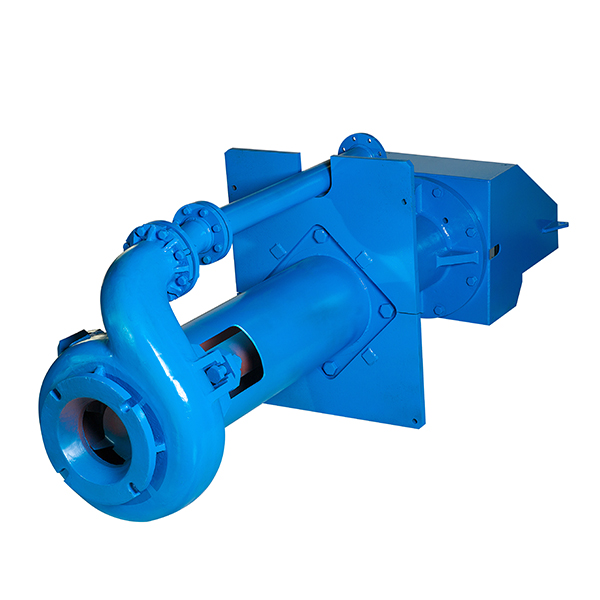
They can be configured with vertical motors and custom bases
The AH pump is not just a machine—it’s a field-proven solution that industries rely on around the clock.
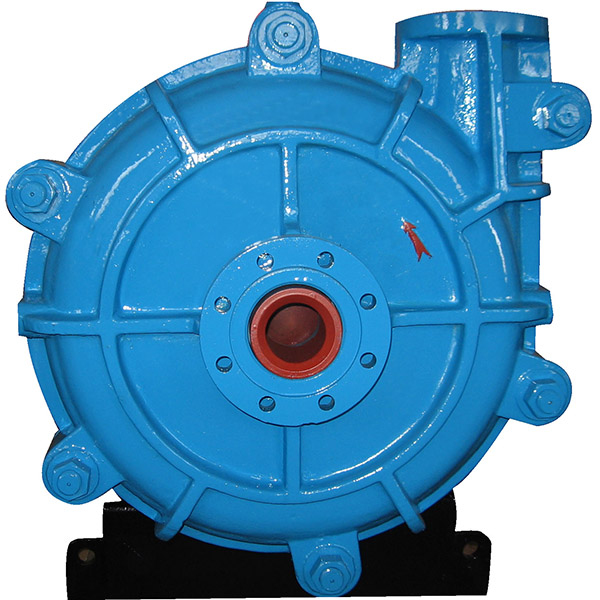
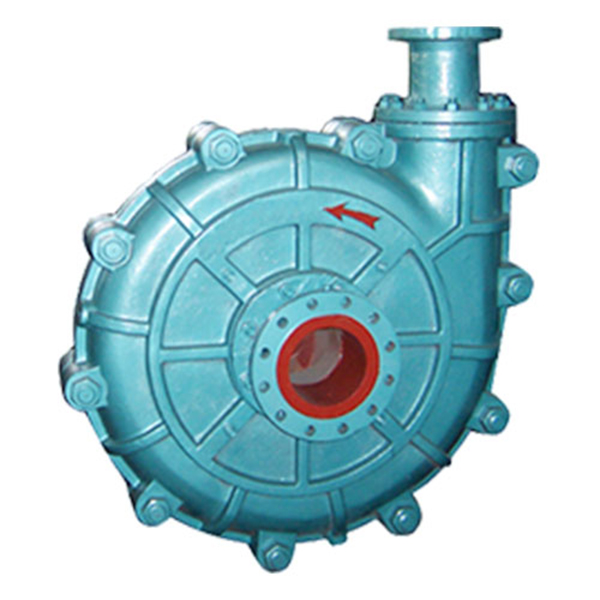
A more specific form, the AH slurry pump, is engineered for heavy-duty slurry transport in aggressive industrial processes. It combines the standard AH design with enhancements like enlarged shaft diameters, strengthened casings, and performance-tuned impellers.
Whether it’s iron ore slurry in Australia, coal tailings in China, or dredging projects in South America, the AH slurry pump has delivered consistent performance.
Let’s break down a typical AH slurry pump design:
Volute casing with wear rings to protect against particle erosion
Expeller design that reduces seal water requirements
Back pull-out design for easy on-site servicing
Grease- or oil-lubricated bearing systems for optimal heat dissipation
These pumps are often integrated into automated slurry circuits, equipped with sensors to monitor flow rate, pressure, and vibration. For operations handling high volumes over long distances, the AH slurry pump is a key component in reducing both cost and downtime.
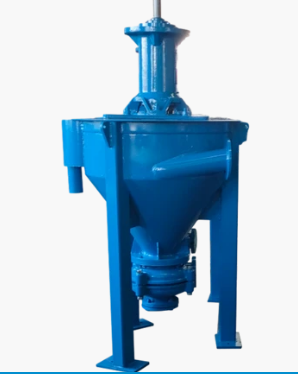
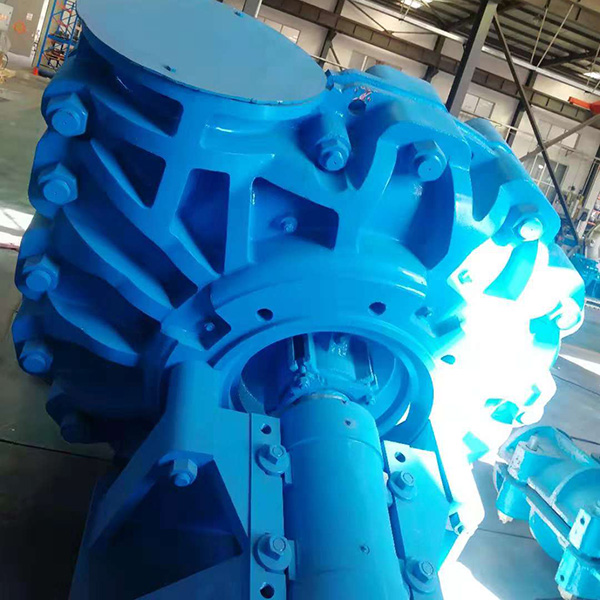
The Heavy Abrasive Duty Slurry Pump is designed to handle the most challenging industrial applications involving highly abrasive and dense slurries. With reinforced materials such as high-chrome alloy and heavy-duty rubber linings, this pump ensures maximum wear resistance and long service life even under extreme conditions. Ideal for mining, metallurgy, coal, and dredging operations, it offers exceptional performance with low maintenance requirements. The pump features a robust impeller and thick casing to withstand continuous operation and high-pressure environments. It also includes advanced sealing systems to prevent leakage and maintain consistent flow. Built for reliability and efficiency, this pump delivers optimal results in the harshest slurry transport tasks.
The AH slurry pump remains the go-to for engineers seeking long-term reliability, backed by global availability of parts and service expertise.
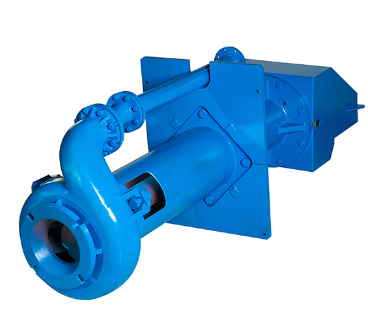
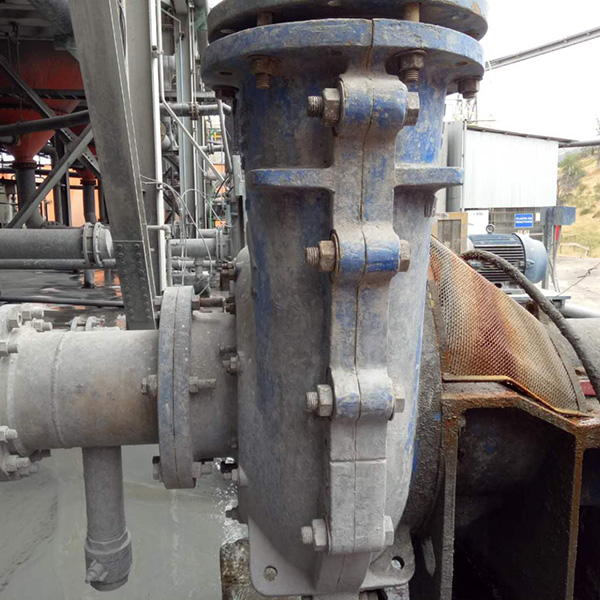
A heavy duty slurry pump takes all the elements of conventional slurry pumping and scales them for maximum performance. These pumps are designed for high flow rates, large particle sizes, and round-the-clock use in the most abusive settings imaginable.
Typical features include:
Double casing construction for pressure containment and wear protection
Oversized shafts to handle radial loads and reduce deflection
Flexible drive arrangements including belt, direct coupling, and variable speed motors
Optional agitators to keep settled solids suspended
Applications include:
Copper and gold mining operations
Fly ash and gypsum transport in power plants
Iron sand and gravel extraction
Concentrate and tailing pumping over kilometers
Heavy duty slurry pumps are commonly customized based on site conditions. This could include adjusting impeller vanes, adding throatbush protection, or selecting synthetic seal materials for chemical compatibility.
From open-pit mines to deep-shaft ore bodies, these pumps are purpose-built to endure and outperform. For operators, the real value lies in reduced operational costs over the pump’s lifecycle—fewer breakdowns, less downtime, and optimized energy use.
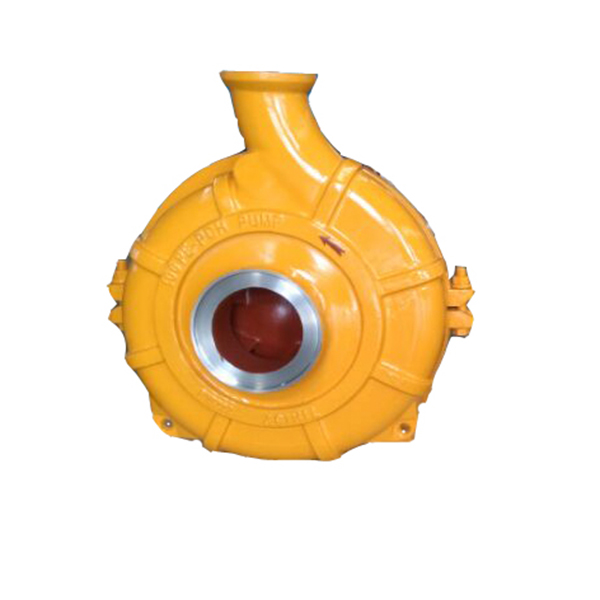
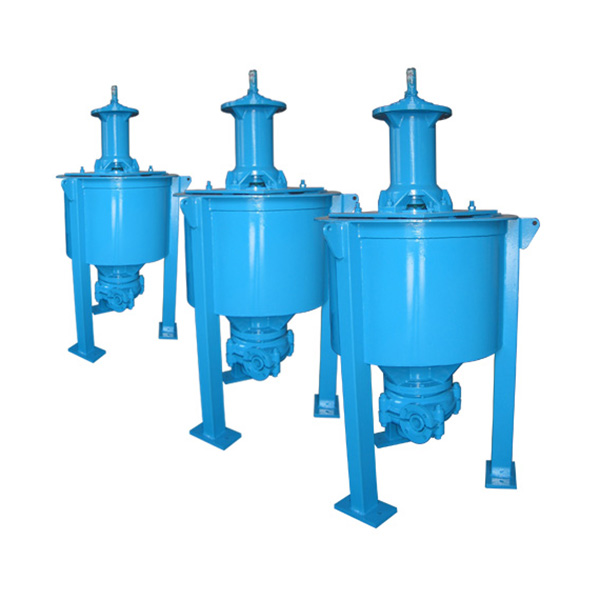
A heavy duty sludge pump focuses not just on abrasion, but also on viscosity. Sludge contains fibrous, semi-solid materials that can be difficult to prime, move, or discharge. This pump is specifically engineered to deal with those issues—often in municipal, agricultural, and industrial waste treatment sectors.
Main features include:
Non-clog impellers that allow high-viscosity fluid movement
Chopper or cutter systems for fibrous waste
Large-diameter suction inlets to prevent blockages
Slow speed motors to reduce friction and minimize overheating
Heavy duty sludge pumps often come in progressive cavity, rotary lobe, or diaphragm styles depending on the system’s needs. In digester plants or oil sludge recovery systems, maintaining continuous flow is critical. These pumps can operate with high solids content, resist corrosion, and are often made with stainless steel or abrasion-resistant coatings.
Because sludge is often shear-sensitive, low-shear pumps help preserve the chemical or biological integrity of the medium—important in anaerobic digestion and biogas generation systems.
Whether mounted on mobile skids or fixed in pump stations, these units offer a powerful combination of torque, flow control, and resilience.
An abrasive slurry pump is built using special materials like high-chrome alloy or rubber to withstand the constant wear caused by solid particles, unlike regular slurry pumps that may wear out quickly under similar conditions.
Yes. With the correct selection of materials such as rubber lining or synthetic polymer components, the AH pump can handle various chemical slurries while maintaining durability and performance.
If your operation requires high flow, heavy-duty handling, and proven long-term performance, especially in mining or metallurgical applications, the AH slurry pump is often the best-in-class choice.
Yes, many heavy duty slurry pumps are designed with wide passage impellers that can handle particles up to 75mm or more, depending on the pump size and model.
A heavy duty sludge pump with a chopper or progressive cavity design is ideal for fibrous, semi-solid sludge as it prevents clogging and ensures continuous, reliable flow.