Look, I've spent the last fifteen years getting dirt under my fingernails on construction sites, wrestling with pumps, and talking shop with the guys who actually use this stuff. What I’ve learned is simple: downtime isn’t an option. A stalled project costs money, reputation, and frankly, peace of mind. That's where a reliable self priming slurry pump becomes absolutely essential. It's not about flashy specs; it's about keeping the job moving, no matter what you’re pulling out of the ground, or trying to push through a line.
The need for efficient dewatering and solids handling is growing, especially with the increasing focus on environmental regulations. You can't just dump waste anywhere anymore – you've got to manage it. And that often means pumping abrasive, heavy slurries. We're seeing more and more projects dealing with contaminated sites, dredging operations, and even just unusually stubborn soil conditions. A good self priming slurry pump isn't a luxury; it’s a necessity for staying compliant and keeping a project on schedule.
Honestly, it’s frustrating to see guys still fighting with pumps that can’t handle the job. I’ve seen projects delayed for days, even weeks, because of pump failures. It's not just the repair costs; it's the cascading effect on everything else. That’s why I always preach preventative maintenance and investing in equipment that’s built to last.
The Importance of Self Priming Slurry Pumps in Modern Construction
I tell the younger guys all the time: you're not just moving water or mud, you're managing risk. Every minute a pump is down, you're increasing the chance of something going sideways. A self priming slurry pump, properly spec’d, minimizes that risk. We’re talking about preventing delays, reducing labor costs, and ensuring everyone goes home safe at the end of the day. It’s the foundation for a successful project.
You see these big infrastructure projects popping up everywhere, right? Tunnels, pipelines, large-scale site developments. Those rely heavily on effective dewatering and slurry handling. The demands are constant, and the tolerance for failure is zero. That's why investing in a quality self priming slurry pump isn't an expense, it's insurance.
Defining Self Priming Slurry Pumps: What They Are and Why They Matter
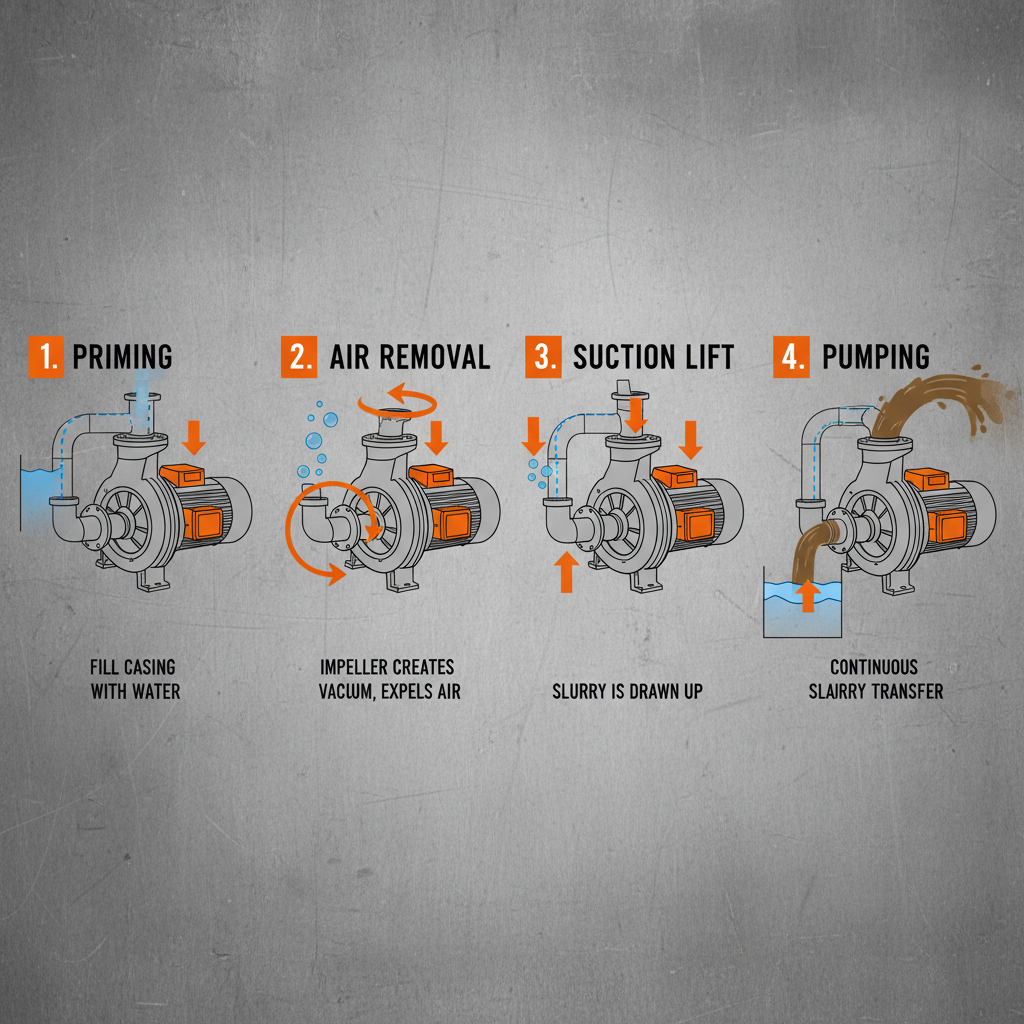
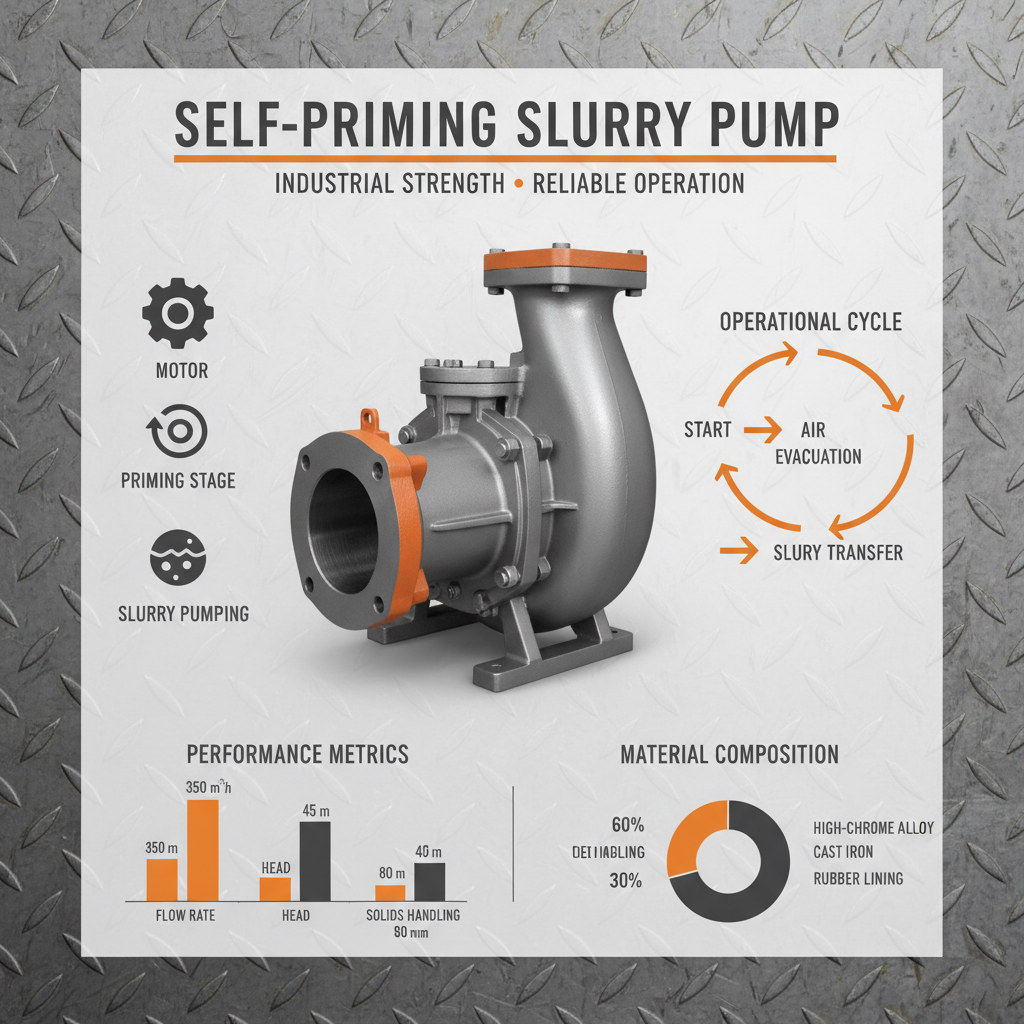
Okay, let’s break it down. A self-priming slurry pump, unlike a standard centrifugal pump, can evacuate air from the suction line, meaning it doesn’t need to be manually filled with liquid before starting. That's huge when you're dealing with variable suction head situations – like pumping from a pit that's emptying, or dealing with air pockets in the line. The "slurry" part means it's designed to handle liquids with a high concentration of solids – sand, gravel, mud, you name it.
In a lot of older setups, you’d have to prime the pump by flooding the suction line, which is a pain and can take a lot of time. A self-priming model cuts out that step, saving you time and labor. It's a simple concept, but it makes a massive difference on a busy job site. It's the difference between getting straight to work and babysitting a pump for half an hour.
This capability ties directly into modern industry needs. Everything's about efficiency and reducing downtime. Whether it's managing wastewater in a mining operation, dredging a harbor, or keeping a construction site dry, the ability to reliably move abrasive materials quickly and efficiently is crucial. It’s about meeting tighter deadlines, staying within budget, and minimizing environmental impact.
Key Features of Robust Self Priming Slurry Pump Designs
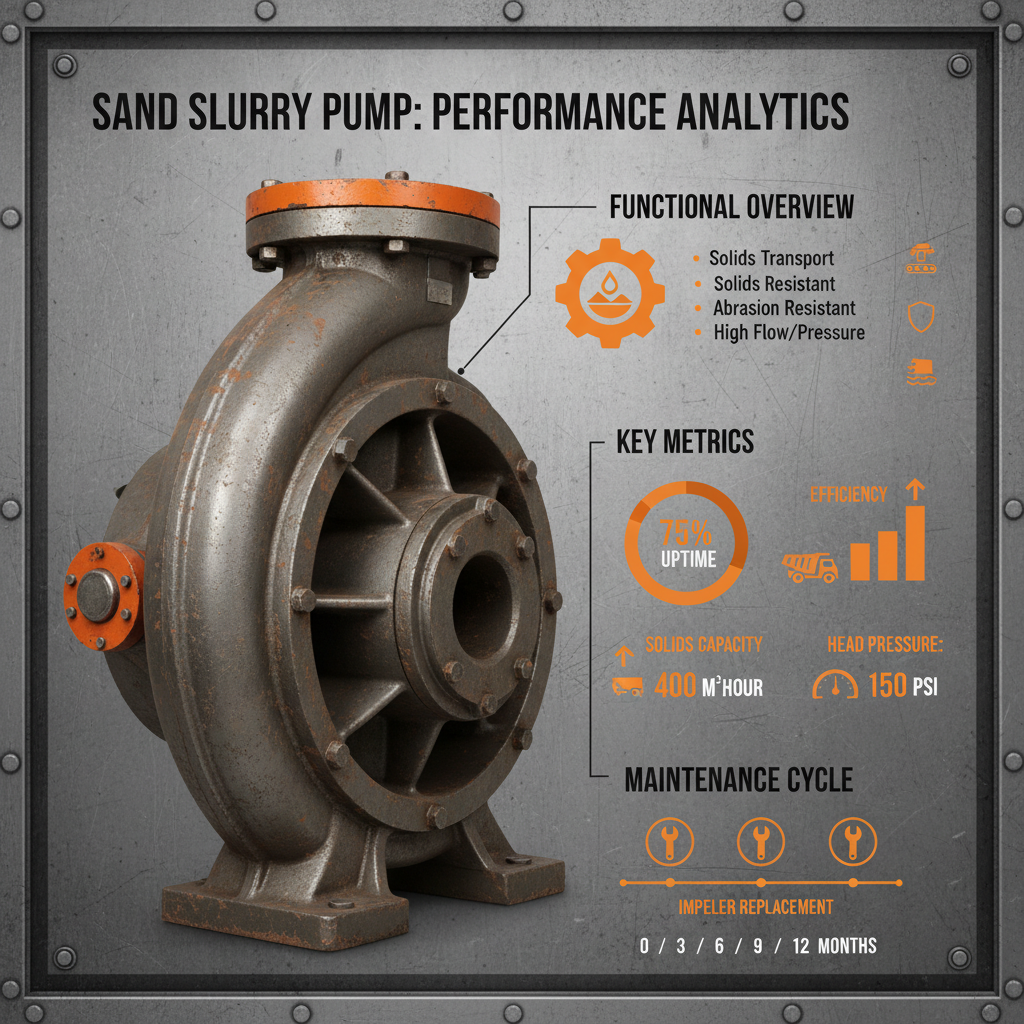
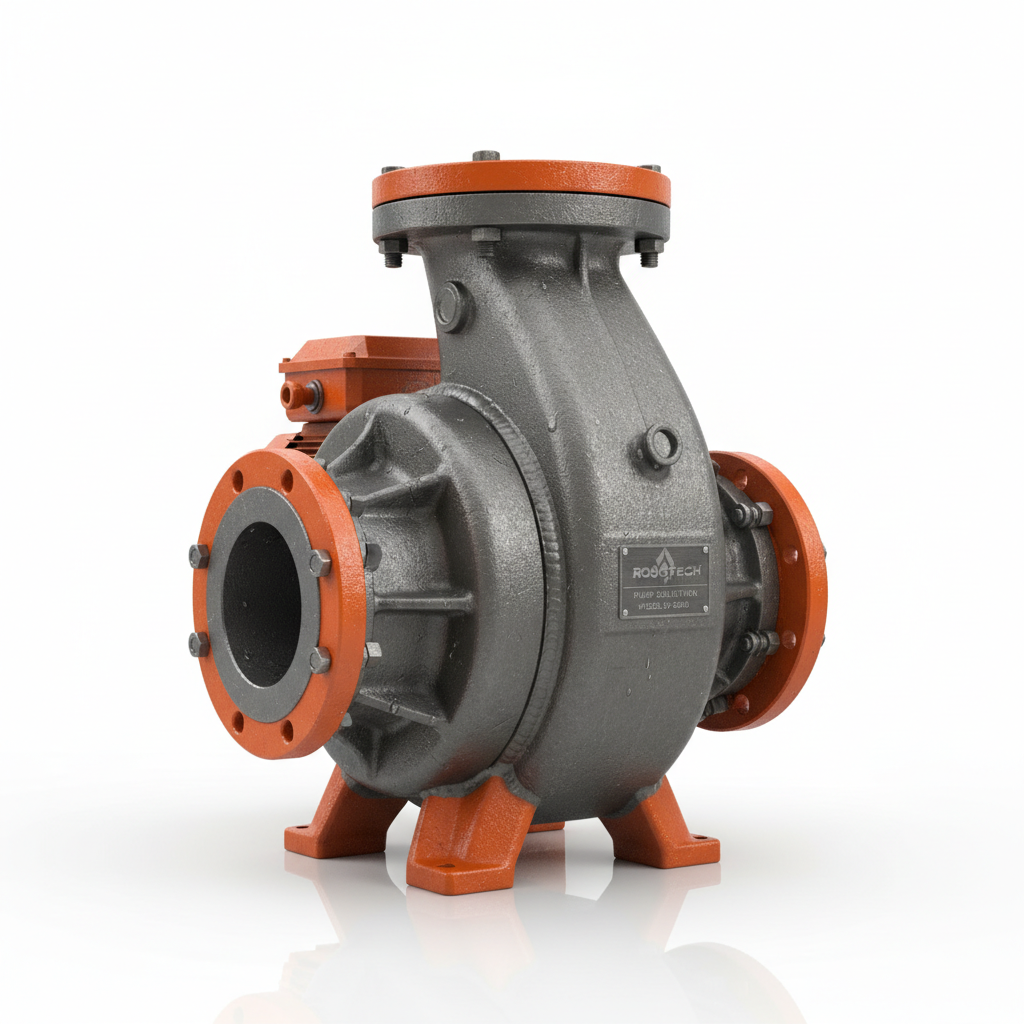
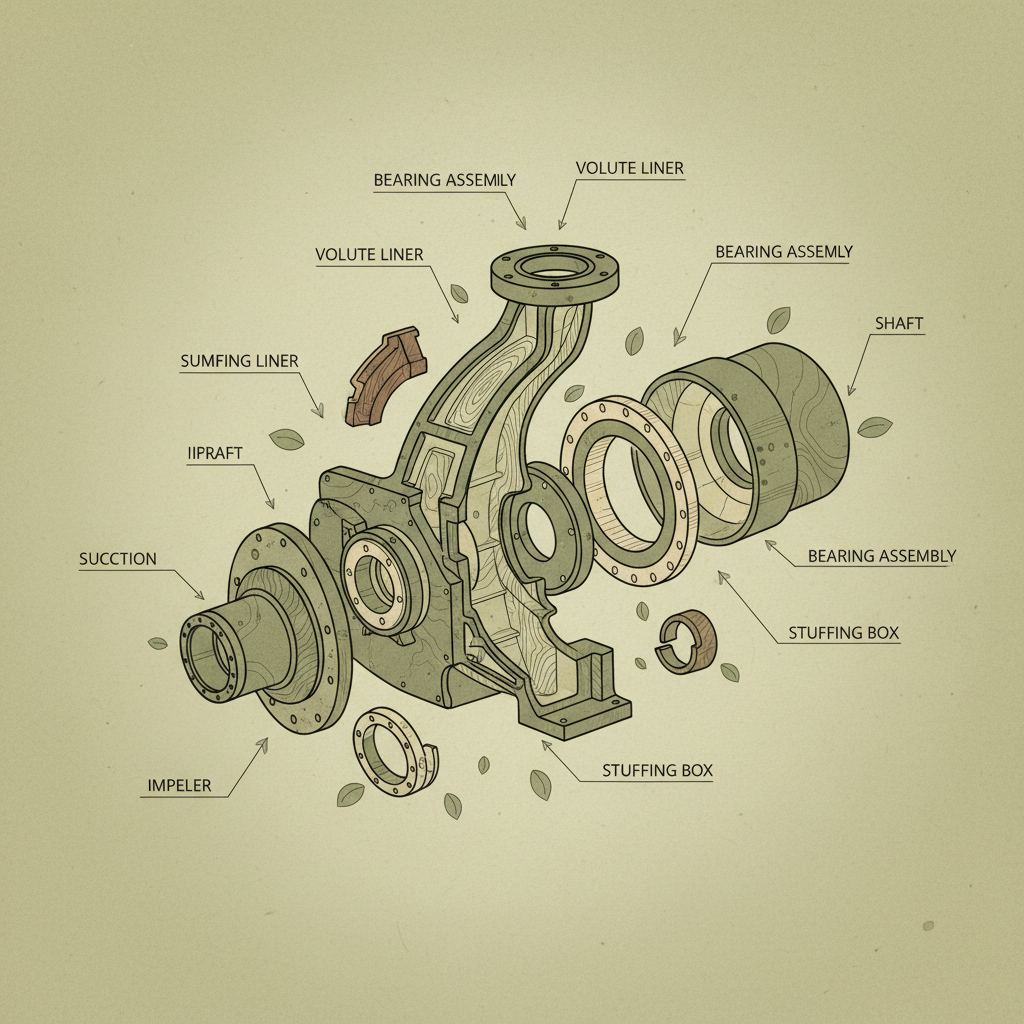
What I look for, and what I recommend to my crews, comes down to a few core things. First, the impeller. It needs to be made of a seriously tough material – high chrome iron is a good start – and designed to withstand constant abrasion. Second, the pump casing needs to be thick and robust, built to handle the pressure and impact of heavy slurries. And third, the seals are critical. A leaky seal means downtime, and nobody wants that.
Then you get into things like pump size and motor power. You need to match the pump to the application. Too small, and it'll be overworked and fail prematurely. Too large, and it’ll be inefficient and costly to operate. Understanding the flow rate and head requirements is key. That’s where working with a knowledgeable supplier – like Kingmech Pump – comes in handy. They can help you spec the right pump for the job.
Finally, think about maintenance. Can you easily access the impeller for inspection and replacement? Are the wear parts readily available? A pump that's a pain to maintain is a pump that's going to get neglected, and that's a recipe for disaster. We prefer pumps that have a straightforward design that makes routine maintenance easy to handle in the field.
Global Applications: Where Self Priming Slurry Pumps Excel
I’ve seen these pumps in action everywhere, honestly. Dredging operations in the Mississippi River, keeping mines dewatered in Australia, handling waste sludge at wastewater treatment plants in Europe… they're a global workhorse. In the oil sands in Canada, they're vital for moving thick, abrasive slurries.
Here in the States, you'll find them on a lot of large construction sites – highway projects, building foundations, and tunnel boring. They're also crucial for environmental remediation, especially cleaning up contaminated sites. I worked on a project a few years ago where we were pumping heavily contaminated water from a former industrial site. Without a reliable self priming slurry pump, we would have been sunk.
They’re also becoming increasingly important in disaster relief efforts. After floods or hurricanes, they can be used to quickly remove debris and pump out flooded areas. It’s not glamorous work, but it’s essential for getting communities back on their feet.
Self Priming Slurry Pump Performance by Method
Advantages & Long-Term Value: A Contractor's Perspective
Look, at the end of the day, it boils down to cost. Not just the initial purchase price, but the total cost of ownership. A cheap pump might save you money upfront, but if it's constantly breaking down, requiring repairs, and causing delays, you're going to end up spending more in the long run.
A quality self priming slurry pump reduces labor costs, minimizes downtime, and improves project efficiency. That translates directly into increased profits. Plus, there’s the peace of mind knowing you’ve got a reliable piece of equipment that’s not going to let you down when you need it most. That’s worth a lot.
Future Trends in Self Priming Slurry Pump Technology
We're starting to see more pumps with variable frequency drives (VFDs), which allow you to adjust the pump speed to match the flow requirements. This improves efficiency and reduces energy consumption. There’s also a growing trend towards more remote monitoring and control systems. Being able to track pump performance and diagnose problems remotely can save a lot of time and money.
I also think we'll see more pumps made from advanced materials – things like ceramic composites and specialized polymers – that are even more resistant to abrasion and corrosion. And, of course, there’s the push for more sustainable solutions. Manufacturers are looking for ways to reduce the environmental impact of their pumps, from using more efficient motors to minimizing waste during manufacturing.
Common Challenges and Innovative Solutions
One of the biggest challenges is dealing with highly abrasive slurries. Even the best pumps will eventually wear out. That's why preventative maintenance is so important – regular inspections, lubrication, and replacement of wear parts.
Another challenge is dealing with clogged pumps. Sometimes, large debris can get sucked into the impeller and cause a blockage. That’s where pumps with larger clearances and more robust impellers can help. And, of course, proper screening and filtration are essential for preventing debris from entering the pump in the first place.
The manufacturers I trust are constantly innovating to address these challenges. Kingmech Pump, for example, offers pumps with specialized impeller designs and wear-resistant coatings that extend pump life and reduce maintenance costs. They also provide excellent technical support and training.
Summary of Common Challenges and Innovative Solutions for Self Priming Slurry Pumps
| Challenge |
Impact on Project |
Innovative Solution |
Cost Effectiveness (1-10) |
| Abrasive Slurries |
Reduced pump lifespan, increased maintenance. |
High chrome iron impellers, wear-resistant coatings. |
8 |
| Clogging/Debris |
Pump failures, downtime, reduced efficiency. |
Larger impeller clearances, robust impeller designs. |
7 |
| Inefficient Operation |
Increased energy costs, lower throughput. |
Variable Frequency Drives (VFDs), optimized pump sizing. |
9 |
| Remote Monitoring Difficulties |
Delayed issue detection, increased repair times. |
Remote monitoring and control systems, sensor integration. |
6 |
| Seal Failures |
Leaks, downtime, environmental concerns. |
Advanced seal materials, improved seal designs. |
7 |
| Lack of Preventative Maintenance |
Unscheduled downtime, reduced pump life. |
Scheduled maintenance programs, operator training. |
10 |
FAQS
Determining the correct pump size depends on several factors, including the flow rate (gallons per minute), total dynamic head (vertical lift plus friction losses), and the type of slurry you're pumping. We need to know the solids content, particle size, and specific gravity of the slurry to recommend the right pump. Oversizing is inefficient, while undersizing will lead to premature failure. Getting a professional assessment is key.
Regular inspections are crucial. At a minimum, you should visually inspect the pump weekly for leaks, unusual noises, and wear on moving parts. Monthly, you should check the impeller for wear and tear, lubricate bearings, and inspect the seals. Keep a maintenance log to track inspections and repairs. Consistent preventative maintenance will drastically extend the pump's lifespan.
High chrome iron is the workhorse for most slurry pump impellers due to its excellent abrasion resistance. However, depending on the specific slurry composition, other materials like ceramic or specialized alloys might be more suitable. If you're pumping highly corrosive slurries, you'll need an impeller made of a corrosion-resistant material. Consult with a pump specialist to determine the best material for your application.
Preventing clogging starts with proper screening upstream of the pump. Use a screen or strainer to remove large debris before it enters the pump. Also, ensure that the pump's suction line is properly sized and free of obstructions. For slurries with high solids content, consider using a pump with a larger impeller clearance. Regular cleaning of the pump and suction line is also essential.
The biggest benefit is the time and labor savings. With a self-priming pump, you don’t have to manually fill the suction line with liquid before starting the pump. This is especially valuable in applications where the pump is frequently starting and stopping, or where the suction lift is variable. It reduces downtime, simplifies operation, and improves overall efficiency.
Look for a reputable pump supplier with a strong track record of providing quality parts and service. Kingmech Pump offers a comprehensive range of spare parts and provides expert repair and maintenance services. Ensure the supplier has a readily available inventory of critical wear parts to minimize downtime.
Conclusion
So, there you have it. A self priming slurry pump isn't just a piece of equipment; it’s a critical component of a successful project. It's about reliability, efficiency, and minimizing risk. Choosing the right pump, maintaining it properly, and working with a knowledgeable supplier are all essential for maximizing its value.
Don’t cut corners when it comes to your pumping needs. Invest in a quality pump that’s built to last and supported by a team that understands your challenges. A little upfront investment can save you a lot of headaches – and money – down the road. If you’re facing a challenging dewatering or slurry handling situation, reach out to the experts at Kingmech Pump for a consultation. Visit our website: www.kingmechpump.com