Email Us
sales@pumpkingmech.com
Email Us
sales@pumpkingmech.comLook, I’ve spent the last fifteen years tracking mud, smelling diesel, and talking shop with the folks actually using equipment on site. When it comes to getting rid of tough, thick sludge – the kind that gums up the works in wastewater treatment, construction dewatering, or even agricultural processing – you need a pump that’s built for punishment. That's where a pto sludge pump comes in. It’s not about fancy specs on a sheet; it’s about reliability when you’re up against the clock and a critical process is stalled. We're not selling a pump, we're selling uptime.
I’ve seen too many operators wrestling with pumps that choke, overheat, or just flat-out quit when they hit a thick patch. That costs time, money, and frankly, a whole lot of frustration. A proper pto sludge pump isn't just a pump, it’s a key piece of keeping things moving. From keeping excavation sites dry to processing byproducts, it handles the stuff other pumps can't, and keeps the project on schedule. It needs to be simple to maintain, too – because nobody wants to be stuck troubleshooting a complex system in the middle of a job.
It’s about understanding the real-world consequences of downtime. A stalled pump means delayed projects, potential environmental issues, and angry clients. That’s why, when I’m recommending a solution, I look for robust construction, readily available parts, and a design that minimizes clogging. A pto sludge pump delivers that, and that’s what matters to me – and it should matter to anyone responsible for keeping a job running smoothly.
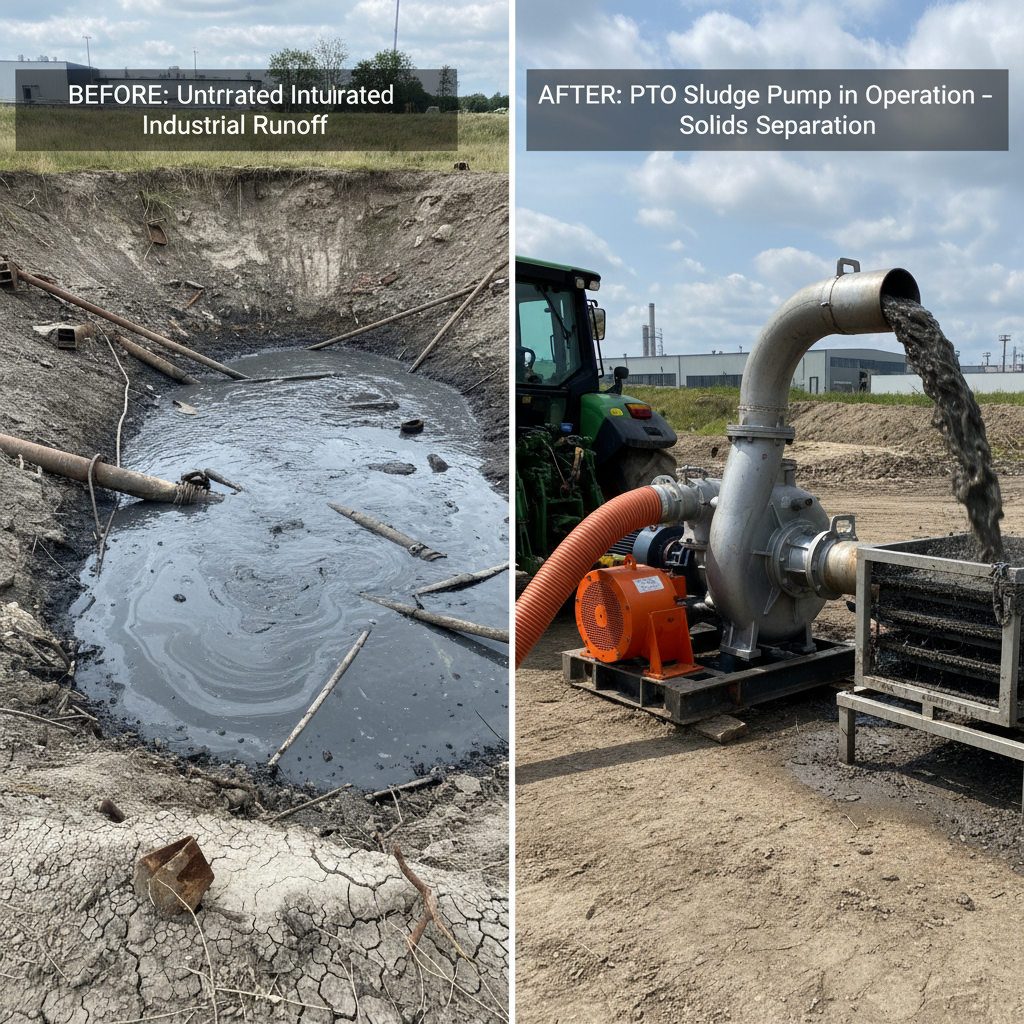
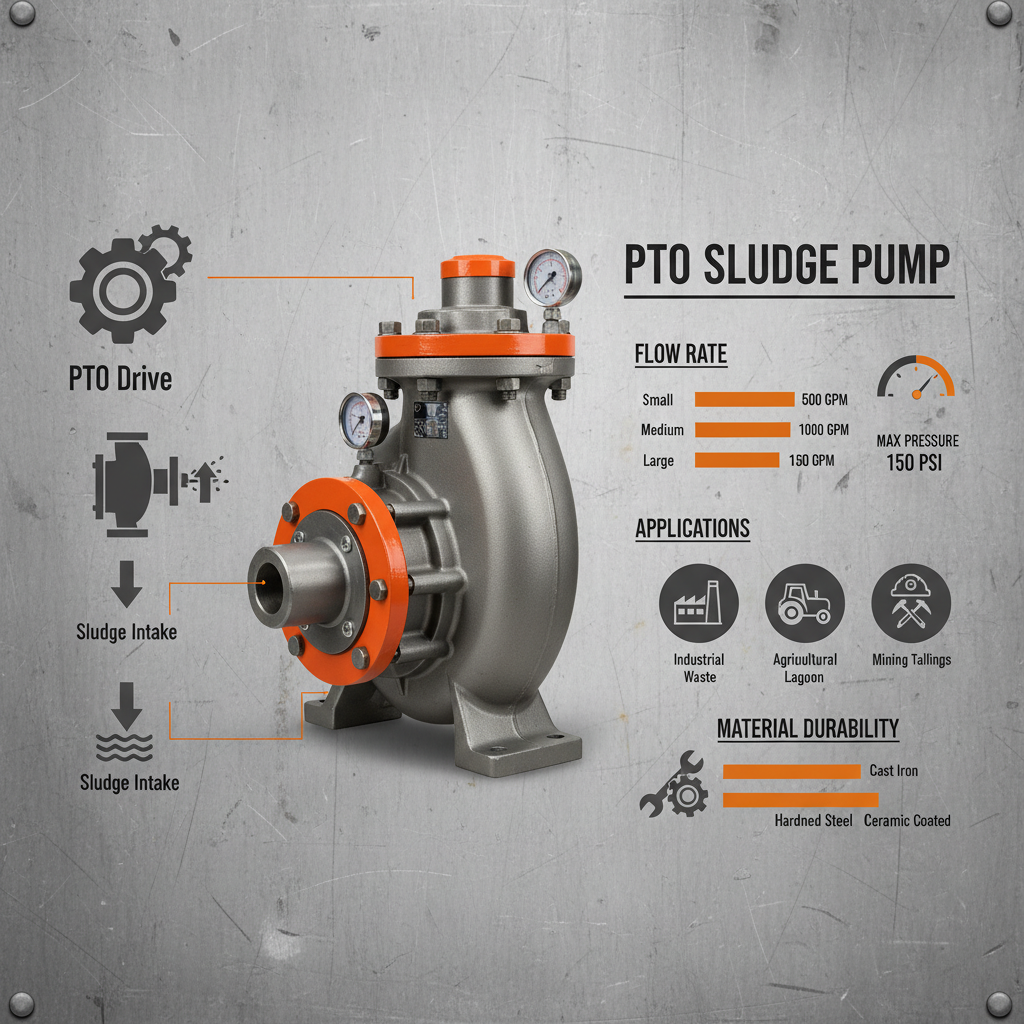
Let’s be clear: a pto sludge pump isn’t a luxury; it’s a necessity in a lot of industries. I’ve seen jobs ground to a halt because the existing pump just couldn’t handle the consistency of the material. It’s about preventing costly downtime and keeping projects on schedule. The cost of a good pump is always less than the cost of delays, environmental cleanups, or damage to other equipment.
I spend enough time trying to minimize delays; I don’t need a piece of equipment adding to the problem. A reliable pump isn’t just about flow rate; it's about consistent performance, even when dealing with abrasive materials, high solids content, or varying viscosity levels. The right pump will minimize maintenance, reduce the risk of failure, and ultimately, save you money in the long run.
The main difference is the power source. A PTO pump runs off the engine of another machine (like a tractor), making it ideal for remote locations without easy access to electricity. Electric pumps need a power outlet or generator. PTO pumps offer flexibility and simplicity in field applications where you already have a suitable power source, reducing setup time and costs. They can also be more reliable in challenging environments where power fluctuations are common.
Regular maintenance is key to a long pump life. Generally, you'll want to inspect the impeller, seals, and bearings monthly. Lubrication is critical - check the manufacturer’s recommendations. The PTO shaft itself needs periodic greasing. Don’t wait for something to break; preventative maintenance saves headaches and downtime. A quick visual inspection before and after each use is also a good practice.
A well-designed PTO sludge pump can handle a wide variety of sludges, including those with high solids content, abrasive materials, and varying viscosities. However, it's crucial to match the pump to the specific sludge characteristics. Factors like particle size, density, and corrosiveness will influence pump selection. It's best to consult with a pump specialist to ensure you're choosing the right pump for your application.
Sizing a pump correctly is vital. You need to determine the required flow rate (how much fluid you need to move per minute) and the total dynamic head (the vertical distance the pump needs to lift the fluid plus the friction loss in the piping). Undersized pumps will struggle, while oversized pumps are inefficient. Consulting with an experienced engineer or pump supplier is highly recommended for accurate sizing.
Not at all. PTO pumps are generally quite simple to operate. The main thing is to ensure the PTO shaft is properly connected and engaged, and to follow the manufacturer's safety guidelines. It's essential to understand the operating speed of the tractor or engine and to avoid exceeding the pump’s rated limits. With a little training, anyone can operate a PTO sludge pump safely and effectively.
Clogging is a common issue, especially with sludges containing large solids. Prevention includes using a pump with a recessed impeller and ensuring the inlet is adequately screened. Wear and tear on the impeller and seals are also common, so regular inspection and replacement are important. Finally, improper PTO shaft connection can cause damage; always ensure a secure and properly aligned connection.
A pto sludge pump is more than just a piece of equipment; it’s a solution for real-world challenges in a variety of industries. From ensuring efficient wastewater treatment to keeping construction sites dry, these pumps deliver reliability, durability, and cost-effectiveness. Understanding the key components, performance metrics, and applications is crucial for making informed decisions and maximizing the value of your investment.
Looking ahead, continued innovation in materials, design, and smart technology will further enhance the capabilities of pto sludge pumps. By embracing these advancements, we can build more sustainable, efficient, and resilient systems for managing the world’s challenging fluid handling needs. Visit our website at www.kingmechpump.com to learn more about our full range of pumps and how we can help you find the right solution for your application.