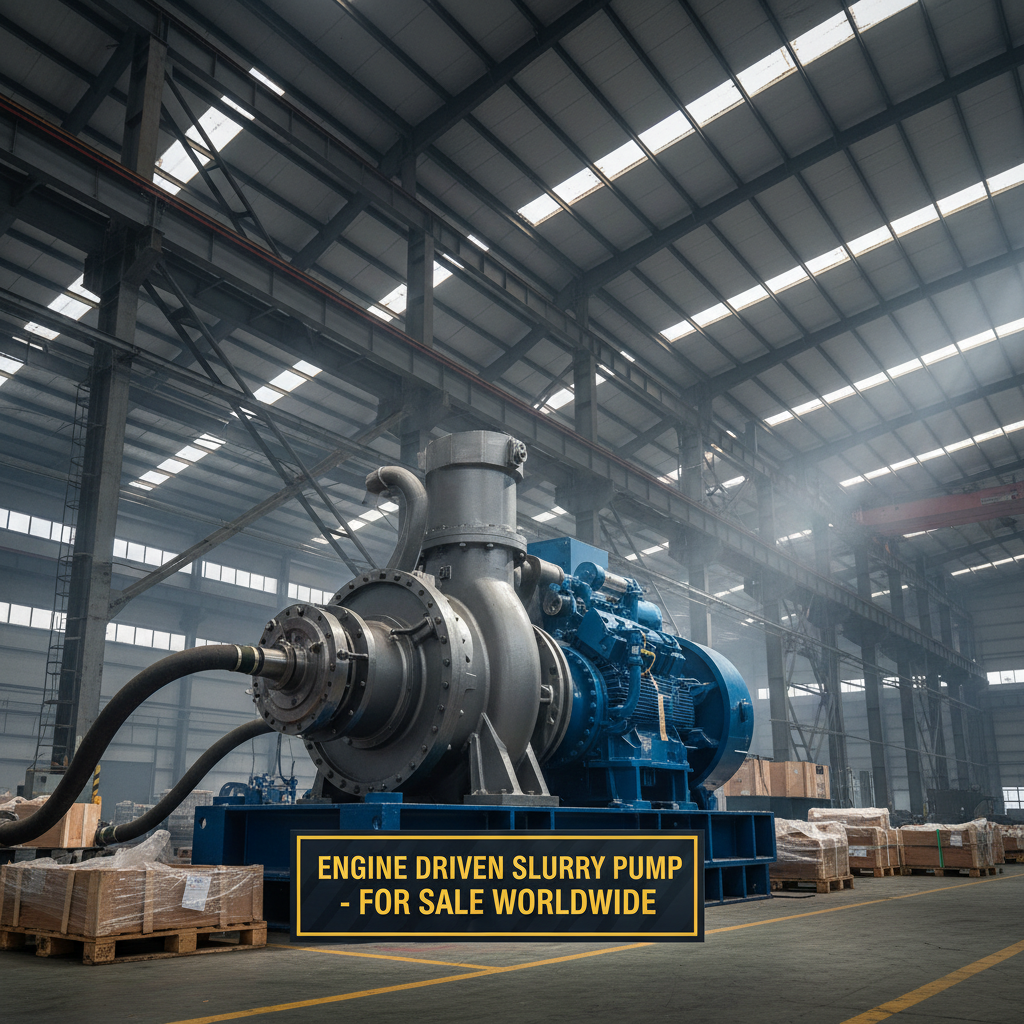
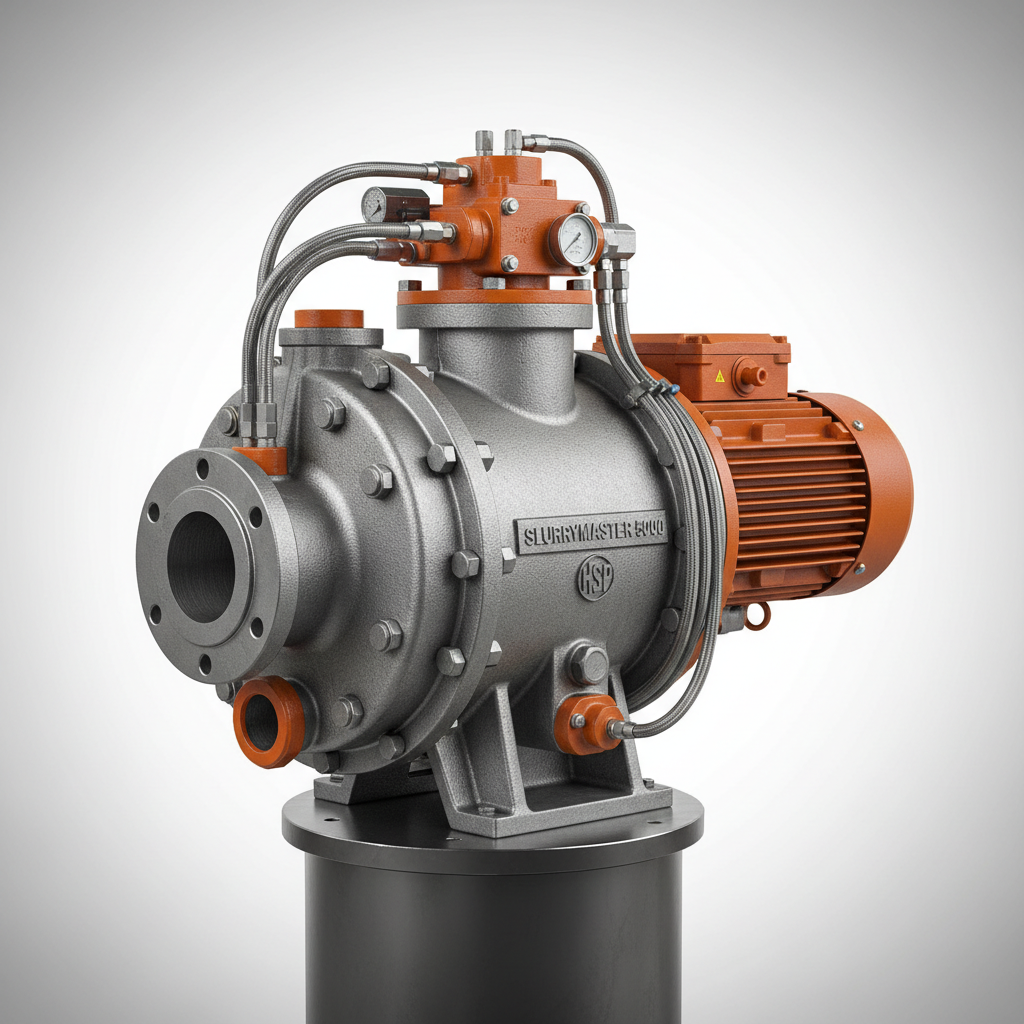
Look, I’ve been tracking this mining slurry pump manufacturers game for, well, pretty much my entire career. It’s changed a lot, let me tell you. Used to be all about brute force, right? Biggest motor, thickest steel. Now? It's all about efficiency, durability, and frankly, keeping costs down. It’s a tough balance. Everyone’s chasing the same thing – moving abrasive materials further, faster, and cheaper. To be honest, the pressure is constant.
Have you noticed how everyone's jumping on the variable speed drive bandwagon? Seems simple enough, but getting it right in a dusty, vibrating mine? That’s a whole other ballgame. And don’t even get me started on the remote monitoring systems. Everyone wants data, data, data. But the guys on the ground? They want something that works, and doesn't require a PhD to troubleshoot.
I was at a copper mine in Chile last year and the issues they were having...forget it. They were replacing liners every other week. The whole operation was a bottleneck. It was a mess. They needed reliable mining slurry pump manufacturers, plain and simple.
The Evolution of Mining Slurry Pump Manufacturers
Strangely enough, a lot of people underestimate the material science involved. It’s not just about slapping some steel together. The impeller materials…that’s where the money is. We’re talking high-chrome iron alloys, polyurethane linings, even ceramics for the really aggressive stuff. You can smell the difference between a good alloy and a cheap one, believe me. It's a metallic tang...almost sweet.
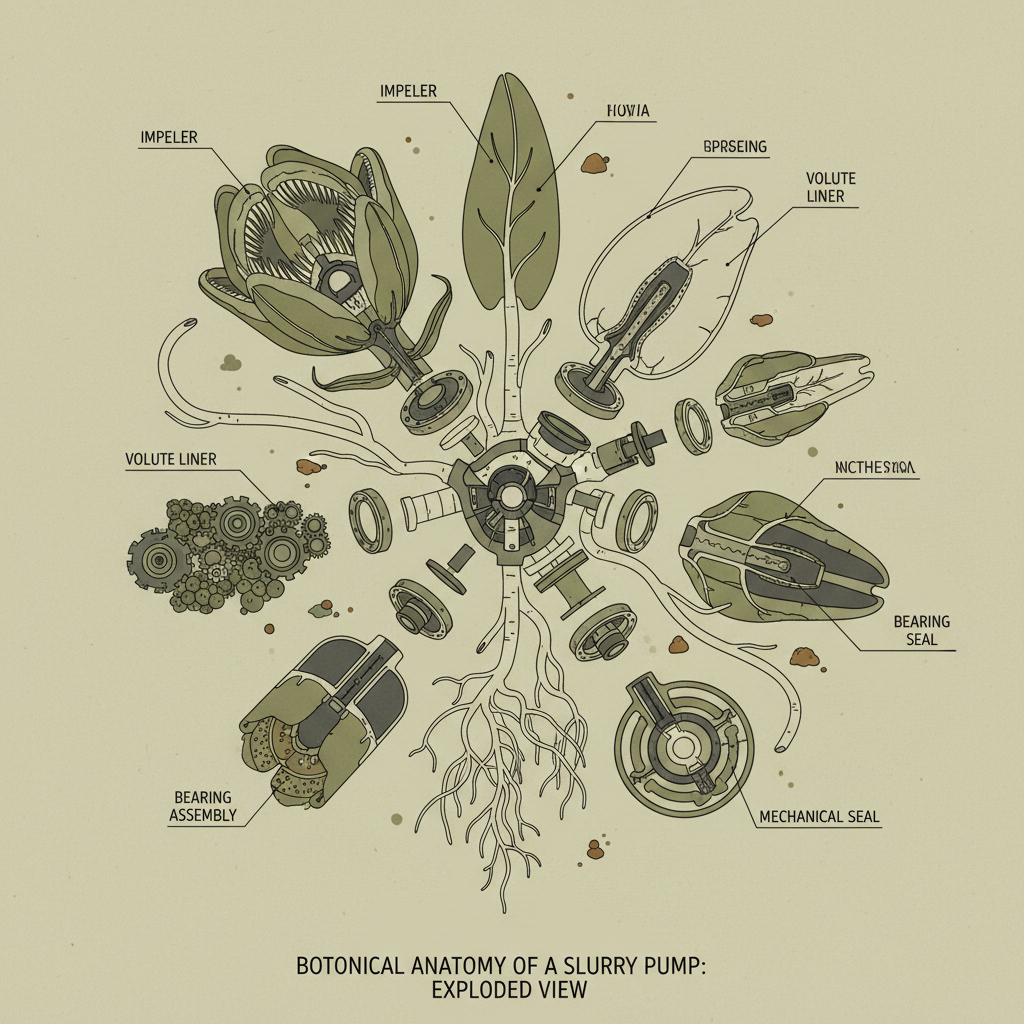
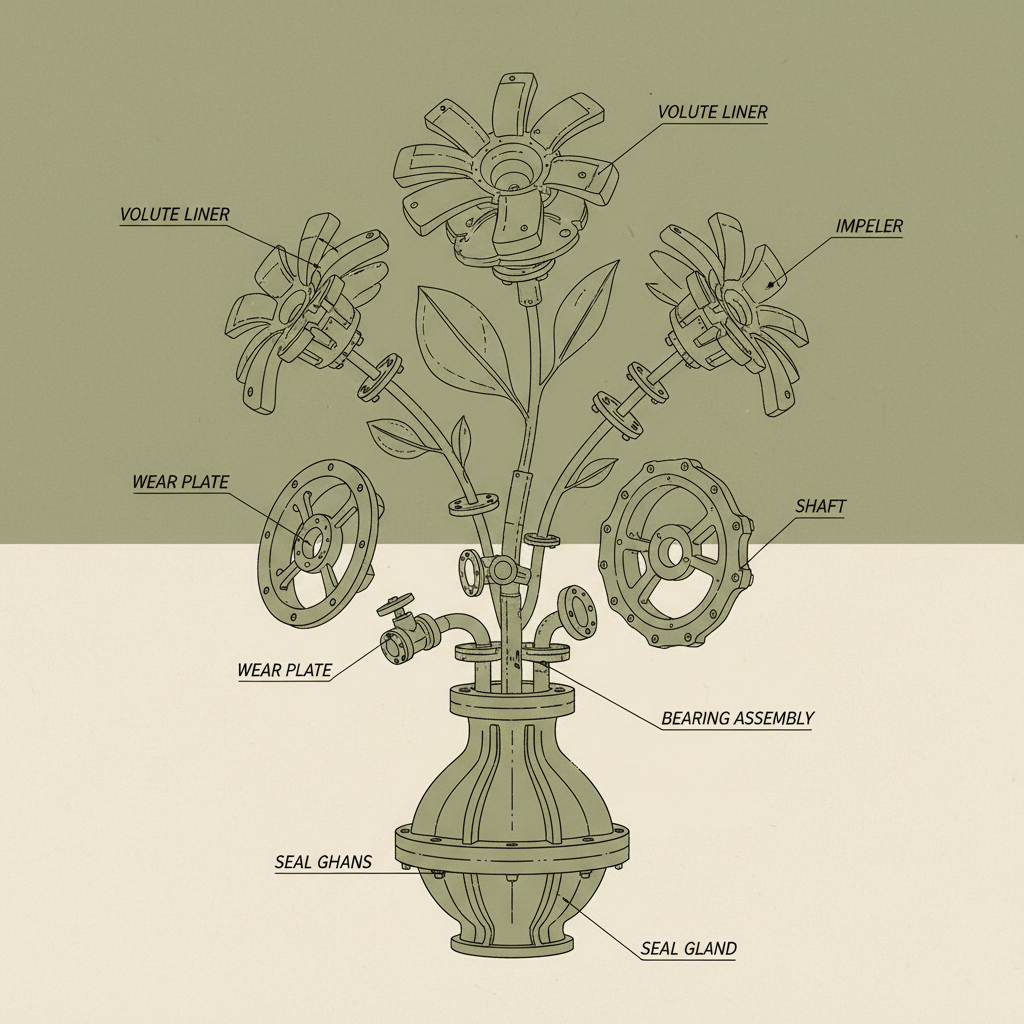
And it’s not just the materials. The pump designs themselves have gotten a lot smarter. Volute casings, diffuser designs…they all contribute to higher efficiency and reduced wear. I encountered this at a gold mine in Nevada last time. They were trying to save a buck on the casing material, and it lasted about a month before it started cracking. A month! They quickly learned their lesson.
Defining Mining Slurry Pump Manufacturers: Beyond the Basics
Okay, so what are mining slurry pump manufacturers, really? It's not just about moving liquid with stuff in it. It’s about moving highly abrasive, often corrosive, slurries – think everything from tailings to process water – reliably and efficiently. They’re the workhorses of the mining industry, and if they go down, everything grinds to a halt. It’s a serious responsibility.
It's a field that directly supports modern industry - without reliable slurry pumps, large-scale resource extraction simply isn’t feasible. And it’s not just mining. You see them in dredging, wastewater treatment, even power plants. Any time you need to move abrasive fluids, you need a good slurry pump.
They're fundamentally about managing the lifecycle cost. A cheaper pump upfront that requires constant maintenance and replacement? That’s a false economy. You need something built to withstand the punishment.
Key Aspects of High-Performance Mining Slurry Pumps
Durability is, obviously, number one. You need pumps that can handle the constant abrasion and impact. That means robust construction, wear-resistant materials, and smart design. The impellers are the key, in my experience. If they go, you’re in trouble.
Scalability is huge too. A mine’s needs change over time. You might start with a small operation and then expand. Your pump supplier needs to be able to scale with you. Offering a range of pump sizes and configurations is crucial. It avoids a costly and disruptive rip-and-replace later on.
Cost efficiency isn’t just about the initial purchase price. It’s about total cost of ownership – maintenance, energy consumption, downtime. A pump that’s cheap to buy but expensive to run? That’s a bad deal. It always is. And then there’s the whole issue of fluid dynamics. Getting the flow rate and pressure right for the specific application…that takes expertise.
Global Mining Applications and Slurry Pump Usage
You see these pumps everywhere mining happens – South America, Australia, Africa, North America… doesn’t matter. Anywhere they’re digging stuff out of the ground, you’ll find slurry pumps hard at work. Copper mines, gold mines, iron ore mines, coal mines… the list goes on.
I was in the Atacama Desert in Chile, and the scale of the operations there is just mind-blowing. They're moving millions of gallons of slurry every day, 24/7. The pumps have to be incredibly reliable. In remote industrial zones like that, downtime isn’t an option.
Even in post-disaster relief operations – clearing debris, managing floodwaters – you’ll often see slurry pumps being used. They’re versatile machines, really. They aren’t glamorous, but they are essential.
Mining Slurry Pump Manufacturers Performance Comparison
Advantages and Long-Term Value Proposition
The biggest advantage? Reduced downtime. A reliable pump means a continuous operation, which translates directly into increased productivity and profits. It's that simple. Also, reduced maintenance costs. High-quality pumps require less frequent repairs and replacements, saving you money in the long run.
Anyway, I think the sustainability aspect is becoming increasingly important. Energy-efficient pumps reduce your carbon footprint and lower your energy bills. It’s good for the environment, and it’s good for your bottom line. And frankly, safety. A well-designed pump is a safer pump.
Emerging Trends and Innovations in Slurry Pump Technology
We’re seeing a lot of development in smart pumps – pumps with sensors and data analytics that can predict failures and optimize performance. It’s a bit of a hype cycle right now, but there’s real potential there. And variable speed drives are getting more sophisticated, allowing for even greater energy savings.
There’s also a push towards more sustainable materials – biodegradable polymers, recycled metals. It’s a slow process, but it’s happening. I'm seeing more and more focus on remote monitoring and control, allowing operators to manage pumps from anywhere in the world.
Common Challenges and Effective Solutions
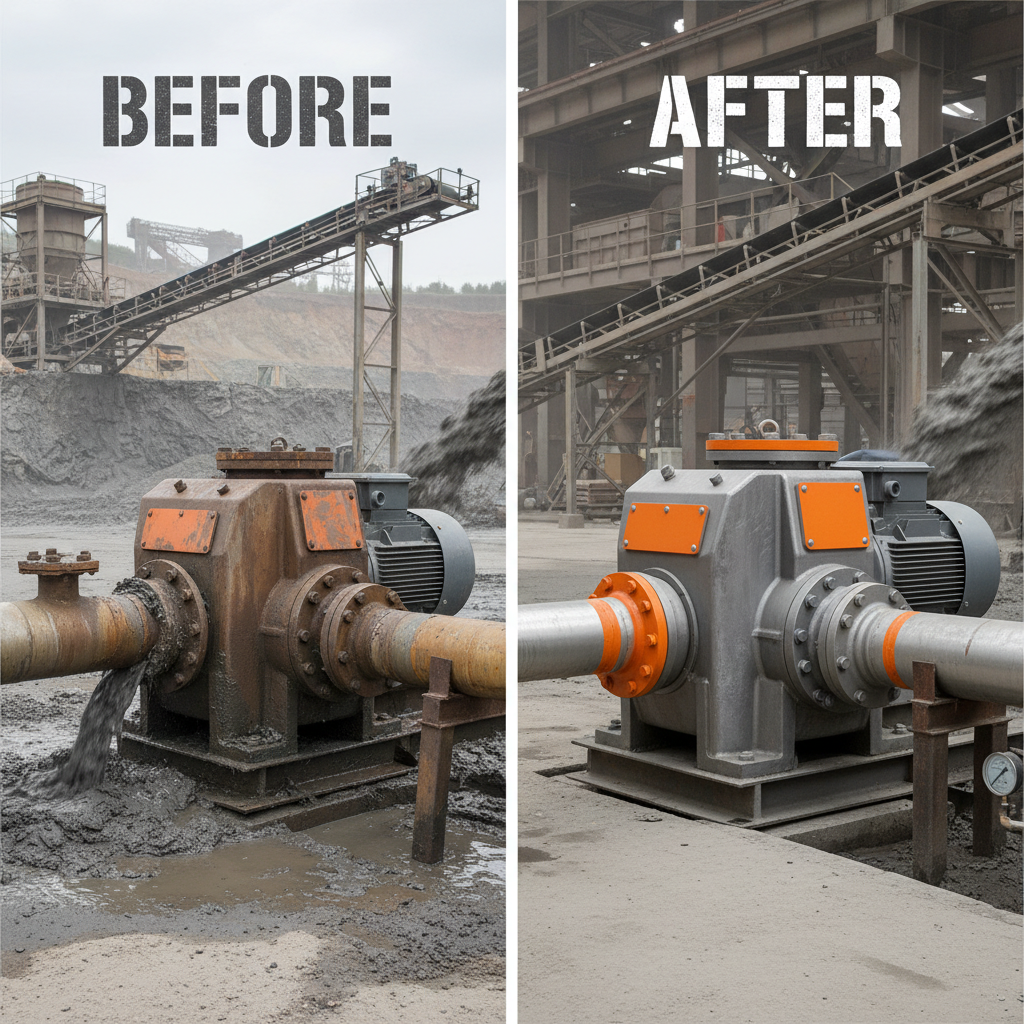
Abrasion is always the biggest challenge. No matter how good your materials are, eventually they’re going to wear down. That's why regular inspection and maintenance are so important. A good preventative maintenance program can extend the life of your pumps significantly.
Another issue is dealing with varying slurry characteristics. Slurries can change in density, viscosity, and particle size. You need pumps that can handle those variations. And of course, the issue of corrosion. Highly corrosive slurries require special materials and coatings. It's a constant battle.
Last month, that small boss in Shenzhen who makes smart home devices insisted on changing the interface to , and the result was… a complete disaster. They didn’t realize the added vibration compromised the seal. Lesson learned, I guess.
Summary of Common Slurry Pump Challenges and Mitigation Strategies
| Challenge |
Impact |
Mitigation Strategy |
Cost Estimate |
| Abrasive Slurry |
Reduced pump lifespan |
Hard metal alloys, rubber liners |
$500 - $2000 |
| Corrosion |
Pump failure, leaks |
Corrosion-resistant materials, coatings |
$800 - $3000 |
| Seal Failure |
Slurry leakage, downtime |
Improved seal design, regular inspection |
$200 - $500 |
| Clogging |
Reduced flow rate, pump overload |
Screens, filters, optimized impeller design |
$100 - $400 |
| Cavitation |
Impeller damage, noise |
Adjust flow rate, lower pump speed |
$0 - $100 (adjustment) |
| Vibration |
Pump damage, seal failure |
Proper alignment, vibration isolation |
$300 - $1500 |
FAQS
It really depends on the slurry’s abrasiveness, but generally, a high-chrome iron impeller in a particularly nasty application might last 6-12 months. A more moderate application could see 2-3 years. It's about regular monitoring and replacement before catastrophic failure. Don’t wait for it to crack!
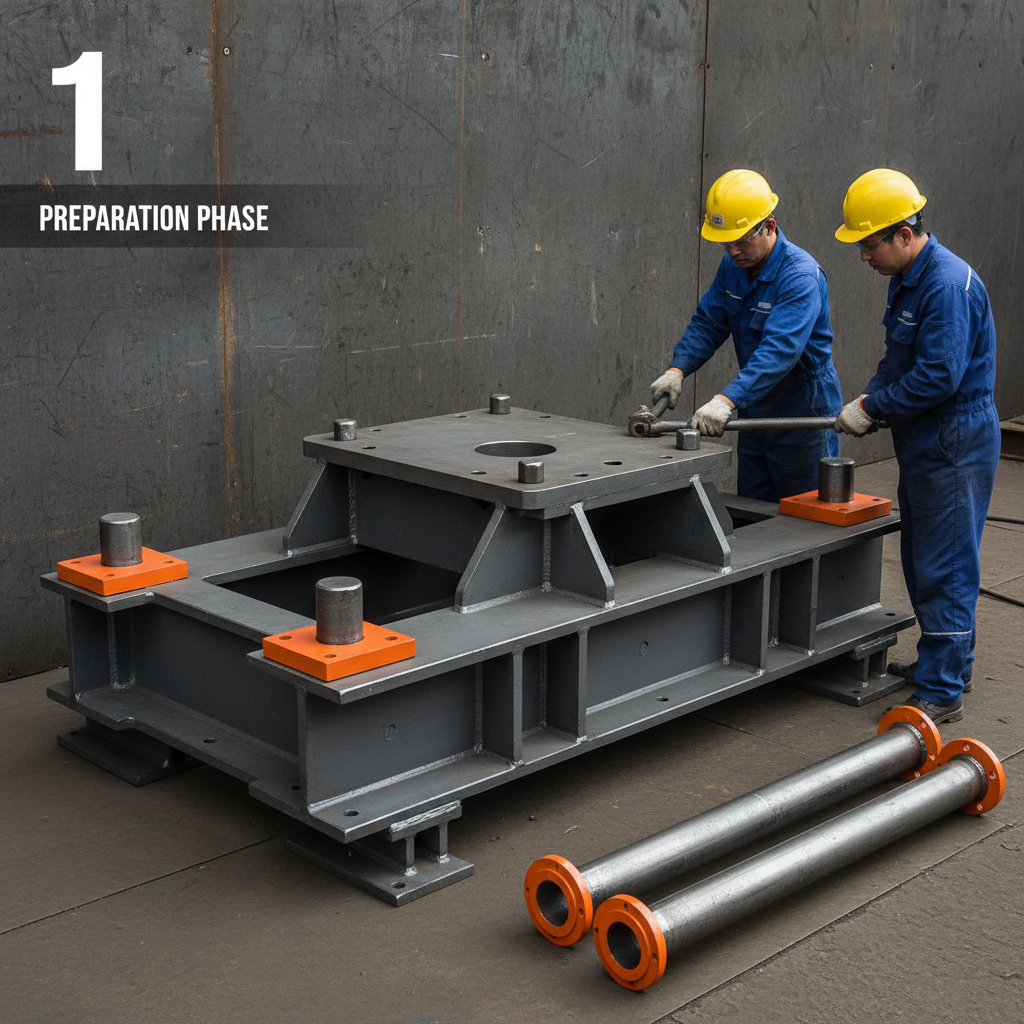
Critical. Absolutely critical. Misalignment leads to excessive vibration, bearing wear, and seal failure. It will shorten the pump's life dramatically. Laser alignment is the way to go, but even a good visual check with a straight edge can catch major issues. Don't skip this step.
VFDs let you control the pump speed, which means you can optimize flow rate and reduce energy consumption. It’s especially useful when the slurry characteristics change frequently. But they add complexity, so you need a skilled technician to set them up and maintain them.
That depends on the slurry's composition and abrasion levels. High-chrome iron is good for general abrasion, while ceramics are best for highly abrasive and corrosive slurries. Polyurethane is a good all-rounder. Get a sample of your slurry and have it tested to determine the best material.
Absolutely. Researchers are working on new alloys with improved wear resistance and corrosion resistance. There's also a lot of interest in ceramic matrix composites, which offer exceptional durability. It’s a slow process, but there's definitely innovation happening.
At a minimum, a visual inspection should be done weekly. Check for leaks, vibration, unusual noises, and wear on the impeller and liners. A more thorough inspection, including a check of the bearings and seals, should be done every six months. Don’t ignore the small stuff.
Conclusion
Ultimately, mining slurry pump manufacturers are all about reliability and minimizing downtime. It’s not about fancy features or cutting-edge technology; it’s about building a pump that can withstand the harsh realities of the mining environment and keep the operation running smoothly. It’s about understanding the slurry, the application, and the long-term cost of ownership.
And remember, the guys on the ground are the ones who matter. They’re the ones who have to deal with the problems when things go wrong. Listen to their feedback, work with them to find solutions, and always prioritize safety. Ultimately, whether this thing works or not, the worker will know the moment he tightens the screw.