Hydraulic slurry pumps are critical components in numerous industrial processes, playing a vital role in the efficient and reliable transfer of abrasive and dense fluids. From mining and wastewater treatment to dredging and chemical processing, these pumps are essential for maintaining operational flow and productivity. Understanding their capabilities, applications, and advancements is paramount for engineers, operators, and stakeholders across diverse sectors. The global demand for effective slurry handling solutions continues to rise, driven by increasing industrialization and stricter environmental regulations.
The significance of hydraulic slurry pumps extends beyond mere fluid transfer; they directly impact cost-effectiveness, environmental sustainability, and operational safety. Inefficient pumping systems can lead to increased energy consumption, higher maintenance costs, and potential environmental hazards due to leaks or spills. Consequently, selecting the right pump, optimizing its performance, and implementing robust maintenance protocols are crucial considerations for businesses aiming to minimize risk and maximize return on investment.
Advancements in hydraulic slurry pump technology are constantly pushing the boundaries of performance and efficiency. These innovations include improved impeller designs, enhanced sealing systems, and the integration of smart monitoring technologies. This allows for predictive maintenance, reduced downtime, and optimized energy usage. A thorough grasp of these developments is vital for those seeking to leverage the latest solutions in slurry handling.
Introduction: Global or Industry Context
The global market for hydraulic slurry pumps is experiencing substantial growth, estimated at USD 4.8 billion in 2023 and projected to reach USD 6.5 billion by 2033, growing at a CAGR of 3.9% from 2024 to 2033 (Source: Future Market Insights). This surge is driven by the expanding mining industry in emerging economies like China and India, coupled with increasing investments in water and wastewater treatment infrastructure worldwide. The demand for pumps capable of handling highly abrasive materials is particularly strong in the oil and gas sector.
However, the industry faces challenges related to energy efficiency and environmental sustainability. Traditional slurry pumps can be energy-intensive, contributing to high operating costs and carbon emissions. There’s a growing need for more efficient designs and materials, as well as intelligent control systems that optimize performance and minimize energy consumption. Regulatory pressures regarding water discharge and waste management are also driving innovation in pump technology.
Furthermore, maintaining the longevity of hydraulic slurry pump systems in harsh operating environments is a significant concern. Corrosion, erosion, and wear-and-tear can lead to frequent downtime and costly repairs. The development of advanced materials, protective coatings, and predictive maintenance solutions are crucial for addressing these challenges and ensuring reliable, long-term performance of hydraulic slurry pump systems.
Definition & Meaning
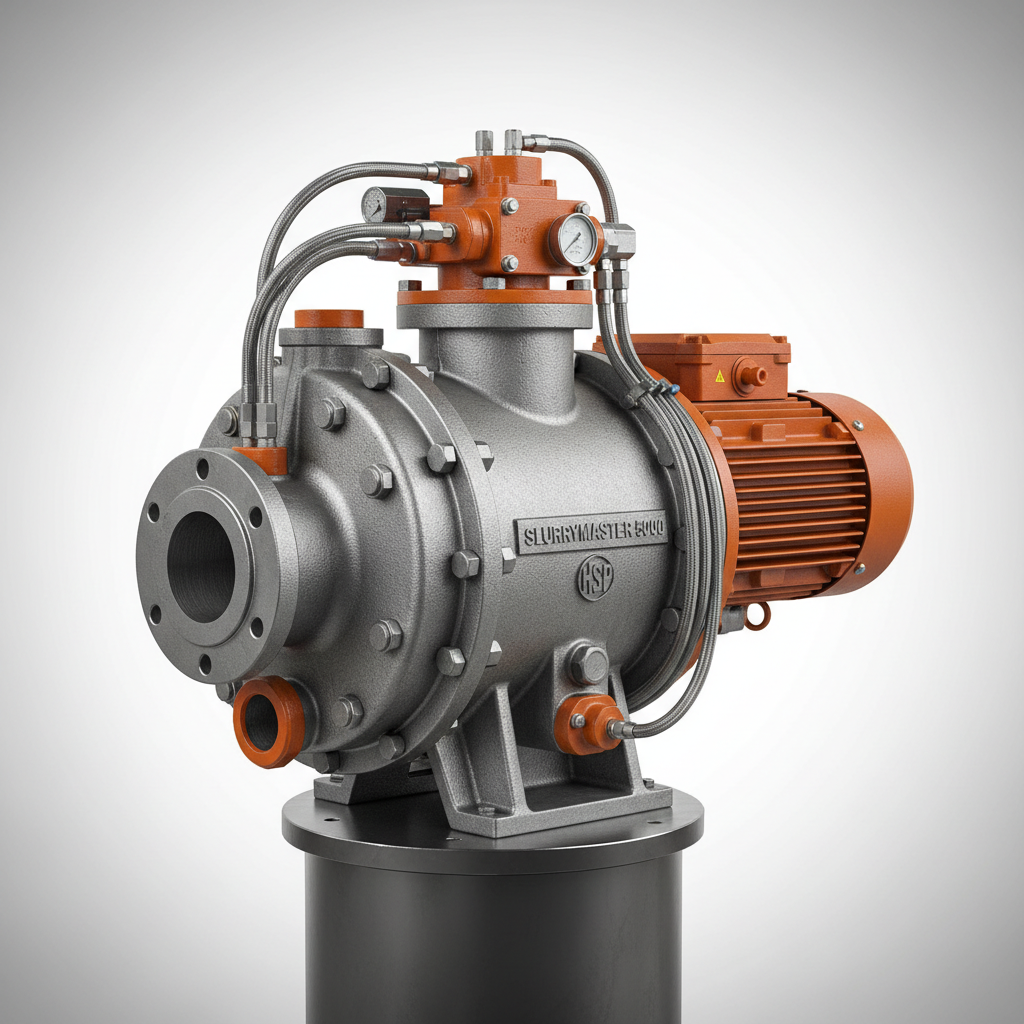
A hydraulic slurry pump is a type of pump specifically designed to move mixtures of liquids and solid particles – known as slurries. Unlike conventional pumps, these are built to withstand the abrasive and erosive effects of the solids present in the fluid. They utilize hydraulic power, typically from a motor driving an impeller, to impart energy to the slurry and propel it through the piping system. The design focuses on minimizing wear, maximizing efficiency, and preventing clogging.
The connection to modern industry is undeniable. Slurries are commonplace in numerous sectors, from extracting minerals from ore to transporting wastewater through treatment plants. Without reliable slurry pumping solutions, many essential industrial processes would grind to a halt. The ability to efficiently handle these challenging fluids is essential for resource extraction, pollution control, and manufacturing.
In humanitarian contexts, hydraulic slurry pumps can play a vital role in disaster relief and infrastructure development. For example, they can be used to remove debris and sediment after floods, or to transport materials for construction projects in remote areas. Efficient slurry handling contributes to improved sanitation, better resource management, and faster recovery efforts, directly impacting the quality of life in vulnerable communities.
Key Factors or Core Components
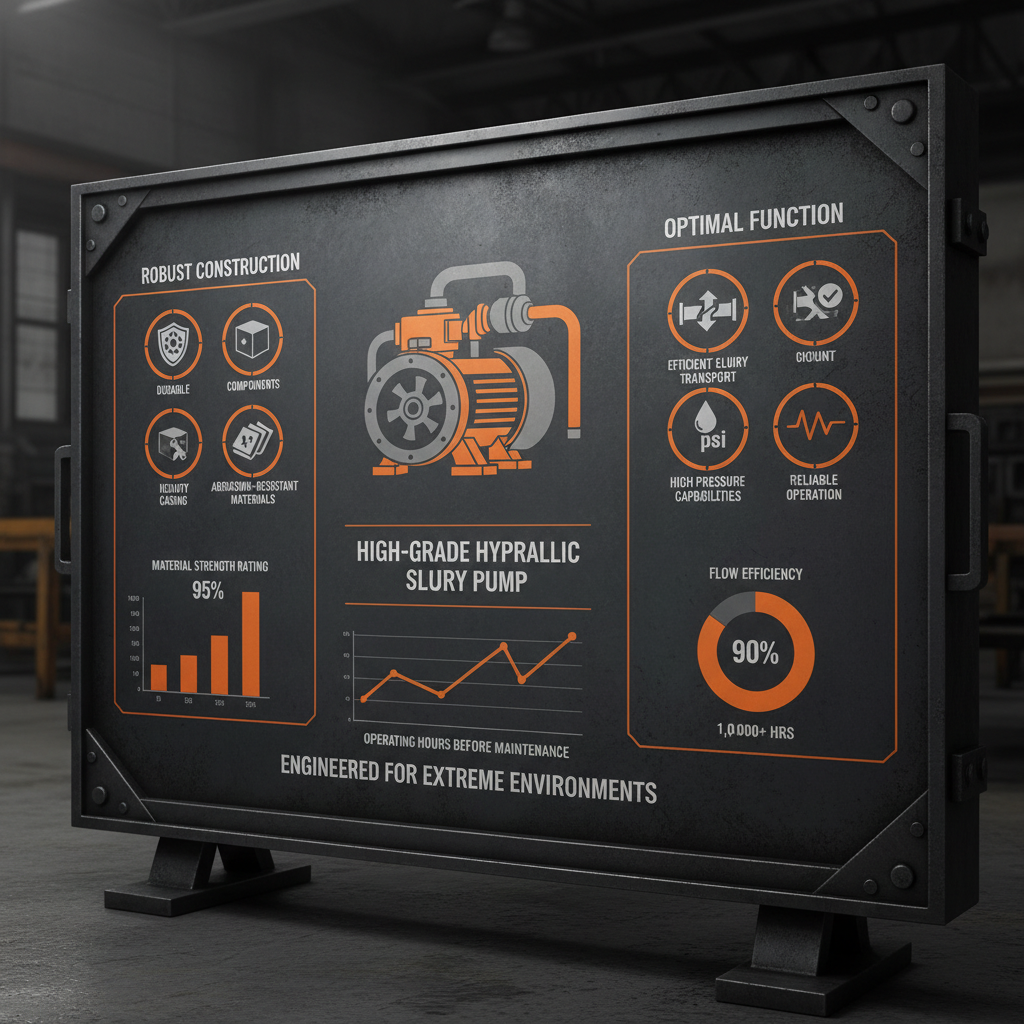
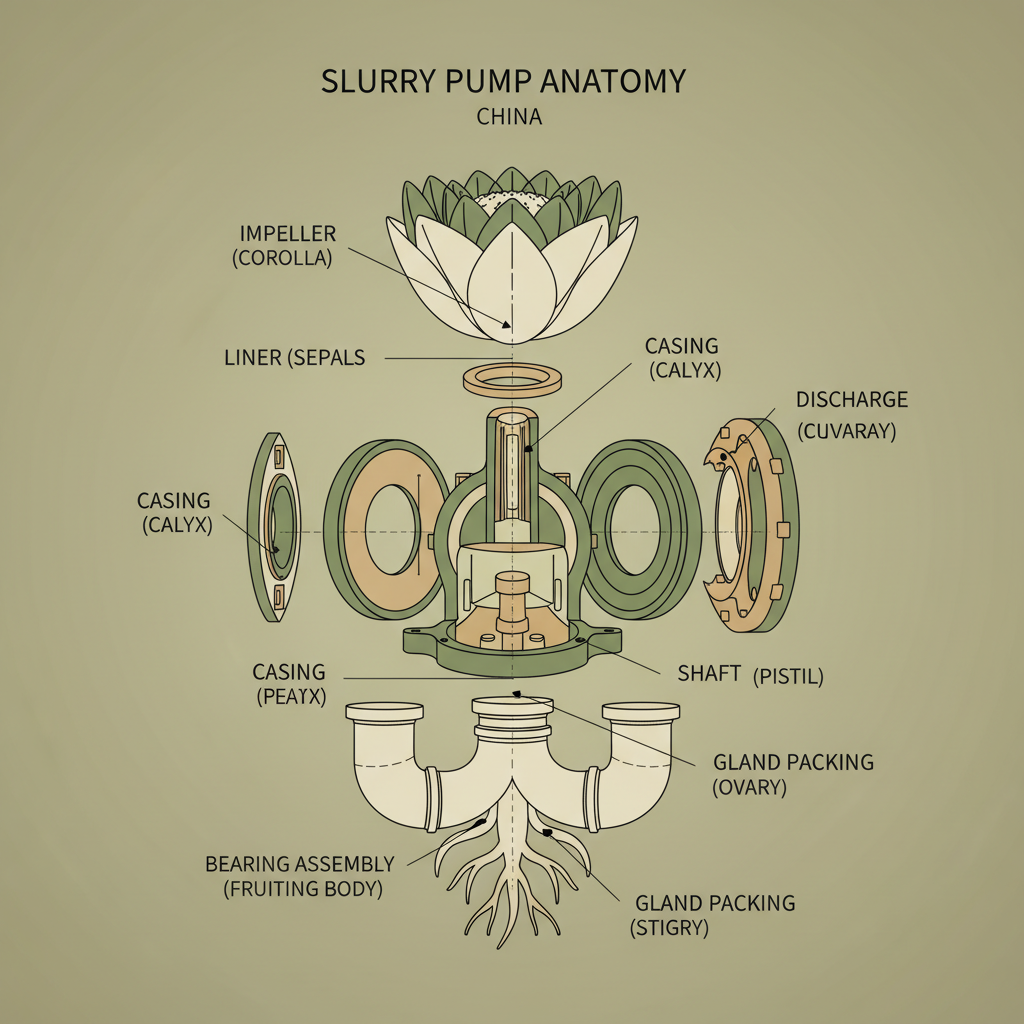
Durability: Hydraulic slurry pumps are constructed from robust materials like high-chrome alloys, hardened steel, and ceramic linings to resist abrasion and corrosion. The lifespan of a pump is directly proportional to its material quality and construction integrity, minimizing downtime and replacement costs.
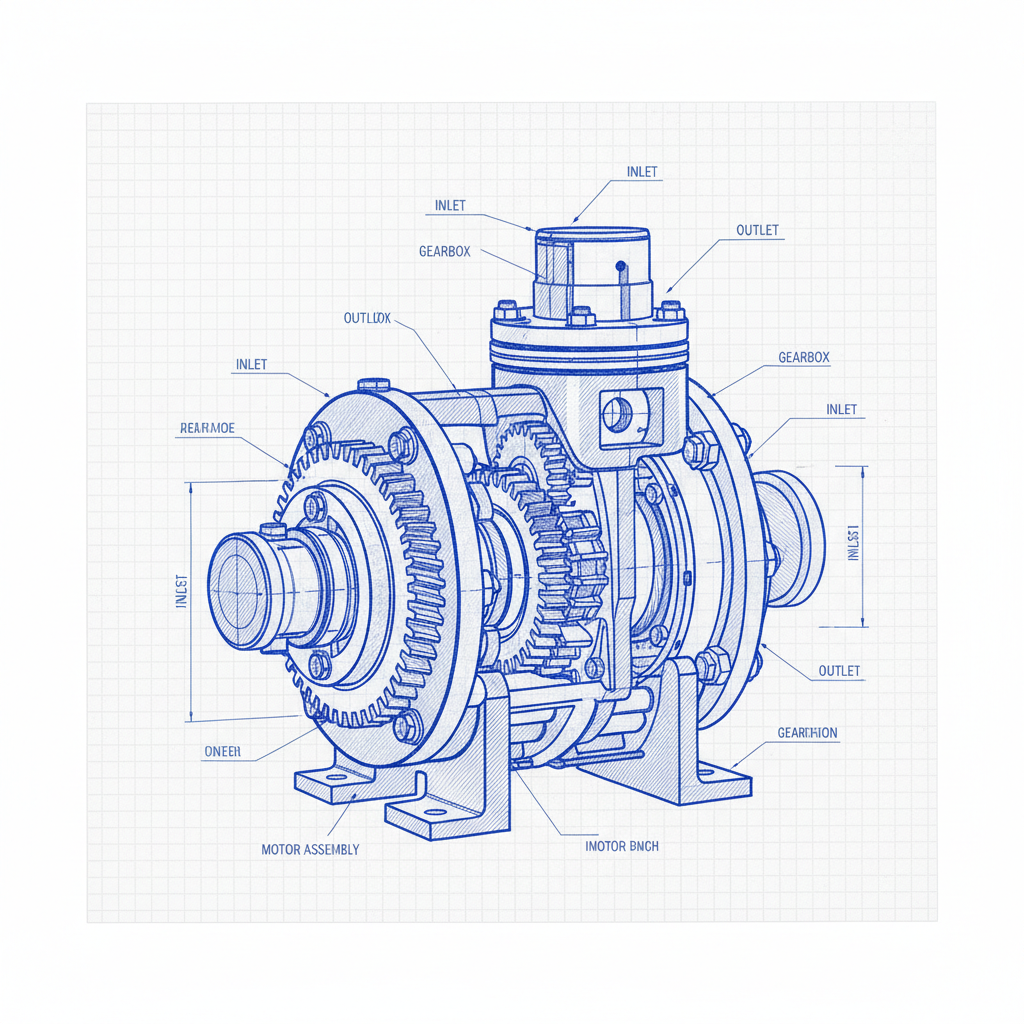
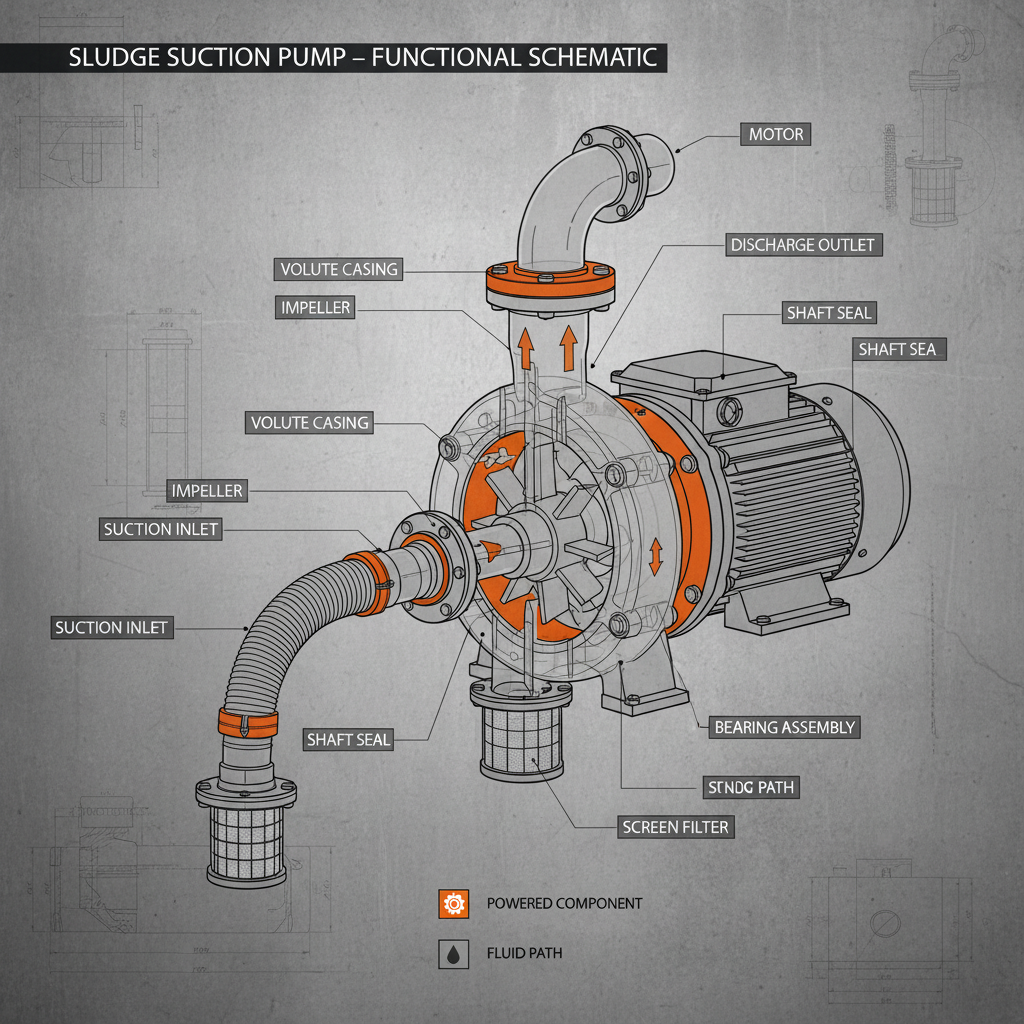
Impeller Design: The impeller is the heart of the pump. Its design – open, semi-open, or closed – significantly impacts the pump's ability to handle solids, its efficiency, and its susceptibility to clogging. Selecting the correct impeller type is crucial for the specific slurry being pumped.
Sealing Systems: Effective sealing is critical to prevent leakage and maintain pump efficiency. Mechanical seals, packing glands, and other sealing technologies are employed to contain the slurry and prevent contamination. Choosing the appropriate sealing system depends on the slurry's composition, pressure, and temperature.
Global Applications & Use Cases
Hydraulic slurry pumps are indispensable in the mining industry, where they are used to transport ore slurries from extraction sites to processing plants. In the power generation sector, they handle fly ash slurries from coal-fired power plants, and in the chemical industry, they move corrosive and abrasive chemical mixtures. These pumps are also vital components in dredging operations, where they remove sediment from waterways and harbors.
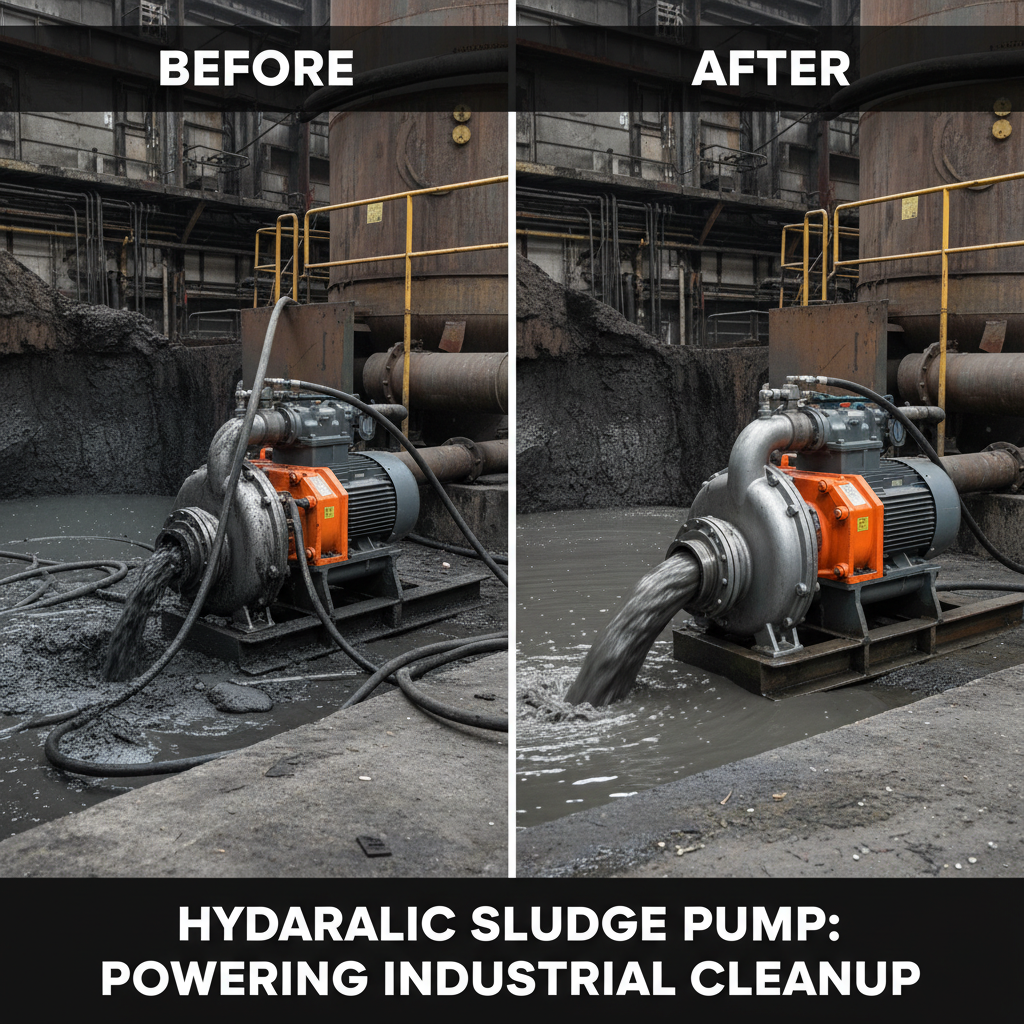
In post-disaster relief operations, hydraulic slurry pumps are deployed to quickly remove debris and mud following floods or landslides. They’re also used extensively in wastewater treatment plants to transport sludge and other solids through various stages of the treatment process. The flexibility and reliability of these pumps make them ideal for challenging environmental conditions.
Geographically, the Asia-Pacific region represents the largest market for hydraulic slurry pumps, driven by rapid industrialization in countries like China and India. North America and Europe also hold significant market shares, owing to established mining and infrastructure industries. South America, particularly Brazil and Chile, is experiencing increasing demand due to ongoing mining projects.
Comparative Efficiency of Different hydraulic slurry pump Methods
Advantages & Long-Term Value
The most tangible benefit of utilizing hydraulic slurry pumps is the reduction in operational costs. Durable construction minimizes downtime and repair frequency, leading to substantial savings over the pump's lifespan. Furthermore, efficient pump designs contribute to lower energy consumption, reducing electricity bills and carbon emissions. The ability to handle abrasive materials without significant wear translates into reduced maintenance requirements.
From a sustainability perspective, hydraulic slurry pumps play a critical role in responsible waste management and environmental protection. They facilitate the efficient treatment of wastewater, minimizing pollution and preserving water resources. Choosing pumps with optimized energy efficiency further reduces the environmental footprint of industrial operations. The long-term value lies in the combination of economic benefits and environmental responsibility.
Future Trends & Innovations
A key trend is the integration of smart technologies, such as IoT sensors and data analytics, into hydraulic slurry pump systems. These sensors monitor pump performance, detect potential issues, and enable predictive maintenance, minimizing downtime and maximizing efficiency. Remote monitoring and control capabilities are also becoming increasingly common.
The development of new materials is another area of innovation. Advanced ceramics, composites, and coatings are being used to enhance pump durability and resistance to abrasion and corrosion. The adoption of variable frequency drives (VFDs) allows for precise control of pump speed, optimizing energy consumption and adapting to changing process requirements. The future of hydraulic slurry pumps will heavily revolve around these digital and material advancements.
Challenges & Solutions
A common challenge is dealing with highly abrasive slurries that can rapidly wear down pump components. One solution is to utilize pumps with hardened wear parts and advanced sealing systems. Another challenge is preventing clogging, especially when handling slurries with large solid particles. Optimizing impeller design and increasing the pump's intake area can mitigate this issue.
Another significant issue is energy inefficiency, particularly with older pump models. Retrofitting existing pumps with VFDs and high-efficiency motors can dramatically reduce energy consumption. Implementing regular maintenance programs, including inspection and replacement of worn components, is also crucial for maintaining optimal performance.
The high initial cost of some advanced hydraulic slurry pump technologies can also be a barrier to adoption. However, the long-term cost savings from reduced maintenance, increased efficiency, and extended pump lifespan often outweigh the initial investment. Conducting a thorough life-cycle cost analysis can help justify the adoption of these advanced solutions.
Summary of Common Challenges and Corresponding Solutions for Hydraulic Slurry Pumps
| Challenge |
Impact on hydraulic slurry pump Performance |
Proposed Solution |
Expected Improvement |
| Abrasive Slurries |
Rapid wear of pump components, reduced lifespan. |
Utilize pumps with hardened wear parts and ceramic linings. |
Increased pump lifespan by 30-50%. |
| Clogging |
Reduced flow rate, increased downtime, potential damage. |
Optimize impeller design and increase intake area. |
Reduced clogging incidents by 40-60%. |
| Energy Inefficiency |
High operating costs, increased carbon emissions. |
Retrofit with VFDs and high-efficiency motors. |
Energy savings of 15-25%. |
| Corrosion |
Material degradation, reduced pump integrity. |
Employ corrosion-resistant materials and protective coatings. |
Extended pump lifespan in corrosive environments by 20-40%. |
| Leakage |
Fluid loss, environmental contamination, safety hazards. |
Implement advanced sealing technologies and regular inspections. |
Reduced leakage incidents by 50-70%. |
| Maintenance Costs |
High expenses for repairs and replacements. |
Implement predictive maintenance programs utilizing sensor data. |
Reduced maintenance costs by 10-20%. |
FAQS
Centrifugal pumps are ideal for high-volume, low-viscosity slurries and are generally more cost-effective. However, they are less efficient with high-solids content. Positive displacement pumps, like piston or diaphragm pumps, excel at handling high-solids concentrations and viscous slurries, offering consistent flow rates but at a higher initial cost. The best choice depends on the specific slurry characteristics and application requirements.
Pump sizing requires careful consideration of several factors including flow rate, head pressure, slurry density, and particle size distribution. It’s crucial to accurately calculate the total dynamic head (TDH), which accounts for elevation changes, friction losses in the piping system, and pressure requirements at the discharge point. Consulting with a pump specialist and providing detailed slurry characteristics is highly recommended.
For corrosive slurries, materials like stainless steel (316, duplex), high-nickel alloys (Hastelloy), and specialized polymers (e.g., PTFE, PVDF) are commonly used. The specific material selection depends on the chemical composition and concentration of the corrosive agent. Proper material selection is critical to prevent pump failure and ensure long-term reliability.
Routine maintenance should be performed at least quarterly, or more frequently depending on the severity of the service conditions. This includes inspecting seals, bearings, and impellers for wear, lubricating moving parts, and checking for leaks. Regular maintenance helps prevent breakdowns, extends pump life, and maintains optimal performance.
A VFD allows you to precisely control the pump speed, optimizing flow rate to match demand and reducing energy consumption. This is particularly beneficial for applications with variable flow requirements. VFDs also provide soft-starting capabilities, reducing stress on the pump and extending its lifespan.
Employ pumps with hardened wear parts, select appropriate materials for the slurry’s abrasiveness, control slurry velocity to reduce erosion, and implement a regular inspection and maintenance schedule to identify and replace worn components promptly. Using liners and coatings can also significantly enhance pump durability.
Conclusion
Hydraulic slurry pumps are indispensable tools across a vast spectrum of industries, enabling the efficient and reliable transfer of challenging fluid mixtures. From their vital role in mining and wastewater treatment to their increasing application in sustainable energy initiatives, these pumps contribute significantly to operational efficiency, environmental protection, and economic growth. Understanding their core components, diverse applications, and emerging technologies is paramount for professionals seeking to optimize performance and minimize risk.
Looking ahead, the continued innovation in materials, smart monitoring systems, and energy-efficient designs promises to further enhance the capabilities of hydraulic slurry pumps. Adopting these advancements and prioritizing proactive maintenance strategies will be essential for maximizing long-term value and ensuring sustainable operations. For reliable and cutting-edge hydraulic slurry pump solutions, visit our website today: www.kingmechpump.com.