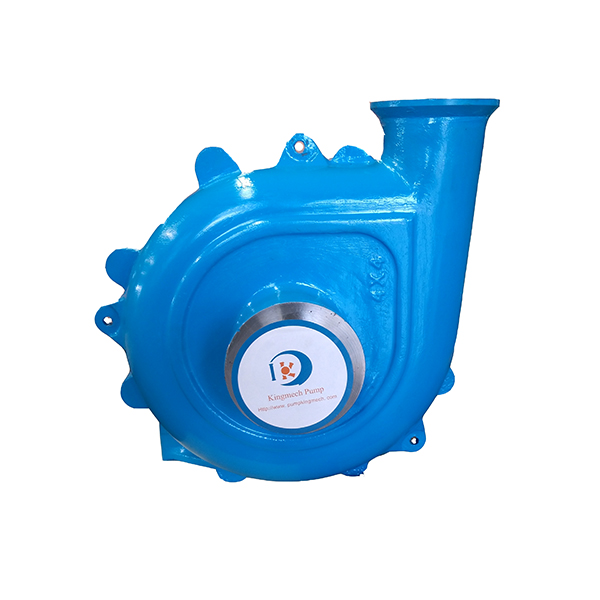
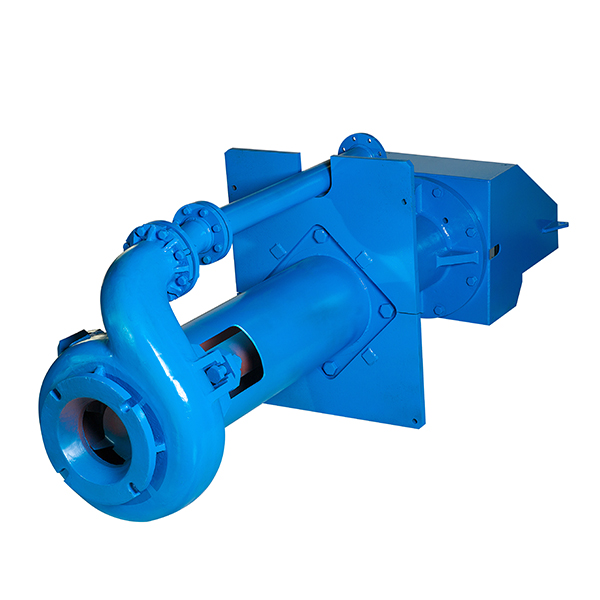
Ghana Mining & Industrial engine driven slurry pump Solutions

High-performance fluid handling engineered for the demanding terrains and abrasive minerals of Ghana's industrial sector.

Ghana Mining & Industrial engine driven slurry pump Solutions

Providing Ghana's mining and construction industries with robust pumping technology designed to handle high-density slurries and corrosive fluids in remote environments.

Operational Realities of Pumping in Ghana

Analyzing the challenges of abrasive slurry transport in West Africa's gold and bauxite hubs.

In Ghana, the pumping industry is heavily driven by the gold mining sector in Obuasi and Tarkwa, alongside emerging lithium exploration. The presence of highly abrasive quartz and hard rock particles necessitates the use of a ceramic slurry pump to prevent premature wear of impellers and casings.

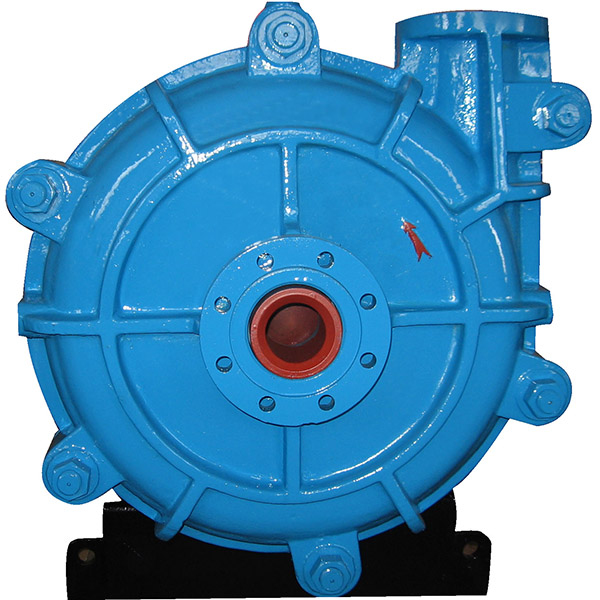
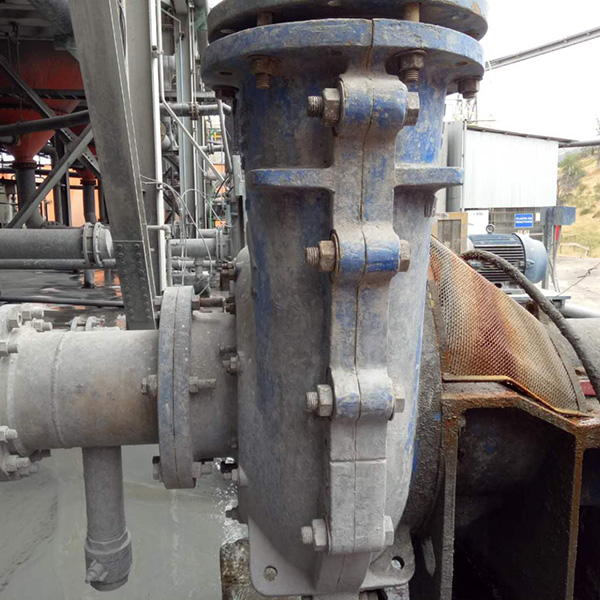
The geographical challenge of Ghana involves remote mine sites with limited access to stable power grids. This environmental constraint makes the engine driven slurry pump the primary choice for site drainage and tailings management, ensuring operational continuity without reliance on electricity.

Furthermore, the tropical climate and heavy seasonal rainfall lead to significant runoff containing silt and debris. Consequently, the demand for a reliable dirty water slurry pump has surged to manage flood control and industrial wastewater across the Ashanti and Western regions.
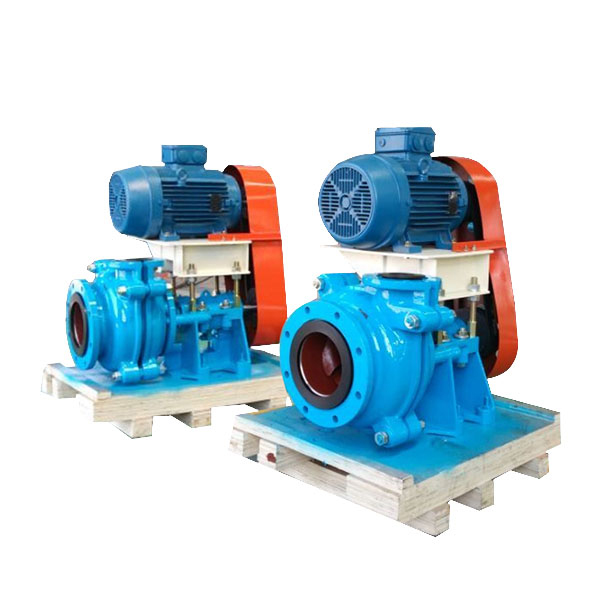
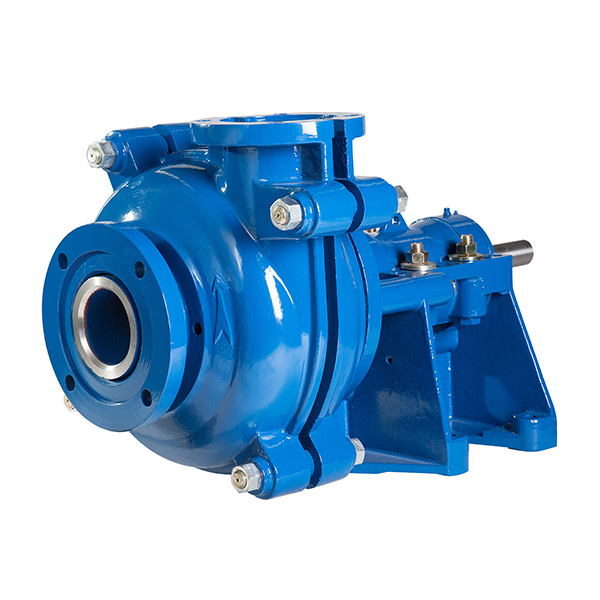
Evolution of Slurry Handling Technology in Ghana

From basic centrifugal units to intelligent, wear-resistant pumping systems.

Market Development History

From 1990 to 2010, Ghana's industry relied on oversized cast-iron pumps that suffered from frequent cavitation and rapid erosion when handling heavy tailings, leading to immense downtime in gold processing plants.

Between 2011 and 2020, the shift toward high-chrome alloys and the introduction of the heavy sludge pump revolutionized the sector, allowing for higher solid concentrations and reduced maintenance cycles in bauxite mining.

Currently, since 2021, the focus has shifted toward specialized chemical compatibility, specifically the deployment of the lithium slurry pump to support the burgeoning green energy mineral extraction projects in the region.

Future Development Trends

Smart Wear Monitoring

Integration of IoT sensors to predict the erosion rate of internal components, moving from scheduled to predictive maintenance.

Energy-Efficient Drive Systems

Transitioning from traditional diesel engines to hybrid and high-efficiency electric drives to reduce the carbon footprint of Ghanaian mines.

Ultra-Hard Material Science

Expansion of silicon carbide and advanced ceramic liners to extend the lifecycle of pumps handling extremely corrosive lithium brines.

Industrial Trends and Future Outlook

Strategic projections for fluid dynamics in West Africa's manufacturing landscape.

Green Mining Transition
Adopting low-emission power sources for slurry transport to meet global ESG standards in Ghana.
Automated Flow Control
Implementation of VFDs to optimize pump speed based on slurry density, reducing energy waste.
Material Innovation
Using nano-ceramic coatings to increase the lifespan of pumps in aggressive mining environments.
Modular Deployment
Skid-mounted pumping stations for rapid deployment in Ghana's artisanal and small-scale mining sites.

Industry Outlook

Google search trends indicate a rising interest in "sustainable mining technology" within the West African region. This correlates with a shift toward high-efficiency slurry pumps that minimize water waste and energy consumption during the ore transport phase.

Over the next 3-5 years, we expect the Ghanaian market to transition from general-purpose pumps to application-specific solutions, where the precision of a lithium slurry pump will be critical for the purity and yield of battery-grade minerals.

Localized Application Scenarios in Ghana

Real-world deployment of high-performance pumps in Ghana's most challenging environments.

1. Gold Tailings Management in Ashanti Region

Utilizing the heavy sludge pump to transport high-density gold ore waste to tailings dams, ensuring zero leakage and minimal environmental impact.

2. Remote Bauxite Site Drainage

Deploying the engine driven slurry pump for rapid water removal in open-pit bauxite mines where electrical infrastructure is unavailable.

3. Lithium Ore Processing in Emerging Mines

Implementing a specialized lithium slurry pump to handle the specific chemical properties and viscosity of lithium-bearing pegmatites.

4. Urban Flood Control in Accra

Using the dirty water slurry pump to clear sediment-heavy floodwaters from drainage systems during the monsoon season.

5. Abrasive Mineral Washing Plants

Integrating the ceramic slurry pump into mineral washing circuits to resist the extreme erosion caused by quartz sand and grit.

Brand Story

Global Development History of Hebei Xiangmai Pump Industry Co., Ltd.

Foundational Engineering

Established with a focus on heavy-duty fluid dynamics, specializing in the core mechanics of abrasive slurry transport.

Material Breakthrough

Pioneered the integration of high-chrome alloys and ceramics to solve the pain point of rapid impeller wear in mining.

Global Market Expansion

Expanded operations into Africa and Southeast Asia, tailoring pump designs for tropical climates and remote site conditions.

Technological Diversification

Developed specialized lines for the battery mineral sector, creating industry-leading solutions for lithium and cobalt slurries.

Sustainable Future

Committed to reducing the energy footprint of global mining through intelligent flow control and eco-friendly materials.

Comprehensive Pumping Portfolio for Ghana

A full spectrum of slurry and sludge solutions tailored for West African mining and industrial needs.

Ghana Industrial Pumping FAQ

Technical answers for the most common challenges in Ghanaian slurry transport.

How do I choose the right ceramic slurry pump for gold mine tailings in Ghana?

Selection should be based on the percentage of solids, the Mohs hardness of the minerals (typically quartz in Ghana), and the required flow rate to ensure maximum wear resistance.

Are engine driven slurry pumps suitable for remote sites in the Western Region?

Yes, they are ideal for locations lacking electrical grids, providing independent power for critical tasks like pit dewatering and slurry transfer.

What is the advantage of a lithium slurry pump over standard models?

Lithium slurry pumps are engineered with specific chemical-resistant liners to prevent corrosion from the processing agents used in lithium extraction.

Can a dirty water slurry pump handle high-viscosity sludge?

While they handle particulates well, for extremely high-viscosity fluids, we recommend upgrading to a dedicated heavy sludge pump for better efficiency.

How often should wear parts be replaced in a heavy sludge pump operating in Ghana?

Replacement cycles vary by slurry abrasiveness; however, using high-chrome parts typically extends the interval to 6-12 months in standard Ghanaian mining conditions.

Do your pumps comply with Ghana's environmental regulations for mining?

Our pumps are designed for zero-leakage performance and high energy efficiency, helping operators comply with EPA Ghana's strict environmental guidelines.

Get Expert Pumping Advice

Our technical team is ready to optimize your fluid handling operations across Ghana. Contact us for a custom system design today.

Contact Us Now
tel
email
tel
goTop

If you are interested in our products, you can choose to leave your information here, and we will be in touch with you shortly.