
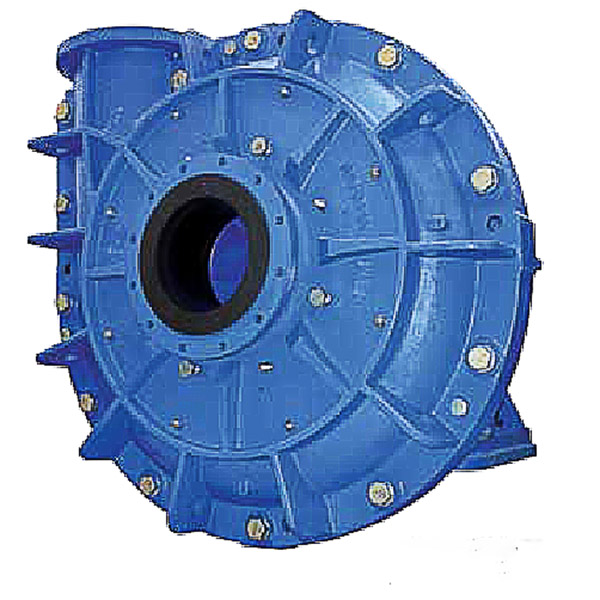
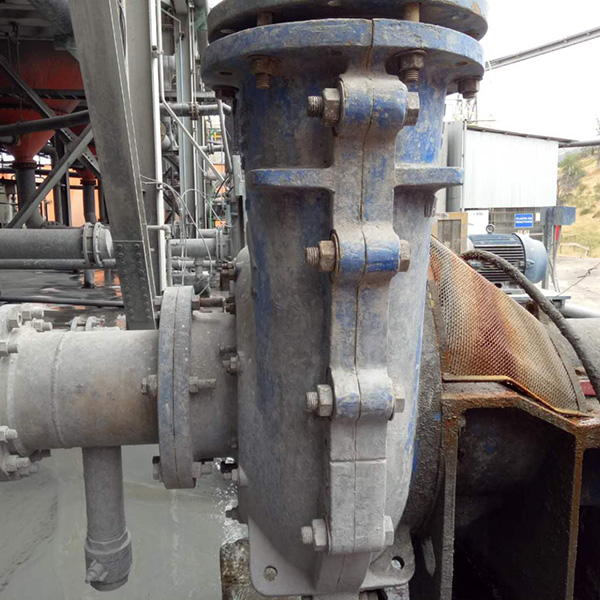
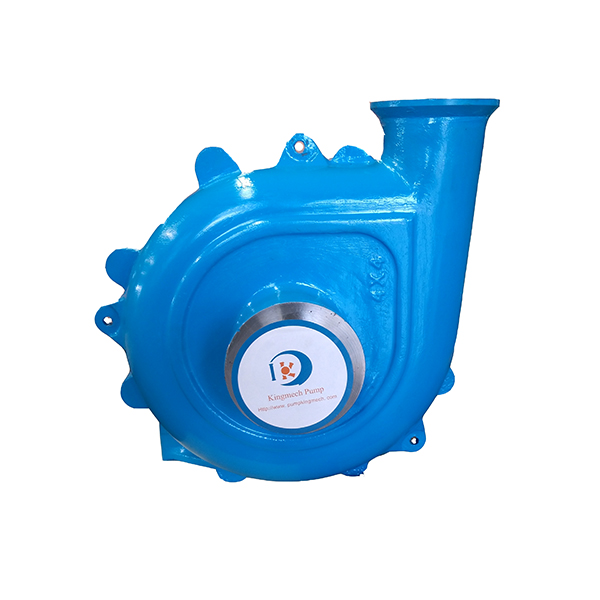
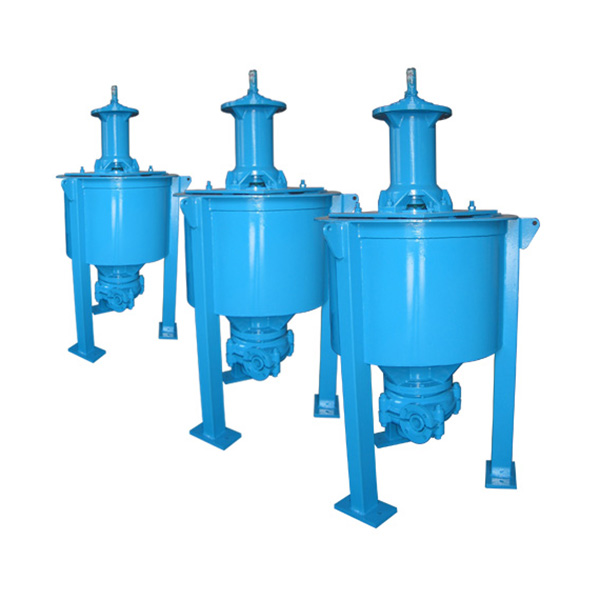
Heavy-Duty engine driven slurry pump Solutions for Afghanistan

Providing high-performance fluid handling technology to overcome the toughest mining and industrial challenges across the Afghan terrain.

Heavy-Duty engine driven slurry pump Solutions for Afghanistan

Engineering robust pumping systems designed to handle abrasive solids and corrosive liquids in remote Afghan mining sites and industrial zones.

Industrial Pumping Realities in Afghanistan

Analyzing the operational challenges of fluid transport in high-altitude and remote environments.

Afghanistan's industrial landscape is characterized by extreme geographical diversity, where mining operations often face severe abrasive wear. The demand for a ceramic slurry pump is rising as local enterprises seek to reduce downtime caused by the highly corrosive nature of mineral tailings found in the Hindu Kush region.

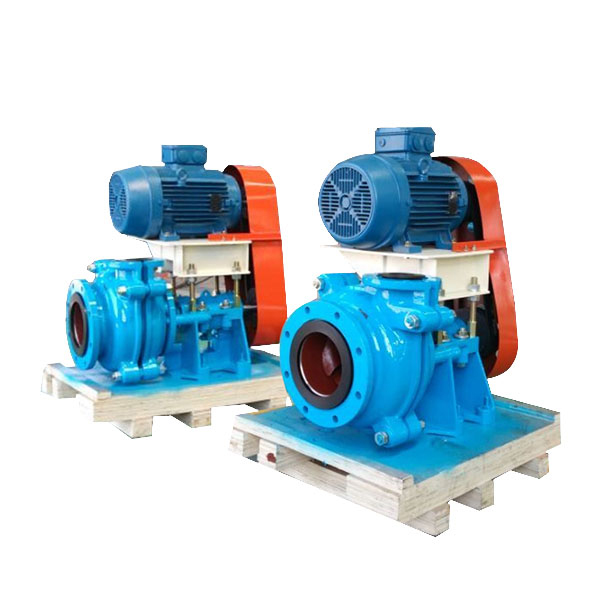
Due to the inconsistent power grid in many provinces, there is a critical dependency on autonomous power sources. This has led to a surge in the deployment of the engine driven slurry pump, allowing operators to move materials in off-grid locations without relying on unstable electrical infrastructure.

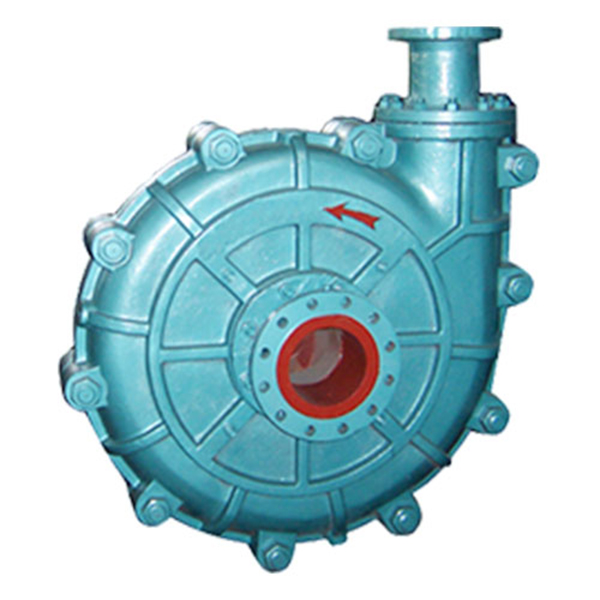
Furthermore, the management of wastewater and tailings ponds requires a specialized dirty water slurry pump to prevent environmental contamination. The presence of heavy sediments in seasonal runoff makes high-torque, wear-resistant equipment a necessity for sustainable industrial growth in the region.
Evolution of Slurry Transport Technology

From basic mechanical lifts to advanced materials science in pumping systems.

Market Development History

In the early 2000s, pumping in Afghanistan relied heavily on imported generic centrifugal pumps which suffered from rapid impeller erosion. These traditional systems failed frequently when handling the dense mineral ores typical of the region.

By 2010-2015, the industry shifted toward hardened alloys and the introduction of the heavy sludge pump. This era marked a transition toward "heavy-duty" specifications, focusing on wall thickness and wear-plate durability to extend service intervals.

Currently, the market is entering a precision phase. The integration of specialized liners and the adoption of the lithium slurry pump for emerging battery-metal processing indicates a shift toward high-purity, high-efficiency chemical handling.

Future Development Trends

Smart Monitoring Integration

Integration of IoT sensors to monitor wear rates in real-time, reducing the cost of emergency maintenance in remote Afghan valleys.

Advanced Composite Materials

Transitioning from standard alloys to silicon carbide and advanced ceramics to virtually eliminate abrasion in high-velocity slurry lines.

Hybrid Power Systems

Development of diesel-electric hybrid drives to optimize fuel consumption for long-term pumping projects in isolated mining sectors.

Strategic Outlook for Fluid Handling

Forecasting the technological trajectory of pumping systems in Central Asia.

Energy Autonomy
Expansion of engine-driven configurations to bypass infrastructure gaps in rural Afghanistan.
Material Specialization
Increased use of high-chrome alloys and ceramics for extreme abrasion resistance.
Sustainable Mining
Implementing closed-loop slurry systems to reduce water waste in arid regions.
Process Automation
Transitioning to PLC-controlled pump arrays for optimized slurry concentration.

Industry Outlook

Based on current search trends and regional industrial growth, the demand for specialized slurry handling in Afghanistan is expected to grow by 15% annually. The focus is shifting from "low-cost acquisition" to "lowest total cost of ownership" (TCO), favoring durable pumps that require fewer replacements.

Future infrastructure projects in the mining sector will likely mandate the use of high-efficiency heavy sludge pump systems that can handle varying viscosity levels, ensuring a more stable production chain for mineral exports.

Localized Application Scenarios in Afghanistan

Practical implementations of slurry pumping technology across diverse Afghan sectors.

01. Copper and Iron Mine Tailings

Utilizing the ceramic slurry pump to transport highly abrasive mineral tailings from extraction points to storage facilities, significantly reducing impeller wear.

02. Off-Grid Site Drainage

Deploying the engine driven slurry pump for rapid water removal and sediment clearance in remote excavation sites where electricity is unavailable.

03. Industrial Wastewater Treatment

Implementing the dirty water slurry pump to handle contaminated industrial runoff, ensuring effluent is moved efficiently to treatment ponds.

04. Heavy Sediment Dredging

Applying the heavy sludge pump for the maintenance of irrigation canals and reservoirs filled with dense silt and organic debris.

05. Rare Earth Mineral Processing

Using the lithium slurry pump in the emerging chemical processing plants for the precise handling of lithium-based compounds and slurries.

Brand Story

Global Development History of Hebei Xiangmai Pump Industry Co., Ltd.

Foundational Engineering

Established with a mission to solve the most critical wear problems in the pumping industry through rigorous metallurgical research.

Material Breakthroughs

Developed proprietary high-chrome alloy liners that increased pump lifespan by 200% for heavy mining applications.

Global Market Expansion

Expanded operations to Central Asia and Africa, tailoring pump designs to withstand extreme climates and remote operating conditions.

Innovation in Automation

Introduced smart-drive systems and precision-engineered impellers for the global lithium and rare earth processing markets.

Commitment to Sustainability

Focusing on energy-efficient fluid transport to help global mining industries reduce their carbon footprint and water consumption.

Comprehensive Pumping Portfolio for Afghanistan

A full range of slurry and sludge solutions engineered for extreme durability and operational flexibility.

Frequently Asked Questions in Afghanistan

Technical guidance and operational support for local industrial pump users.

How to maintain a ceramic slurry pump in dusty environments?

Ensure that the seals are regularly inspected and cleaned to prevent fine dust from compromising the mechanical seal, and use high-grade lubricants to protect moving parts from particulate contamination.

What are the advantages of an engine driven slurry pump for remote mining?

They provide complete energy independence, allowing operations to continue in areas without a power grid and offering higher mobility for temporary site setups.

Can a dirty water slurry pump handle high-viscosity tailings?

Yes, as long as the pump is specified for the correct solids percentage and particle size; our pumps feature wide-passage impellers to prevent clogging during high-viscosity transport.

How often should a heavy sludge pump be serviced in high-wear conditions?

Depending on the slurry abrasiveness, we recommend a visual inspection of the wear plate and impeller every 500 operational hours to avoid catastrophic failure.

Is the lithium slurry pump compatible with corrosive chemicals?

Our lithium series pumps utilize specialized corrosion-resistant linings and seals specifically designed to handle the chemical aggressiveness of lithium processing agents.

What is the best way to prevent cavitation in high-altitude pumping?

Increasing the NPSH (Net Positive Suction Head) available by lowering the pump elevation relative to the fluid source or using a booster pump to maintain pressure.

Get Expert Pumping Advice Today

Our engineers are ready to provide customized slurry solutions for your projects in Afghanistan.

Contact Us Now
tel
email
tel
goTop

If you are interested in our products, you can choose to leave your information here, and we will be in touch with you shortly.