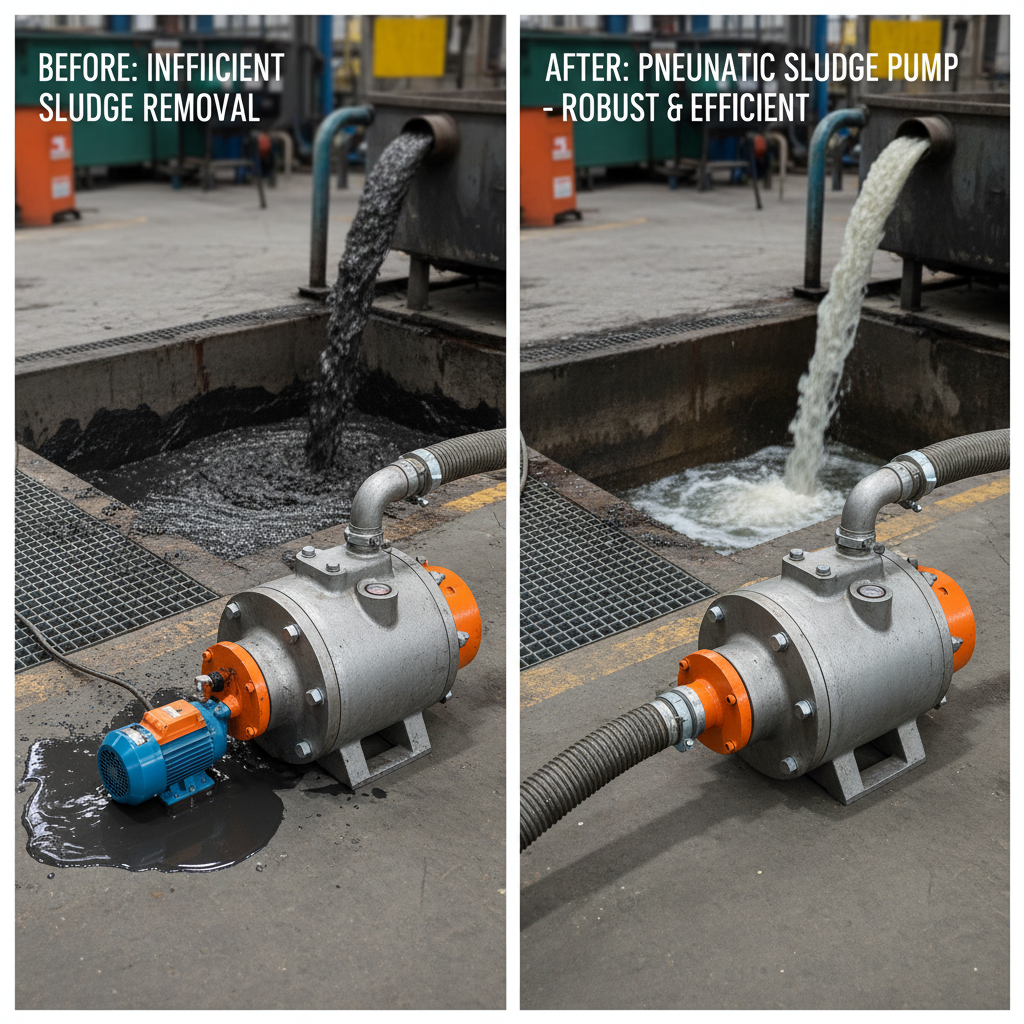
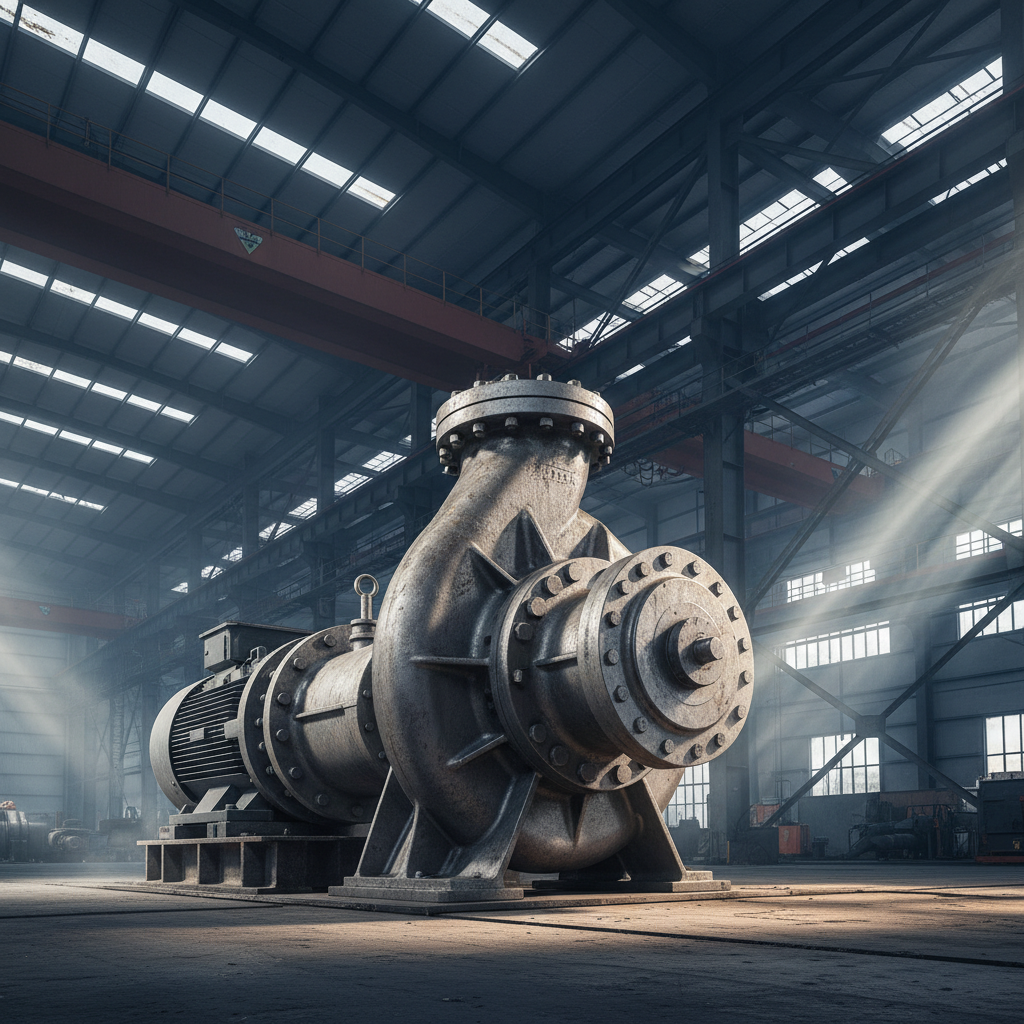
The global transition toward sustainable energy has placed an unprecedented spotlight on the extraction and processing of critical minerals. At the heart of this industrial evolution is the lithium slurry pump, a specialized piece of machinery designed to handle the abrasive and corrosive nature of lithium-bearing ores and processed slurries. Without high-efficiency pumping solutions, the supply chain for lithium-ion batteries—the backbone of electric vehicles and renewable energy storage—would face significant bottlenecks.
Operating in the challenging environments of salt flats and hard-rock mines, these pumps must withstand constant wear from particulate matter while maintaining steady flow rates. The technical demand for a lithium slurry pump goes beyond simple fluid transport; it involves managing precise concentrations of solids to optimize the chemical recovery of lithium carbonate and hydroxide. This ensures that the production process remains economically viable and environmentally sustainable.
Understanding the nuances of slurry transport is essential for mine operators and chemical engineers aiming to reduce downtime and operational expenditure. By integrating advanced materials and hydraulic designs, the modern lithium slurry pump transforms a volatile, abrasive substance into a manageable industrial stream, paving the way for a greener global economy.
Global Industry Context of Lithium Slurry Pumps
The surge in demand for battery-grade lithium has led to a rapid expansion of mining operations in the "Lithium Triangle" of South America and hard-rock deposits in Australia and China. According to data aligned with International Energy Agency (IEA) projections, the demand for lithium is expected to grow exponentially over the next decade. This growth puts immense pressure on the midstream processing phase, where the lithium slurry pump becomes the critical link between extraction and refining.
The primary challenge in this sector is the aggressive nature of the medium. Lithium slurries often contain high concentrations of abrasive minerals and corrosive chemicals, which can erode standard industrial pumps within weeks. Consequently, the industry has shifted toward Heavy Abrasive Duty Slurry Pumps that utilize high-chrome alloys and specialized liners to ensure continuous operation in harsh environments.
Defining the Lithium Slurry Pump Architecture
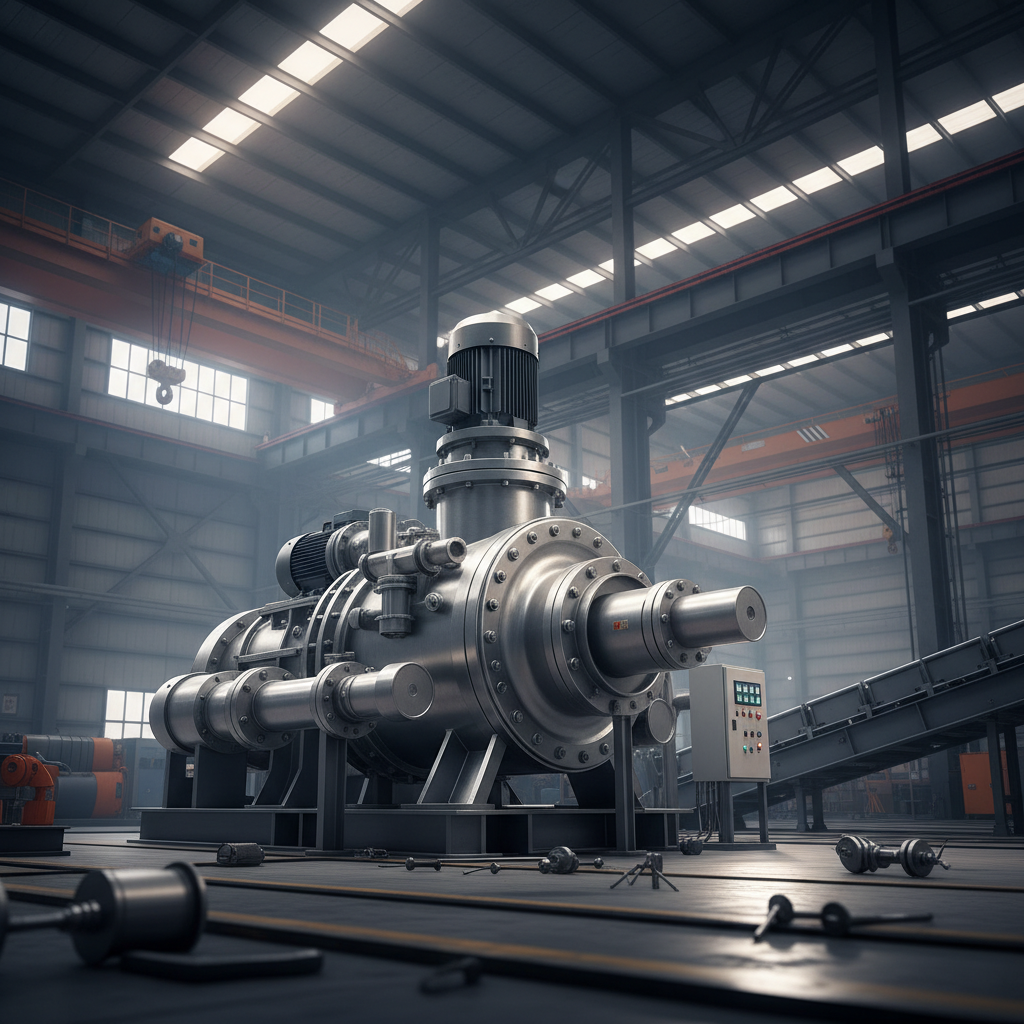
A lithium slurry pump is a heavy-duty centrifugal pump specifically engineered to transport a mixture of solid particles (slurry) and liquid. Unlike water pumps, these machines are designed with wider clearances and specialized impeller geometries to prevent clogging and minimize the impact of particle collisions against the pump casing.
In the context of modern lithium processing, these pumps serve as the circulatory system of the plant. Whether it is moving raw ore pulp in a leaching circuit or transporting concentrated lithium brine, the pump must maintain a precise flow velocity to keep solids in suspension. If the velocity drops too low, particles settle, leading to pipe blockages and catastrophic system failure.
The connection to humanitarian and global needs is clear: the efficient production of lithium is a prerequisite for the decarbonization of transport. By optimizing the design of the lithium slurry pump, manufacturers can lower the cost of battery production, making electric vehicles more accessible and accelerating the global transition away from fossil fuels.
Core Components for Maximum Durability
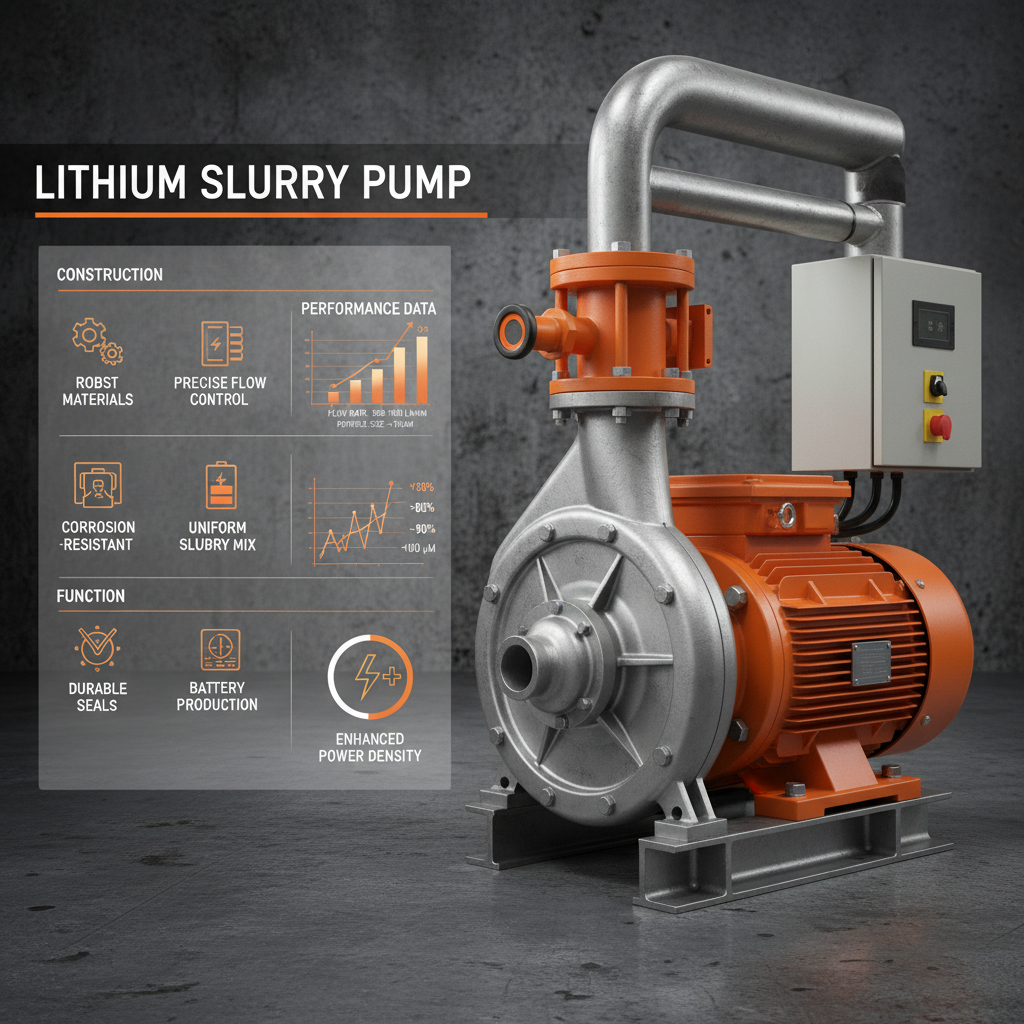
The resilience of a lithium slurry pump depends heavily on its material composition. High-chrome white iron and natural rubber liners are commonly employed to shield the pump's interior from the scouring action of lithium minerals. These materials ensure that the pump can operate for thousands of hours before requiring maintenance.
Another critical factor is the impeller design. A specialized lithium slurry pump often features an open or semi-open impeller to handle larger particles and reduce the risk of plugging. The balance between hydraulic efficiency and wear resistance is the key engineering challenge in these components.
Finally, the sealing system—typically consisting of mechanical seals or specialized gland packing—prevents the abrasive lithium slurry from leaking into the bearing housing. This protection is vital, as any ingress of particulate matter would lead to rapid bearing failure and unplanned downtime in a high-stakes production environment.
Performance Metrics and Efficiency Analysis
Evaluating the effectiveness of a lithium slurry pump requires looking at the Total Dynamic Head (TDH) and the Net Positive Suction Head (NPSH). Because lithium slurries have a higher density than water, the pump must generate significantly more power to move the same volume of fluid, making motor efficiency a top priority for operational cost reduction.
Moreover, the "wear life" metric is the most scrutinized variable. By comparing different liner materials and impeller configurations, plant managers can determine the optimal maintenance cycle. A pump that offers a 20% increase in wear life can save a large-scale lithium operation millions of dollars in annual replacement costs and lost production.
Efficiency Comparison of Lithium Slurry Pump Configurations
Global Applications in Lithium Extraction
In the brine pools of Chile and Argentina, the lithium slurry pump is used to move concentrated brines from evaporation ponds to processing plants. These pumps must be highly resistant to corrosion due to the high salt content, often requiring duplex stainless steel or specialized polymer coatings to prevent structural degradation.
Conversely, in spodumene mining operations in Australia, Vertical Slurry Pumps are deployed to lift abrasive ore pulps from deep sumps. These installations focus on sheer power and abrasion resistance, as the hard-rock particles are far more aggressive than brine. This versatility ensures that regardless of the lithium source, there is a pumping solution capable of handling the specific chemical and physical load.
Long-Term Value and Sustainability Impact
The long-term value of investing in a high-quality lithium slurry pump lies in the reduction of the total cost of ownership (TCO). While the initial capital expenditure for a premium pump may be higher, the decrease in unplanned outages and the extension of mean time between failures (MTBF) provide a superior return on investment.
From a sustainability perspective, energy-efficient pumps reduce the carbon footprint of the lithium extraction process. By optimizing the hydraulic flow and reducing internal turbulence, modern pumps consume less electricity per ton of lithium processed, aligning the mining operation with the overall goal of "green" energy production.
Beyond the numbers, there is a trust factor involved. For global mining conglomerates, reliability is synonymous with safety. A pump failure in a remote industrial zone can lead to hazardous spills or dangerous maintenance conditions. A reliable lithium slurry pump ensures a stable, safe, and predictable working environment.
Future Innovations in Slurry Handling
The future of lithium slurry pump technology is moving toward "Smart Pumping." The integration of IoT sensors allows for real-time monitoring of liner thickness and vibration levels. This shift from reactive to predictive maintenance means that a pump can be serviced exactly when needed, eliminating wasteful early replacements and preventing catastrophic failures.
Material science is also evolving, with the introduction of nano-ceramic composites that offer hardness levels far exceeding traditional high-chrome alloys. These new materials will allow lithium slurry pumps to handle even higher solids concentrations, reducing the amount of water required in the processing circuit and significantly lowering the environmental impact of mining.
Furthermore, the rise of automation is enabling the use of Variable Frequency Drives (VFDs) that automatically adjust the pump speed based on the slurry density. This ensures that the system always operates at its Best Efficiency Point (BEP), maximizing energy savings and extending the lifespan of the mechanical components.
Comparison of Lithium Slurry Pump Technologies and Material Performance
| Pump Type |
Primary Material |
Abrasion Resistance |
Typical Application |
| Heavy Duty Centrifugal |
High-Chrome Alloy |
9/10 |
Hard Rock Mining |
| Vertical Slurry Pump |
Rubber Lined Steel |
7/10 |
Sump Dewatering |
| Corrosion-Resistant Pump |
Duplex Stainless |
6/10 |
Brine Evaporation |
| Medium-Sized Slurry Pump |
Chrome Iron |
8/10 |
Intermediate Processing |
| Smart-Sensor Pump |
Hybrid Ceramic |
10/10 |
High-Precision Refining |
| Standard Slurry Pump |
Cast Iron |
4/10 |
Low-Concentration Waste |
FAQS
A lithium slurry pump is specifically designed to handle solids. It uses abrasion-resistant materials like high-chrome alloys and features a specialized impeller geometry to prevent clogging and reduce the wear caused by the abrasive nature of lithium ore particles, whereas water pumps would erode rapidly under these conditions.
The choice depends on the particle size and chemistry. Rubber liners are excellent for fine, abrasive particles and offer great corrosion resistance. Chrome alloys are superior for larger, sharper particles and high-impact environments typical of hard-rock lithium mining. A professional site audit is recommended to determine the exact slurry characteristics.
Yes, provided the pump is constructed from corrosion-resistant materials. For lithium brine applications, we recommend duplex stainless steel or specialized polymers to prevent chloride-induced stress corrosion cracking, which is common in salt-flat extraction zones.
Lifespan varies wildly based on the solids concentration and flow velocity. However, with high-chrome alloy components, many operations see service lives ranging from 6 to 18 months. Implementing VFDs to maintain the Best Efficiency Point (BEP) can significantly extend this lifespan.
Because slurries are denser than water, they require more energy to transport. By using hydraulically optimized impellers and energy-efficient motors, a modern lithium slurry pump can reduce energy costs by 10-15% compared to outdated, inefficient designs.
Absolutely. Vertical Slurry Pumps are ideal for lifting slurry from sumps or pits. They save floor space and utilize a vertical cantilever design that eliminates the need for a bottom bearing, reducing the risk of contamination and failure in abrasive lithium environments.
Conclusion
The lithium slurry pump is more than just a piece of industrial equipment; it is a fundamental enabler of the global energy transition. By combining advanced material science with precision hydraulic engineering, these pumps allow the mining industry to extract and process critical minerals with higher efficiency and lower environmental impact. From the corrosive brine pools of South America to the abrasive rock mines of Australia, the right pumping solution ensures a stable supply chain for the batteries that power our future.
As the industry moves toward digitalization and sustainable mining, the integration of smart monitoring and nano-composite materials will further redefine the capabilities of slurry transport. Operators who prioritize durability and energy efficiency today will secure a significant competitive advantage in the burgeoning lithium market. To explore high-performance pumping solutions tailored for your specific operation, visit our website: www.kingmechpump.com.