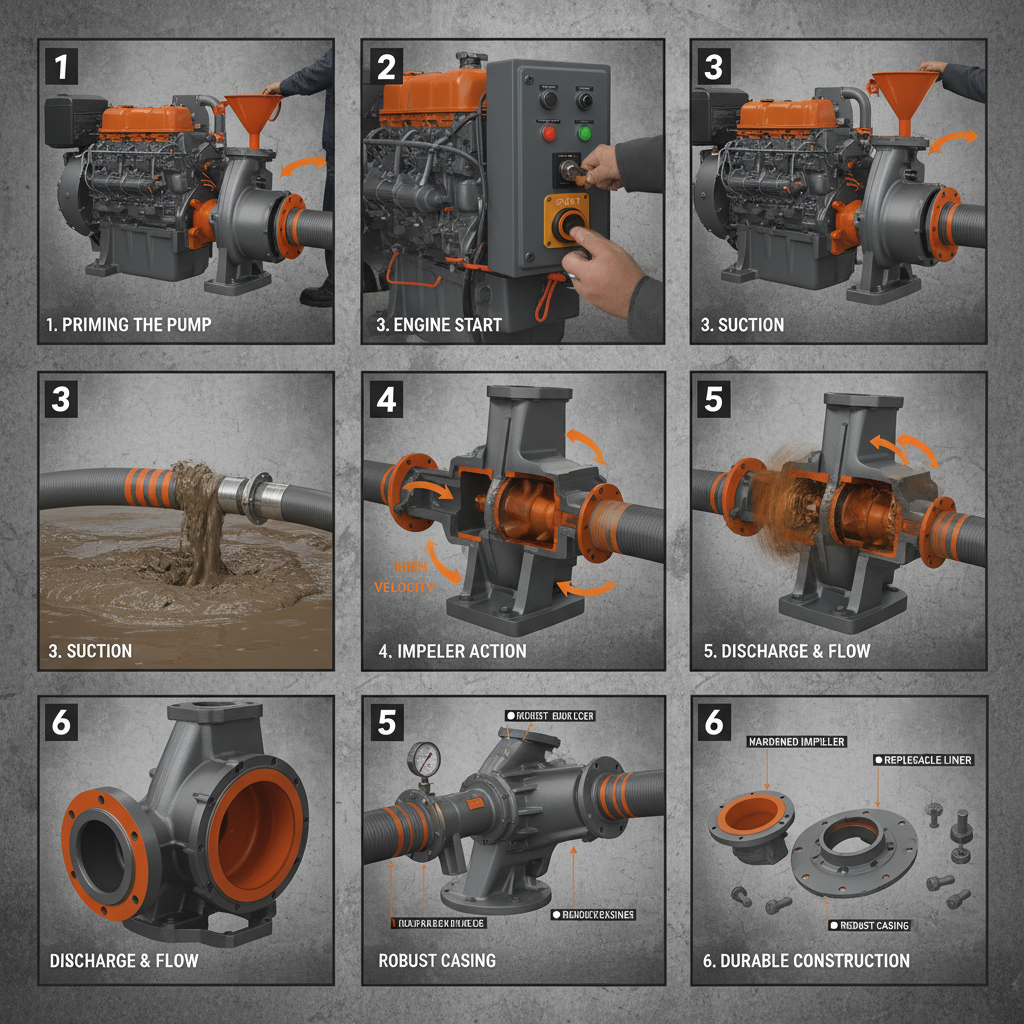
In the demanding environments of mining, dredging, and industrial waste management, the ability to transport abrasive fluids without reliance on a power grid is a critical operational necessity. An engine driven slurry pump provides the essential mobility and raw power required to move thick, particulate-laden liquids across remote terrains where electrical infrastructure is either non-existent or unreliable.
Globally, the shift toward more remote resource extraction sites has placed a premium on equipment that combines high-torque performance with complete autonomy. By integrating a combustion engine directly with a heavy-duty centrifugal pump, operators can maintain continuous flow rates of corrosive slurries, ensuring that production cycles remain uninterrupted regardless of the location's geographical constraints.
Understanding the technical nuances of the engine driven slurry pump—from impeller metallurgy to engine coupling—allows project managers to optimize their fluid handling systems for maximum longevity. This guide explores how these machines solve the most pressing challenges of abrasive material transport and why they remain the gold standard for off-grid industrial applications.
The Global Industrial Context of Engine Driven Slurry Pumps
The global demand for mineral processing and tailings management has surged as the world seeks critical minerals for the energy transition. In many of these extraction zones, the lack of stable electricity makes a traditional electric motor impractical. This is where the engine driven slurry pump becomes indispensable, providing a self-contained power source that can be deployed instantly to any site.
According to industrial standards and ISO guidelines for fluid handling, the challenge in these environments isn't just the power, but the abrasive nature of the materials. When pumping tailings or ore slurries, the equipment must withstand constant erosion. The integration of diesel or gas engines allows for the high RPMs and torque necessary to keep solids in suspension, preventing pipeline blockages that could cost companies millions in downtime.
Defining the Engine Driven Slurry Pump and Its Purpose
At its core, an engine driven slurry pump is a heavy-duty centrifugal pump coupled with an internal combustion engine, specifically designed to move liquids containing high concentrations of solid particles. Unlike standard water pumps, these machines utilize specialized alloys—such as high-chrome white iron—to ensure that the impeller and casing do not wear down rapidly when exposed to sand, gravel, or chemical slurries.
The primary purpose of this equipment is to bridge the gap between stationary processing plants and the remote faces of a mine or the depths of a dredging site. By removing the need for extensive cabling and electrical substations, these pumps provide the agility required for "move-and-pump" operations, which are common in gold mining, oil sands extraction, and municipal sewage bypass projects.
Beyond industrial utility, these pumps serve critical humanitarian and environmental needs. In the wake of floods or industrial spills, the ability to rapidly deploy an autonomous pumping system to clear debris-laden water is vital for disaster recovery. The autonomy of the engine ensures that the cleanup can begin the moment the equipment arrives on site, regardless of the local power status.
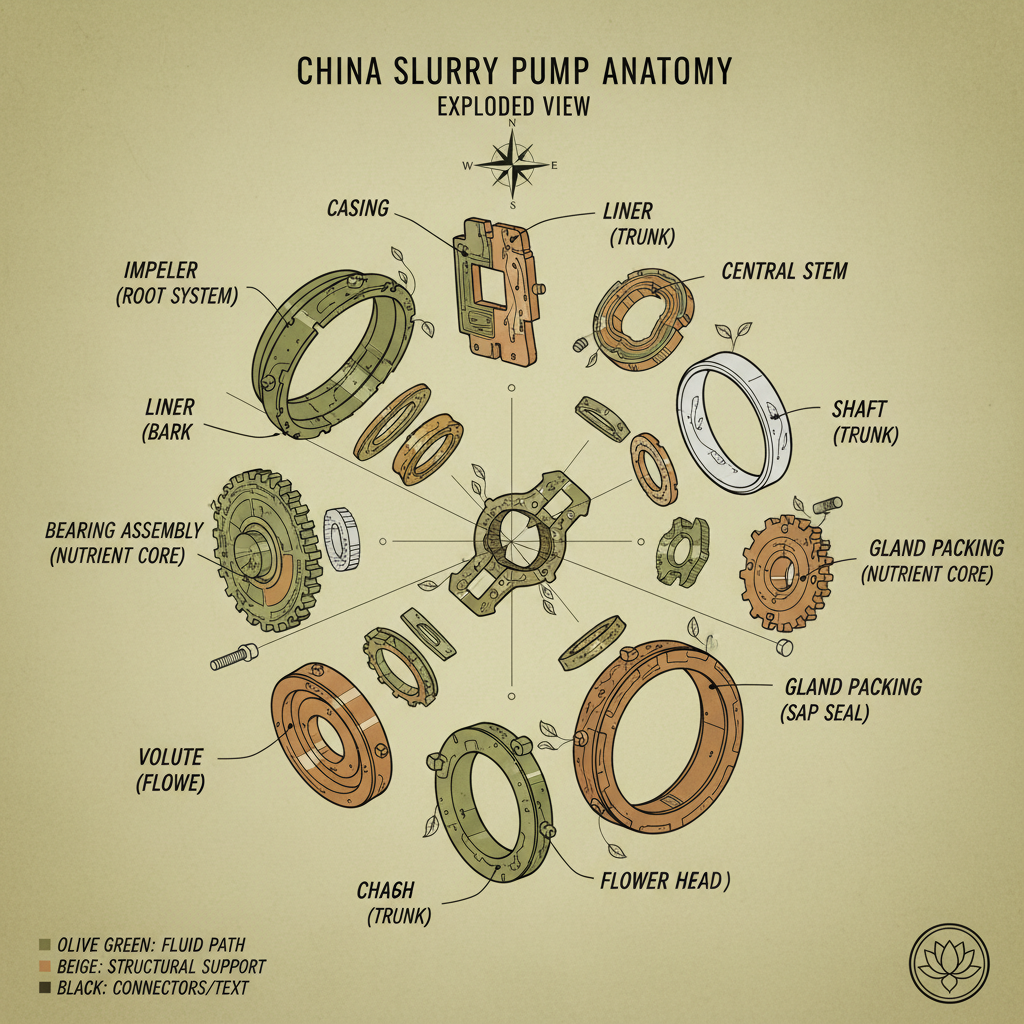
Core Components Driving High-Performance Slurry Transport
The durability of an engine driven slurry pump begins with its wet-end materials. To combat the relentless abrasion of slurry, manufacturers employ Heavy Abrasive Duty Slurry Pump materials that can withstand the scouring effect of hard minerals. The impeller design is specifically engineered to create a vortex that minimizes turbulence, thereby reducing the rate of wear on the pump walls.
The power transmission system is the second critical pillar. A robust engine driven slurry pump typically uses a flexible coupling or a heavy-duty belt drive to connect the diesel engine to the pump shaft. This ensures that the vibrational energy from the engine is dampened, protecting the pump bearings and extending the mean time between failures (MTBF) in harsh environments.
Finally, the sealing mechanism plays a pivotal role in preventing leakage. Because slurry is often caustic or abrasive, specialized expeller seals or gland packing systems are used. These components ensure that the abrasive medium does not enter the bearing housing, maintaining the integrity of the engine driven slurry pump even when operating at maximum head and flow capacity.
Key Performance Factors and Efficiency Metrics
When evaluating the performance of an engine driven slurry pump, engineers look beyond simple flow rates. The "Critical Solids Concentration" is a key metric, determining the maximum percentage of solids the pump can move without clogging. Furthermore, the fuel efficiency of the engine relative to the volume of slurry moved per hour determines the total operational cost of the project.
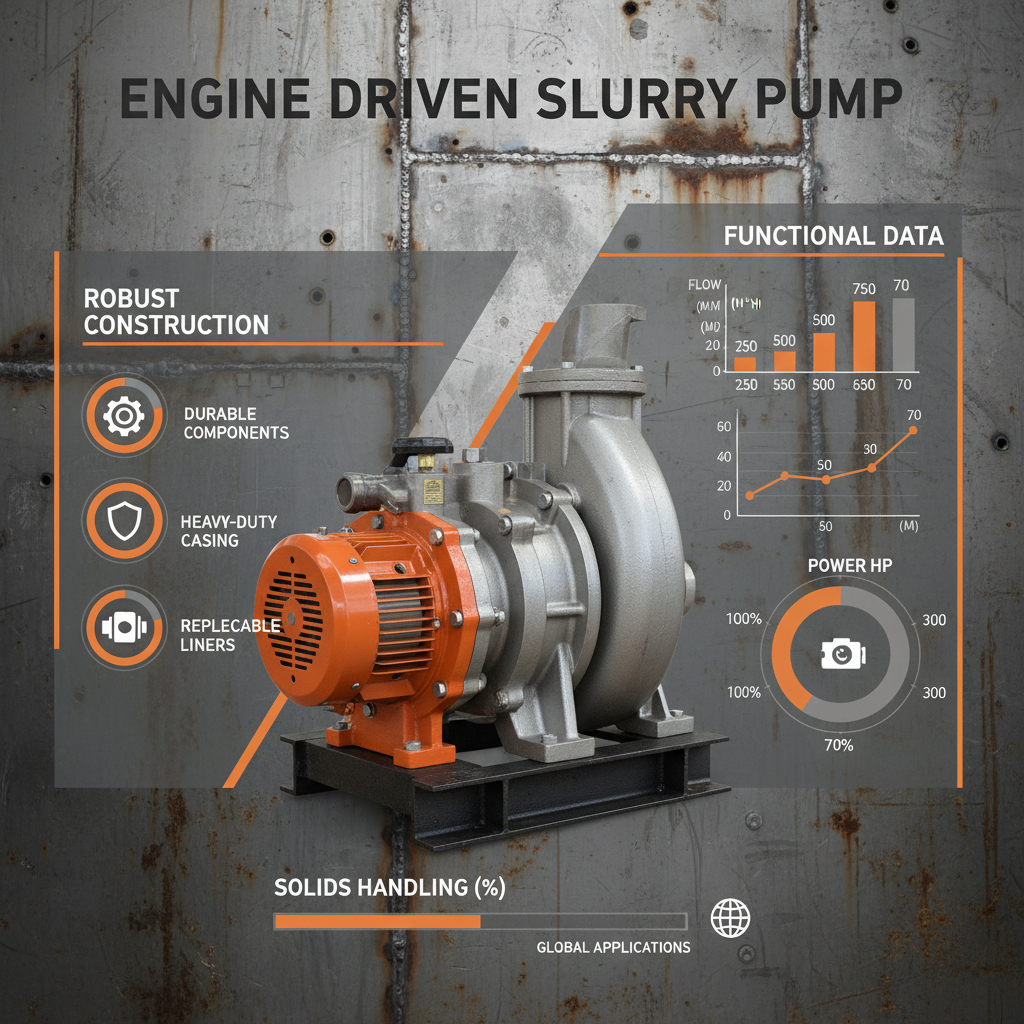
Another vital factor is the pump's ability to handle varying viscosities. Whether it is a Medium-Sized Slurry Pump used for tailings or a Vertical Slurry Pump for sump drainage, the engine must provide consistent torque to overcome the increased resistance of thicker fluids. The following data highlights the relative effectiveness of different configurations in typical field conditions.
Comparative Performance of Slurry Pumping Configurations
Global Applications and Real-World Use Cases
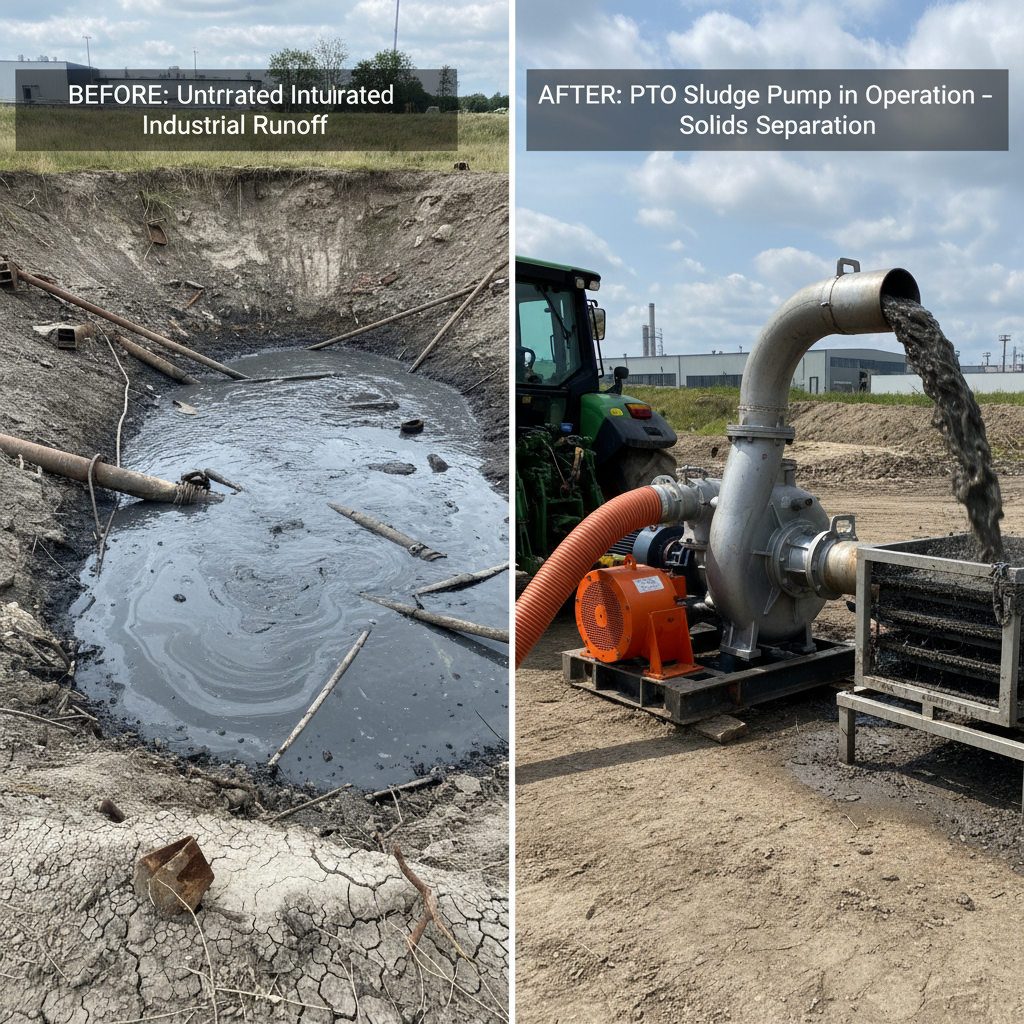
In the mining sectors of Australia and Canada, the engine driven slurry pump is the backbone of tailings management. When ore is processed, the resulting waste slurry must be transported from the mill to storage facilities. By using mobile, engine-driven units, mining companies can dynamically adjust their piping routes as the mine face advances, avoiding the astronomical costs of relocating permanent electrical lines.
Similarly, in the dredging operations of Southeast Asia, these pumps are used to clear silt and sand from riverbeds to prevent flooding. In these remote riverine environments, a diesel-powered slurry pump allows operators to move heavy sediment over long distances without needing a nearby power grid. This flexibility is essential for rapid response during monsoon seasons where infrastructure is often destroyed.
Long-Term Value and Operational Advantages
The long-term value of investing in a high-quality engine driven slurry pump lies in the reduction of operational risk. When a site relies on a single power line, a failure can halt the entire production chain. An engine-driven system provides an autonomous fail-safe, ensuring that critical pumps—such as those used for pit dewatering—continue to function during power outages, preventing costly mine floods.
From a financial perspective, the lower initial infrastructure cost (no cabling, no transformers) often offsets the higher fuel cost over the first few years of a project. Furthermore, the ability to relocate the equipment across different sites maximizes the asset's utilization rate. A single unit can be used for initial site preparation, active slurry transport, and final reclamation.
Beyond the numbers, there is the element of trust and reliability. For engineers working in the field, knowing that their engine driven slurry pump can be started with a turn of a key in a remote jungle or desert provides a level of operational confidence that is irreplaceable. This reliability translates directly into safer working conditions and more predictable project timelines.
Future Innovations in Slurry Pumping Technology
The future of the engine driven slurry pump is moving toward a synthesis of power and sustainability. We are seeing the rise of hybrid drive systems, where a smaller diesel engine works in tandem with a battery buffer to optimize fuel consumption during variable load cycles. This not only reduces the carbon footprint but also lowers the noise pollution in environmentally sensitive areas.
Digital transformation is also hitting the pump sector. IoT sensors are now being integrated into the pump casing and engine block to provide real-time data on wear rates and fuel efficiency. Predictive maintenance algorithms can now alert operators when the impeller of an engine driven slurry pump is nearing its wear limit, allowing for scheduled replacements instead of catastrophic failures.
Lastly, material science is evolving. The introduction of ceramic-metallic composites (cermets) is allowing pumps to handle even more aggressive slurries with less frequent maintenance. As these materials become more cost-effective, the lifespan of the slurry pump will increase, further enhancing the ROI for global industrial operators.
Technical Analysis of Engine Driven Slurry Pump Configurations
| Pump Configuration |
Typical Application |
Wear Resistance (1-10) |
Mobility Score (1-10) |
| Heavy Abrasive Duty |
Hard Rock Tailings |
10 |
6 |
| Medium-Sized Slurry |
Sand & Gravel Dredging |
7 |
8 |
| Vertical Slurry |
Sump Drainage |
8 |
4 |
| Portable Diesel Unit |
Temporary Bypass |
6 |
10 |
| Hybrid-Driven Pump |
Eco-Sensitive Mining |
8 |
7 |
| High-Head Slurry Pump |
Long-Distance Piping |
9 |
5 |
FAQS
The primary advantage is total autonomy. Engine driven slurry pumps can be deployed in remote areas without existing electrical grids, eliminating the need for expensive cabling and power stations. They offer greater mobility and act as a critical backup during power outages in industrial settings.
Preventing wear involves selecting the correct metallurgy for your specific slurry (e.g., high-chrome alloys for abrasive sands). Additionally, maintaining the optimal flow velocity prevents solids from settling and scouring the pump casing, while regular inspections of the impeller are essential.
Yes, provided the wet-end components are specified for corrosion resistance. While standard slurry pumps focus on abrasion, specialized versions of the engine driven slurry pump use stainless steel or duplex alloys to handle chemical corrosion in addition to physical wear.
Maintenance is similar to any heavy industrial engine: regular oil changes, air filter replacements, and cooling system checks. Because these pumps operate in dusty environments, more frequent air filter cleaning is typically required to ensure the engine doesn't lose power.
The engine must be sized to handle the "Total Dynamic Head" (TDH) and the specific gravity of the slurry. Heavier solids require more torque to move; therefore, you must calculate the required Brake Horsepower (BHP) and add a safety margin of 15-20% to ensure the engine doesn't stall under load.
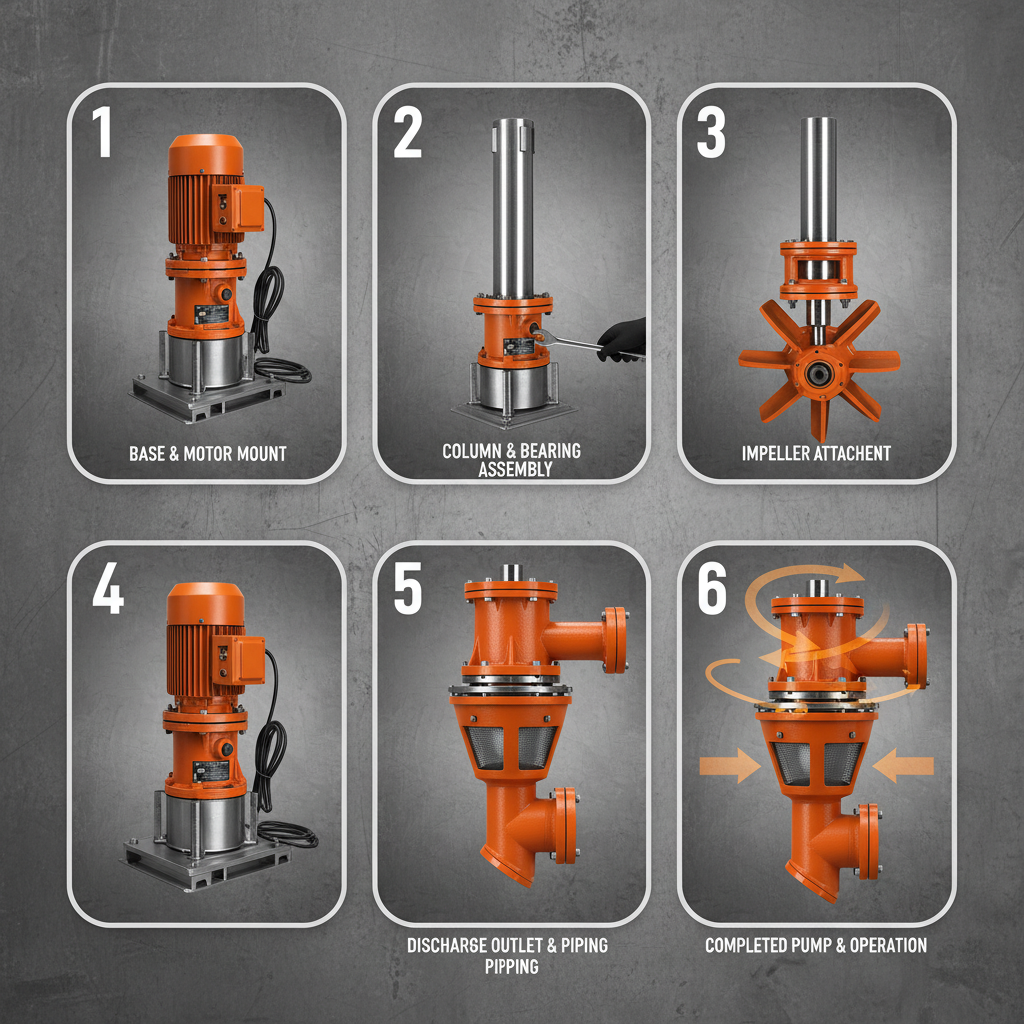
Yes, though the coupling is different. In vertical designs, the engine is often mounted atop a column or connected via a belt drive to a vertical shaft. This configuration is ideal for pumping slurry out of deep sumps or tanks where horizontal space is limited.
Conclusion
The engine driven slurry pump represents a vital intersection of mechanical power and material science, solving the complex problem of transporting abrasive fluids in the world's most challenging environments. By combining autonomous power with wear-resistant metallurgy, these systems enable global industries to operate with unprecedented flexibility and reliability, from the depths of open-pit mines to remote disaster zones.
As we look toward a future of smarter, greener industrialization, the evolution of these pumps—through hybrid power and IoT integration—will continue to drive efficiency. For any operation where downtime is not an option and power is not guaranteed, investing in a high-performance, engine-driven solution is not just an operational choice, but a strategic safeguard. Visit our website: www.kingmechpump.com