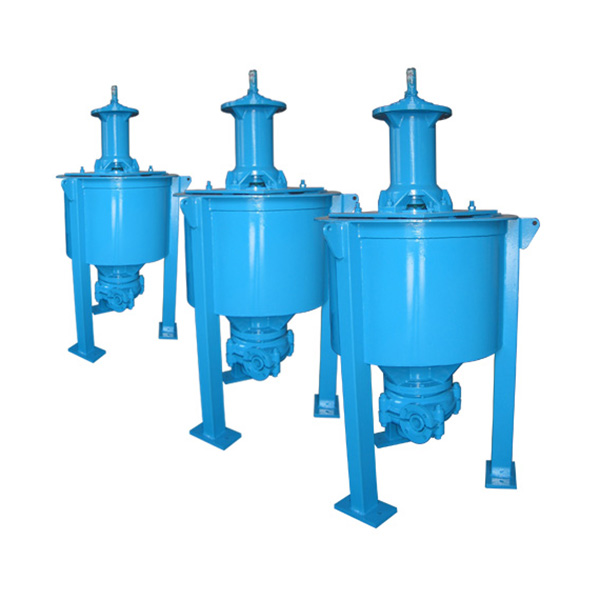
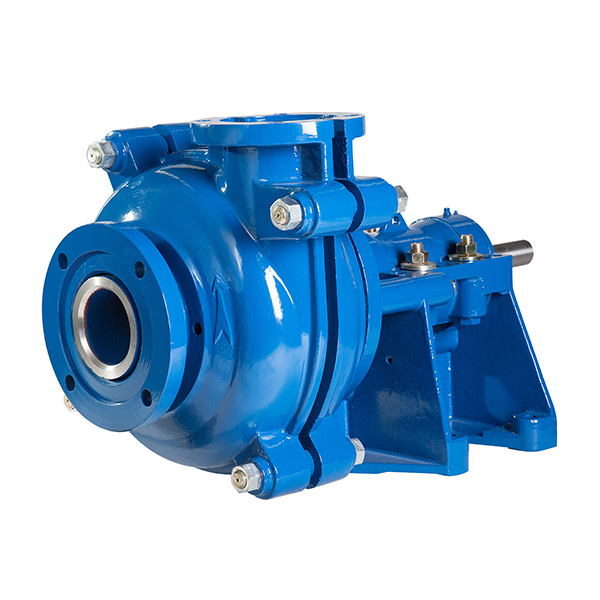
High-Performance Engine Driven Slurry Pump Solutions for DRC Mining

Engineered for the extreme terrains of the Democratic Republic of the Congo, delivering unmatched durability for heavy-duty mineral transport.

High-Performance Engine Driven Slurry Pump Solutions for DRC Mining

Providing the Democratic Republic of the Congo with industrial-grade pumping technology to handle the most abrasive slurries and challenging geological conditions.

Industrial Pumping Landscape in Democratic Republic of the Congo

Analyzing the operational challenges of slurry management in the heart of Africa.

The Democratic Republic of the Congo (DRC) possesses some of the world's richest mineral deposits, but the extraction process is hindered by extreme humidity and remote locations. In these environments, the demand for a robust heavy sludge pump is critical, as traditional equipment often fails under the pressure of high-density ore and tropical corrosion.

Power instability in remote mining sites across the Congo basin makes electricity-dependent systems unreliable. This has led to a strategic shift toward the engine driven slurry pump, allowing operators to maintain continuous production in off-grid areas without risking downtime due to power grid failures.

Furthermore, the rise of the green energy transition has accelerated the mining of cobalt and lithium. This shift requires specialized handling equipment like the lithium slurry pump to ensure chemical stability and prevent contamination during the critical processing stages in local refineries.
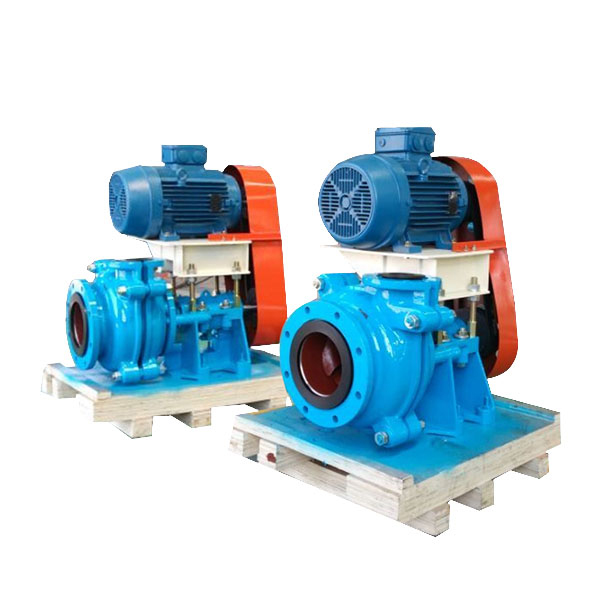
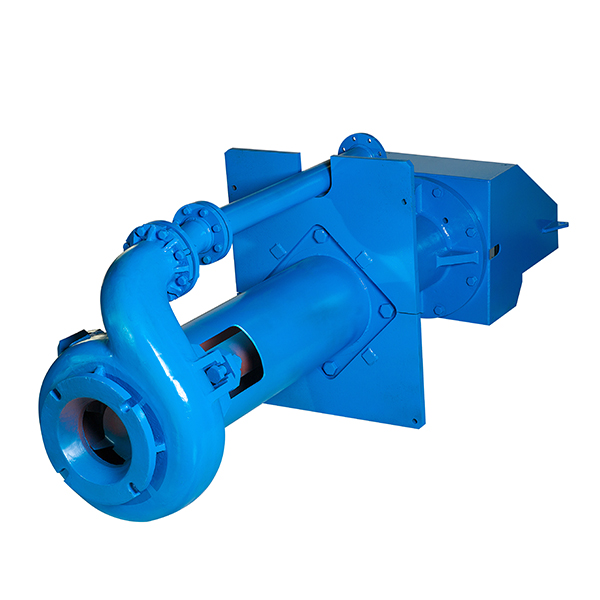
Evolution of Slurry Pumping Technology in DRC

From basic centrifugal systems to advanced wear-resistant materials.

Market Development History

From 1990 to 2010, the DRC market relied primarily on oversized cast-iron pumps. These systems were prone to rapid erosion, requiring frequent replacements and causing significant operational losses in copper and cobalt mines.

Between 2011 and 2020, the industry transitioned toward high-chrome alloys and the introduction of the dirty water slurry pump for site drainage and tailings management, improving the efficiency of water reclamation in wet tropical climates.

Since 2021, there has been a surge in the adoption of ceramic linings. The integration of the ceramic slurry pump has revolutionized the transport of ultra-abrasive particles, extending the mean time between failures (MTBF) by up to 300%.

Future Development Trends

Modular Energy Integration

The trend is moving toward hybrid power systems that blend diesel engines with electric backups to optimize fuel consumption in the Lualaba province.

Smart Wear Monitoring

Integration of IoT sensors to monitor the thickness of liners in real-time, predicting failure before it occurs in critical sludge pipelines.

Eco-Friendly Material Handling

Development of pumps with lower energy footprints and specialized coatings to reduce the environmental impact of tailings discharge into local river systems.

Future Trends and Strategic Outlook

Predicting the next shift in the Democratic Republic of the Congo's industrial machinery sector.

Ultra-Wear Resistance
Widespread transition to silicon carbide and ceramic components to handle the highly abrasive DRC ores.
Off-Grid Autonomy
Increase in high-torque diesel drive systems to eliminate dependence on the unstable local power grid.
Chemical Optimization
Specialized metallurgical pumps for lithium processing to support the global battery supply chain.
Tailings Management
Advanced sludge thickening and transport to reduce the footprint of mining waste dams.

Industry Outlook

Google search trends for "industrial slurry pumps in Africa" indicate a growing shift toward energy-efficient and low-maintenance designs. In the DRC, this manifests as a demand for pumps that can run for months without intervention, given the logistical difficulty of transporting spare parts to remote sites.

Over the next 3-5 years, we expect a convergence of material science and digitalization. Pumps will not only be built from tougher ceramics but will communicate their health status via satellite link, ensuring that the DRC's mining sector remains competitive and sustainable.

Localized Application Scenarios in DRC

Real-world deployments of slurry pumping solutions across the Democratic Republic of the Congo.

01. Copper-Cobalt Tailings Transport

Utilizing high-chrome heavy sludge pump units in the Katanga region to move dense mineral waste from processing plants to storage dams.

02. Remote Artisanal Mine Dewatering

Deploying the engine driven slurry pump to clear muddy water and sediment from open-pit mines where no electricity is available.

03. Lithium Ore Processing

Implementing the lithium slurry pump for the precise transport of lithium-bearing pulps in emerging chemical refineries.

04. Industrial Site Flood Control

Applying the dirty water slurry pump during the heavy rainy seasons to prevent facility flooding and maintain operational safety.

05. Abrasive Slurry Polishing

Integrating the ceramic slurry pump in high-precision mineral polishing stages to ensure zero contamination and maximum wear life.

Brand Story

Global Development History of Hebei Xiangmai Pump Industry Co., Ltd.

Foundational Excellence

Established with a focus on heavy-duty hydraulic engineering, we began by solving the most basic wear problems in local industrial pumps.

Material Innovation

We pioneered the use of advanced ceramic liners, transforming our pumps from standard machinery into ultra-wear-resistant assets.

Global Expansion

Extending our reach to Africa, specifically the DRC, we adapted our designs to survive the most aggressive mining environments on earth.

Technological Leadership

By integrating engine-driven power and smart controls, we became a leader in off-grid slurry management solutions.

Sustainable Future

Today, we focus on green mining, creating pumps that reduce energy waste while maximizing mineral recovery for a sustainable planet.

Complete Pumping Portfolio for Democratic Republic of the Congo

A comprehensive range of slurry and sludge pumps tailored for the DRC's unique mining and industrial needs.

Common Questions for DRC Mining Operators

Expert answers to the most frequent technical queries in the region.

How does a ceramic slurry pump handle ultra-abrasive cobalt ore?

Our ceramic liners provide a hardness level that far exceeds standard alloys, preventing the abrasive particles from etching the pump surface and extending service life significantly.

Can an engine driven slurry pump operate in high-humidity jungle environments?

Yes, our engine-driven units are equipped with weatherproof enclosures and specialized cooling systems designed specifically for tropical climates like the Congo basin.

What is the best heavy sludge pump for high-density tailings?

For high-density tailings, we recommend our heavy-duty pumps with low-speed impellers and reinforced casings to prevent clogging and reduce wear.

Is the lithium slurry pump compatible with aggressive chemical additives?

Absolutely. Our lithium-specific pumps utilize corrosion-resistant materials and seals that maintain integrity even when exposed to the reagents used in lithium extraction.

How often does a dirty water slurry pump require maintenance in the DRC?

Depending on the solids content, our pumps typically require a seal check every 2,000 hours, though our modular design allows for rapid part replacement in the field.

What are the advantages of using slurry pumps over standard centrifugal pumps?

Slurry pumps are specifically designed with wear-resistant materials and wider clearances to handle solids without causing catastrophic failure or immediate erosion.

Get Expert Pumping Solutions Today

Ready to optimize your mining operations in the Democratic Republic of the Congo? Our engineers are standing by to provide a customized technical proposal.

Contact Us Now
tel
email
tel
goTop

If you are interested in our products, you can choose to leave your information here, and we will be in touch with you shortly.