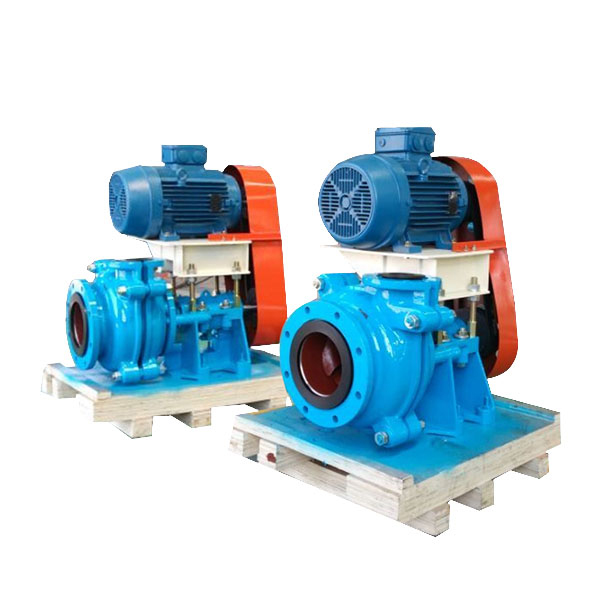
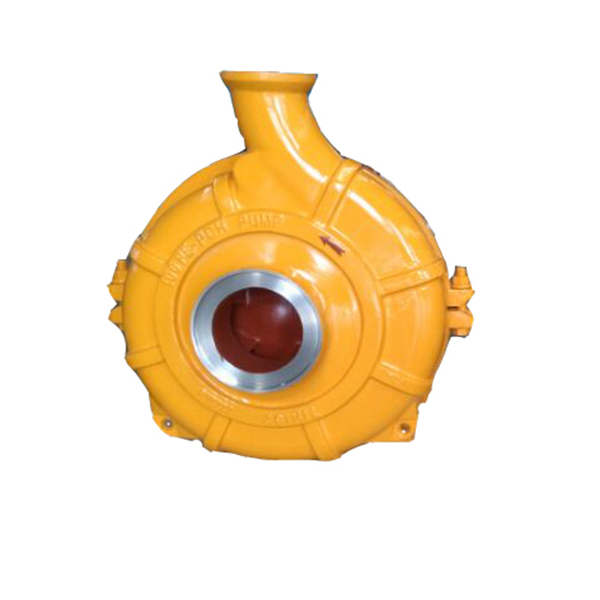
High-Performance Engine Driven Slurry Pump Solutions for Ethiopia's Industrial Sector

Providing heavy-duty fluid handling technology tailored for Ethiopian mining, construction, and waste management infrastructures.

High-Performance Engine Driven Slurry Pump Solutions for Ethiopia's Industrial Sector

Our specialized pumping range is engineered to withstand the abrasive materials and challenging terrains found across Ethiopia, ensuring maximum uptime for your operations.

Industrial Pumping Landscape in Ethiopia

Analyzing the operational challenges of fluid transport in the East African highlands.

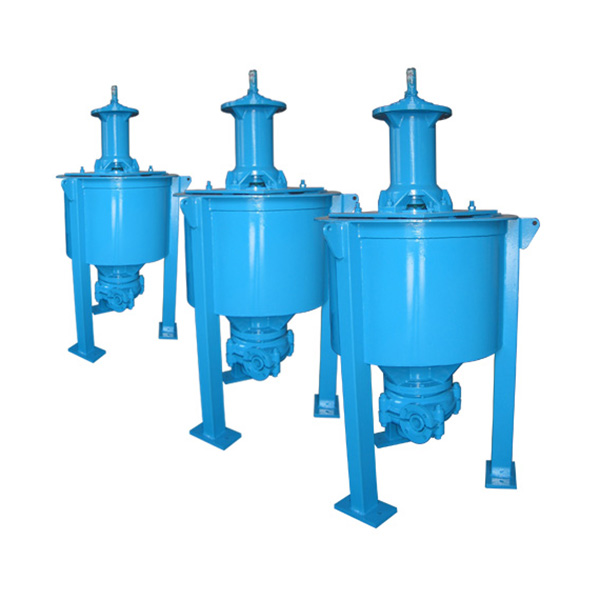
Ethiopia's industrial growth is heavily tied to its mining and agricultural sectors. However, the geographical diversity—from the rugged highlands to the lowland basins—creates significant logistics and power challenges. In remote mining sites where electricity is unstable, the demand for a reliable engine driven slurry pump has surged to maintain continuous production.

The presence of highly abrasive ores and volcanic soils requires equipment that can handle extreme wear. Standard pumps often fail prematurely, leading to costly downtime. This has led to a critical need for a ceramic slurry pump, which offers the hardness necessary to resist the abrasive nature of Ethiopian mineral extracts.

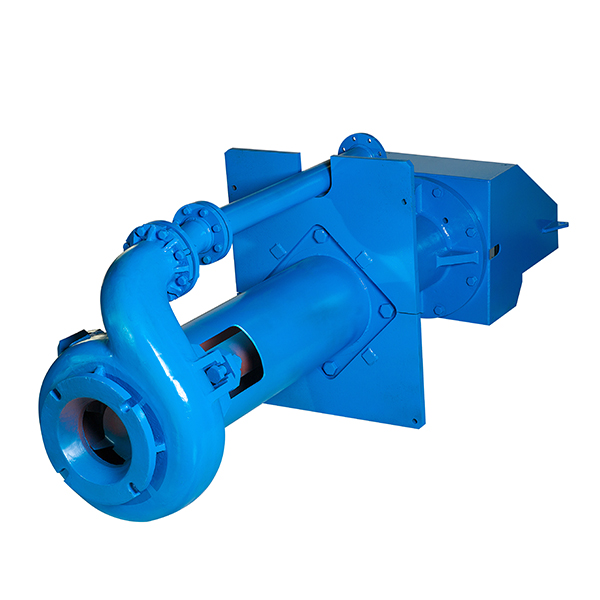
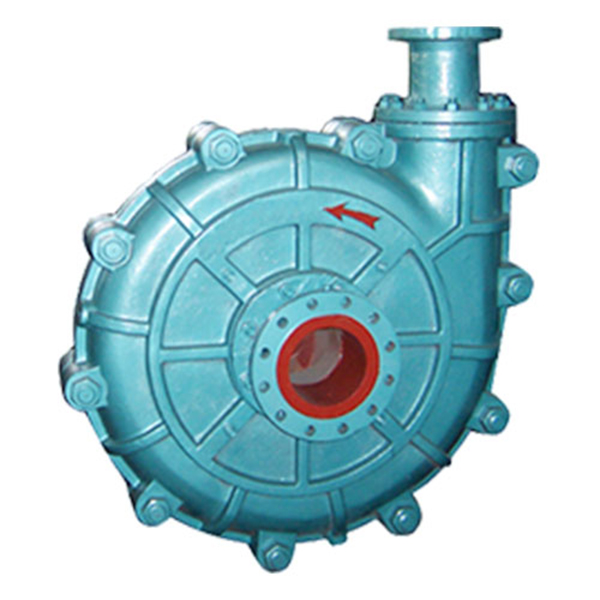
Furthermore, urban expansion in Addis Ababa and other regional hubs has increased the volume of municipal waste and industrial runoff. The necessity for a robust dirty water slurry pump is now evident in flood control and sewage treatment projects designed to modernize the country's urban infrastructure.
Evolution of Slurry Handling in Ethiopia

From manual dredging to automated high-density transport systems.

Market Development History

Prior to 2010, most slurry transport in Ethiopia relied on low-efficiency centrifugal pumps with basic cast iron liners. These systems struggled with high-solid concentrations, frequently clogging when handling heavy ores, which limited the scale of local mining operations.

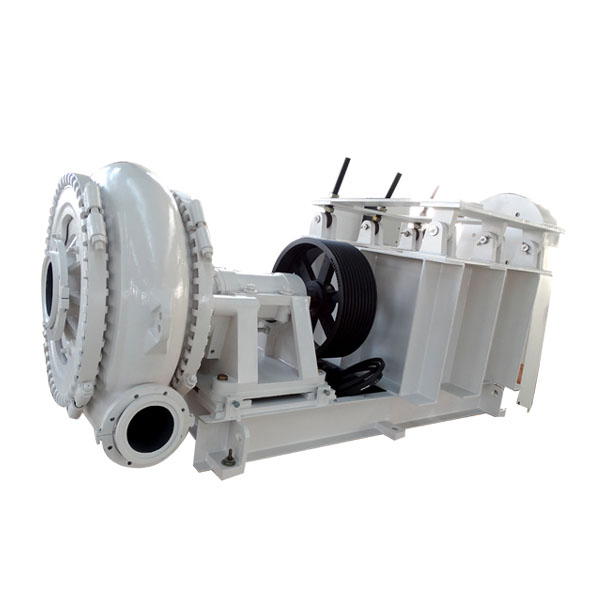
Between 2010 and 2020, the introduction of chrome-alloy liners and specialized hydraulics marked a shift toward durability. This era saw the rise of the heavy sludge pump, allowing Ethiopian industries to move thicker materials with lower water ratios, optimizing resource use.

From 2020 to the present, the focus has shifted toward material science and energy independence. The integration of ceramic components and diesel-powered drives has decoupled industrial productivity from the volatility of the local power grid.

Future Development Trends

Advanced Wear-Resistant Materials

There is a growing shift toward silicon carbide and alumina linings to extend the Mean Time Between Failures (MTBF) in harsh Ethiopian environments.

Sustainable Energy Integration

Hybrid power systems are emerging, blending traditional diesel drives with solar-assisted control systems for remote site monitoring.

Specialized Chemical Processing

With the rise of battery mineral exploration, the deployment of the lithium slurry pump is expected to grow as Ethiopia enters the global EV supply chain.

Industry Trends & Future Outlook

Predicting the trajectory of fluid dynamics technology in East Africa.

Grid-Independent Power
Increasing reliance on autonomous engine-driven units to bypass electricity shortages in rural Ethiopia.
Material Science Pivot
Transition from standard alloys to ceramic and polymer composites for ultra-abrasive slurry.
Eco-Friendly Processing
Developing closed-loop slurry systems to reduce water contamination in the Nile basin.
Digital Monitoring
Integration of IoT sensors to track pump wear in real-time across vast mining concessions.

Industry Outlook

Based on Google search trends for "industrial pumping Ethiopia," there is a marked increase in queries related to energy-efficient and durable slurry transport. This suggests that Ethiopian operators are moving away from cheap, short-term replacements toward high-CAPEX, low-OPEX equipment.

In the next 3-5 years, the focus will likely center on the "Green Mining" initiative, where high-density pumps will be essential to minimize water usage and environmental impact in the Oromia and Amhara regions.

Localized Application Scenarios in Ethiopia

Real-world deployments across Ethiopia's diverse industrial landscape.

1. Gold Mining in the Highlands

Utilizing the ceramic slurry pump to handle highly abrasive gold-bearing quartz tailings, reducing liner replacement frequency in remote sites.

2. Urban Flood Control in Addis Ababa

Deploying the dirty water slurry pump to clear storm drains filled with silt and urban debris during the rainy season.

3. Remote Potash Extraction

Implementation of the engine driven slurry pump in areas with zero electrical infrastructure to move salt-slurries.

4. Industrial Wastewater Management

Using the heavy sludge pump in textile factories to transport thick chemical sludge to treatment ponds.

5. Emerging Battery Mineral Pilot Plants

Integrating the lithium slurry pump for the precision transport of lithium-rich brines in new mineral exploration zones.

Brand Story

Global Development History of Hebei Xiangmai Pump Industry Co., Ltd.

Foundation and Engineering Roots

Started as a specialized workshop focusing on the fundamental physics of abrasive fluid transport to solve common industrial wear issues.

Material Science Innovation

Pioneered the integration of high-alumina ceramics into pump internals, drastically increasing the lifespan of slurry equipment.

Global Market Expansion

Extended operations into Africa and Southeast Asia, adapting pump designs to withstand extreme climates and volatile power grids.

Diversification of Drive Systems

Developed a comprehensive line of engine-coupled units to empower remote industries across the developing world.

Mission for Sustainable Industry

Committed to providing high-efficiency pumping solutions that reduce water waste and operational costs for global mining.

Ethiopian Industrial Pumping FAQ

Expert answers to common technical challenges in the region.

How to maintain a ceramic slurry pump in remote Ethiopian mining sites?

We recommend a modular spare parts kit and monthly inspection of the ceramic liners to ensure that any micro-cracks are identified before catastrophic failure occurs.

Can a dirty water slurry pump handle volcanic ash in the Rift Valley?

Yes, our dirty water pumps are designed with oversized impellers and wear-resistant alloys specifically to handle the high-viscosity and abrasive nature of volcanic ash.

What are the advantages of an engine driven slurry pump for rural projects?

The primary advantage is total energy independence, allowing operations to continue regardless of the stability of the national electrical grid in remote regions.

What is the maximum solid concentration for a heavy sludge pump?

Our heavy sludge pumps can handle concentrations up to 70% solids by weight, depending on the specific gravity of the material being transported.

Is a lithium slurry pump different from standard mineral pumps?

Yes, lithium slurry pumps often require specialized corrosion-resistant coatings to handle the specific chemical properties of lithium brines and processing agents.

How do I choose between ceramic and alloy liners for Ethiopia's ores?

Choose ceramic for high-velocity, high-abrasion applications and alloys for high-impact scenarios where larger particles might cause ceramic cracking.

Consult Our Engineering Team

Get tailored pumping solutions for your specific industrial project in Ethiopia.

Contact Us Now
tel
email
tel
goTop

If you are interested in our products, you can choose to leave your information here, and we will be in touch with you shortly.