
High-Performance engine driven slurry pump Solutions for Tanzania Mining

Engineered for the rugged terrains of East Africa, providing unmatched durability for the most abrasive slurry applications in Tanzania's industrial sector.

High-Performance engine driven slurry pump Solutions for Tanzania Mining

Providing Tanzania's mining and construction sectors with heavy-duty pumping technology designed to handle extreme abrasion and corrosive fluids in remote environments.

Industrial Pumping Landscape in Tanzania

Analyzing the challenges of abrasive fluid transport in East African mining hubs.

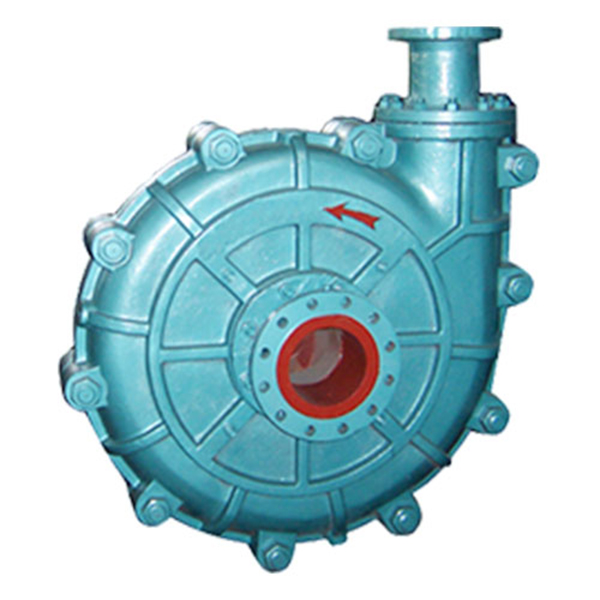
Tanzania's mining sector, particularly in the gold and diamond regions, faces severe operational challenges due to the highly abrasive nature of the ores. The reliance on a heavy sludge pump is critical here, as traditional pumps often fail prematurely under the stress of high-density solids and corrosive groundwater.

Geographically, many mining sites in Tanzania are located in remote areas with unstable power grids. This has led to a surge in demand for the engine driven slurry pump, allowing operators to maintain continuous production without relying on the national electrical infrastructure, ensuring that tailings management remains uninterrupted.

Furthermore, the increasing focus on specialty mineral processing, including lithium exploration, requires advanced materials. The introduction of the lithium slurry pump is becoming a necessity for Tanzania's emerging battery-metal industry, where chemical resistance and precision flow control are paramount for purity.

Evolution of Slurry Technology in East Africa

From basic cast iron pumps to advanced ceramic and engine-driven systems.

Market Development History

In the early 2000s, the Tanzanian market relied heavily on basic centrifugal pumps. These units frequently suffered from impeller erosion, leading to high maintenance costs and frequent downtime in gold mine tailings operations.

By 2010-2015, there was a shift toward high-chrome alloys. The industry began adopting the dirty water slurry pump for municipal drainage and basic mining tasks, though these still struggled with the most extreme abrasive slurries found in the Lake Victoria gold belt.

From 2018 to the present, we have seen the integration of advanced materials and autonomous power. The adoption of the ceramic slurry pump has revolutionized wear life, reducing the frequency of liner replacements by up to 300% in high-velocity applications.

Future Development Trends

Smart Monitoring Integration

The next 3 years will see the integration of IoT sensors in pumps to monitor vibration and wear in real-time, allowing Tanzanian operators to predict failure before it occurs.

Sustainable Power Sources

Moving toward hybrid engine-electric drives to reduce the carbon footprint of mining operations while maintaining the mobility of engine-driven units.

Ultra-Hard Nano-Coatings

Transitioning from standard ceramics to nano-composite coatings to handle the increasing viscosity of modern processed tailings.

Future Outlook for Tanzanian Fluid Handling

Predicting the trajectory of pump technology based on global search trends and regional growth.

Energy Independence
Increased adoption of diesel-driven units to bypass grid instability in remote Tanzanian sites.
Material Science Shift
Migration toward alumina ceramics for pumps handling ultra-fine, high-velocity abrasives.
Lithium Processing
Specialized slurry pumps designed for the chemical requirements of lithium ore leaching.
Automated Tailings
Integrated pumping systems for autonomous tailings disposal to increase safety in deep pits.

Industry Outlook

Based on Google search trends in the East African region, there is a clear spike in queries related to "wear-resistant pump liners" and "portable slurry pumps." This indicates that Tanzanian firms are prioritizing longevity and mobility over simple initial cost.

We expect the market to move toward integrated fluid-handling ecosystems where pumps are no longer standalone units but part of a digitally monitored slurry pipeline, reducing operational risk and increasing yield.

Tanzania localized Application Scenarios

Real-world deployments of high-performance pumps across various Tanzanian industries.

01. Gold Mine Tailings Management in Geita

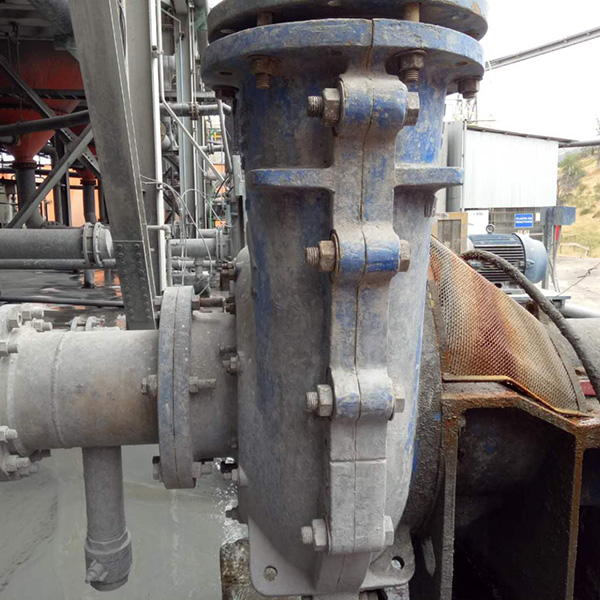
Using the heavy sludge pump to move dense ore waste from processing plants to tailings dams, ensuring zero leakage and high flow rates despite high solids concentration.

02. Remote Diamond Mining in Mwadui

Deploying the engine driven slurry pump for pit dewatering and slurry transport in areas where electricity is unavailable, ensuring mining continues 24/7.

03. Urban Flood Control in Dar es Salaam

Implementing the dirty water slurry pump to handle storm-water runoff mixed with silt and urban debris during the monsoon season to prevent city flooding.

04. Lithium Mineral Processing in Emerging Zones

Utilizing the lithium slurry pump for the transport of chemical-rich slurries during the extraction process, preventing corrosion and contamination.

05. High-Abrasion Sand Pumping in Coastal Regions

Applying the ceramic slurry pump for dredging and sand transport along the coast, where the extreme hardness of quartz sand would destroy standard steel impellers.

Brand Story

Global Development Journey of Hebei Xiangmai Pump Industry Co., Ltd.

Founding Vision

Established with a commitment to solving the most difficult fluid transport problems, specializing in high-abrasion slurry environments.

Technical Breakthrough

Developed proprietary alloy casting techniques that significantly increased the lifespan of pump impellers in mining applications.

Global Expansion

Expanded footprints into Africa and South America, adapting pump designs to survive extreme climates and remote operational settings.

Innovation Leadership

Pioneered the integration of ceramic liners in heavy-duty slurry pumps to meet the needs of the emerging battery-metal industry.

Future Commitment

Dedicated to providing the Tanzanian market with sustainable, long-life pumping solutions that reduce operational waste.

Complete Slurry Pumping Portfolio for Tanzania

A comprehensive range of pumps tailored for mining, construction, and municipal infrastructure in East Africa.

Frequently Asked Questions - Tanzania Market

Expert answers to common technical queries regarding slurry pump operations in Tanzania.

Which pump is best for high-abrasion gold tailings in Tanzania?

For extremely abrasive gold tailings, we recommend a ceramic slurry pump due to its superior hardness and resistance to particle erosion compared to standard alloys.

How to maintain an engine driven slurry pump in remote mining sites?

Regular lubrication of the drive shaft and monitoring of the diesel engine's fuel filtration are key. Using standardized parts ensures easy replacement even in remote Tanzanian regions.

Can a dirty water slurry pump handle heavy mining sludge?

While a dirty water slurry pump can handle suspended solids, for high-density mining waste, a dedicated heavy sludge pump is required to prevent clogging and impeller cavitation.

What are the requirements for a lithium slurry pump?

Lithium processing often involves corrosive chemicals. A lithium slurry pump must be constructed from corrosion-resistant materials and have precision seals to prevent leaks.

How do I choose the right impeller for Tanzanian soil types?

Analyze the particle size and hardness. For the sharp quartz found in Tanzania, high-chrome or ceramic impellers are essential to maintain efficiency and extend pump life.

What is the average lifespan of a slurry pump in East African mines?

With standard alloy pumps, liners may last 3-6 months. However, transitioning to our advanced ceramic and heavy-duty designs can extend this to 18-24 months.

Consult Our Slurry Pump Experts

Ready to optimize your mining operations in Tanzania? Contact our engineering team for a customized fluid handling solution.

Contact Us Now
tel
email
tel
goTop

If you are interested in our products, you can choose to leave your information here, and we will be in touch with you shortly.