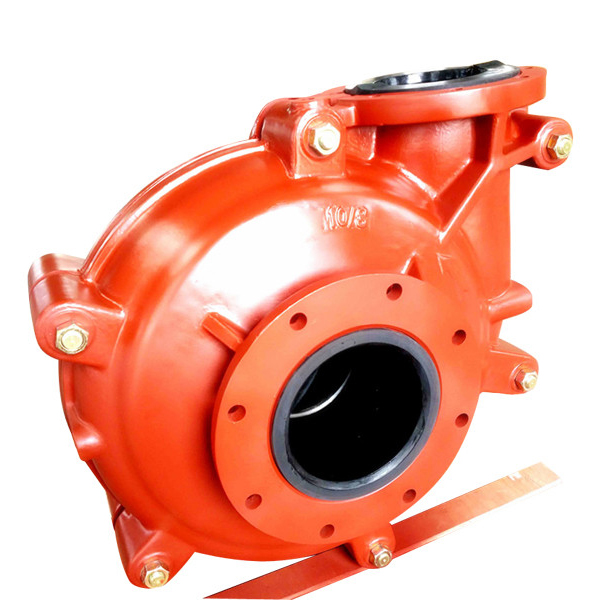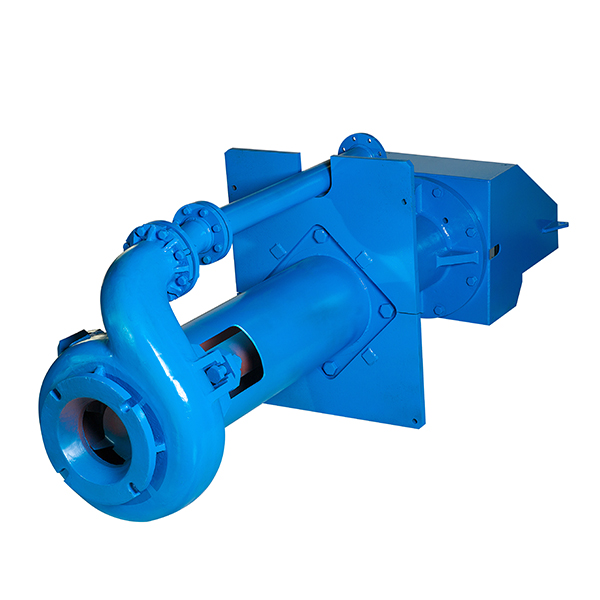
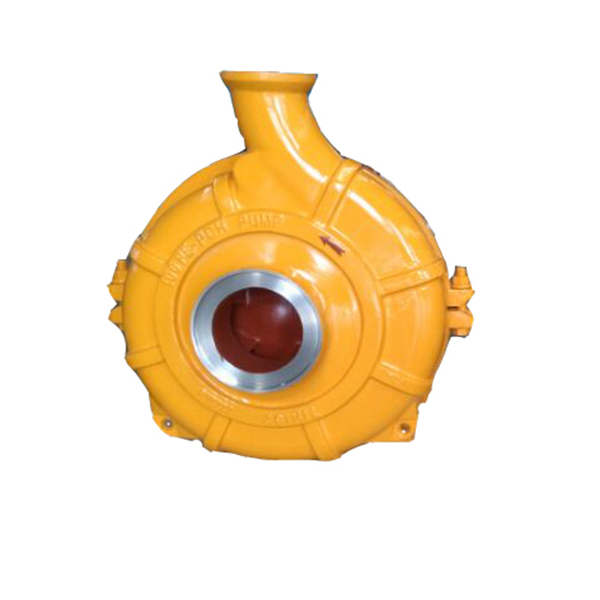
High-Performance heavy sludge pump Solutions for Laos Mining & Industry

Engineering durable fluid handling systems designed for the challenging terrains and mineral-rich environments of Southeast Asia.

High-Performance heavy sludge pump Solutions for Laos Mining & Industry

Our advanced pumping technology provides the reliability needed for the most abrasive materials, ensuring seamless operation across Laos' industrial landscapes.

Industrial Pumping Landscape in Laos

Analyzing the intersection of geological challenges and mechanical requirements in the Lao PDR.

Laos' economy is heavily reliant on its mineral wealth and hydroelectric potential. However, the tropical monsoon climate leads to significant soil erosion and high-viscosity waste, creating a critical demand for a robust dirty water slurry pump capable of handling seasonal flood debris and mining runoff.

In remote mining sites located in the northern highlands, the lack of stable electrical grids makes the engine driven slurry pump the primary choice for operational continuity. These sites require equipment that can withstand extreme humidity and erratic power supplies without compromising throughput.

Furthermore, as Laos expands its specialty chemical and battery material processing sectors, the requirement for a precision lithium slurry pump has surged, necessitating a shift from traditional cast-iron pumps to high-corrosion-resistant alloys.
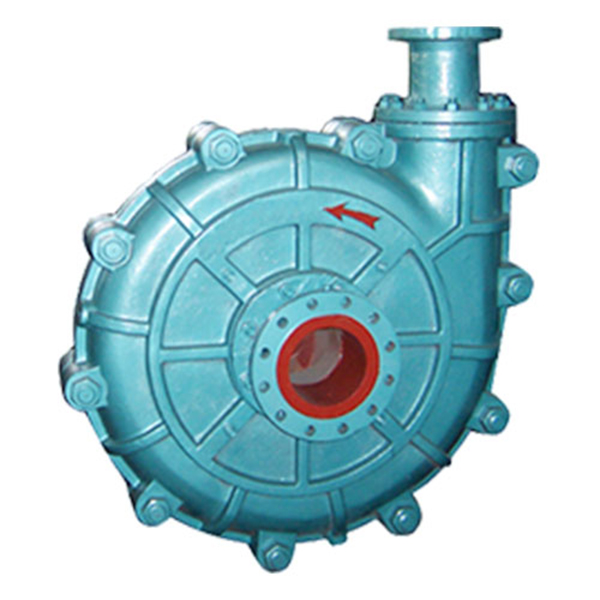
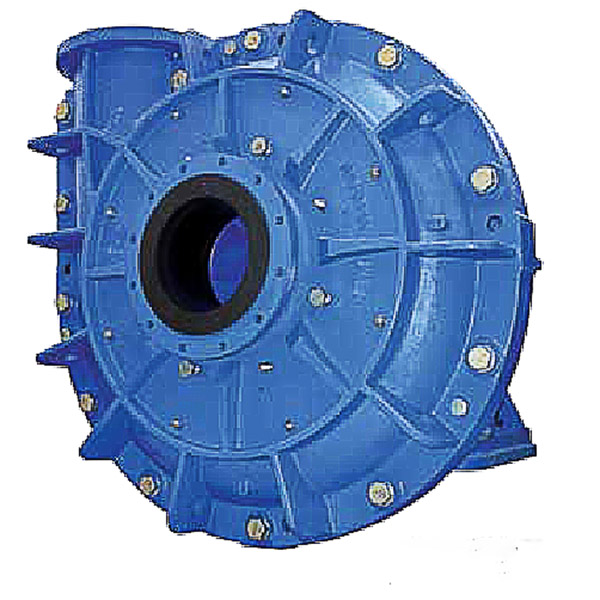
Evolution of Slurry Management Technology

From manual dredging to automated, wear-resistant industrial pumping systems.

Market Development History

Between 2000 and 2010, the industry in Laos relied primarily on basic centrifugal pumps that suffered from rapid impeller wear due to the high quartz content in local ores, leading to frequent downtime.

From 2011 to 2020, the introduction of high-chrome alloys and the adoption of the ceramic slurry pump revolutionized the sector, extending the mean time between failures (MTBF) by over 300%.

Since 2021, the integration of IoT sensors and variable frequency drives (VFD) has allowed operators to optimize flow rates in real-time, specifically for complex tailings management.

Future Development Trends

Smart Wear Monitoring

Predictive maintenance using ultrasonic sensors will become standard to monitor the liner thickness of heavy-duty pumps.

Eco-Friendly Power Integration

Hybrid engine-electric drives will reduce the carbon footprint of remote mining operations in Laos.

Advanced Nano-Coatings

Implementation of graphene-based coatings to further enhance the lifespan of components handling corrosive lithium compounds.

Industry Trends and Future Outlook

Strategic technological shifts shaping the future of fluid machinery in Asia.

Precision Material Engineering
Shift towards ceramic and silicon carbide internals for ultra-abrasive slurry handling.
Energy Autonomy
Expansion of diesel-powered and hybrid systems for off-grid industrial zones.
Sustainable Tailings
Developing high-density slurry pumps to reduce water consumption in mining.
Digital Twin Integration
Virtual modeling of pump hydraulics to predict cavitation in variable slurry densities.

Industry Outlook

Based on search trends and industrial growth in Southeast Asia, the demand for specialized slurry pumps is shifting toward "modular durability." This means pumps that can be easily upgraded with different liner materials based on the specific ore being mined.

We anticipate that within 5 years, the Laos market will see a 40% increase in the adoption of high-efficiency pumps that integrate with automated tailings management systems to comply with stricter environmental regulations.

Localized Application Scenarios in Laos

Practical implementations of slurry pumping technology across diverse Lao industrial sectors.

01. Gold Mining Tailings Management

Utilizing high-chrome slurry pumps to transport abrasive gold ore waste from the pit to the tailings dam, minimizing wear and tear.

02. Hydroelectric Dam Silt Removal

Deploying high-volume dirty water pumps to clear sediment and silt from reservoir intakes during the rainy season.

03. Remote Potash Extraction

Integrating diesel-powered units for salt slurry transport in areas where the electrical grid is unavailable.

04. Battery Material Processing

Implementing specialized chemical-resistant pumps for the transport of lithium-based slurry in new industrial parks.

05. Urban Flood Control & Sludge Removal

Using heavy-duty sludge pumps for municipal wastewater management in Vientiane and other urban centers.

Brand Story

Global Development History of Hebei Xiangmai Pump Industry Co., Ltd.

Foundational Excellence

Started with a commitment to solving the core problem of pump erosion in the heavy mining industry.

Material Innovation

Pioneered the use of advanced ceramics and high-chrome alloys to extend the service life of slurry pumps.

Global Expansion

Expanded operations into Southeast Asia, tailoring mechanical designs to the specific needs of the Laos and Thai markets.

Smart Manufacturing

Integrated digital precision casting and CNC machining to ensure zero-defect components for extreme environments.

Future Vision

Dedicated to becoming the world leader in sustainable, high-efficiency fluid handling for the green energy transition.

Common Questions for the Laos Market

Technical guidance and operational support for slurry pump users in Laos.

How do I choose the right ceramic slurry pump for abrasive gold ores?

You should evaluate the particle size and concentration of the slurry. For highly abrasive quartz-based ores common in Laos, our ceramic-lined pumps provide the highest wear resistance.

Are engine driven slurry pumps suitable for remote highland mining?

Yes, they are ideal for locations without grid access, providing independent power and reliability in rugged terrains.

What is the maintenance cycle for a heavy sludge pump in tropical climates?

Due to high humidity and abrasive loads, we recommend a quarterly inspection of seals and liners to prevent catastrophic failure.

Can a dirty water slurry pump handle seasonal flood debris?

Our pumps are designed with larger impeller passages to handle suspended solids and organic debris common during the Lao rainy season.

What materials are best for a lithium slurry pump to avoid corrosion?

We use high-grade stainless steel or specialized polymer coatings that are chemically inert to lithium compounds.

How does the flow rate affect the lifespan of slurry pumps?

Operating too far below the Best Efficiency Point (BEP) can cause recirculation and accelerate wear; we provide VFD solutions to maintain optimal velocity.

Request a Technical Consultation

Get expert advice on fluid handling solutions tailored for the industrial requirements of Laos.

Contact Us Now
tel
email
tel
goTop

If you are interested in our products, you can choose to leave your information here, and we will be in touch with you shortly.