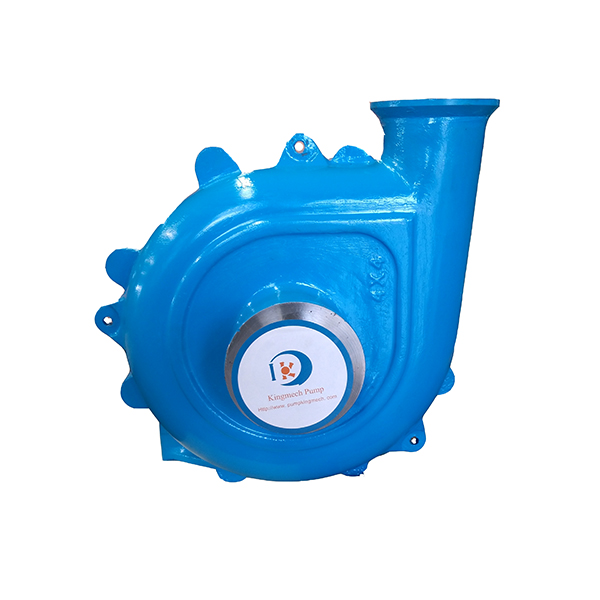
High-Performance lithium slurry pump Solutions for Japanese Industrialists

Precision-engineered slurry handling systems designed to meet the rigorous efficiency and environmental standards of Japan's advanced manufacturing sector.

High-Performance lithium slurry pump Solutions for Japanese Industrialists

Providing cutting-edge pumping technology for corrosive and abrasive fluids, ensuring zero-downtime operations for Japan's most demanding slurry applications.

Slurry Management Landscape in Asia - Japan

Navigating the intersection of high-tech precision and extreme material wear.

Japan's manufacturing sector is characterized by an uncompromising pursuit of "Monozukuri" (craftsmanship), where equipment longevity and energy efficiency are paramount. In the context of slurry handling, Japanese industries face unique challenges due to high land costs and strict seismic safety regulations, necessitating compact yet robust pumping systems like the heavy sludge pump to handle urban industrial waste.

The rapid expansion of the battery gigafactories across Japan has spiked the demand for chemical-resistant transport. The requirement for a specialized lithium slurry pump has become critical to prevent contamination and ensure the purity of cathode materials during the production process.

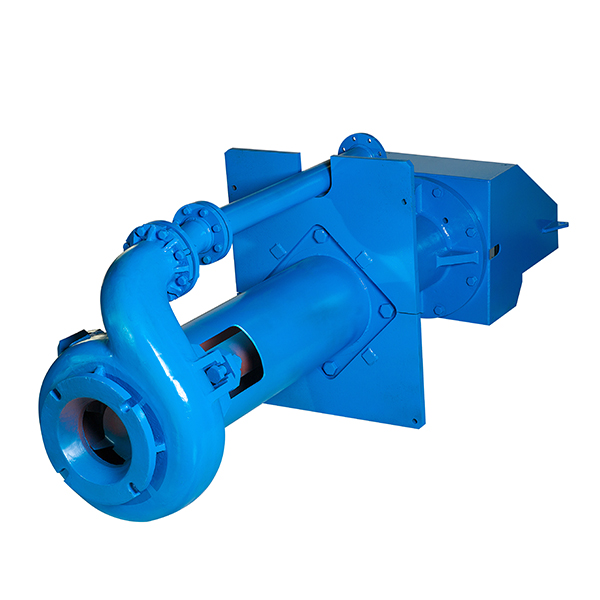
Furthermore, Japan's commitment to environmental restoration and flood control often requires the deployment of a dirty water slurry pump for dredging and wastewater management in coastal regions, where salinity and abrasive silt accelerate equipment erosion.
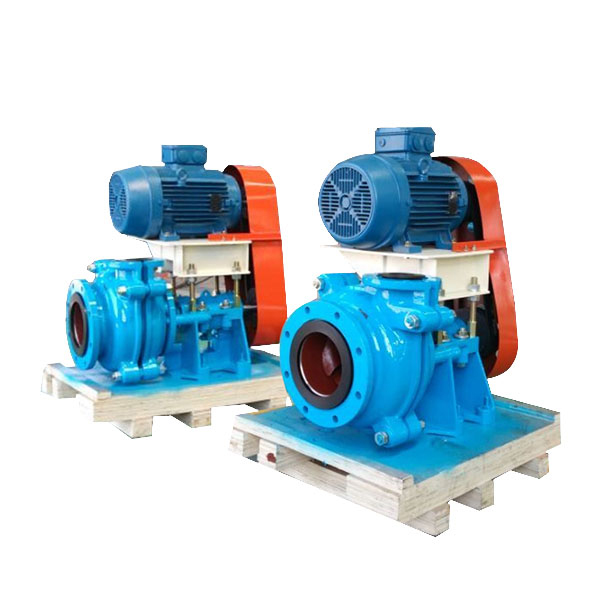
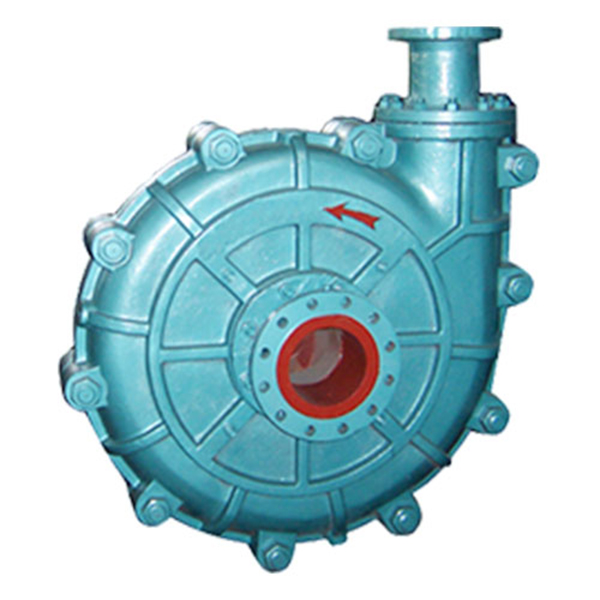
Evolution and Trajectory of Slurry Pumping Technology

From basic cast iron alloys to advanced ceramic composites.

Market Development History

In the 1980s and 90s, the Japanese market relied heavily on oversized cast-iron pumps that prioritized raw power over efficiency. These traditional systems suffered from high maintenance intervals and frequent liner replacements when handling abrasive ores.

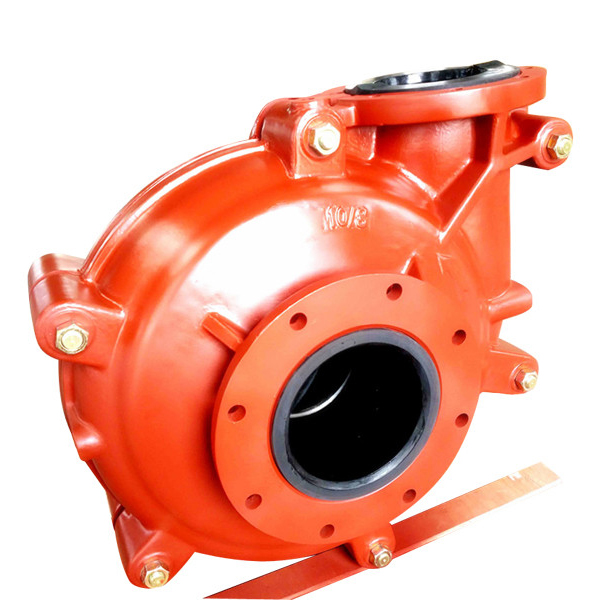
By the early 2000s, the shift toward "Lean Manufacturing" led to the adoption of high-chrome alloys and the introduction of the ceramic slurry pump. This era marked a transition toward wear-resistant materials that significantly extended the mean time between failures (MTBF).

From 2015 to the present, the integration of IoT sensors and variable frequency drives (VFDs) has allowed Japanese plants to optimize flow rates in real-time, reducing energy consumption while handling increasingly viscous materials with the heavy sludge pump.

Future Development Trends

Additive Manufacturing for Impellers

The shift toward 3D-printed titanium and ceramic components will allow for customized impeller geometries that reduce cavitation and increase the lifespan of the pump.

Zero-Emission Drive Systems

Replacing traditional diesel units with electric or hybrid engine driven slurry pump alternatives to align with Japan's 2050 carbon neutrality goal.

AI-Driven Predictive Maintenance

The use of acoustic sensors to detect wear patterns before failure occurs, shifting maintenance from a scheduled basis to a condition-based strategy.

Future Outlook for Pumping Technology in Japan

Strategic forecasting based on industrial search trends and technological convergence.

Ultra-Wear Resistance
Integration of silicon carbide and alumina ceramics to handle highly acidic lithium processing fluids.
Energy Efficiency
Developing high-efficiency hydraulic designs to reduce the power consumption of large-scale slurry transfers.
Modular Design
Rapid-swap modular components to minimize downtime during maintenance in tight Japanese factory layouts.
Smart Sensing
Integration of real-time slurry density sensors to optimize pump speed and prevent clogging.

Industry Outlook

Over the next 3-5 years, the Japanese market will likely see a surge in demand for specialized equipment tailored to the "Circular Economy." This involves recycling battery materials, where high-precision pumps are needed to handle recovered slurry without introducing metal contaminants.

Google search trends indicate a growing interest in "energy-efficient slurry transport" and "low-noise industrial pumps," reflecting Japan's strict urban zoning laws. We anticipate a shift toward permanent magnet motors integrated into slurry pump systems to meet these noise and energy constraints.

Localized Application Scenarios in Japan

Real-world deployment of slurry technology across Japanese industrial hubs.

01. Lithium-Ion Battery Production (Kanto Region)

Utilizing a specialized lithium slurry pump for the transport of cathode slurry, ensuring zero contamination and precise volumetric flow for high-density battery cells.

02. Semi-Conductor Polishing (Kyushu Hub)

Implementing a ceramic slurry pump for Chemical Mechanical Polishing (CMP) waste, where extreme hardness is required to resist nano-abrasive particles.

03. Urban Wastewater Dredging (Osaka Bay)

Deploying a dirty water slurry pump for the removal of sediment and urban runoff in narrow canal systems to prevent seasonal flooding.

04. Mining Tailings Management (Hokkaido)

Using a heavy-duty heavy sludge pump for the transport of mineral tailings in cold-climate environments, focusing on high-viscosity handling.

05. Remote Site Disaster Recovery

Integrating an engine driven slurry pump for rapid deployment in areas with power outages, enabling the quick removal of mud and debris after typhoons.

Brand Story

Global Development History of Hebei Xiangmai Pump Industry Co., Ltd.

Founding and Core Vision

Established with a mission to solve the most challenging abrasive fluid problems, we focused on the engineering of high-density slurry pumps for the global mining industry.

Material Science Breakthrough

We invested heavily in R&D to develop proprietary ceramic and alloy liners, reducing equipment wear by 40% compared to industry standards.

Global Market Expansion

Expanding our footprint into Asia-Japan and Europe, adapting our designs to meet the strictest international energy and safety certifications.

Specialization in New Energy

Diversifying our product line to include specialized pumps for the lithium-ion battery supply chain, supporting the global transition to green energy.

The Future of Intelligent Pumping

Currently leading the way in "Smart Pumping" by integrating AI diagnostics into our heavy-duty slurry systems for a zero-failure industrial future.

Comprehensive Slurry Pump Portfolio for Japan

A full range of abrasive-resistant pumping solutions tailored for Japanese industrial standards.

Frequently Asked Questions - Japan Market

Expert answers to the most common technical queries regarding slurry handling.

How to choose the right ceramic slurry pump for high-viscosity fluids?

Selection depends on the particle size and chemical composition. For high-viscosity fluids, we recommend an impeller design with a larger clearance and the use of high-alumina ceramics to minimize friction and wear.

Can a dirty water slurry pump handle saline industrial wastewater?

Yes, provided the pump is equipped with corrosion-resistant alloys or specialized coatings. Our pumps for the Japanese coastal market feature enhanced salt-spray resistance to prevent external corrosion.

What are the maintenance advantages of an engine driven slurry pump?

The primary advantage is independence from the electrical grid. Our engine-driven units are designed for rapid field service, allowing for easy access to the pump end for liner replacement without dismantling the engine.

How does a heavy sludge pump prevent clogging in high-density materials?

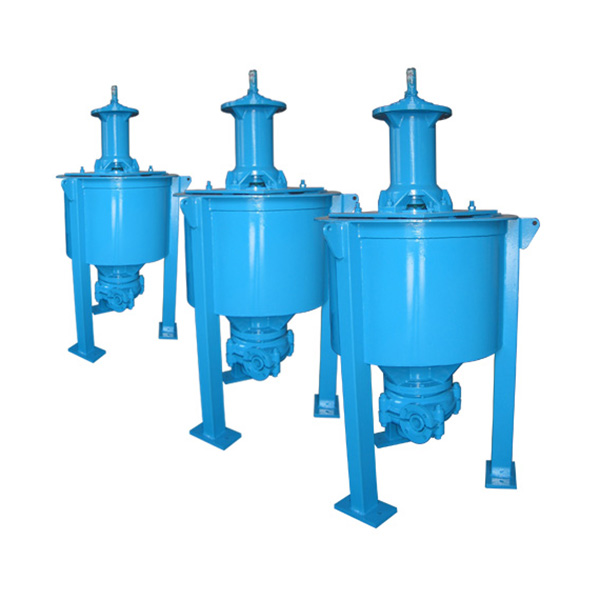
Our heavy sludge pumps utilize a semi-open impeller and a specialized vortex flow design that keeps solids in suspension, preventing the "settling" effect that typically leads to clogging.

Is the lithium slurry pump compatible with aggressive chemical solvents?

Absolutely. We use high-grade fluoroelastomers for seals and specialized ceramics for the wetted parts, ensuring total compatibility with the chemical solvents used in battery cathode production.

What is the expected lifespan of a ceramic liner in Japanese industrial use?

Depending on the slurry concentration and particle hardness, our ceramic liners typically last 3 to 5 times longer than standard high-chrome alloys, significantly reducing long-term O&M costs.

Consult Our Engineering Experts

Ready to optimize your slurry handling efficiency? Contact our technical team for customized solutions in Japan.

Contact Us Now
tel
email
tel
goTop

If you are interested in our products, you can choose to leave your information here, and we will be in touch with you shortly.