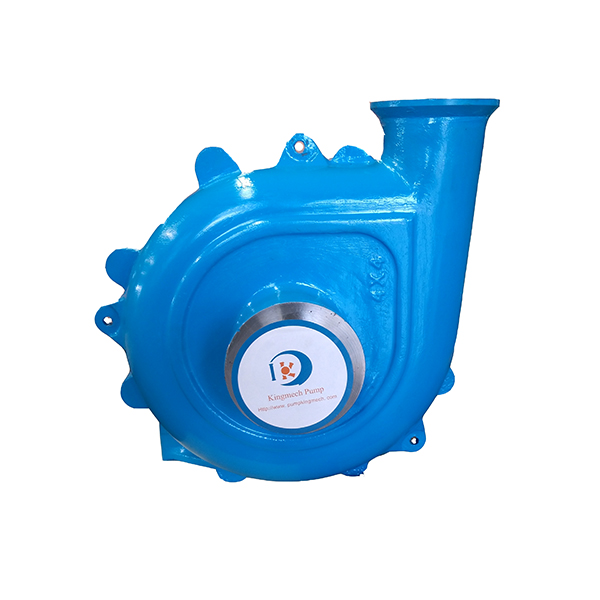
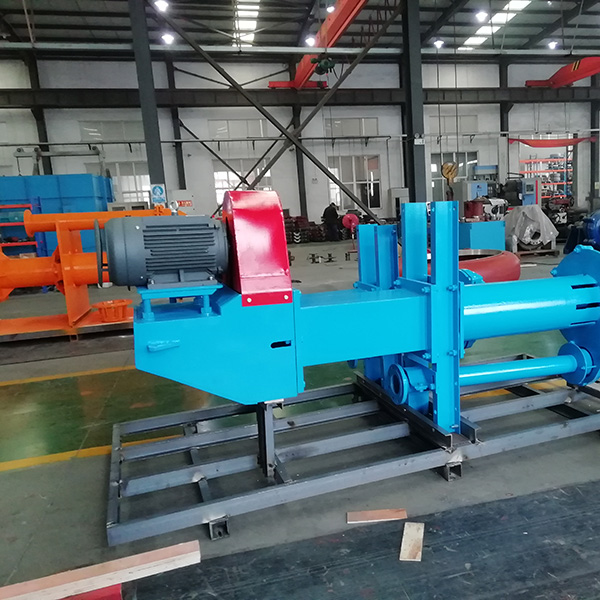
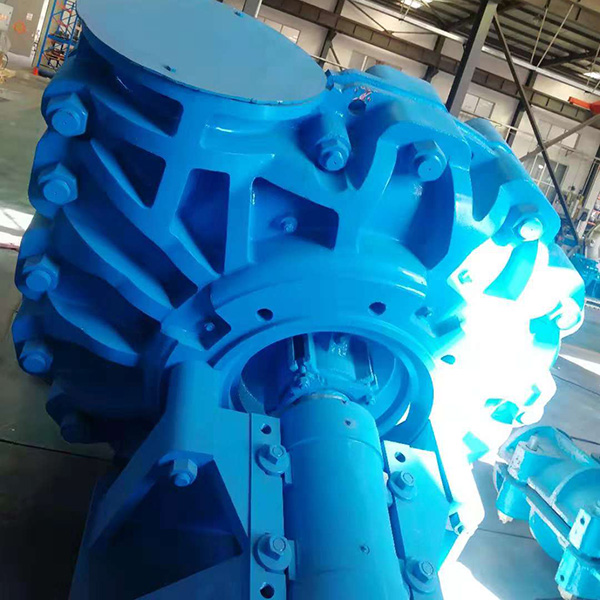
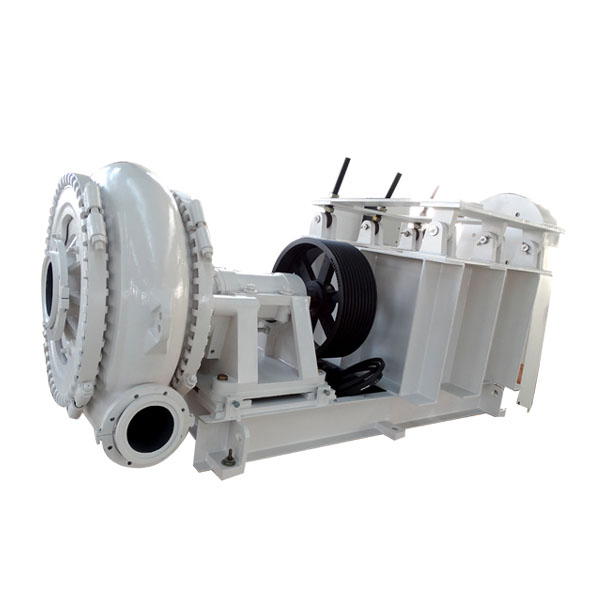
Norway's industrial sector is characterized by its demanding coastal fjords and mountainous terrain, where mining and aquaculture produce significant volumes of abrasive waste. The necessity for a reliable heavy sludge pump is critical here, as traditional equipment often fails under the combined pressure of high-viscosity solids and freezing ambient temperatures.
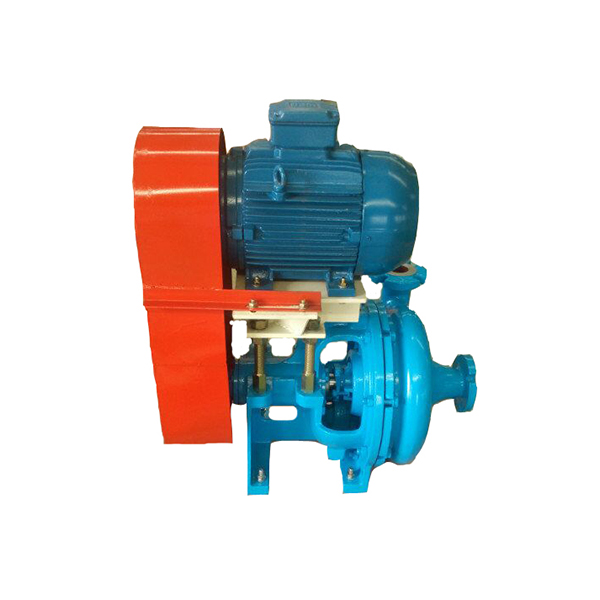
In the northern regions, accessibility to power grids is often limited, making the engine driven slurry pump the primary choice for remote site operations. These units provide the independence required for dredging and tailings management in areas where electrical infrastructure is non-existent.
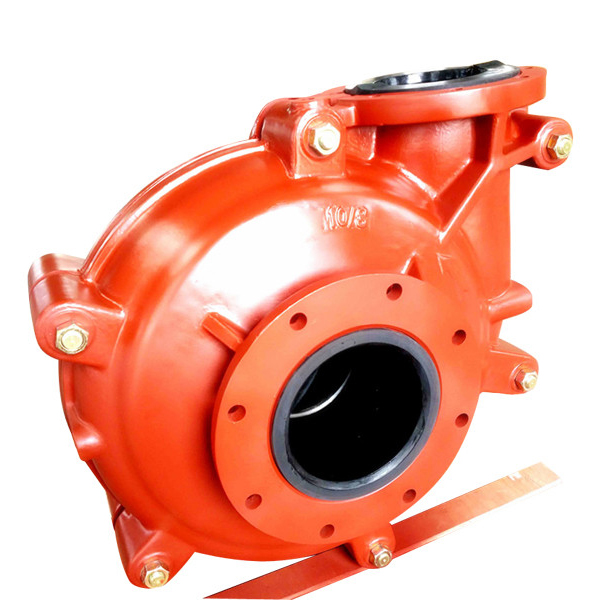
Furthermore, as Norway pivots towards becoming a European hub for battery materials and green energy, the demand for specialized chemical-resistant equipment, such as the ceramic slurry pump, has surged to handle corrosive electrolytes and abrasive mineral pulps without frequent liner replacements.