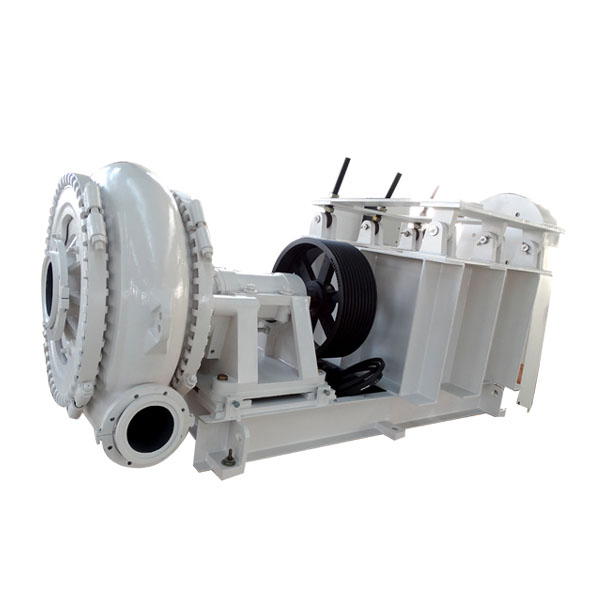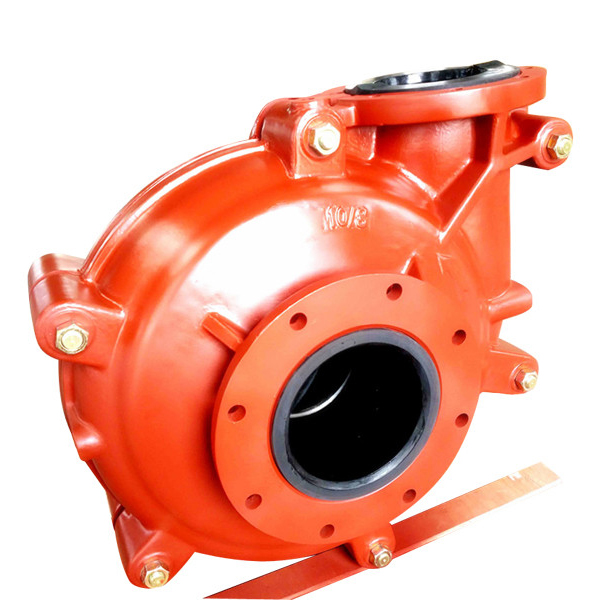
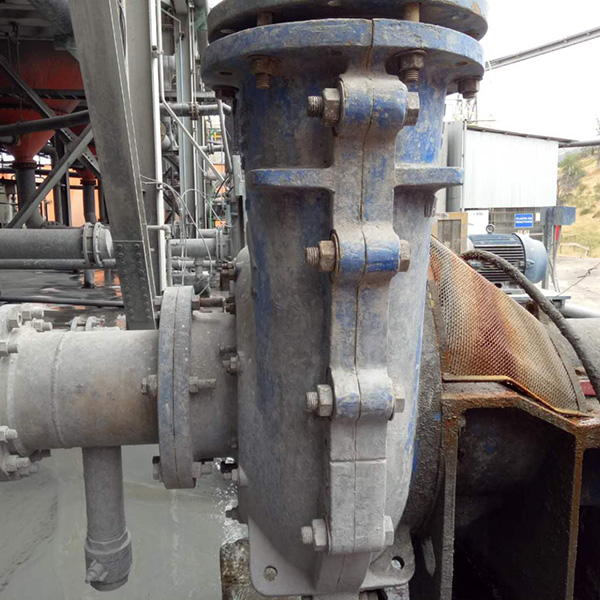
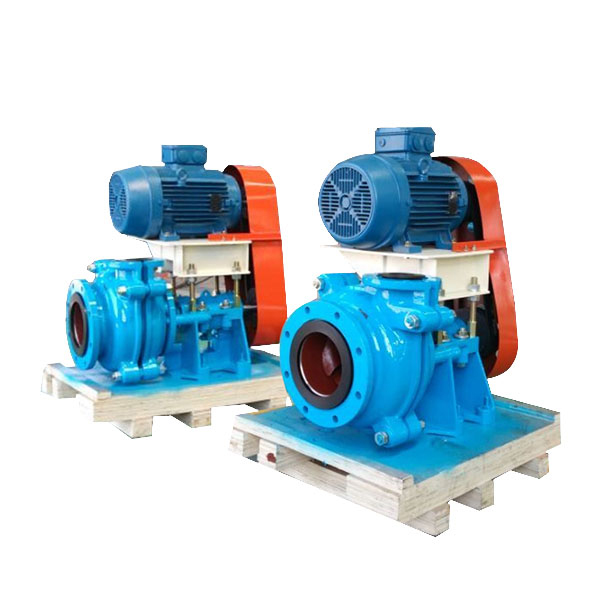
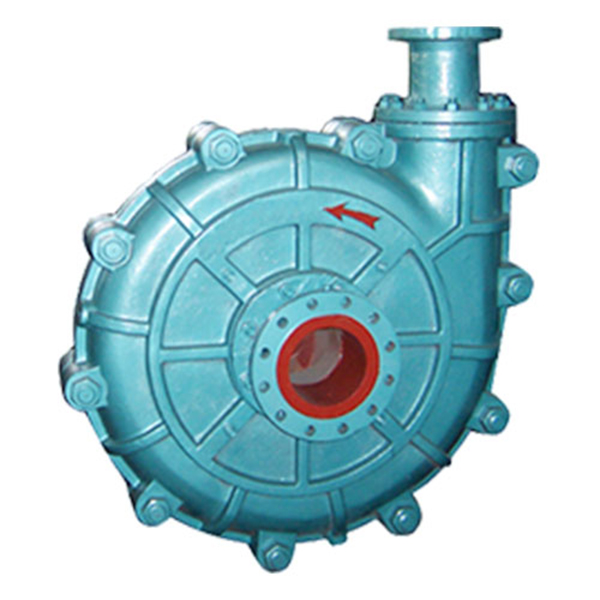
Industrial Pumping Solutions for Kenya: High-Performance engine driven slurry pump

Empowering Kenya's mining and industrial sectors with wear-resistant, heavy-duty slurry handling technology designed for the most demanding terrains.

Industrial Pumping Solutions for Kenya: High-Performance engine driven slurry pump

From the Rift Valley mines to Nairobi's industrial hubs, we provide specialized pumping equipment to handle abrasive solids, corrosive fluids, and high-density sludge with unmatched efficiency.

The State of Slurry Management in Kenya

Analyzing the challenges of abrasive material transport in East Africa's industrial landscape.

Kenya's industrial sector, particularly in mining and mineral processing, faces severe equipment wear due to the high quartz and volcanic ash content in local soils. The reliance on a heavy sludge pump has become critical as projects move toward deeper excavations and more complex tailings management.

Environmental factors, including fluctuating water tables and extreme seasonal rains, often lead to the accumulation of contaminated runoff. This necessitates the use of a robust dirty water slurry pump to ensure site drainage and operational continuity during the monsoon seasons.

Furthermore, the rise of sustainable energy projects and battery mineral exploration in the region is driving demand for specialized chemistry-resistant equipment, such as the lithium slurry pump, to support the burgeoning green energy supply chain in East Africa.
Evolution of Pumping Technology in Kenya

From basic centrifugal systems to advanced material science applications.

Market Development History

Prior to 2010, the Kenyan market relied heavily on general-purpose water pumps which suffered frequent failures when handling abrasive ores. The early adoption of cast iron liners provided temporary relief but lacked long-term durability for high-velocity slurry transport.

Between 2012 and 2020, the industry shifted toward high-chrome alloys. The introduction of the ceramic slurry pump revolutionized the sector by offering extreme hardness, drastically reducing the frequency of impeller replacements in gold and soda ash mining.

Post-2020, there has been a surge in decentralized power requirements. The integration of diesel-powered units, specifically the engine driven slurry pump, allowed operators to move equipment to remote sites without relying on an unstable power grid.

Future Development Trends

Smart Wear Monitoring

Integration of IoT sensors to track liner thickness in real-time, predicting failure before it occurs to minimize downtime in Kenyan mines.

Eco-Friendly Fluid Dynamics

Development of pumps with lower NPSHr (Net Positive Suction Head required) to reduce energy consumption and carbon footprints.

Advanced Polymer Composites

The transition toward hybrid ceramic-polymer materials to handle the increasingly corrosive nature of processed lithium and cobalt slurries.

Industry Trends and Future Outlook

Strategic projections for slurry handling and fluid transport in Kenya.

Energy Autonomy
Increasing shift toward diesel-engine integration for remote operational flexibility in the Rift Valley.
Material Hardening
Adoption of alumina-ceramic linings to combat the extreme abrasion of volcanic ores.
Critical Mineral Focus
Growth in lithium and rare earth element processing requirements across East Africa.
Modular Deployment
Skid-mounted pumping stations for rapid installation in temporary construction sites.

Industry Outlook

Based on Google search trends and industrial growth data in Kenya, we anticipate a 15% annual increase in demand for high-specification slurry pumps. The move toward "Green Mining" will prioritize equipment that reduces fluid waste and operates with higher energy efficiency.

The future will likely see a convergence of mechanical robustness and digital intelligence, where pumps are not just hardware but data-generating assets that optimize the entire mineral processing flow from extraction to tailings.

Localized Applications in Kenya

Practical implementations of our slurry technology across various Kenyan sectors.

1. Lake Magadi Soda Ash Extraction

Utilizing a ceramic slurry pump to handle highly abrasive soda ash crystals, ensuring continuous transport from extraction points to processing plants with minimal liner wear.

2. Gold Mining Tailings in Western Kenya

Deploying the heavy sludge pump for the efficient movement of thick gold tailings, preventing pipeline blockage and managing waste ponds effectively.

3. Municipal Sewage Dewatering in Nairobi

Implementation of the dirty water slurry pump to clear storm drains and manage sludge in urban wastewater treatment plants during peak rainfall.

4. Remote Site Construction Drainage

Using the engine driven slurry pump for road construction projects in remote areas where electricity is unavailable, pumping out silt-heavy groundwater.

5. Emerging Battery Mineral Refineries

Integrating the lithium slurry pump in specialized processing plants to handle corrosive lithium-bearing fluids with high chemical resistance.

Brand Story

Global Development History of Hebei Xiangmai Pump Industry Co., Ltd.

Founding Excellence

Established with a vision to solve the world's most difficult fluid transport problems, we focused on the core physics of abrasion and corrosion.

Material Innovation

We pioneered the use of advanced high-chrome and ceramic composites, bridging the gap between industrial power and long-term durability.

Global Expansion

Expanding our footprint into Africa, we tailored our designs to meet the rugged demands of Kenyan and Tanzanian mining operations.

Engineering Precision

By integrating precision CNC machining with metallurgy, we achieved a new standard in impeller balance and energy efficiency.

Future Commitment

Our mission remains: providing the "heart" of the industry—pumps that never fail, regardless of the slurry density or environment.

Complete Slurry Pumping Portfolio for Kenya

A comprehensive range of equipment engineered for East African geological and industrial conditions.

Common Questions in Kenya's Pumping Sector

Expert answers to the most frequent technical queries from our Kenyan partners.

How do I choose the right ceramic slurry pump for volcanic soil?

For volcanic soils common in Kenya, you should prioritize pumps with alumina ceramic liners. These materials provide the necessary Mohs hardness to resist the sharp, abrasive edges of volcanic ash and quartz.

What are the advantages of an engine driven slurry pump in remote areas?

Engine-driven units eliminate the need for expensive electrical infrastructure. They provide immediate mobility for temporary mining sites or emergency flood control in rural Kenyan districts.

Can a heavy sludge pump handle high-viscosity tailings?

Yes, our heavy sludge pumps are designed with wide-channel impellers and optimized flow paths to prevent clogging when transporting high-density tailings and thick mineral slurries.

Is a dirty water slurry pump suitable for urban Nairobi drainage?

Absolutely. These pumps are engineered to handle suspended solids and debris, making them ideal for removing silt and contaminated water from municipal infrastructure during the rainy season.

What makes a lithium slurry pump different from standard pumps?

Lithium processing involves corrosive chemicals. A dedicated lithium slurry pump uses specialized corrosion-resistant alloys or linings to prevent chemical degradation of the pump casing.

How often should I replace the liners in a high-abrasion environment?

Replacement intervals vary by material. While standard alloys might need monthly checks, our ceramic-lined options can extend service life by 3-5 times, depending on the solid concentration.

Request Your Custom Pumping Solution

Our engineering team is ready to provide technical consultations and customized equipment delivery across Kenya.

Contact Us Now
tel
email
tel
goTop

If you are interested in our products, you can choose to leave your information here, and we will be in touch with you shortly.