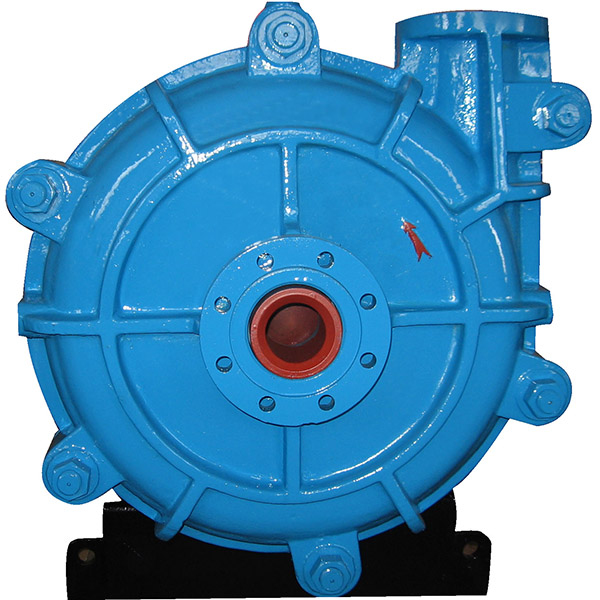
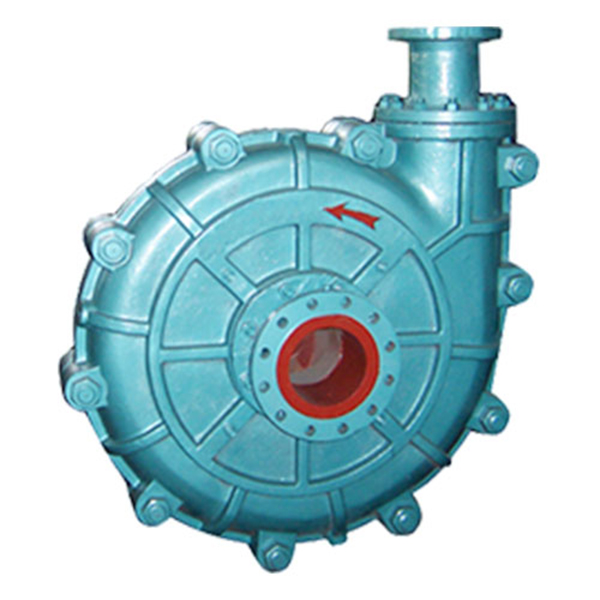
Industrial Pumping Solutions for lithium slurry pump in Paraguay

Engineering high-performance fluid handling systems tailored for the demanding mining and agricultural landscapes of South America.

Industrial Pumping Solutions for lithium slurry pump in Paraguay

Providing Paraguay's industrial sector with cutting-edge slurry management technology, from heavy mining operations to advanced lithium processing plants.

Current State of Slurry Handling in Paraguay

Analyzing the intersection of geographical challenges and industrial fluid transport.

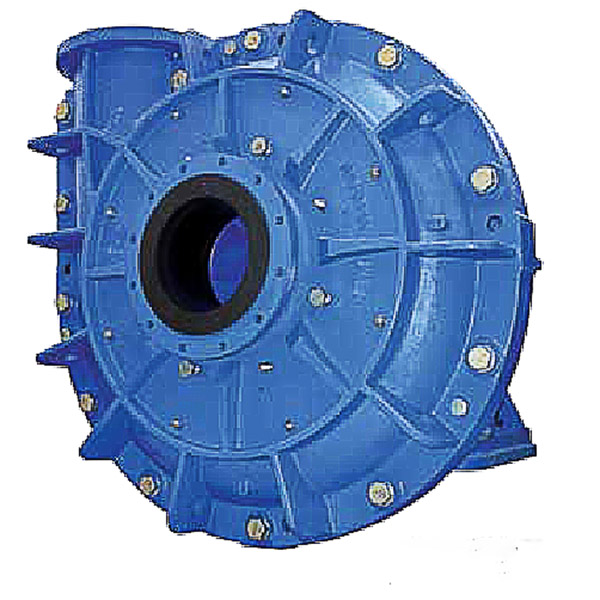
Paraguay's industrial landscape is heavily influenced by its vast agricultural plains and expanding mining interests. The transport of abrasive materials often requires a robust heavy sludge pump to handle the dense, sediment-rich runoff common in the Chaco region's infrastructure projects.

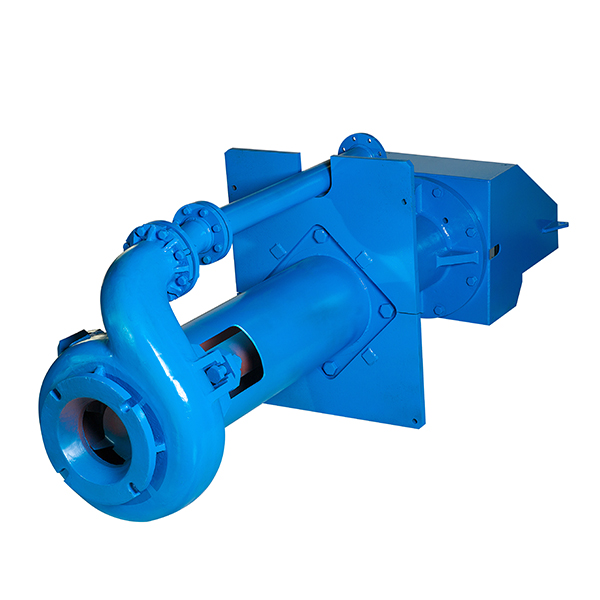
With the global shift toward electrification, Paraguay is exploring its mineral potential. The introduction of the lithium slurry pump has become critical for local processing plants aiming to refine raw materials with high chemical resistance and precision flow control.

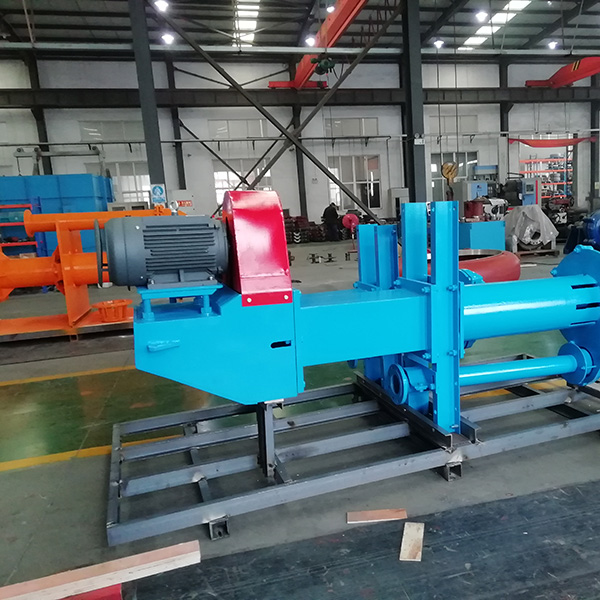
Due to the remote nature of many worksites in the interior, there is a significant reliance on the engine driven slurry pump, which allows for independent operation in areas where the electrical grid is unstable or non-existent.
Evolution of Fluid Transport Technology in Paraguay

From basic mechanical lift to intelligent abrasive fluid management.

Market Development History

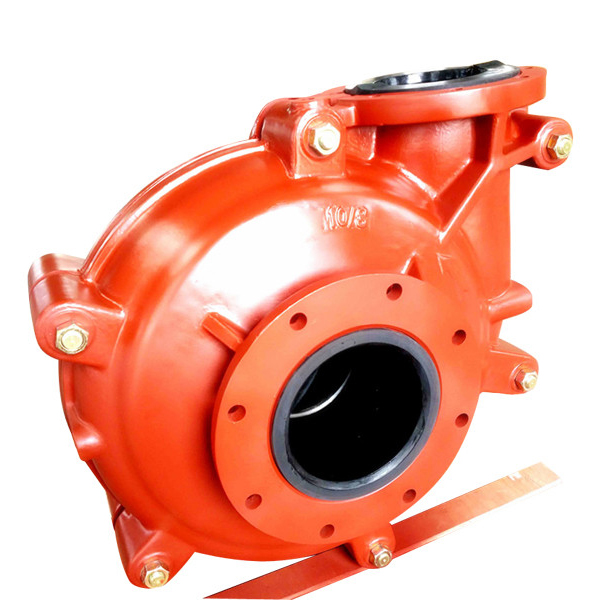
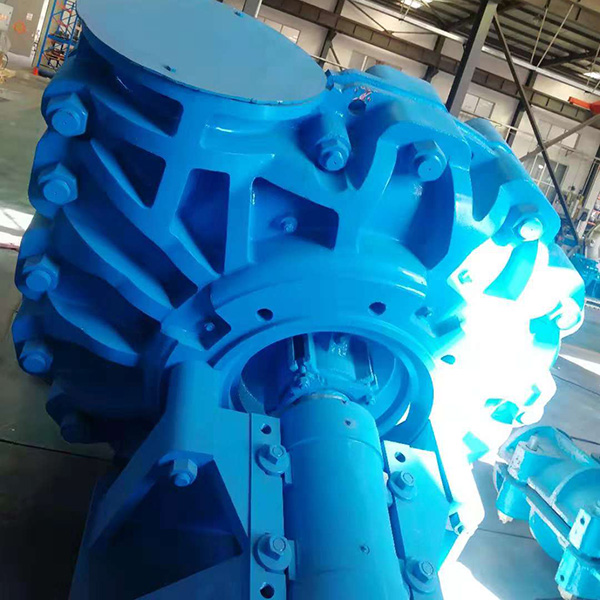
In the early 2000s, Paraguay primarily utilized basic cast-iron pumps for water management. However, as mining intensified, the need for wear-resistant materials led to the adoption of the ceramic slurry pump to combat extreme abrasion from quartz and silica.

By 2010-2015, the focus shifted toward environmental remediation and urban drainage. This period saw a surge in the deployment of the dirty water slurry pump to manage monsoon-season floods and industrial wastewater in Asunción.

From 2018 to the present, the industry has entered the "Precision Era," where specialized metallurgy and automated controls are integrated to handle highly corrosive lithium brines and complex mineral slurries.

Future Development Trends

Smart Wear Monitoring

Integration of IoT sensors within pump housings to predict liner failure before it occurs, reducing unplanned downtime in Paraguayan mines.

Eco-Efficient Powering

A transition from traditional diesel engines to hybrid and electric drives to meet new South American environmental sustainability targets.

Advanced Material Composite

Moving beyond standard ceramics to silicon carbide and nano-composites for even higher efficiency in abrasive fluid transport.

Industry Trends and Future Outlook

Strategic forecasts for the pump and vacuum equipment sector in the region.

Lithium Mining Surge
Rapid expansion of lithium extraction in the region driving demand for chemical-resistant pumping systems.
Remote Area Autonomy
Increasing preference for engine-driven units to maintain operational continuity in off-grid zones.
Waste Water Recovery
Stricter environmental laws prompting the use of high-capacity dirty water pumps for water recycling.
Material Innovation
Shift toward ceramic and alloy coatings to extend pump life in high-abrasion environments.

Industry Outlook

Over the next 3-5 years, the Paraguayan pump market will likely shift from generic equipment to highly specialized applications. Google search trends indicate a rising interest in "sustainable mining" and "industrial efficiency," suggesting that energy-saving pump designs will gain a competitive edge.

Furthermore, the integration of digital twin technology will allow operators in South America to simulate slurry flow and wear patterns, optimizing the selection of pump materials for specific mineral compositions found in the region.

Localized Application Scenarios in Paraguay

Real-world deployments across diverse Paraguayan industries.

01. Lithium Brine Extraction in Salars

Utilizing the lithium slurry pump to transport concentrated brine through processing stages while resisting chemical corrosion.

02. Chaco Region Infrastructure Dredging

Deployment of the heavy sludge pump for clearing sediment from drainage canals and construction sites in the remote Chaco plains.

03. Agricultural Wastewater Management

Using the dirty water slurry pump to handle runoff from large-scale soy and corn plantations, preventing soil erosion.

04. Off-Grid Mining Site Operations

Implementing the engine driven slurry pump for tailings management in sites without reliable electrical infrastructure.

05. Hard-Rock Mineral Processing

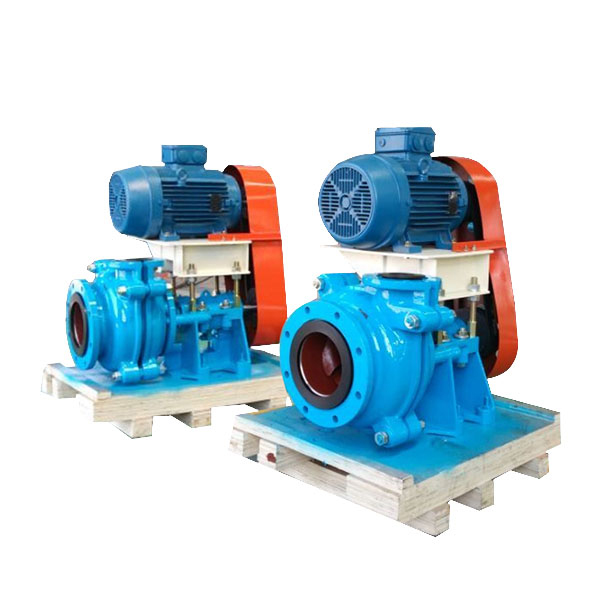
Applying the ceramic slurry pump in crushing and grinding circuits to handle abrasive ore slurries with minimal wear.

Brand Story

Global Development Journey of Hebei Xiangmai Pump Industry Co., Ltd.

Founding Vision

Established with a focus on solving the most difficult fluid transport problems in abrasive environments.

Technical Breakthrough

Pioneered advanced ceramic liner technology to drastically increase the lifespan of slurry pumps.

Global Expansion

Expanded market reach to South America, providing tailored solutions for the mining sectors of Paraguay and Brazil.

Sustainability Shift

Integrated energy-efficient motors and eco-friendly materials into all new pump series.

Industry Leadership

Recognized as a leading expert in heavy-duty slurry management for the global mineral processing industry.

Complete Product Portfolio for the Paraguayan Market

A comprehensive range of pumping equipment designed for high-wear and remote environments.

Common Questions in Paraguay

Expert answers to the most frequent technical queries from local operators.

How do I choose the right ceramic slurry pump for high-silica ores?

Evaluate the particle size and concentration. For high-silica ores, we recommend high-alumina ceramic liners that offer superior hardness and abrasion resistance compared to standard alloys.

Is an engine driven slurry pump suitable for remote Chaco regions?

Yes, they are ideal. Our engine-driven units are designed for autonomous operation, requiring only fuel to maintain high-pressure slurry transport in areas without grid access.

What is the maintenance cycle for a heavy sludge pump in mining?

Maintenance depends on the slurry density. Generally, we recommend a liner inspection every 3-6 months, though our reinforced alloys extend this interval significantly.

Can a dirty water slurry pump handle agricultural runoff with organic debris?

Absolutely. These pumps feature open impeller designs that allow for the passage of larger solids and organic materials without clogging.

How does the lithium slurry pump handle highly corrosive brines?

Our pumps utilize specialized corrosion-resistant alloys and polymers specifically engineered to withstand the chemical properties of lithium extraction fluids.

What are the energy-saving options for industrial pumps in South America?

We offer VFD (Variable Frequency Drive) compatible motors that optimize pump speed based on actual flow requirements, reducing power consumption by up to 30%.

Consult Our Pumping Experts

Get a customized fluid handling strategy for your operations in Paraguay.

Contact Us Now
tel
email
tel
goTop

If you are interested in our products, you can choose to leave your information here, and we will be in touch with you shortly.