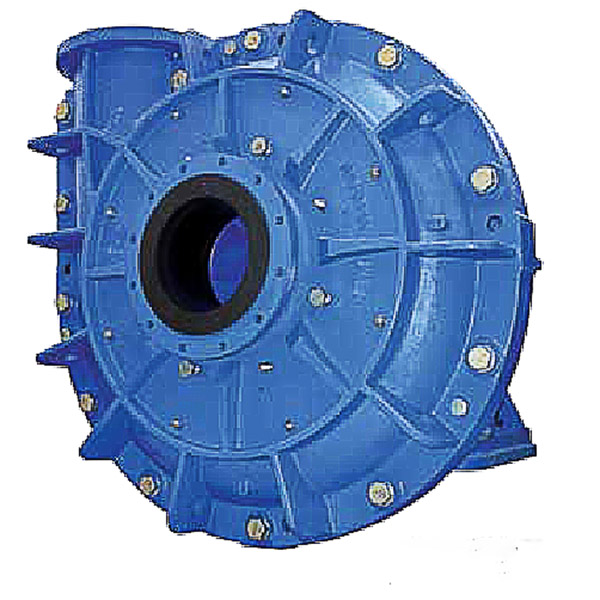
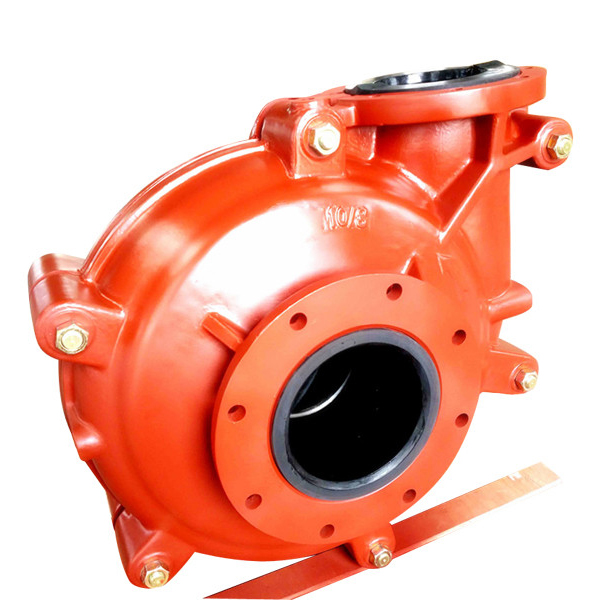
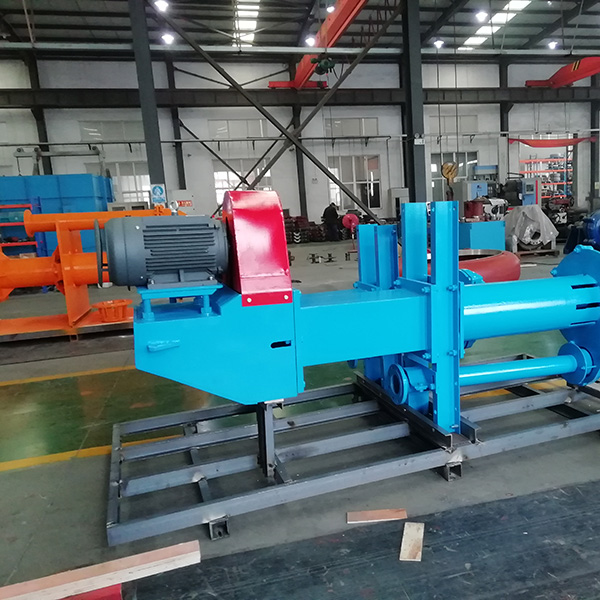
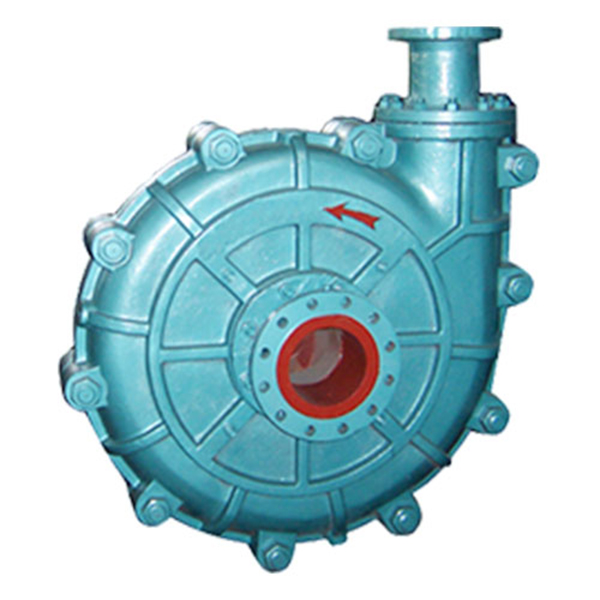
South Korea's industrial landscape is dominated by world-leading semiconductor and EV battery plants, particularly in regions like Gyeonggi-do and Chungcheong. These facilities require specialized ceramic slurry pump technology to transport highly corrosive and abrasive materials without contaminating the pure production environment.
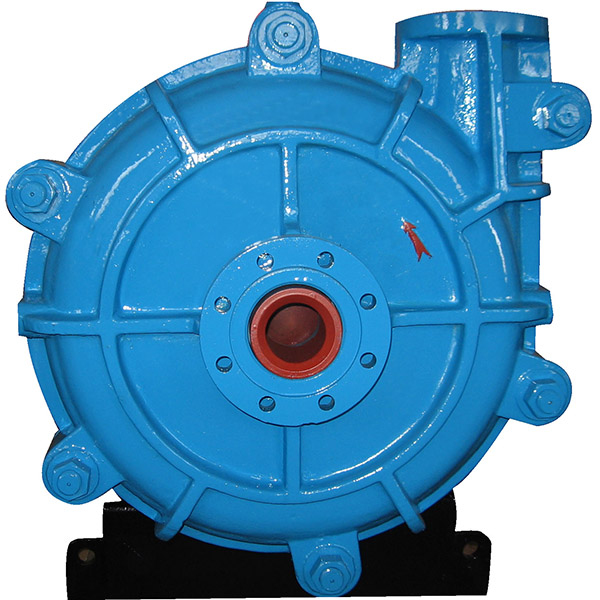
Simultaneously, the nation's extensive shipbuilding and heavy machinery sectors in Ulsan and Busan frequently encounter high-viscosity waste. The demand for a robust heavy sludge pump has surged as environmental regulations tighten, forcing plants to optimize their wastewater treatment processes to meet strict government standards.
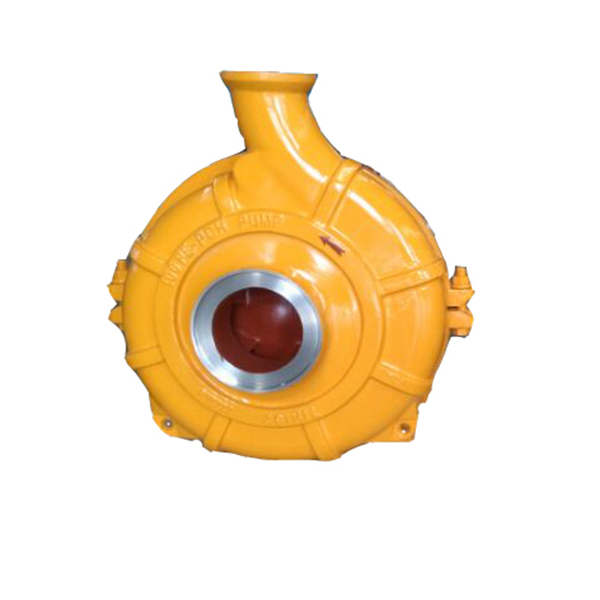
Furthermore, remote construction sites and emergency flood management in mountainous terrains have increased the reliance on the engine driven slurry pump, providing autonomy in areas where electrical infrastructure is unstable or unavailable during monsoon seasons.