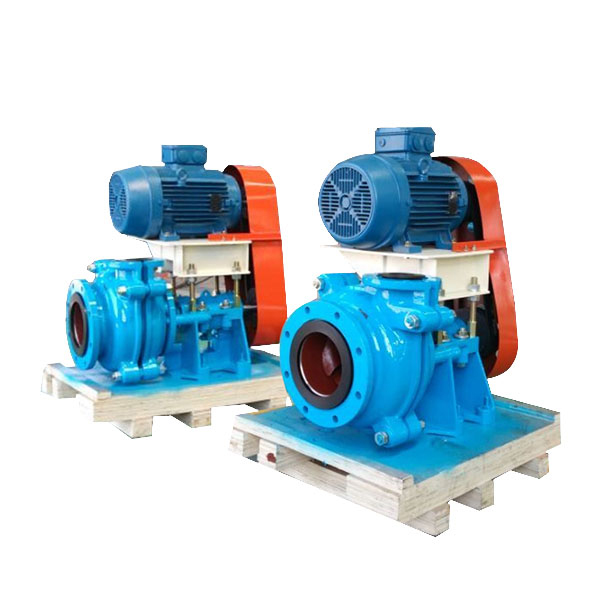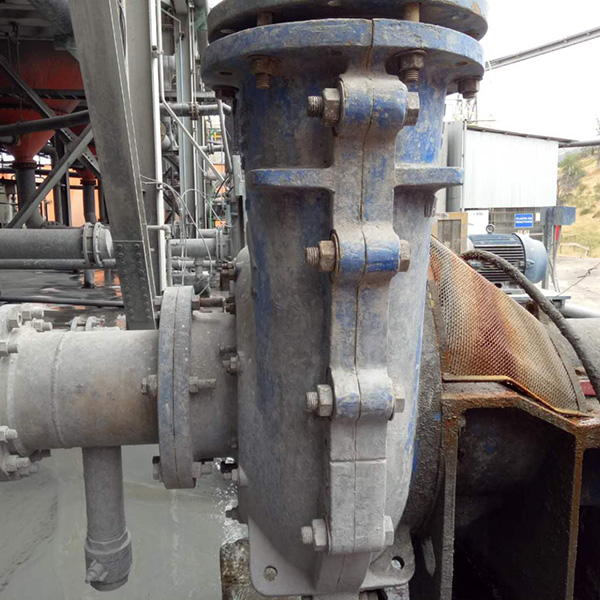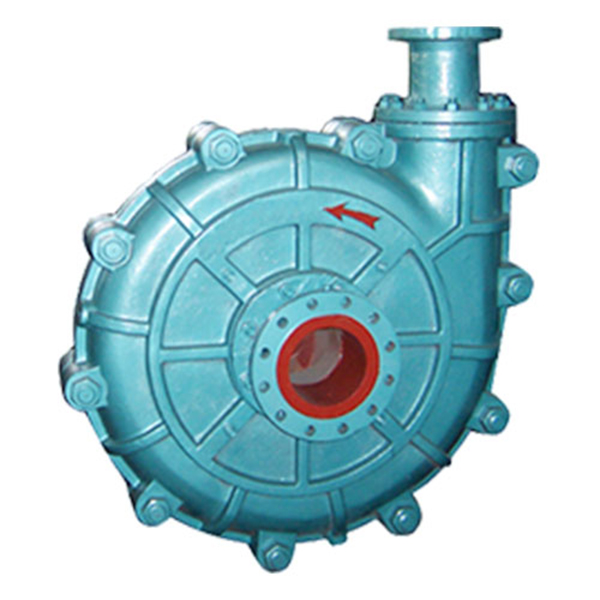
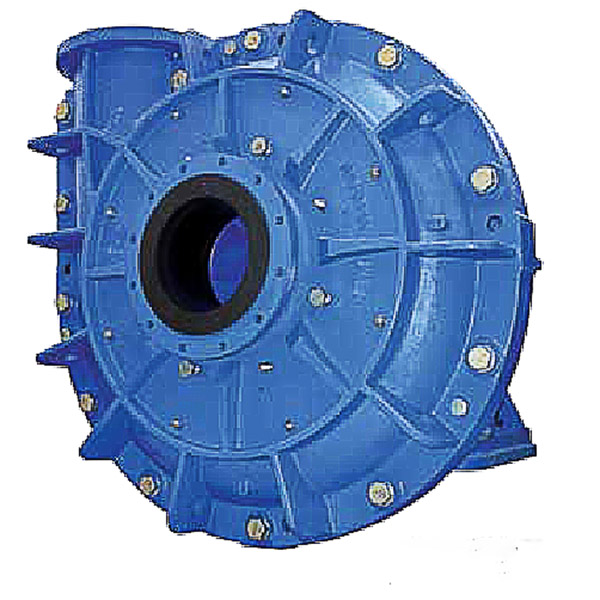
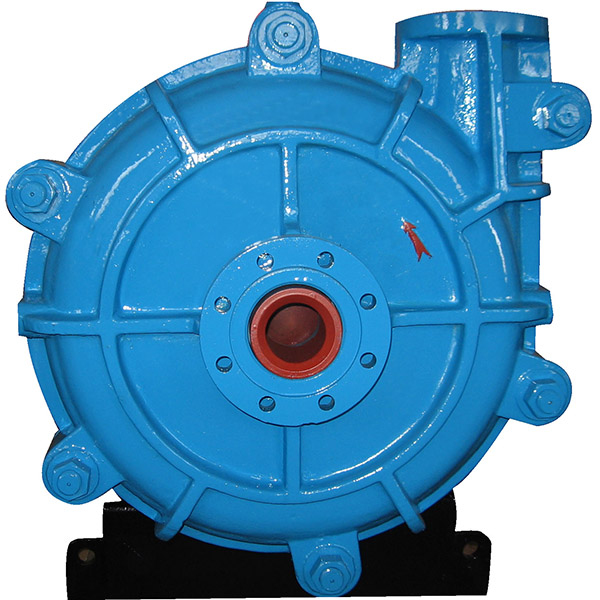
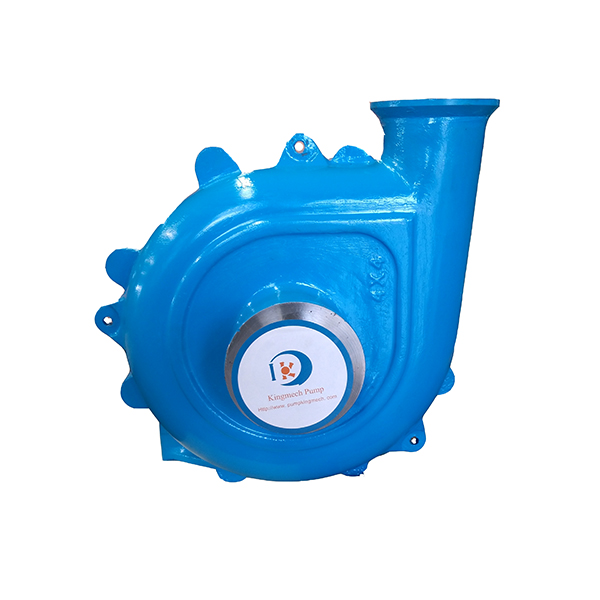
Romania's industrial landscape is characterized by a strong heritage in mining and petrochemicals, particularly in the Jiu Valley and Transylvania regions. However, many facilities still rely on aging infrastructure, leading to high maintenance costs when handling abrasive materials. The demand for a high-performance ceramic slurry pump has surged as plants seek to reduce downtime caused by premature wear and tear.
Geographically, the diverse terrain and fluctuating seasonal temperatures in Romania require equipment that can withstand extreme thermal cycles. In remote mining sites where power grids are unstable or nonexistent, the deployment of an engine driven slurry pump has become a critical necessity for ensuring continuous operation without dependency on external electricity.
Furthermore, with Romania's growing alignment with EU environmental directives, there is a significant push toward more efficient waste management. This shift has increased the requirement for a heavy sludge pump capable of processing high-viscosity industrial waste while meeting strict energy efficiency standards to lower the carbon footprint of local manufacturing.