Email Us
sales@pumpkingmech.com
Email Us
sales@pumpkingmech.com30 November 2025
Industrial slurry pumps might not be the topic of casual conversation, but their importance in global industry is huge. These machines are the unsung heroes moving thick mixtures of solids and liquids—slurries—across various sectors, from mining to wastewater treatment and even disaster relief. Understanding slurry pumps offers not just technical insight but a glimpse into the backbone of many vital industries shaping our world.
Did you know that the global slurry pump market is expected to hit nearly $5 billion by 2027, growing steadily due to increasing mining activities and infrastructure development? (Source: Statista) The UN’s sustainable development goals emphasize water management and responsible industrial processes—tasks where slurry pumps play a critical role. They tackle the challenge of transporting abrasive or heavy mixtures efficiently without downtime, which can be a dealbreaker for industries relying on continuous operations.
Industries using slurry pumps include mining, where extracting valuable ores involves moving abrasive mixtures; power plants handling ash slurry; and even dredging operations maintaining navigable waterways. In many remote or developing regions, these pumps are essential for maintaining sanitation, water resources, and infrastructure development—often under harsh conditions.
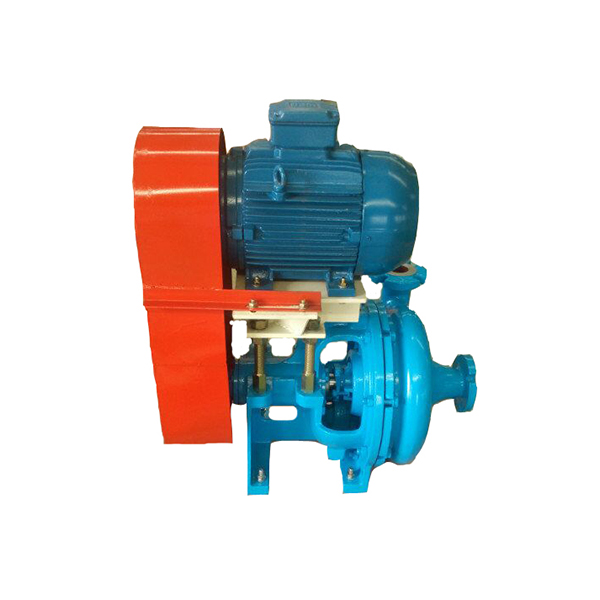
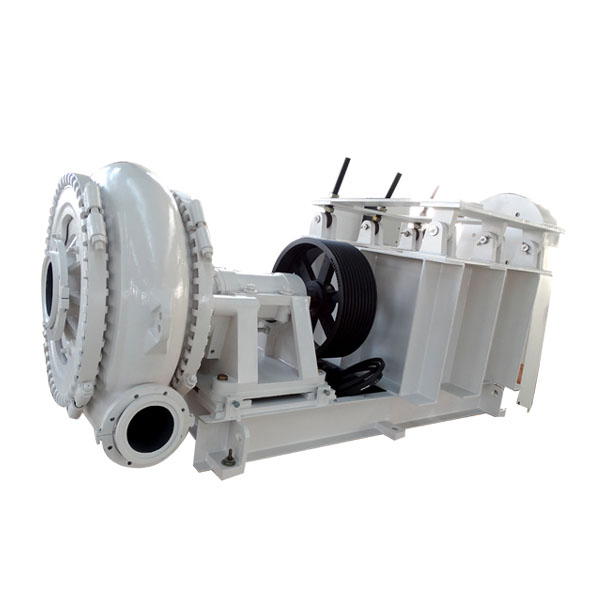
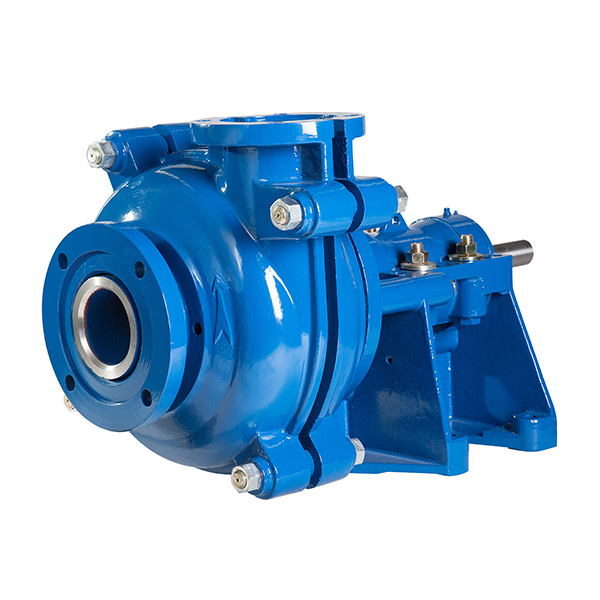
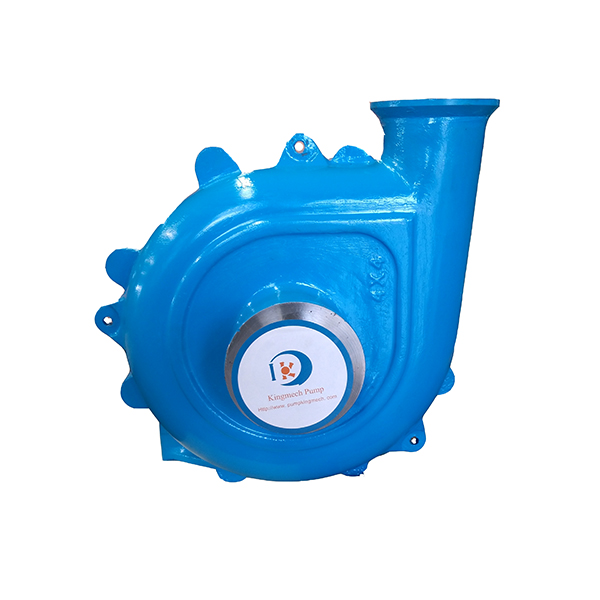
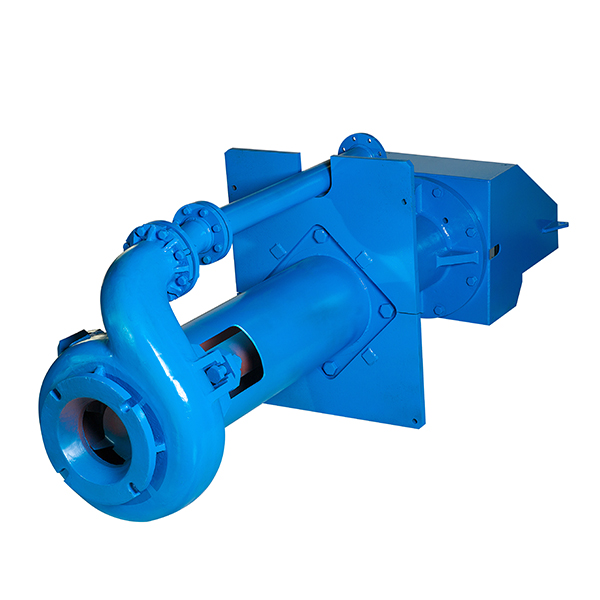
In simple terms, an industrial slurry pump is a mechanical device designed to move thick, often abrasive mixtures containing particles (like sand, gravel, or ores) suspended in liquid. Unlike standard pumps that might quickly wear down when handling such material, slurry pumps are built to deal with these harsh mixtures without frequent damage.
Their connection to modern industry is foundational. Whether it's mining cobalt in the Congo, purifying wastewater in urban centers, or supporting construction projects in the Middle East, these pumps ensure materials flow smoothly despite the physical challenges.
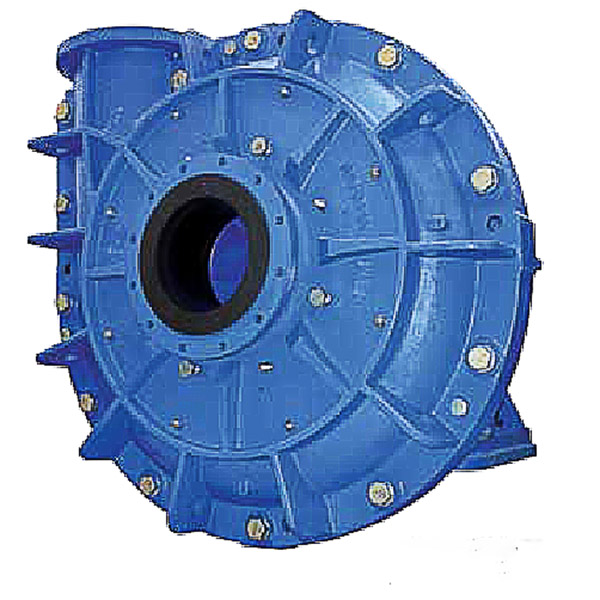
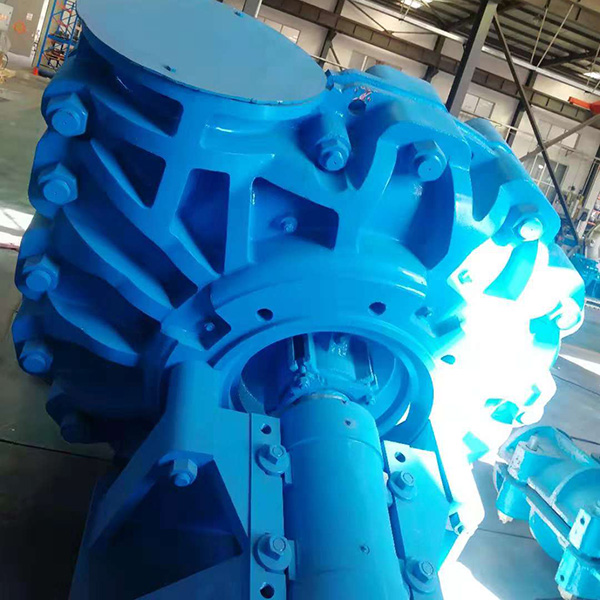
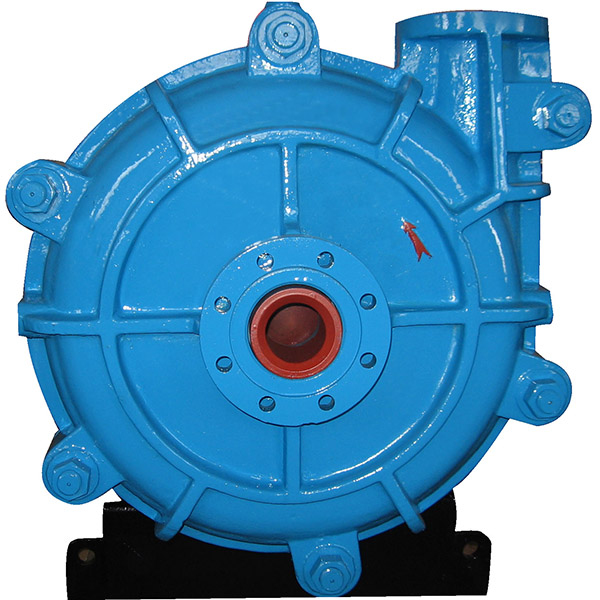
One of the prime concerns with slurry pumps is abrasion resistance. The internal components like impellers and casings are usually made from hardened alloys or rubber linings, specifically tailored to resist wear from particles slamming against surfaces at high speeds. Because replacing parts every few months isn't economical or practical.
Different jobs require different volumes and pressures. A slurry pump that handles 100 cubic meters an hour might be fine for a small quarry, but large mining operations demand far more rigorous specifications. The scalability of pump designs means industries can select pumps that fit both current loads and future expansion.
Energy use is a subtle but significant factor. Pumps that operate more efficiently reduce operational costs and carbon footprints—a growing pressure point for many companies chasing sustainability goals. High-efficiency slurry pumps reduce wear by optimizing flow patterns internally and cutting down turbulence.
Downtime is expensive. Industrial slurry pumps designed for easy maintenance—think modular parts, quick disassembly, and readily available spares—are favored. The upfront price is one thing, but lifecycle cost matters most.
Some pumps are used in acidic or high-temperature environments, so material science plays a big role. Options like rubber-lined pumps, metal alloys, or even ceramic inserts help ensure the pump survives—and thrives—in different chemical or thermal conditions.
Mini Takeaway: Industrial slurry pumps aren’t just bulky hardware; they’re finely engineered machines balancing durability, efficiency, and flexibility to meet diverse and demanding industrial needs.
Globally, slurry pumps find themselves at the heart of multiple operations. In South Africa’s gold and diamond mines, these pumps haul gritty slurry miles underground and across rough terrain. Far north, in Canada’s oil sands, slurry pumps transport sands mixed with water for processing. Meanwhile, in coastal China, dredging projects use these pumps to clear sediments, essential for shipping lanes.
Even in humanitarian contexts, in places recovering from floods or tsunamis, slurry pumps assist in moving mud and debris, enabling faster rebuilding and sanitation restoration. The World Bank highlights slurry pumps' roles in improving water infrastructure in South Asia, directly impacting millions' health.
Honestly, the sense of trust engineers place in these machines is profound; when your entire mining operation depends on a slurry pump running 24/7, there’s no room for failure.
| Specification | Typical Range / Value | Notes |
|---|---|---|
| Flow Rate | 50 - 1500 m³/hr | Varies by model and application |
| Head (pressure) | 10 - 100 meters | Adjustable by impeller size and speed |
| Particle Size Capacity | Up to 100 mm | Depends on pump design (metal vs. rubber lining) |
| Temperature Range | -10°C to 120°C | Special materials for acidic or hot slurry |
| Material Options | Hardened steel, rubber, ceramic-lined | Selected based on slurry type |
| Vendor | Material Options | Typical Delivery Time | Warranty | Global Service Network |
|---|---|---|---|---|
| KingMech Pumps | Steel, rubber lined | 4-6 weeks | 18 months | Yes |
| FlowMaster Inc. | Steel, ceramic-lined | 6-8 weeks | 12 months | Limited |
| PumpSolutions | Rubber, composite | 5 weeks | 24 months | Yes |
Digital sensors and smart monitoring systems are gradually entering slurry pump design, letting operators predict wear or impending failures before they become critical. This kind of proactive maintenance is increasingly vital as industrial uptime becomes more critical.
There's also a push toward green materials and energy-efficient motors. Manufacturers experiment with advanced ceramics to increase pump life and reduce environmental compromise from metal mining and manufacturing processes. Automation is making slurry pump operation smarter, especially in remote mining sites where safety is key.
Of course, these pumps don’t come without concerns. Abrasion and corrosion remain perennial problems. Inconsistent slurry composition can surprise operators and cause sudden damage. But solutions are evolving—adaptive impeller designs, online monitoring, and new strain-resistant alloys help extend operational life. Engineers are creatively pairing these pumps with AI-based predictive maintenance systems, which really feels like the future arriving slowly but surely.
They're designed for thick mixtures containing abrasive solids like sand, ores, or coal paste suspended in water or other liquids. Adjustments in material lining and impeller design let you handle anything from mild to highly abrasive slurries.
It varies by usage and slurry harshness, but wear parts like impellers and liners often require replacement every 6-18 months. Predictive maintenance and high-quality materials can stretch this considerably.
Yes, with the right materials—such as rubber or specialized metal alloys—they can operate in acidic or alkaline environments. It's critical to select pumps tailored to the chemical nature of your slurry.
Slurry pumps consume considerable power, so selecting efficient models with optimal flow characteristics reduces energy use. Regular maintenance to avoid blockages or wear also improves efficiency.
Absolutely. Many models are ruggedized for extreme temperatures, corrosive conditions, and remote operation, especially in mining or dredging settings.
In real terms, the industrial slurry pump is a quiet workhorse at the heart of modern industry’s toughest tasks. From moving abrasive ore slurry deep underground to managing municipal wastewater, these pumps blend engineering precision with raw durability. Their evolving tech—think smarter sensors and green materials—ensures they’ll remain vital for years to come.
Curious to learn more or want to see offerings firsthand? Industrial slurry pump specialists like KingMech offer detailed specs and expert consultation to match the perfect pump to your application. It’s a step any serious operator can’t afford to skip.
References:
1. Wikipedia: Slurry pump
2. UN Sustainable Development Goals: Water
3. ISO: Pump Standards