Email Us
sales@pumpkingmech.com
Email Us
sales@pumpkingmech.com21 October 2025
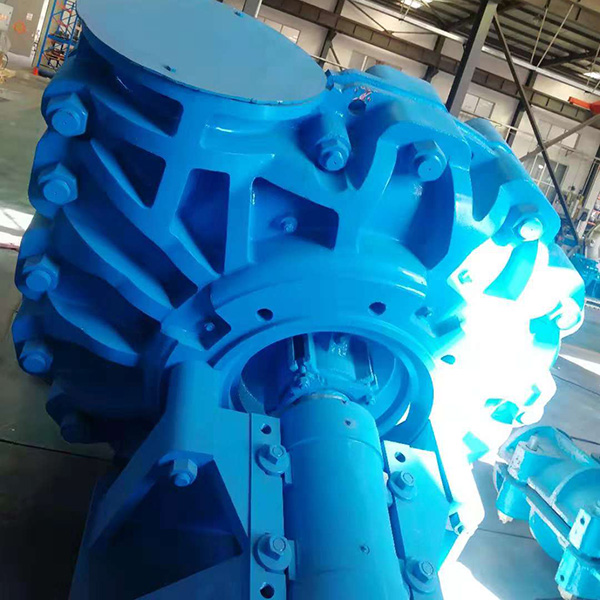
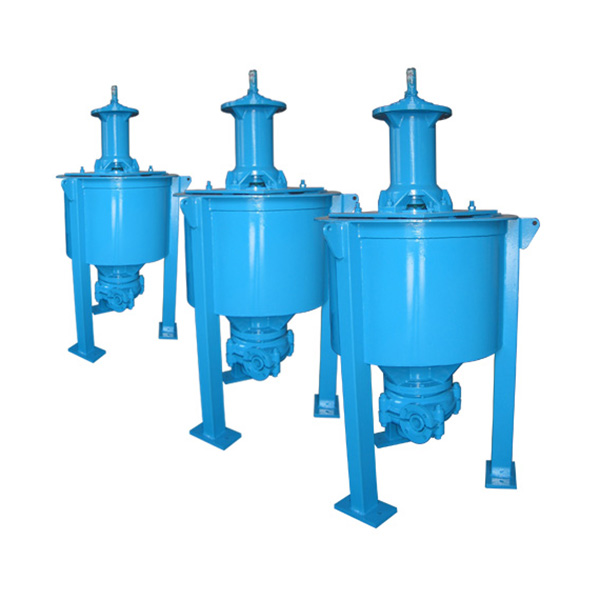
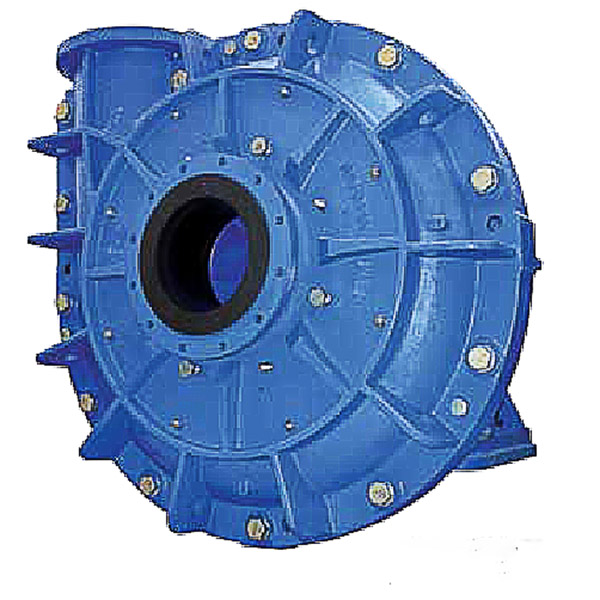
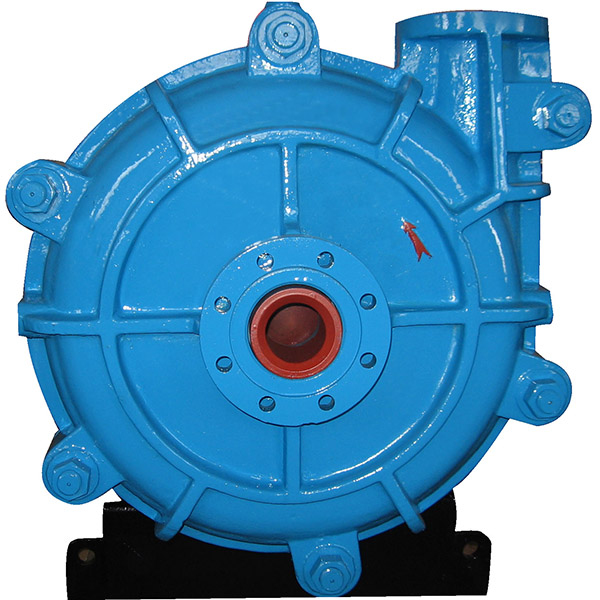
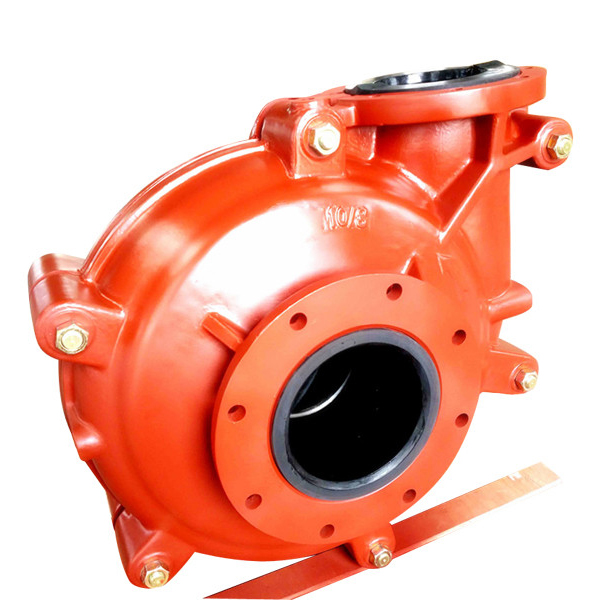
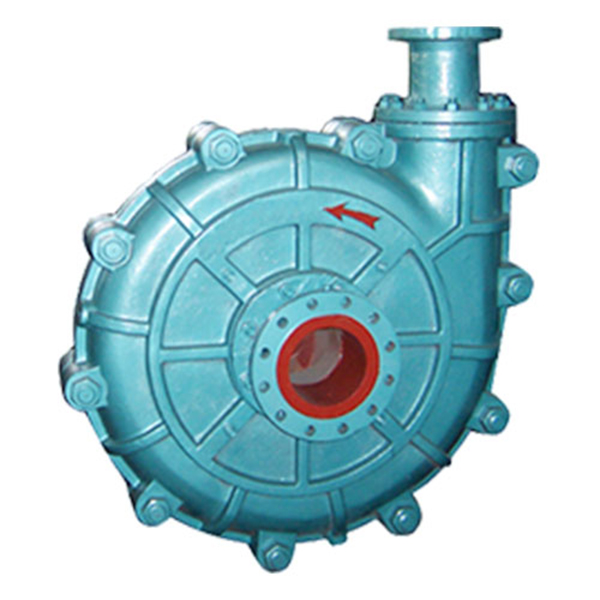
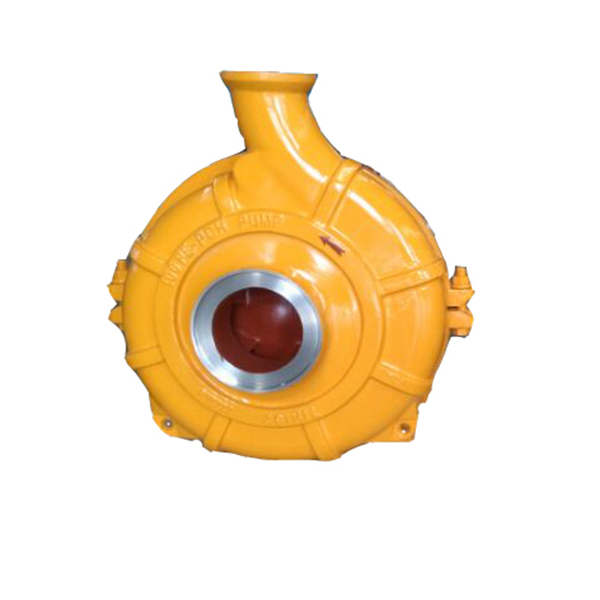
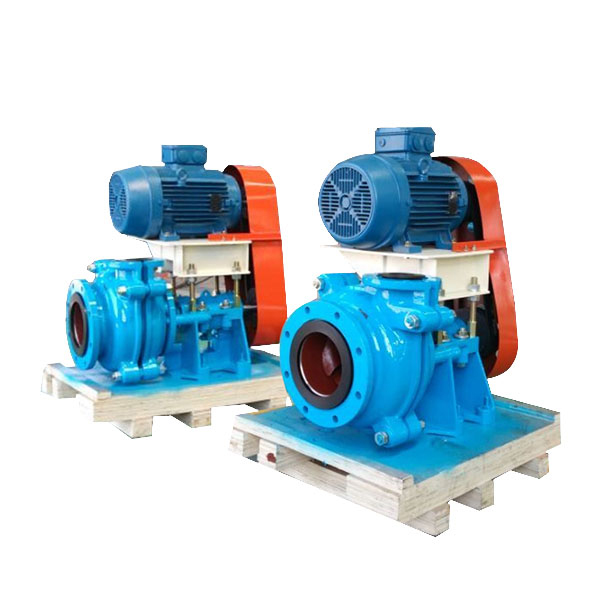
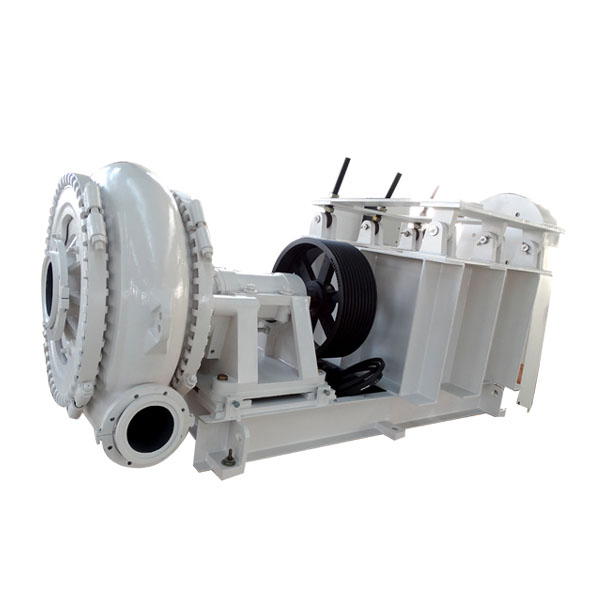
When you spend enough time around concentrators and tailings lines, you learn fast: picking the right slurry pump isn’t a spec-sheet exercise—it’s a survival skill. The HSD Heavy Slurry Duty Pump (Repalce XU) from Kingmech, built in Beisu Industrial Park, Wuji County, Shijiazhuang, has been turning heads lately. To be honest, the value-to-wear ratio is what initially caught my eye; then I dug into the metallurgy and test data.
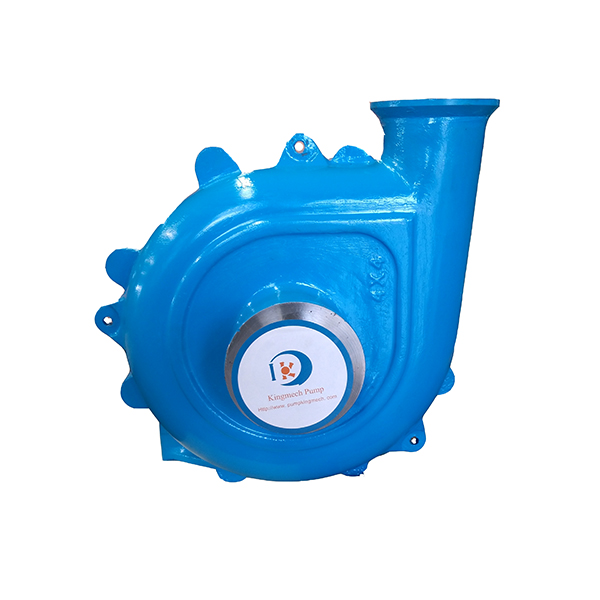
Three trends are driving adoption: rising solids load in tailings transport, pressure to cut downtime, and a slow but steady shift to life-cycle costing. Many customers say they’d rather swap liners less often than chase a theoretical efficiency point. Makes sense. The slurry pump that keeps running is the cheapest pump you own.
| Model | HSD Heavy Slurry Duty Pump (Repalce XU) |
| Size | 3–12 inches |
| Capacity | ≈10–600 m³/h (real-world duty dependent) |
| Head | ≈5–80 m |
| Materials | Cr27, Cr28 high-chrome iron; CD4MCu duplex options |
| Seals | Packing seal, expeller seal |
| Solids handling | Up to around 45 wt% (particle size and PSD dependent) |
| Testing | Hydrostatic + performance per ISO 9906 (Grade 2B typical) |
The wear parts use Cr27/Cr28 (conforming to ASTM A532 guidelines) for abrasion resistance; CD4MCu is on the menu when chloride stress or pH drift is an issue. Casting integrity is checked with UT and dye penetrant on critical sections, then balanced impellers (ISO 1940-1 G6.3 or better) and a 1.5× MAWP hydro test. Performance is verified to ISO 9906; I saw ±5% flow/±7% head tolerance in an actual test report—solid for a heavy-duty slurry pump.
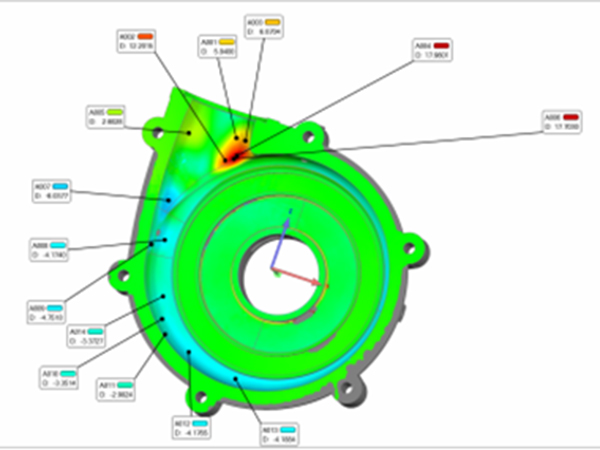
Service life? It varies wildly (we all know this), but mines running 25–35% solids magnetite reported 3,000–5,500 hours on Cr27 liners before planned changeouts. In silica-heavy dredging, drop that by a third. Still respectable.
The expeller seal is a nice middle ground for moderately dirty services; for vacuum upsets or intermittent dry runs, I’d still lean packing with flush—belt-and-suspenders approach.
| Vendor | Materials | Lead Time | Price Band | Notes |
|---|---|---|---|---|
| Kingmech HSD | Cr27/Cr28, CD4MCu | ≈4–8 weeks | $ | Good liner value; ISO 9001 shop |
| Weir Warman (XU class) | HC white iron, elastomers | ≈6–14 weeks | $$$ | Global footprint; broad spares |
| Metso Outotec | HC irons, rubber | ≈6–12 weeks | $$$ | Strong process integration |
| GIW/KSB | Alloys, rubber | ≈8–16 weeks | $$$ | High-capacity specialists |
Timing and prices are indicative; your region and order size will swing it.
- Iron ore, cyclone feed, 8-inch slurry pump: 420 m³/h @ 22 m, Cr28 liners. Wear scan every 800 hours; planned change at ~4,600 hours. Downtime saved roughly 9 hours/quarter.
- Dredging sand, 10-inch slurry pump: 520 m³/h @ 18 m, CD4MCu volute to handle brackish water. Seal water reduced by ≈30% using expeller setup.
“Liners lasted longer than we budgeted,” one maintenance supervisor said—then quickly added, “provided we stayed inside the sweet spot on the curve.” Fair point. The best slurry pump is still at the mercy of operating discipline.
Certifications: ISO 9001 quality management; performance tests to ISO 9906; materials per ASTM A532 for white irons. If you need formal witness testing, ask early—it’s almost always doable.