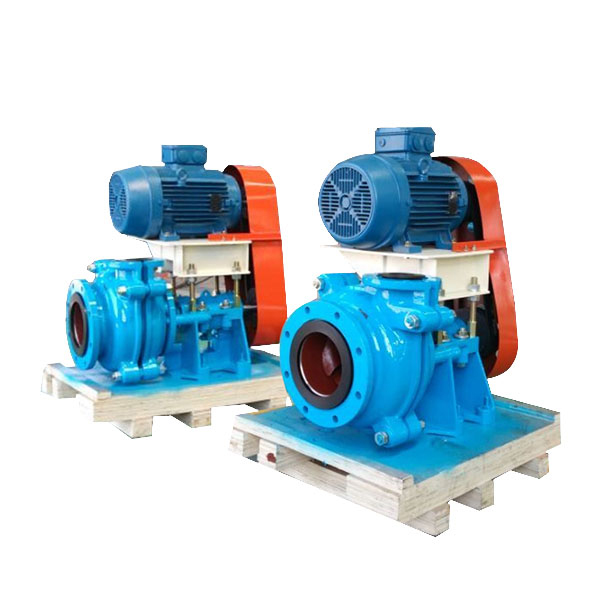
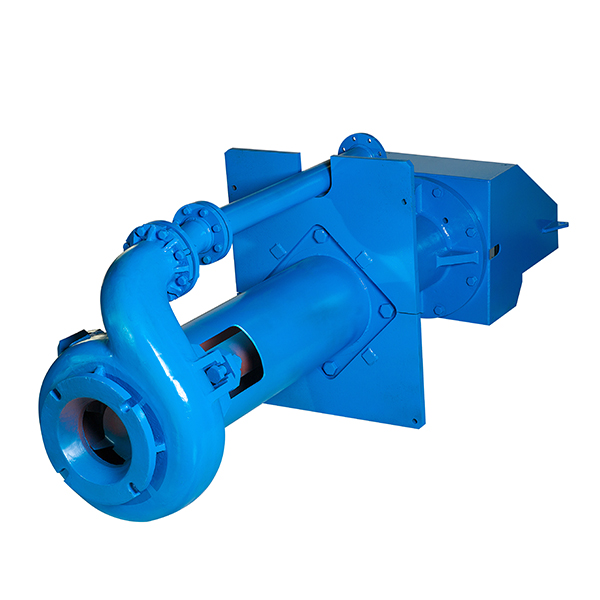
Introduction to Chemical Slurry Pumping Solutions
In diverse industrial operations, the efficient and reliable transfer of abrasive and corrosive slurries is a critical challenge. Industries such as petrochemicals, metallurgy, mining, wastewater treatment, and pharmaceuticals frequently encounter highly aggressive media that demand specialized pumping equipment. The conventional centrifugal pump often falls short in these demanding applications due to rapid wear and material incompatibility, leading to frequent downtime, high maintenance costs, and compromised operational integrity. This necessitates advanced solutions designed for extreme conditions.
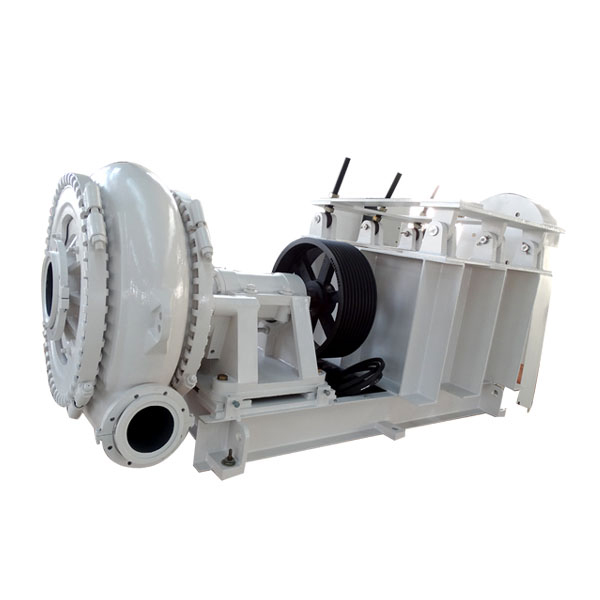
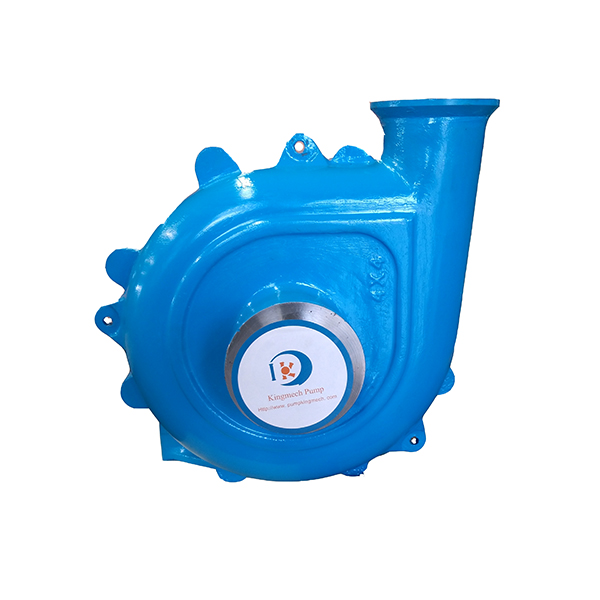
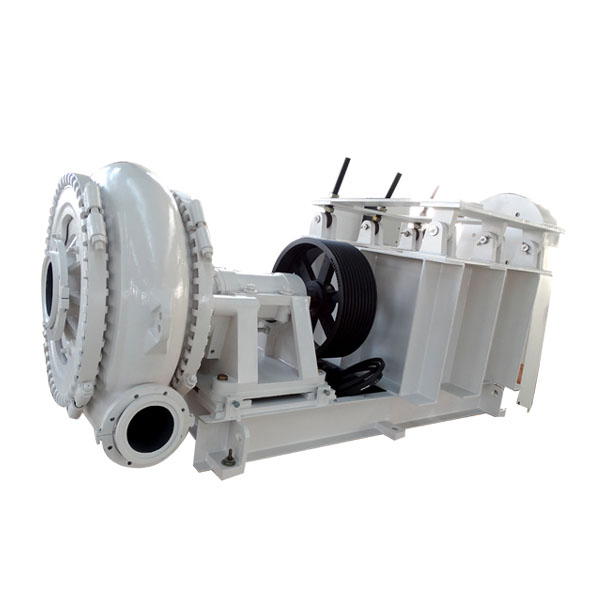
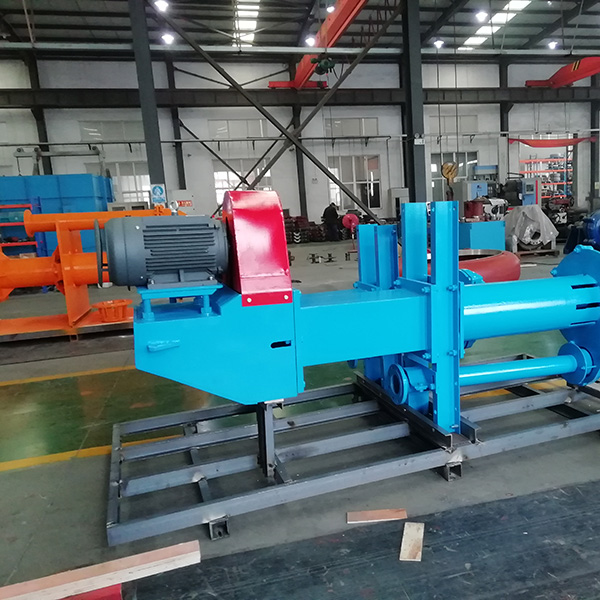
Kingmech Pump's chemical slurry pump, specifically the CSD Chemical Slurry Pump (designed to replace PC & PCH models), represents a significant technological advancement in this field. Engineered to overcome the inherent limitations of traditional progressive cavity (pc pump) and standard centrifugal slurry pumps, the CSD series combines robust construction with superior material science and optimized hydraulic design. This comprehensive approach ensures exceptional resistance to abrasion and corrosion, extended service life, and consistent performance in the most challenging chemical slurry transport scenarios. Our focus herein is to detail the technical prowess, application versatility, and operational advantages of this critical industrial asset.
Industry Trends and Challenges in Chemical Slurry Management
The industrial landscape is continuously evolving, driven by stricter environmental regulations, increased demand for operational efficiency, and the processing of more complex and aggressive materials. These trends place immense pressure on pumping equipment, particularly those handling chemical slurries. The key challenges include:
- Aggressive Media Handling: Many industrial processes involve slurries that are both abrasive (e.g., mineral ore concentrates, ash) and corrosive (e.g., strong acids, alkalis, high-chloride solutions). Finding a single pump solution that effectively resists both types of wear is paramount.
- Extended Service Life: Industries demand pumps with longer Mean Time Between Failures (MTBF) to minimize downtime and reduce maintenance labor and replacement part costs. Frequent pump failures lead to significant production losses.
- Energy Efficiency: With rising energy costs and global sustainability initiatives, there is a strong push for pumps that offer superior hydraulic efficiency, reducing power consumption over their operational lifespan.
- Regulatory Compliance: Environmental and safety regulations mandate leak-free operations, particularly when handling hazardous chemicals. This requires robust sealing solutions and reliable pump integrity.
- Digital Integration: The advent of Industry 4.0 drives demand for pumps compatible with monitoring systems for predictive maintenance and operational optimization.
Traditional pumps, including many pc pump designs, often struggle with the combined stress of high solids content and aggressive chemical attack. Elastomer stators in PC pumps, while effective for viscous fluids, are highly susceptible to chemical degradation and abrasive wear from slurries. This has driven the development of advanced csd pump technologies like the Kingmech CSD, specifically engineered to navigate these complex industrial requirements, ensuring both reliability and economic viability.
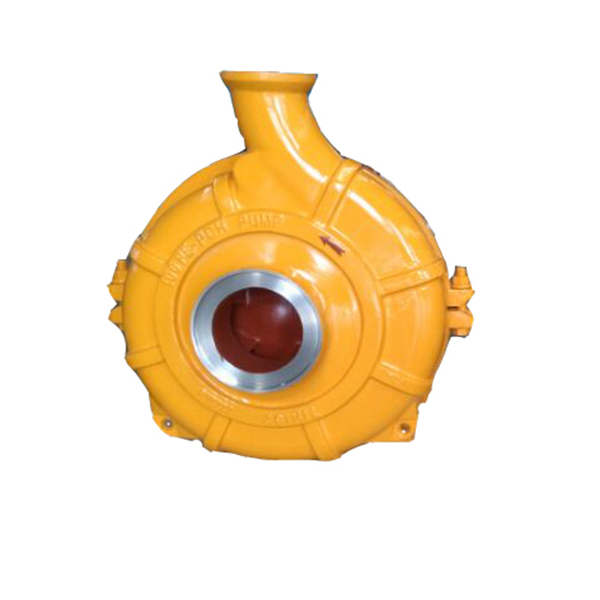
Detailed Manufacturing Process of Kingmech CSD Chemical Slurry Pump
The production of a high-performance chemical slurry pump involves a meticulously controlled, multi-stage manufacturing process that integrates advanced material science with precision engineering. Kingmech's CSD Chemical Slurry Pump adheres to stringent quality protocols, ensuring each unit meets the rigorous demands of its intended application.
1. Material Selection and Preparation
- Corrosion-Resistant Alloys: For parts in contact with aggressive chemicals (e.g., impellers, volutes, casings), materials such as Duplex Stainless Steel (e.g., CD4MCuN, 2205, 2507), Hastelloy (e.g., C-276, B-2), Titanium, and Nickel-based alloys are carefully selected based on the specific chemical composition, pH, and temperature of the slurry.
- Abrasion-Resistant Materials: For handling abrasive solids, high-chrome white iron (e.g., A05, A07, A49), specialized ceramics (e.g., silicon carbide), or high-density elastomers (e.g., natural rubber, polyurethane) are employed, often as liners or for specific wear parts.
- Structural Components: High-strength ductile iron or carbon steel is used for bearing frames and other structural components, ensuring mechanical integrity.
- Material Traceability: All raw materials undergo rigorous chemical analysis and mechanical testing (e.g., tensile strength, hardness, impact resistance) to verify compliance with ASTM, EN, or JIS standards.
2. Core Manufacturing Processes
- Casting: Precision casting techniques, including sand casting and investment casting, are employed for complex components like impellers and volutes. This ensures optimal hydraulic contours and material density. Controlled cooling rates minimize internal stresses and microstructural defects.
- Forging: For high-stress components requiring superior strength and fatigue resistance, such as shafts, forging processes are utilized. This refines the grain structure of the metal, enhancing its mechanical properties.
- CNC Machining: Advanced Computer Numerical Control (CNC) machining centers are used for precise dimensioning of all critical components. This includes impeller balancing, shaft concentricity, casing tolerances, and seal housing exactness, all crucial for achieving high efficiency and minimizing vibration.
- Welding: For fabricated components or assembly, specialized welding techniques (e.g., TIG, MIG) are employed by certified welders, particularly for alloy steels and dissimilar metal joins. Post-weld heat treatment may be applied to relieve stresses and restore material properties.
- Heat Treatment: Various heat treatment processes, such as annealing, normalizing, quenching, and tempering, are applied to specific components to achieve desired hardness, toughness, and corrosion resistance.
- Surface Treatments: Depending on the application, specialized surface coatings (e.g., ceramic, polymer, hard chrome plating) may be applied to enhance wear resistance and corrosion protection.
3. Assembly and Testing Standards
- Precision Assembly: Components are assembled in a clean environment, ensuring proper alignment, bearing installation, and seal integrity.
- Hydrostatic Testing: Each pump casing and pressure boundary component undergoes hydrostatic pressure testing to verify its structural integrity and leak-free performance according to API 610 or ISO 5199 standards.
- Performance Testing: Every CSD chemical slurry pump is subjected to comprehensive performance testing in our state-of-the-art facility. This includes measuring flow rate, head, power consumption, efficiency, NPSHr (Net Positive Suction Head required), and vibration levels across its operational curve. Testing is conducted in accordance with ISO 9906 (Centrifugal pumps – Hydraulic performance acceptance tests) or ANSI/HI 1.6 standards.
- Non-Destructive Testing (NDT): Critical castings and welds are often subjected to NDT methods such as X-ray, ultrasonic, magnetic particle, or dye penetrant inspection to detect internal flaws.
- Quality Control: Throughout the entire manufacturing process, rigorous quality control checks are performed at each stage, from raw material inspection to final product verification, compliant with ISO 9001 quality management systems.
4. Service Life and Target Industries
The meticulous design and manufacturing process result in a CSD chemical slurry pump with an extended service life, significantly outperforming conventional pumps. With proper maintenance, these pumps can achieve MTBF exceeding 25,000 hours, reducing total cost of ownership.
Target Industries:
- Petrochemical: Handling corrosive acids, bases, and catalyst slurries.
- Metallurgy & Mining: Transferring mineral slurries, acid leaching solutions, and tailings.
- Water Supply & Drainage / Wastewater Treatment: Pumping abrasive sludge, chemical dosing, and corrosive wastewater.
- Pharmaceutical: Managing active pharmaceutical ingredients (APIs) in slurry form, adhering to strict hygiene and material compatibility.
- Pulp & Paper: Handling fibrous slurries and corrosive pulping liquors.
- Chemical Processing: General corrosive and abrasive chemical transfer.
Demonstrated Advantages in Typical Application Scenarios:
- Energy Saving: Optimized hydraulic design and precision manufacturing lead to higher efficiency, reducing power consumption by up to 15-20% compared to older csd pump designs.
- Corrosion Resistance: Superior metallurgy ensures longevity when handling highly corrosive media, preventing premature pump failure.
- Abrasion Resistance: Hardened materials and specialized wear parts withstand the erosive effects of high-solids slurries.
- Reduced Downtime: Enhanced reliability and longer wear part life minimize maintenance interventions, maximizing operational uptime.
Technical Specifications of CSD Chemical Slurry Pump
The CSD chemical slurry pump series is engineered for robust performance in the most arduous chemical and abrasive applications. Its design incorporates advanced hydraulic principles and material selection to deliver reliable operation with minimal maintenance. Below are typical technical specifications, illustrating the capabilities of this versatile pump.
Key Operational Parameters
| Parameter |
Range / Specification |
| Flow Rate (Q) |
Up to 5,000 m³/h (22,000 GPM) |
| Head (H) |
Up to 120 m (400 ft) |
| Solids Handling |
Up to 70% by weight (particle size up to 150mm depending on model) |
| Discharge Size |
DN 40 to DN 500 (1.5" to 20") |
| Operating Temperature |
-20°C to +150°C (-4°F to +302°F) (Material dependent) |
| Operating Pressure |
Up to 2.5 MPa (360 psi) |
| NPSHr (Nominal) |
Typically 3-6 m (10-20 ft) for optimal performance |
| Efficiency (Peak) |
Up to 80% (model dependent) |
Material Options for Wetted Parts
| Material Type |
Typical Grades / Alloys |
Primary Application / Benefit |
| High Chrome White Iron |
A05, A07, A49 (ASTM A532 Class III Type A) |
Extreme abrasion resistance for neutral slurries. |
| Duplex Stainless Steel |
CD4MCuN, 2205, 2507 |
Excellent corrosion and moderate abrasion resistance, high strength. |
| Super Duplex Stainless Steel |
Z100, 2507, Ferralium 255 |
Superior pitting and crevice corrosion resistance in aggressive chloride environments. |
| Hastelloy Alloys |
C-276, B-2, C-22 |
Exceptional resistance to a wide range of corrosive chemicals, including strong acids and oxidizing agents. |
| Titanium & Alloys |
Grade 2, Grade 7 |
Excellent corrosion resistance, especially in chloride solutions and oxidizing acids. |
| Natural Rubber / Elastomers |
R55, S01, Polyurethane |
High erosion resistance for fine, soft slurries; limited chemical compatibility. |
The CSD chemical slurry pump is designed for ease of maintenance with features like a large diameter, short overhang shaft, heavy-duty bearing assembly, and interchangeable wear parts. This ensures minimal total cost of ownership (TCO) over its operational lifespan, a critical factor for B2B decision-makers.
Application Scenarios and Technical Advantages
The robust design and material versatility of the Kingmech CSD chemical slurry pump make it ideally suited for a wide array of demanding industrial applications where the combination of corrosive and abrasive media challenges conventional pumping technologies.
Typical Application Scenarios:
- Acid Leaching in Mining: Pumping highly corrosive sulfuric acid slurries containing ore particles (e.g., copper, nickel). The pump's construction with duplex stainless steel or Hastelloy ensures resistance to both the acid and the abrasive ore.
- Phosphoric Acid Production: Transferring gypsum slurries in phosphoric acid plants, which are extremely abrasive and corrosive. Specialized high-chrome iron with corrosion inhibitors or exotic alloys are critical here.
- Flue Gas Desulfurization (FGD): Handling limestone slurry and gypsum slurry in power plants, where the media is often acidic and abrasive. The csd pump excels due to its robust wear parts and corrosion-resistant liners.
- Chemical Waste Treatment: Pumping diverse chemical waste streams that may contain a mixture of acids, alkalis, and suspended solids, requiring broad chemical compatibility and wear resistance.
- Catalyst Slurry Transfer: In petrochemical refineries, transferring catalyst slurries which are often high-temperature, abrasive, and mildly corrosive.
- Alumina Processing: Pumping bauxite residue (red mud), a highly alkaline and abrasive slurry.
- Pulp & Paper Mill: Handling black liquor and other chemical slurries containing wood fibers and corrosive chemicals.
Key Technical Advantages:
- Superior Material Compatibility: Extensive range of exotic alloys (Hastelloy, Titanium, Duplex/Super Duplex SS) and highly abrasion-resistant materials tailored to specific chemical and abrasive conditions. This significantly extends the life of wetted components.
- Optimized Hydraulic Design: Large diameter impellers with fewer vanes and wide internal passages reduce velocity and turbulence, minimizing wear and maximizing efficiency. This design is crucial for slurries, preventing clogging and premature erosion.
- Heavy-Duty Construction: Oversized shafts, robust bearing frames, and stiff casing designs ensure stability, minimize vibration, and handle high loads common with dense slurries, contributing to prolonged bearing and seal life.
- Advanced Sealing Solutions: Available with various shaft sealing options, including expeller seals, packed glands, and advanced mechanical seals (single or double cartridge type), specifically designed for chemical and slurry duties to prevent leakage of hazardous fluids.
- Modular Design & Easy Maintenance: Back pull-out design allows for easy removal of the rotating element without disturbing piping or motor. Replaceable wear liners and impellers facilitate quick and cost-effective maintenance.
- Energy Efficiency: Due to superior hydraulic designs, Kingmech CSD pumps often exhibit higher efficiency curves than standard pc pump or general-purpose slurry pumps, leading to substantial energy savings over their operational life.
- Reduced Total Cost of Ownership (TCO): The combination of extended wear life, energy efficiency, and reduced maintenance translates into a lower TCO, providing significant long-term economic benefits to operators.
Vendor Comparison: Kingmech CSD Chemical Slurry Pump vs. Alternatives
Selecting the right pump for chemical slurry applications requires a thorough understanding of the available technologies and their respective strengths and weaknesses. This section compares Kingmech's CSD Chemical Slurry Pump with common alternatives like Progressive Cavity (PC) pumps and generic Centrifugal Slurry Duty (CSD) pumps, highlighting the distinct advantages of our specialized solution.
Comparison Table: Kingmech CSD vs. Other Pump Types
| Feature/Parameter |
Kingmech CSD Chemical Slurry Pump |
Progressive Cavity (PC) Pump |
Generic Centrifugal Slurry Pump |
| Primary Strength |
Exceptional resistance to combined abrasion & corrosion. High efficiency. |
Handles high viscosity, shear-sensitive fluids, positive displacement. |
Good for abrasive slurries (neutral pH). Simpler design. |
| Chemical Compatibility |
Broad range of exotic alloys (Hastelloy, Duplex SS, Titanium). |
Limited by elastomer stator (e.g., NBR, EPDM, FKM), susceptible to chemical attack. |
Typically High Chrome or specific SS; may not cover extreme corrosion. |
| Abrasion Resistance |
Excellent with specialized high-chrome alloys, hard metal liners, or ceramic inserts. |
Poor, abrasive particles cause rapid wear of stator & rotor, especially with hard solids. |
Good with high-chrome irons or rubber liners, but sometimes less effective for combined wear. |
| Efficiency & Energy Use |
High hydraulic efficiency, significant energy savings. |
Moderate, depends on fluid viscosity. Can be less efficient for low-viscosity slurries. |
Variable, general-purpose designs may have lower peak efficiency than optimized CSD. |
| Maintenance & Downtime |
Modular design, extended wear life, low MTBF, reduced maintenance. |
High stator/rotor wear in abrasive/corrosive apps, leading to frequent, costly overhauls. |
Wear parts replacement, but not always optimized for combined chemical/abrasive stress. |
| Capital Cost (Relative) |
Moderate to High (due to exotic materials) |
Moderate |
Low to Moderate |
| Total Cost of Ownership (TCO) |
Low (due to extended life, high efficiency, low maintenance) |
High (due to frequent wear part replacement, energy costs) |
Moderate to High (depends on specific application fit) |
While a pc pump might be suitable for highly viscous, shear-sensitive fluids without significant abrasive or corrosive properties, its use in combined chemical slurry applications leads to rapid degradation and prohibitive operational costs. Generic csd pump designs offer some resistance to abrasion but may lack the specialized metallurgy and optimized hydraulic geometry required for highly corrosive slurries or those with extremely fine and hard particles.
Kingmech's CSD Chemical Slurry Pump is engineered specifically to fill this critical gap, providing a robust, long-lasting, and energy-efficient solution that delivers superior performance and a lower TCO in the most demanding environments. Our specialized approach ensures that the capital investment is justified by unparalleled reliability and reduced operational expenditures.
Customized Solutions and Application Case Studies
Understanding that no two industrial processes are identical, Kingmech Pump specializes in providing customized chemical slurry pump solutions. Our engineering team collaborates closely with clients to analyze specific slurry characteristics, operating conditions, and performance requirements to design pumps that are precisely tailored for optimal results.
Customized Solutions
- Material Engineering: Tailored material combinations, including specific alloy grades and liners, for wetted parts to ensure maximum resistance against the unique corrosive and abrasive properties of the client's slurry.
- Hydraulic Optimization: Custom impeller designs and casing geometry adjustments to achieve target flow rates, heads, and efficiency, especially for slurries with unusual rheological properties.
- Sealing Configurations: Implementation of specialized mechanical seals, expeller seals, or packing arrangements to suit critical leakage prevention requirements and handling of hazardous or high-temperature slurries.
- Driver and Control Integration: Seamless integration with variable frequency drives (VFDs), advanced control systems, and specific motor types (e.g., explosion-proof, high-efficiency) to meet site regulations and energy efficiency goals.
- Mounting and Layout: Design adaptations for unique installation footprints, vertical configurations, or submersible applications, ensuring compatibility with existing infrastructure.
- Wear Monitoring Systems: Integration of vibration, temperature, and wear detection sensors for predictive maintenance, providing real-time data to optimize pump operation and schedule maintenance proactively.
Application Case Studies
Case Study 1: Sulphuric Acid Slurry Transfer in a Metallurgical Plant
Challenge: A major copper mining and processing plant was experiencing frequent failures of their existing pc pump systems when transferring a highly acidic (pH 1.5) slurry containing up to 30% fine silica particles. Stator and rotor wear was excessive, leading to monthly replacements and significant production losses.
Solution: Kingmech engineered a customized CSD Chemical Slurry Pump with wetted parts cast from Hastelloy C-276 for superior corrosion resistance and an impeller with a specialized coating for enhanced abrasion resistance against the silica. The hydraulic design was optimized for the specific slurry density and viscosity.
Result: After installation, the Kingmech CSD pump achieved an operational lifespan exceeding 18 months without requiring major component replacement. This represented a 95% reduction in downtime compared to the previous solution, saving the client an estimated $500,000 annually in maintenance and lost production.
Case Study 2: High-Concentration Brine Slurry in Chemical Processing
Challenge: A chemical facility required reliable pumping of a high-temperature (90°C), highly concentrated sodium chloride brine slurry with suspended crystalline solids. Existing centrifugal pumps suffered from severe pitting corrosion and erosion, failing within 3-6 months.
Solution: Our team provided a CSD chemical slurry pump with super duplex stainless steel (2507) wetted parts, chosen for its excellent resistance to chloride-induced stress corrosion cracking and pitting. The pump was also fitted with a double mechanical seal with a clean barrier fluid system to prevent crystal build-up and ensure zero leakage.
Result: The customized CSD pump has been in continuous operation for over two years, requiring only routine checks. The client reported a significant improvement in process reliability, substantial reduction in material costs, and enhanced environmental safety due to the robust sealing.
Authoritativeness and Trustworthiness: Kingmech Pump's Commitment
Kingmech Pump has established itself as a trusted leader in industrial pumping solutions through decades of dedicated service, rigorous quality assurance, and a steadfast commitment to customer satisfaction. Our authority in the field of chemical slurry pump technology is built upon a foundation of expertise, verifiable certifications, strong client partnerships, and comprehensive after-sales support.
Certifications and Quality Assurance
- ISO 9001 Certified: Our manufacturing processes and quality management systems are fully certified to ISO 9001 standards, ensuring consistent product quality from design to delivery.
- Adherence to International Standards: All CSD chemical slurry pump designs and manufacturing comply with international industry standards such as ANSI, API (where applicable), and Hydraulic Institute (HI) guidelines, guaranteeing reliability and interchangeability.
- Material Certifications: All raw materials undergo stringent testing and come with material test certificates (MTCs) to verify chemical composition and mechanical properties, ensuring material traceability and compliance.
- Performance Test Data: Each pump undergoes comprehensive performance testing in our advanced test facility, with test reports available to validate hydraulic performance (flow, head, power, efficiency, NPSHr).
Client Partnerships and Experience
With over 20 years in the industry, Kingmech Pump has supplied thousands of pumps to leading companies across the globe in petrochemical, mining, power generation, wastewater treatment, and chemical processing sectors. Our long-standing relationships with major industrial players are a testament to the reliability and performance of our products.
FAQ Module
- Q: What is the typical lead time for a CSD Chemical Slurry Pump?
A: Standard models typically have a lead time of 8-12 weeks. Customized solutions may require 12-16 weeks, depending on material availability and engineering complexity. Expedited options are available upon request.
- Q: What is your warranty policy?
A: Kingmech Pump provides a standard 12-month warranty from commissioning or 18 months from shipment (whichever comes first) against manufacturing defects. Extended warranty options are available.
- Q: How do you ensure the correct material selection for my specific slurry?
A: Our experienced engineering team works closely with clients, utilizing detailed process data sheets and material compatibility charts. We often request slurry samples for analysis to ensure the optimal selection of corrosion- and abrasion-resistant materials.
- Q: Can Kingmech provide spare parts and technical support globally?
A: Yes, we maintain a comprehensive inventory of spare parts and offer global technical support through our network of service partners and dedicated support team. We provide installation guidance, commissioning support, and maintenance training.
Lead Time & Fulfillment Details
Kingmech Pump understands the critical nature of project timelines. Our production planning is optimized for efficient fulfillment. For standard configurations of the CSD chemical slurry pump, typical lead times range from 8 to 12 weeks. For highly customized units requiring specialized alloys or complex engineering, lead times may extend to 12-16 weeks. We provide clear, transparent communication regarding production schedules and progress updates throughout the manufacturing process.
Warranty Commitments
We stand by the quality and reliability of our products. Each CSD Chemical Slurry Pump is backed by a robust warranty of 12 months from the date of commissioning or 18 months from shipment, whichever occurs first. This warranty covers defects in materials and workmanship, providing our clients with peace of mind and protection for their investment. Detailed warranty terms and conditions are provided with every quotation.
Customer Support Information
Kingmech Pump's commitment extends beyond product delivery. Our dedicated after-sales support team is available to assist with installation, commissioning, operation, and maintenance. We offer:
- 24/7 technical hotline for urgent inquiries.
- On-site support by experienced service engineers.
- Comprehensive training programs for client personnel.
- Prompt supply of genuine spare parts to minimize downtime.
- Scheduled preventative maintenance contracts to optimize pump performance and longevity.
Our mission is to ensure uninterrupted, efficient operation of your Kingmech CSD chemical slurry pump, contributing directly to your operational success.
Conclusion
The Kingmech CSD Chemical Slurry Pump stands as a testament to engineering excellence in handling the most challenging industrial fluids. By integrating advanced material science, precision manufacturing, and optimized hydraulic design, this pump effectively addresses the pervasive issues of abrasion, corrosion, and operational inefficiency that plague conventional pumping solutions. From petrochemical processing and metallurgical operations to advanced chemical manufacturing and wastewater treatment, the CSD chemical slurry pump delivers unparalleled reliability, extended service life, and significant reductions in total cost of ownership.
Our commitment to quality, backed by ISO certifications and decades of industry experience, ensures that each Kingmech CSD pump is a high-performance asset designed to exceed expectations. We invite industrial decision-makers and engineers to explore the capabilities of our CSD Chemical Slurry Pump and leverage Kingmech Pump's expertise for tailored solutions that drive operational success and sustainable profitability.
References
- Hydraulic Institute. ANSI/HI 1.6-2000 Rotodynamic (Centrifugal) Pump Tests. 2000.
- International Organization for Standardization. ISO 9906: Rotodynamic pumps - Hydraulic performance acceptance tests - Grades 1, 2 and 3. 2012.
- American Society for Testing and Materials. ASTM A532: Standard Specification for Abrasion-Resistant Cast Irons. Current Edition.
- Schweitzer, Philip A. Handbook of Corrosion Resistance. CRC Press, 1995.
- Warman, Charles H. Slurry Pump Handbook. Weir Minerals, 2012.