Email Us
sales@pumpkingmech.com
Email Us
sales@pumpkingmech.com04 December 2025
At first glance, a galigher vertical sump pump might sound like just another piece of industrial kit — but it’s actually a quiet hero across many sectors globally. In water management, manufacturing, mining, and even humanitarian relief efforts, this type of pump plays a critical role. Simply put, it moves contaminated or clean water—sometimes with solids or slurry—from deep pits or sumps to where it’s needed or must be treated. The benefits? Well, efficient liquid handling keeps operations running smoothly, prevents flooding, and even safeguards communities from water-related hazards.
Think of it this way: as industries grow or disaster zones emerge, the ability to handle fluids reliably becomes a literal lifeline. And the galigher vertical sump pump fits that bill neatly. Understanding its function and applications is not just a technical exercise but a look into how modern societies manage resources crucial to their very survival.
Globally, sectors that rely heavily on liquid handling technologies are expanding, partly driven by rapid urbanization and climate change challenges. The WHO estimates that about 2 billion people worldwide lack access to safely managed drinking water. In industrial terms, downtime related to inadequate fluid management can cost companies millions annually.
Vertical sump pumps by Galigher and others tackle a key challenge: safely and efficiently pumping liquids from below-ground sumps without clogging or damage. A 2021 ISO study highlighted how equipment modernization could reduce water waste by up to 15% in manufacturing plants – a surprisingly high figure when you think about what a smart pump can do.
The problem these pumps often address? Flood control, mine water recovery, and industrial wastewater handling—jobs that call for robustness and reliability.
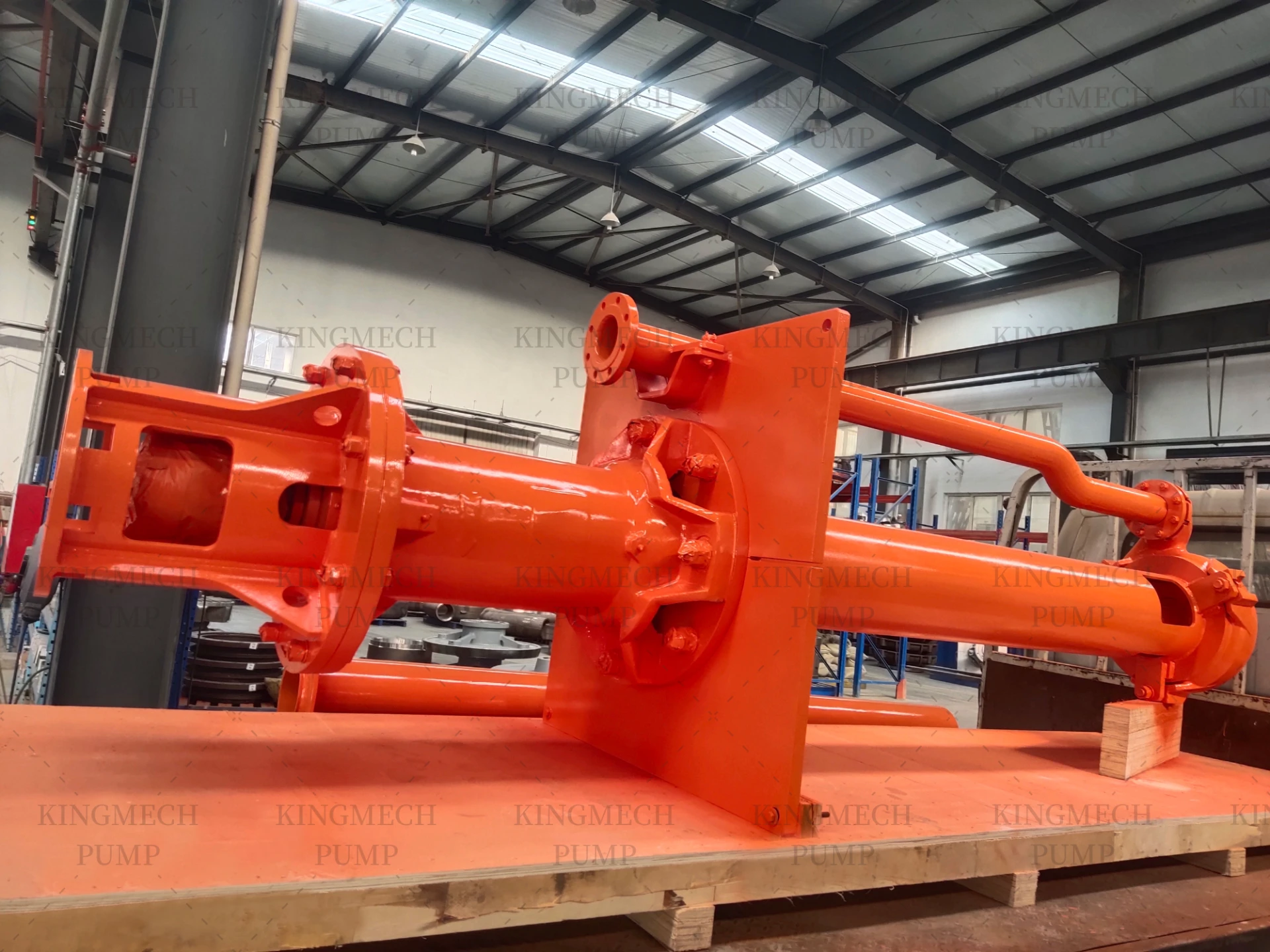
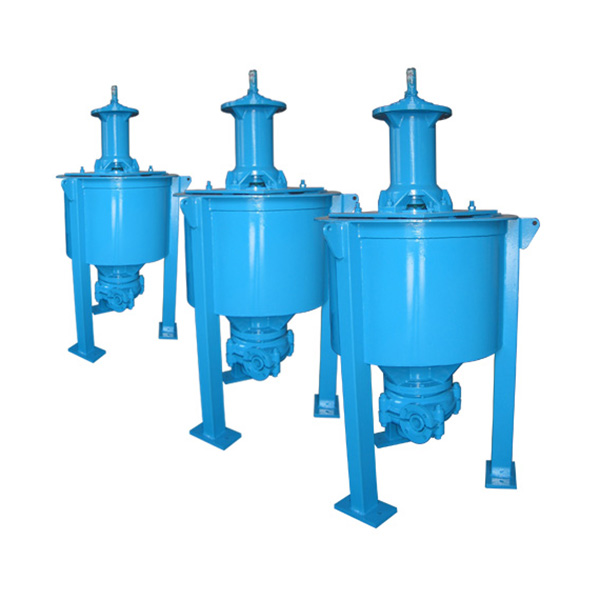
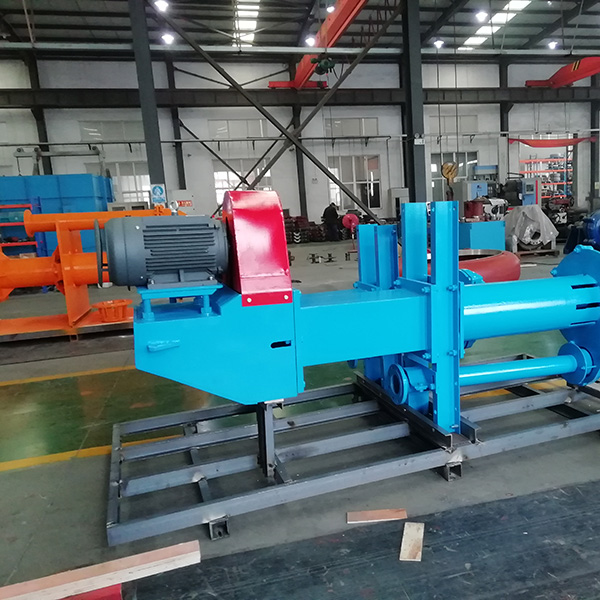
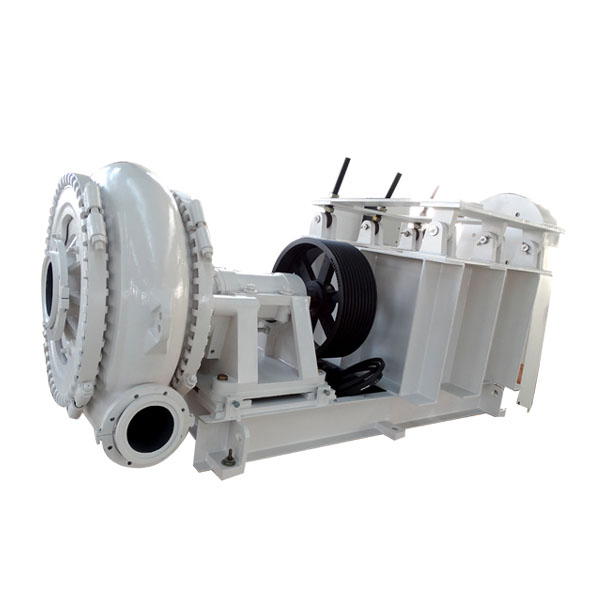
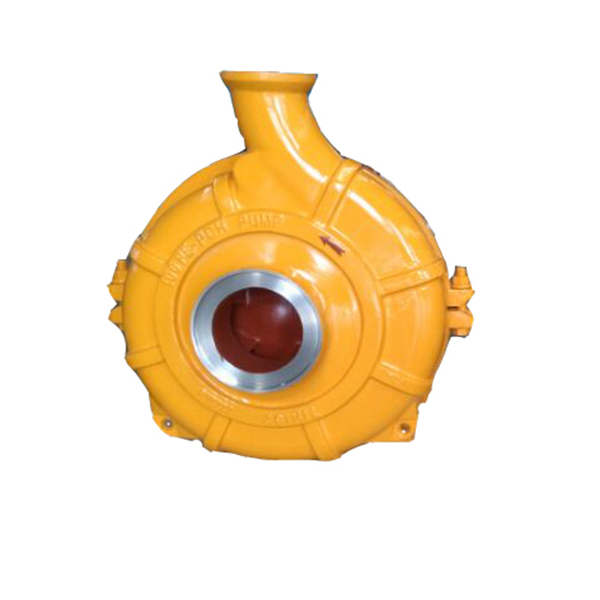
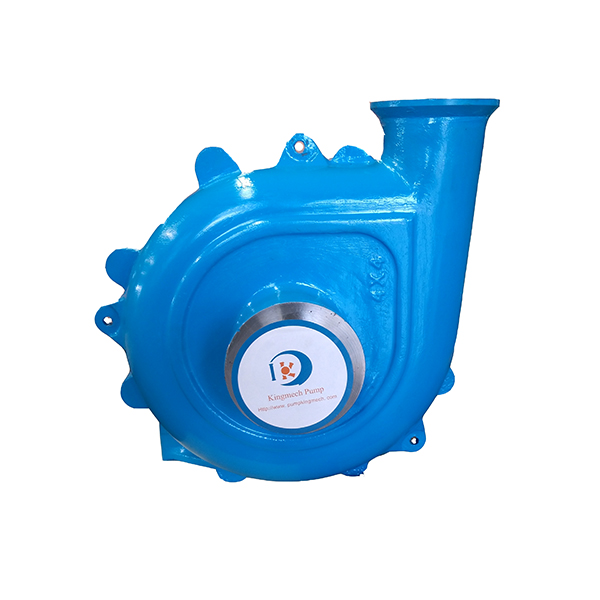
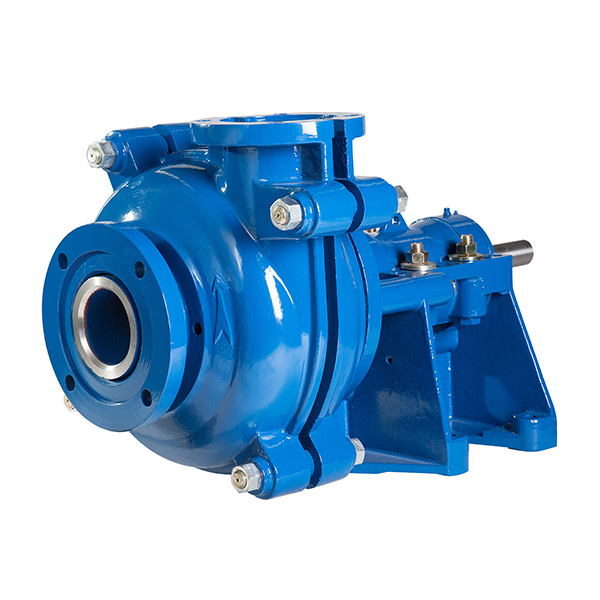
In simple terms, a galigher vertical sump pump is a specialized centrifugal pump mounted vertically, designed to lift water or slurry from a sump pit or reservoir. Unlike horizontal pumps, its vertical design means that the pump impeller sits below the motor, often directly submerged in the fluid. This setup saves space and helps it handle solids or abrasive fluids without clogging.
These pumps are a staple in industrial plants, wastewater treatment, and emergency flood management. By pumping fluid from the lowest point upwards, they protect equipment and infrastructure while also enabling water recycling or proper disposal.
These pumps are built tough — often far beyond what you’d expect for 'just moving water.' Materials like cast iron, stainless steel, or specialized alloys resist corrosion and abrasion. Some models feature replaceable wear rings to extend lifespan, important in mining or chemical processing.
Because they mount vertically in sumps, these pumps save precious floor space, which is a big deal in cramped industrial plants or crowded sites. That vertical footprint also simplifies sealing and maintenance challenges.
Galigher vertical sump pumps can handle fluids with varying solids content — say, municipal sewage or slurry from mineral extraction. This versatility stems from impeller design, clearances, and pump speed, which all help avoid clogging.
Ranging from small portable units to massive industrial-grade pumps, these systems adapt to many scales, making them suitable for both small farms and heavy industry alike.
Modern models incorporate advanced hydraulics and motor technology to reduce energy consumption, an increasingly critical factor given global sustainability goals.
| Specification | Details |
|---|---|
| Flow Rate | Up to 500 m³/h |
| Head (Lift Height) | Up to 70 meters |
| Power Range | 1.5 kW to 90 kW |
| Material | Cast iron, stainless steel, duplex steel |
| Solids Handling | Up to 50 mm particle size |
| Installation | Vertical, submerged |
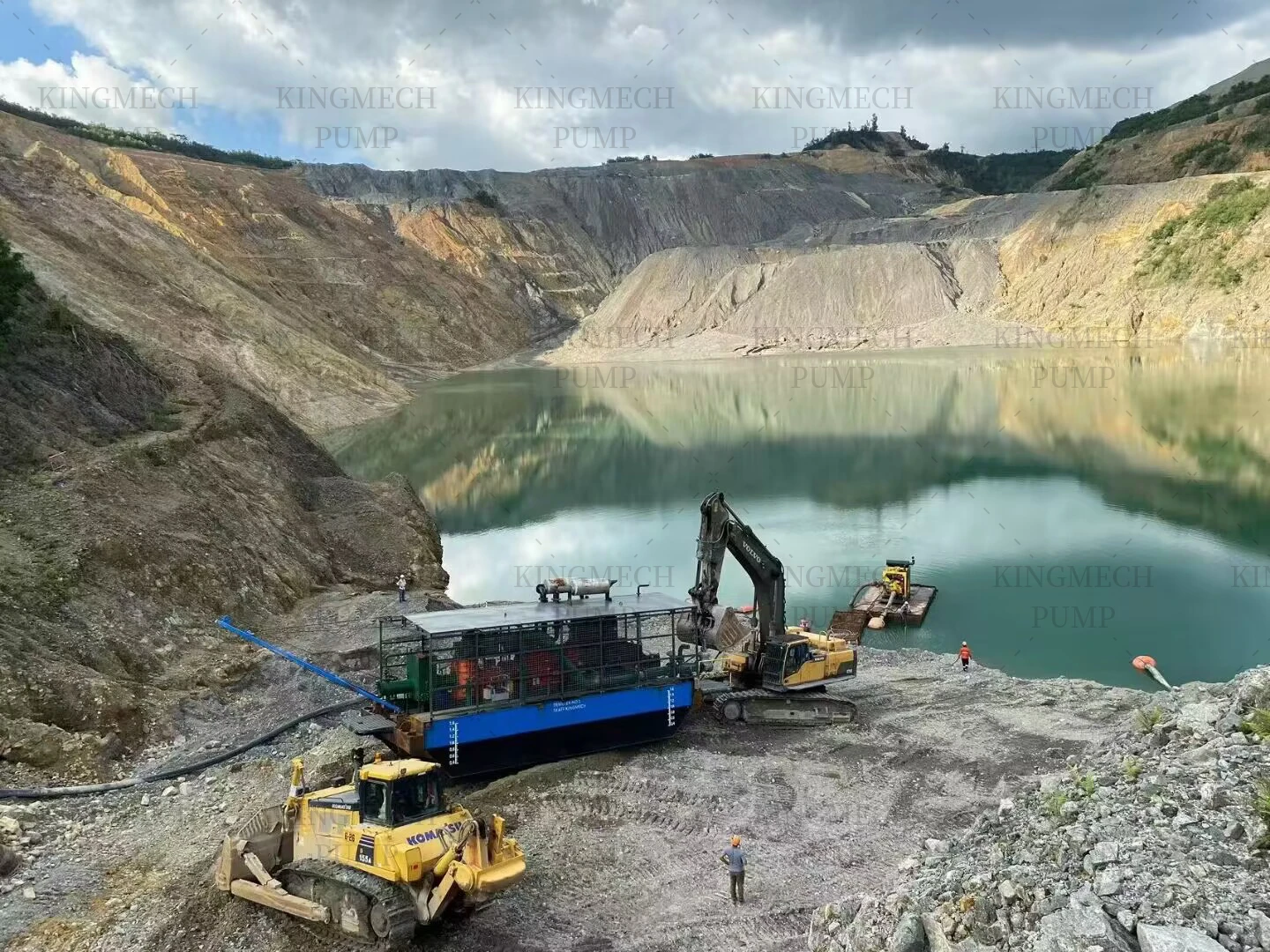
From Asia’s rapidly growing megacities to the remote mines of Australia and the flood-prone regions in Europe, galigher vertical sump pumps get the job done. In post-disaster relief operations, for instance, these pumps help remove floodwater, speeding recovery efforts and reducing disease risk. In industrial contexts, manufacturers rely on them for wastewater treatment or keeping factory floors dry.
UN water task forces often recommend vertical sump pumps during water infrastructure rebuilds, especially where terrain or space constraints limit horizontal pumping options.
Oddly enough, small agricultural operations have begun adopting scaled-down versions because they can lift irrigation water from wells or canals where traditional pumps clog or fail quickly.
Looking forward, expect more integration of IoT sensors for real-time monitoring — early warnings for wear or clogging that can save thousands in repairs. Materials science continues to push life expectancy with corrosion and abrasion-resistant composites. Green energy options are also gaining traction, with solar-powered pump units becoming viable in remote or off-grid sites.
Automation and smart control systems mean these pumps will become more self-managing, adjusting speeds and operation times to optimize performance and minimize energy.
Not everything is perfect. Common issues include suction clogging, shaft seal failures, and vibration problems. Yet, modern design improvements like recessed impellers, mechanical seals, and vibration dampeners help tackle these. When working with aggressive or abrasive fluids, choosing the right materials and routine maintenance—as simple as periodic inspection—go a long way toward reliability.
| Vendor | Material Options | Customization | Warranty | Price Range (USD) |
|---|---|---|---|---|
| King Mech Pumps | Cast iron, SS, Alloy Steel | High – tailored designs | 2 years | $3,500 – $20,000 |
| Global Pumps Inc. | Cast iron, Stainless Steel | Medium | 1 year | $4,000 – $18,000 |
| Prime Industrial Pumps | Cast iron, Duplex Steel | Low | 1.5 years | $3,000 – $15,000 |
The galigher vertical sump pump is one of those unassuming essentials in the complex machinery of modern infrastructure. It quietly shifts water and slurry to keep industries productive, communities safe, and ecosystems intact. Their long service life, cost efficiency, and adaptability make them a smart choice across practically every corner of the globe.
If you’re looking to upgrade your pumping system or want to learn more about how these pumps might fit your project, visit our website. There’s a lot more beneath the surface than just pumping water.
References:
1. WHO Global Access to Safe Water
2. ISO Standards on Water Pumps
3. Wikipedia: Sump Pump