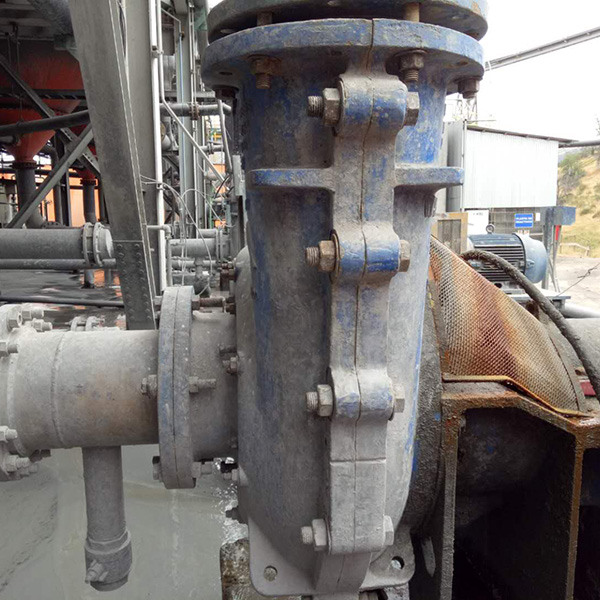
Reliable Vertical Slurry Pump Manufacturers for Froth Slurry
Handling high-viscosity fluids and stubborn froth is a persistent challenge in mineral processing, often leading to pump cavitation, surging, and inefficient energy consumption. For operations involving copper, alumina, or iron ore, standard centrifugal pumps frequently fail when faced with air-binding caused by strong flotation agents. The HFD series froth slurry pump is specifically engineered to overcome these obstacles, utilizing a unique inducer blade impeller design that ensures a steady flow of dense media and viscous slurries without the typical performance drops associated with air-entrained liquids.
By integrating an oversized inlet and specialized impeller geometry, these pumps allow larger solids and froth to enter the pump chamber more efficiently. This technical approach reduces the need for oversized, energy-heavy equipment, allowing operators to achieve higher solids concentrations and more reliable transport of materials to the next processing stage. Whether managing tailings or primary ore liberation, the focus is on maximizing throughput while minimizing power costs and operational downtime.

Overcoming Air Binding and Viscosity with Specialized Inducer Impellers
The primary technical hurdle in froth pumping is "air binding," where air bubbles trapped in the slurry prevent the pump from priming or cause severe surging. Traditional impellers are not designed to handle the void space created by froth, resulting in a loss of suction. The HFD slurry pump solves this through a special design-inducer blade impeller. This component acts as a pre-stage, pushing the froth-laden liquid into the main impeller more effectively, which virtually eliminates the surging common in standard designs.
Beyond air handling, the pump is optimized for high-viscosity slurries. In dense media separation or thickener underflows, the resistance to flow is significantly higher. The oversized inlet design reduces the entry velocity and minimizes friction, allowing the pump to handle higher solids concentrations. This ensures that the centrifugal force is applied to a consistent volume of material, maintaining efficiency even when the slurry density increases unexpectedly.
From an engineering perspective, this design allows for a smaller pump selection. Instead of installing a massive pump to compensate for efficiency losses caused by froth, the HFD's specialized geometry allows a smaller, more precise unit to do the work, directly translating to lower capital expenditure and reduced lifetime energy costs.

Industrial Applications in Mineral Processing and Metallurgy
The HFD froth pump is indispensable in the liberation phase of mineral processing. In copper and molybdenum mining, strong flotation agents are used to create bubbles that carry minerals to the surface. These "tough bubbles" create a highly aerated slurry that would paralyze a standard pump. By utilizing the inducer impeller, mining operations can transport these recovered minerals to further processing units without the risk of feed tank overflow or pump failure.
In addition to flotation cells, these pumps are highly effective in:
- Alumina Refining: Moving viscous bauxite residues and caustic slurries.
- Coal Preparation: Handling heavy abrasive tailings and froth-heavy waste streams.
- Power Generation: Managing ash slurries and high-density waste water.
- Metallurgical Operations: Transporting slag and abrasive metallurgical by-products.
The ability to handle oversized solids is another critical advantage. The large inlet size ensures that larger ore fragments do not clog the intake, reducing the frequency of manual cleaning and increasing the overall uptime of the processing circuit. This reliability is critical for 24/7 industrial operations where a single pump failure can halt an entire production line.
Strategic Selection Criteria for Heavy-Duty Slurry Equipment
Selecting the right pumping equipment requires more than just matching flow rates and head. For abrasive and viscous applications, the interaction between the material and the pump internals is the deciding factor for service life. Buyers must evaluate the solids concentration limits and the percentage of air entrainment in their specific slurry. If the slurry is prone to foaming, a froth-specific inducer pump is the only way to avoid chronic surging and inefficiency.
Material selection is equally paramount. Depending on the chemical composition of the slurry, options may range from high-chrome alloys for maximum abrasion resistance to Titanium or Ti-alloys for corrosive environments. The balance between wear life and initial cost is a key procurement consideration. For example, hi-chrome materials are ideal for metallurgical operations where abrasive ore particles would quickly erode standard cast iron.
Furthermore, the total cost of ownership (TCO) should be the primary metric. A pump that is cheaper to purchase but requires monthly impeller replacements or consumes 30% more power due to inefficiency is significantly more expensive over a five-year period. Evaluating the pump's efficiency at low flows and its ability to handle viscous media without surging provides a clearer picture of long-term operational value.
Technical Performance and Application Suitability Matrix
| Slurry Characteristic | Standard Slurry Pump | HFD Froth Pump | Operational Impact |
|---|---|---|---|
| High Air Content (Froth) | Frequent Air-Binding | Smooth Transport | Reduced Surging |
| High Viscosity Media | Limited Solids Intake | High Concentration | Increased Throughput |
| Oversized Solid Particles | High Clogging Risk | Large Inlet Clearance | Lower Maintenance |
| Power Consumption | High (due to oversized selection) | Optimized/Lower | Reduced Energy Cost |
| Flow Stability | Unstable at Low Flow | Consistent Flow | Stable Feed Process |
Manufacturing Excellence and Quality Assurance Standards
Reliability in slurry pumping is a product of stringent manufacturing controls. At Hebei Xiangmai Pump Industry, the production process is divided into specialized zones to ensure that each component, from the casing to the impeller, meets exact tolerances. With a workforce including experienced engineers, the focus is on creating pumps that can withstand extreme conditions, including high temperatures up to 400°C and power outputs reaching 1000kW.
Quality is verified through a comprehensive QA/QC system. Each pump undergoes a series of rigorous tests before delivery, ensuring that the final product performs exactly as specified in the design phase. These include:
- Material Property Reports: Physical and chemical analysis of main parts to ensure alloy integrity.
- Rotor Balancing: Precise balancing to reduce vibration and extend bearing life.
- Hydrostatic Testing: Pressure testing to guarantee casing leak-proof performance.
- Pre-delivery Inspection: Final verification of dimensions and operational parameters.
By maintaining a robust supply chain and using advanced manufacturing equipment, the facility ensures that every pump delivered to global markets—spanning Europe, Russia, and Southeast Asia—maintains consistent performance regardless of the operational environment.
Future Directions in Industrial Slurry Pumping Technology
The mining and metallurgical industries are moving toward higher automation and more sustainable processing methods. This shift requires pumping equipment that can handle more variable feed conditions without manual intervention. Future developments are focusing on "smart" slurry pumps equipped with sensors to monitor wear in real-time, allowing for predictive maintenance rather than reactive repairs.
There is also a growing demand for materials that offer both extreme abrasion resistance and corrosion protection. The integration of advanced carbon-silicon bearings and new Ti-alloy compositions is expanding the operational envelope of slurry pumps, allowing them to work in more aggressive chemical environments. As mineral deposits become deeper and more complex, the ability to pump higher-density slurries over longer distances will be a key competitive advantage for processing plants.
For procurement managers, the trend is moving away from generic equipment toward engineered solutions. The ability to customize impeller geometry and material specifications based on a precise analysis of the slurry's rheology is becoming the standard for high-efficiency operations. Investing in pumps that are designed for the specific "problem" of the slurry—whether it be froth, viscosity, or extreme abrasion—is the only way to ensure long-term operational stability.
Frequently Asked Questions About Froth Slurry Pumps
What exactly is "air binding" in slurry pumps and how does the HFD pump prevent it?
Air binding occurs when air bubbles in a frothy slurry accumulate in the pump casing, preventing the impeller from creating enough suction to move the liquid. The HFD pump uses a specialized inducer blade impeller that acts as a primary stage to force the air-liquid mixture into the main impeller, ensuring a continuous flow and preventing the pump from losing its prime.
Can these pumps handle highly abrasive materials like iron ore or copper tailings?
Yes, the pumps are designed for heavy abrasive duty. They can be manufactured using high-chrome materials and other advanced alloys specifically chosen to resist the erosive wear of abrasive particles found in mineral processing and metallurgical operations.
How does the oversized inlet benefit the pumping of viscous slurries?
Viscous slurries offer higher resistance to flow. An oversized inlet reduces the velocity at which the slurry enters the pump, which minimizes friction and prevents the pump from struggling to "feed." This allows for higher solids concentrations and a more stable flow rate.
What are the main energy savings when switching from a standard pump to a froth pump?
Standard pumps often need to be significantly oversized to handle the efficiency drops caused by froth and air. The HFD pump's efficiency is higher for aerated liquids, meaning you can use a smaller pump with a smaller motor to achieve the same throughput, directly reducing power costs.
What quality certifications and reports are provided with the pumps?
We provide comprehensive quality records, including physical and chemical property reports for main materials, rotor balancing reports, hydrostatic test reports, and a full pre-delivery inspection report to ensure reliability.
Are these pumps suitable for high-temperature industrial processes?
Yes, our R&D team has developed pumps capable of working smoothly at high temperatures up to 400°C, making them suitable for specific metallurgical and power generation applications.
Technical References and Industrial Standards
- ISO Standards for Centrifugal Pump Testing and Performance
- ASME B73.1 Standard for Chemical Process Pumps
- Hydraulic Institute (HI) Pump Application Guidelines
- Mineral Processing Equipment Operational Best Practices
Optimizing your slurry transport system requires a deep understanding of the fluid's rheology and the equipment's mechanical limits. By choosing a pump designed specifically for the challenges of froth and viscosity, operators can ensure higher efficiency and significantly lower maintenance costs. Contact our engineering team to discuss your specific application requirements.
Related Industrial Pumping Insights