Email Us
sales@pumpkingmech.com
Email Us
sales@pumpkingmech.com04 December 2025
At first glance, a sand dredging pump might seem like a rather niche bit of equipment reserved for industrial giants or government infrastructure projects. But don’t let that fool you. This humble machine plays a quiet yet fascinating role in shaping coastlines, supporting construction, enabling ports, and even aiding environmental restoration worldwide.
Why should we care about sand dredging pumps? Well, for one thing, sand is literally the building block of modern civilization—from roads and skyscrapers to coastal defenses and harbor channels. The sand dredging pump is the unsung hero that extracts and moves this essential resource efficiently and sustainably. Without it, many global infrastructure projects would either stall or become exorbitantly expensive.
In a world facing rapid urbanization, rising sea levels, and increased demand for raw materials, understanding how these pumps operate—and evolve—is becoming increasingly important. After all, managing natural resources responsibly hinges not just on policy but on the technology that physically moves them.
According to the United Nations Environment Programme, the global demand for sand and gravel has skyrocketed, largely driven by expanding urban infrastructure projects across Asia, Africa, and the Americas. Roughly 40 to 50 billion tons of aggregates are mined each year, more than any other natural resource except water. It might come as a surprise, but poorly managed sand extraction has triggered environmental degradation, coastal erosion, and biodiversity loss in several regions.
Here’s where sand dredging pumps enter the scene. They provide a controlled method for extracting, transporting, and depositing sand, minimizing environmental damage when used correctly. They also empower port authorities and construction firms to maintain navigable waterways or reclaim land efficiently, countering challenges posed by sedimentation or rising tides.
In other words, it’s not just about digging up sand but doing so with a level of precision and sustainability that global industries and coastal communities desperately need.
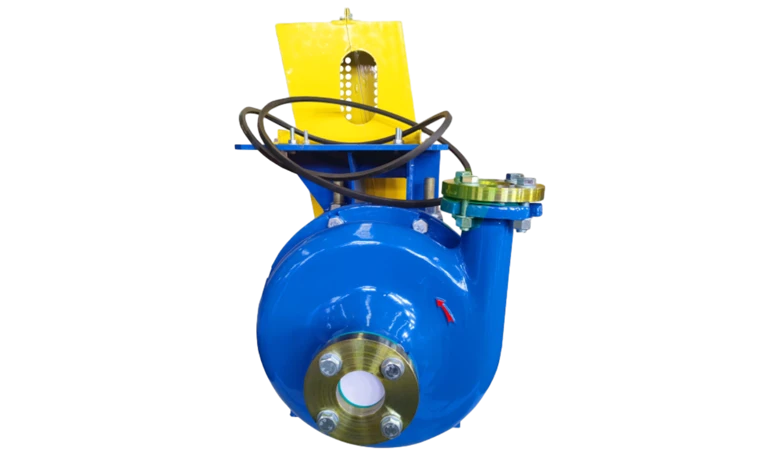
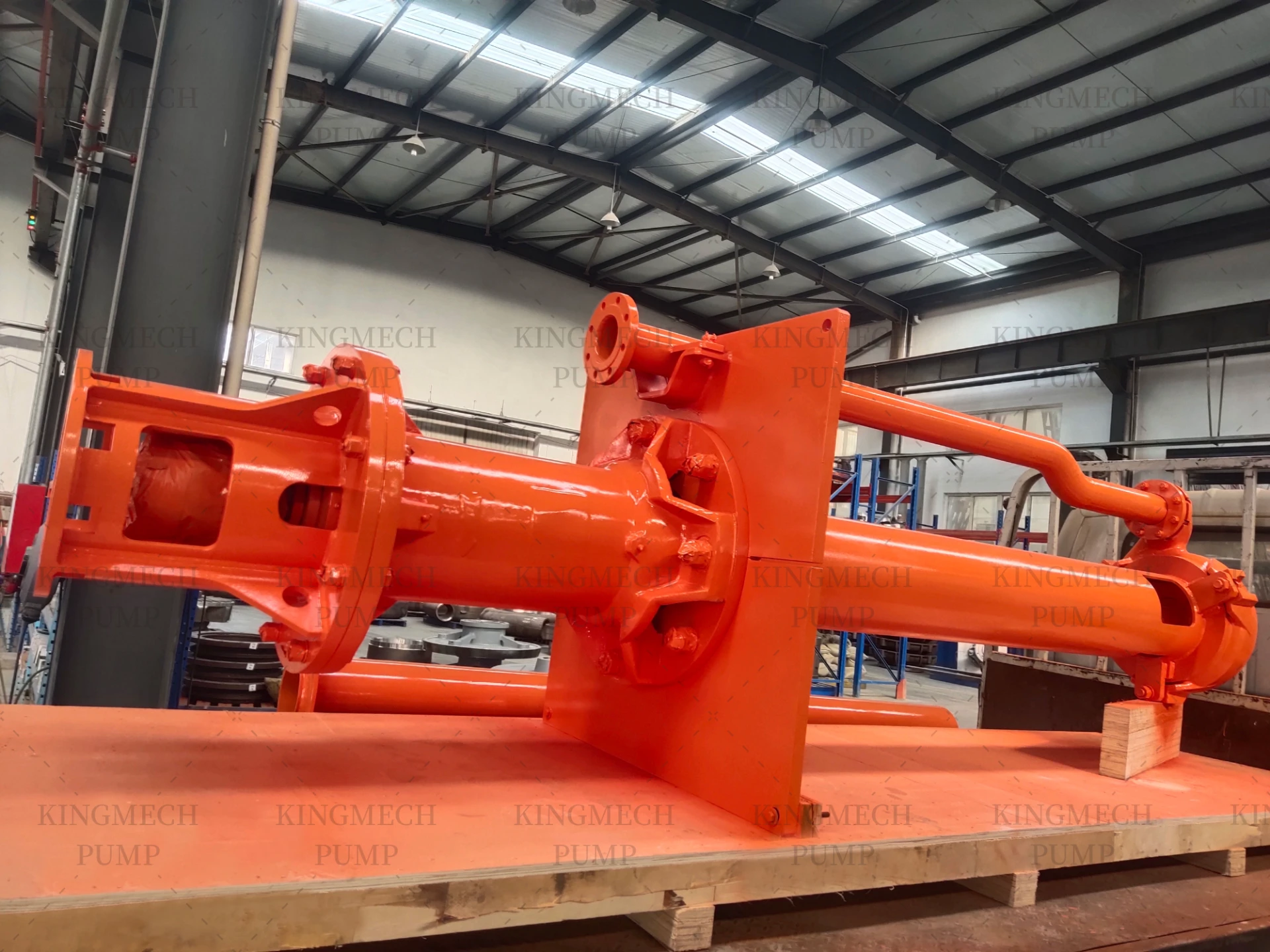
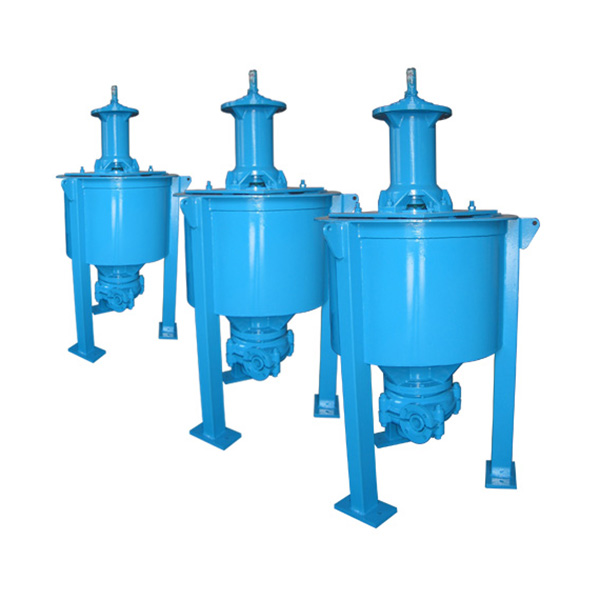
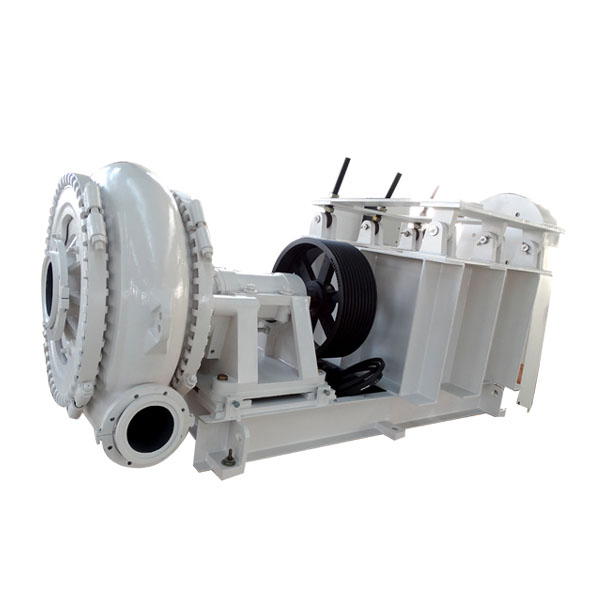
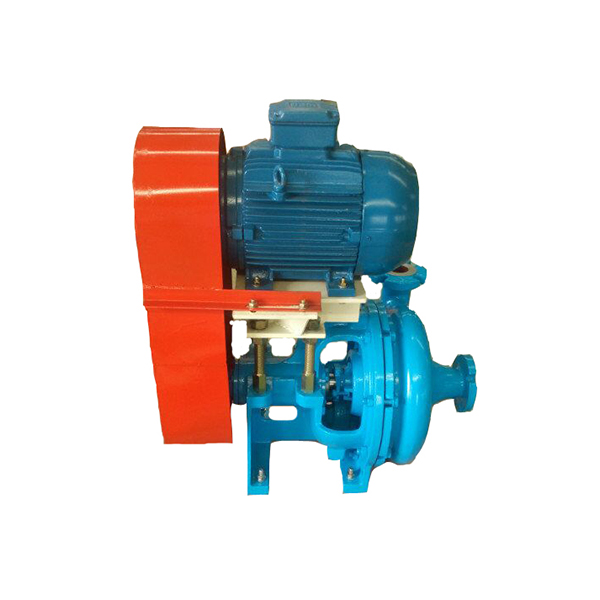
In simple terms, a sand dredging pump is a specialized pump designed to suck up sediment, primarily sand, mixed with water from underwater sources and transport it through pipelines to a designated location. The mixture is often called slurry, and the pump must handle abrasive particles without rapid wear or clogging.
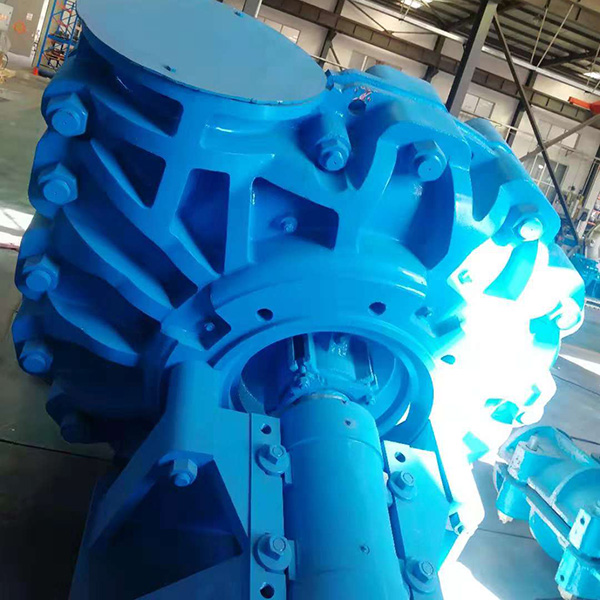
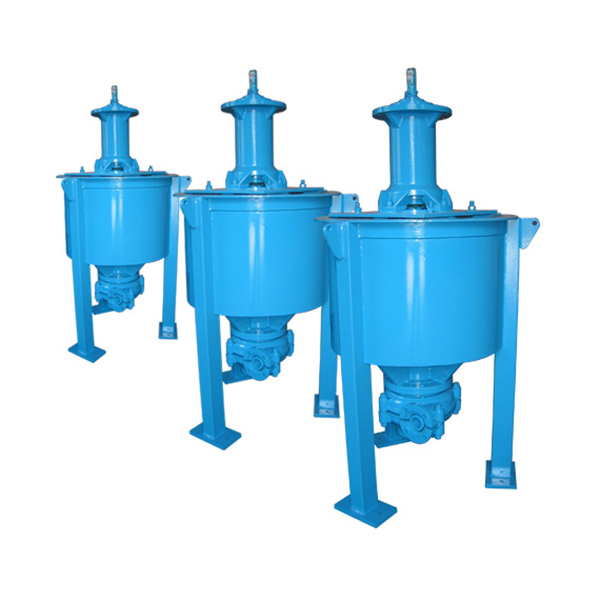
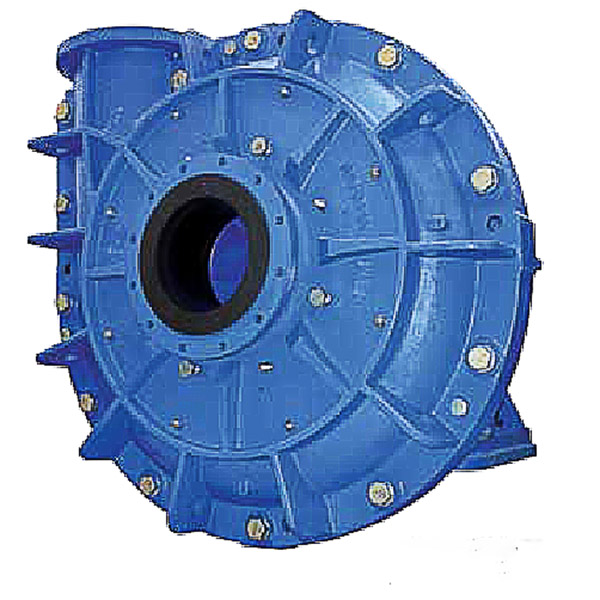
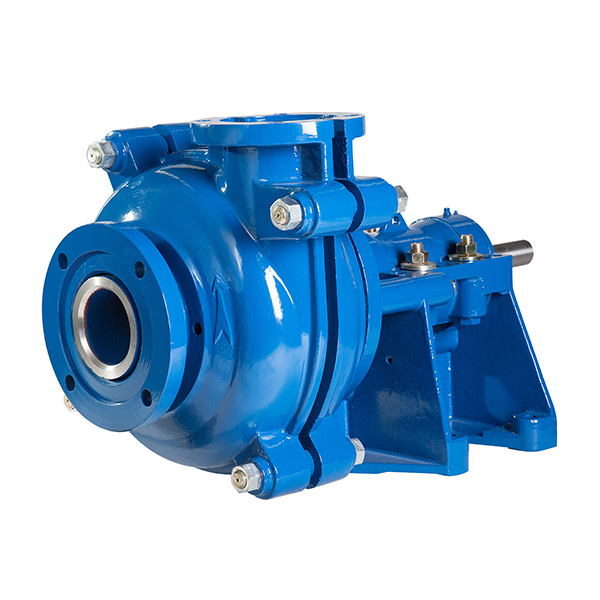
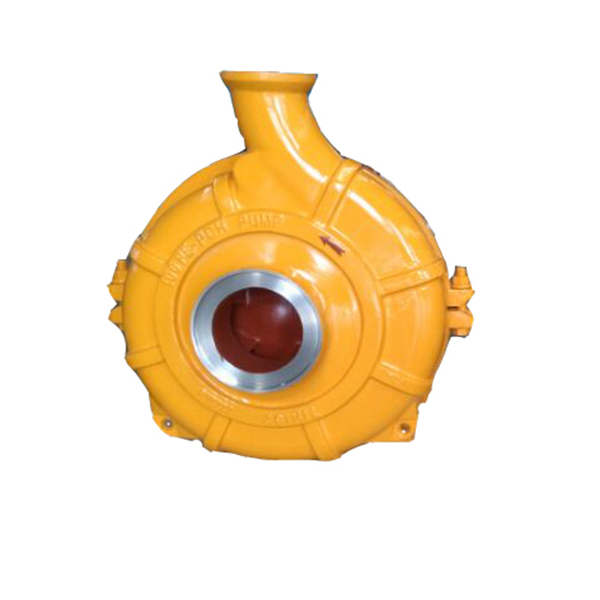
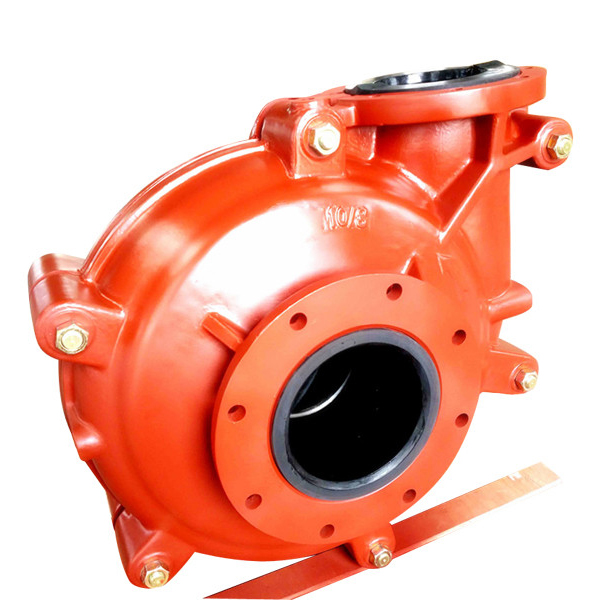
Typically, these pumps are heavy-duty slurry pumps or centrifugal pumps engineered with hard-wearing materials like high-chrome alloys or rubber linings. They're a critical component of dredging vessels and land-based dredging stations.
Beyond industrial uses, sand dredging pumps support humanitarian goals too—think flood control by deepening riverbeds, beach restoration after storms, or even mining for sand in remote areas that lack easier access to construction materials.
Sand and sediment are nasty stuff—full of grit that can rapidly erode metal surfaces. That’s why these pumps use wear-resistant materials in their impellers and casings. Designers often choose alloys with high hardness or use replaceable rubber linings that absorb wear without sacrificing performance.
Depending on the application, sand dredging pumps vary widely in flow rates, ranging from a few hundred gallons per minute to several thousand. Pump sizes and power ratings reflect the scope—from small riverbed dredging to massive offshore land reclamation.
For many operations, pumps need to be mobile or quick to deploy on barges and dredging vessels. Modular designs with skid mounts and easy piping connections enable rapid setup and tear-down, making them invaluable in both planned infrastructure works and emergency scenarios.
Since these pumps often run long hours, energy consumption matters. Advances in pump design reduce power draw while maintaining throughput, lowering costs and environmental footprint.
Operators emphasize how quickly worn parts can be replaced. Pumps with easy access to impeller chambers and standardized parts reduce downtime significantly—especially critical in remote projects.
The secret behind a reliable sand dredging pump lies in balancing rugged construction, smart design, and operational adaptability. This ensures that it can last through abrasive workloads while remaining economical to run.
Oddly enough, the same equipment that seems purely industrial also plays pivotal roles in humanitarian contexts. It feels like a quiet backbone of resilience wherever water and sediment must be managed carefully.
| Specification | Typical Range | Notes |
|---|---|---|
| Flow Rate | 500 – 5,000 m³/h | Depends on model and power |
| Discharge Diameter | 4 – 12 inches | Standard piping sizes |
| Power Source | Electric, Diesel | Diesel typical for remote sites |
| Max Head (Pressure) | 20 – 80 m | Varies by impeller design |
| Wear Material | High Chrome Alloy / Rubber Lining | Optimized for abrasive slurry |
| Weight | 800 – 2500 kg | Heavier for higher capacity pumps |
| Vendor | Product Range | Material Options | Service & Support | Energy Efficiency | Global Reach |
|---|---|---|---|---|---|
| King Mech Pumps | Wide (Small to Ultra-large) | High Chrome, Rubber | 24/7, Spare Parts Available | High | Worldwide (with localized service) |
| Manufacturer A | Medium to Large | Chrome-Alloy only | Standard business hours | Moderate | Asia focused |
| Manufacturer B | Small to Medium | Rubber Lined | Limited spare parts | Low | Regional (Europe) |
Beyond immediate operational needs, sand dredging pumps contribute to several lasting benefits:
Technology never sleeps, even in the dredging world. Notable trends include:
Of course, no piece of equipment is perfect. Sand dredging pumps face:
A1: They use wear-resistant alloys like high-chrome steel for impellers and casings, often combined with rubber linings that absorb impact. Some designs also feature replaceable wear parts to extend service life and reduce downtime.
A2: Apart from mining and construction, critical users include port authorities for maintaining navigable waterways, environmental agencies for restoration projects, and even disaster relief organizations clearing sediment-blocked rivers.
A3: Yes. Many modern pumps integrate with hybrid power systems or electric motors that, when paired with renewable energy sources, reduce the environmental footprint substantially.
A4: Deployment time varies by model, but many modular, skid-mounted pumps can be operational within hours of arrival, especially when paired with standardized connections and pre-installed piping.
A5: Absolutely. Manufacturers often offer multiple impeller designs, liner materials, and pump sizes to handle varying sediment abrasiveness, particle size, and flow requirements.
The sand dredging pump is more than a machine — it’s a critical enabler of development, ecological balance, and disaster resilience. Its evolution from brute-force equipment to precision-engineered solutions embodies the engineering progress that quietly underpins global progress.
If you’re curious about choosing the right pump for your dredging project, or want to explore how innovations can help you boost efficiency and sustainability, there’s no better place to start than a trusted specialist. Visit King Mech Pump to explore their latest range and expert guidance. Because sometimes, the right pump makes the biggest difference.