The Impact of the Dredge Booster Pump for Sale: Why It’s a Global Game-Changer
If you’ve ever seen those massive dredging operations along busy ports or riverbanks, you might have marveled at how they push enormous amounts of water, sand, and sediment effortlessly. But behind that smooth flow of slurry—something essential to keeping waterways navigable or reclaiming land—is often the humble yet powerful dredge booster pump. Understanding the significance of a dredge booster pump for sale is more than a niche industrial insight; it’s a window into addressing global challenges like climate resilience, resource management, and infrastructure development. With rising concerns about coastal erosion and flood control, the right pump technology ensures that dredging projects stay efficient, cost-effective, and sustainable.
From Panama to the Netherlands, dredging keeps economies afloat quite literally. Finding, choosing, and investing in a dredge booster pump means tapping into a solution that supports global shipping, environmental management, and even humanitarian efforts. In short, it’s a piece of equipment whose value extends beyond its physical footprint.
Introduction: Why the Dredge Booster Pump for Sale Matters Globally
The world dredges roughly 300 million cubic meters of sediment each year just to keep our ports, rivers, and canals functional. According to the World Bank and organizations like ISO, efficient dredging is critical for worldwide trade and water management. With rising sea levels and intensified storms from climate change, dredging needs have grown—not just for commercial interests but for flood defense and disaster relief as well.
But here’s the rub: Without the right booster pumps, dredging can stall, become costly, or worse, fail to deliver timely results. Many projects suffer from equipment breakdowns that halt operations for days. So when you’re looking at a dredge booster pump for sale, you’re also buying peace of mind, better uptime, and a scalable solution that meets modern demands. These pumps improve hydraulic performance by increasing the velocity and pressure of the dredge slurry, helping stretch the capacity of the main dredge pump itself.
What Exactly Is a Dredge Booster Pump?
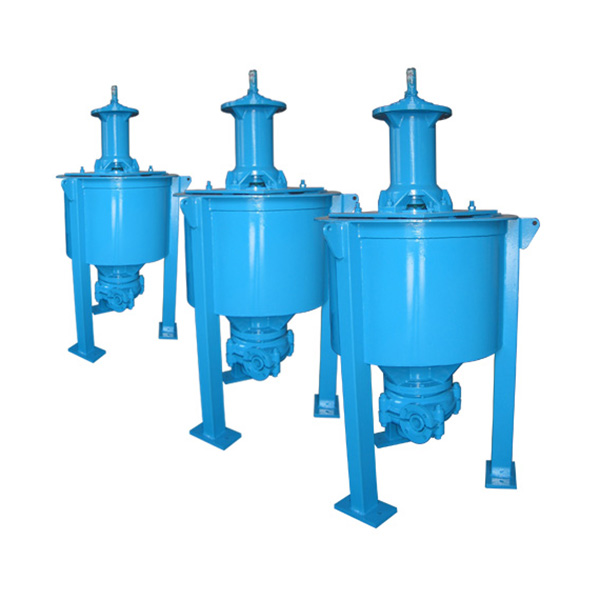
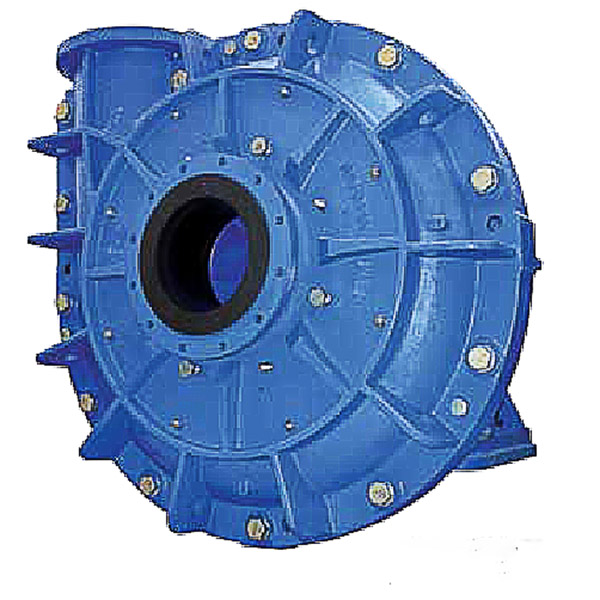
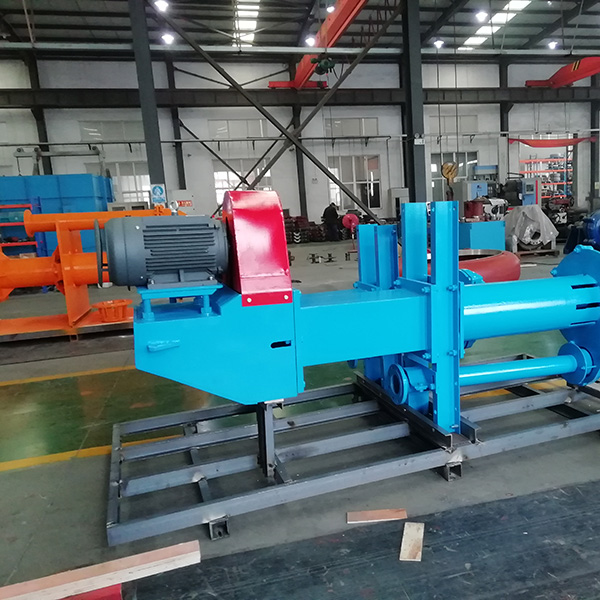
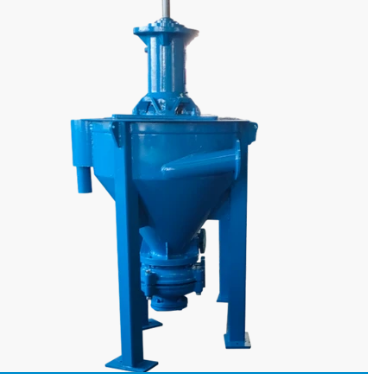
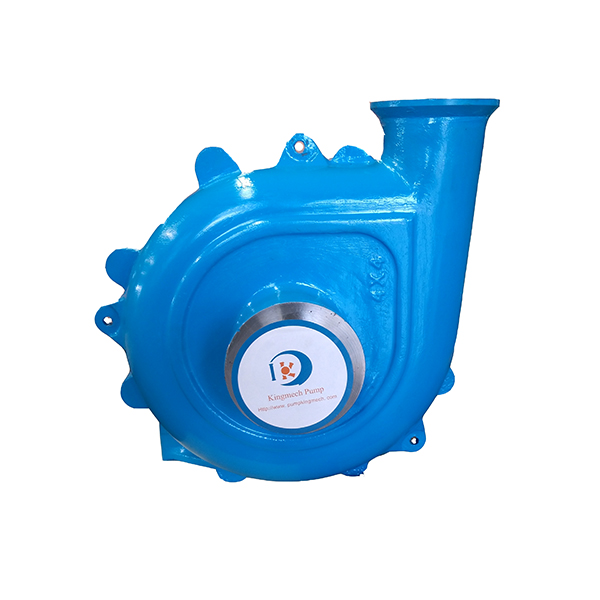
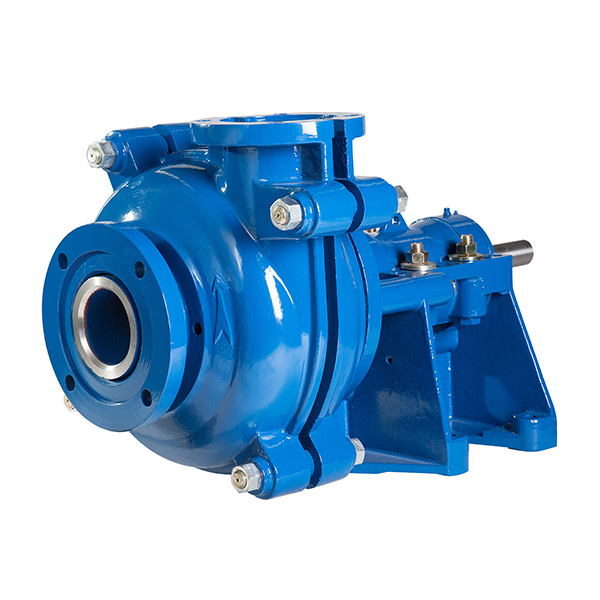
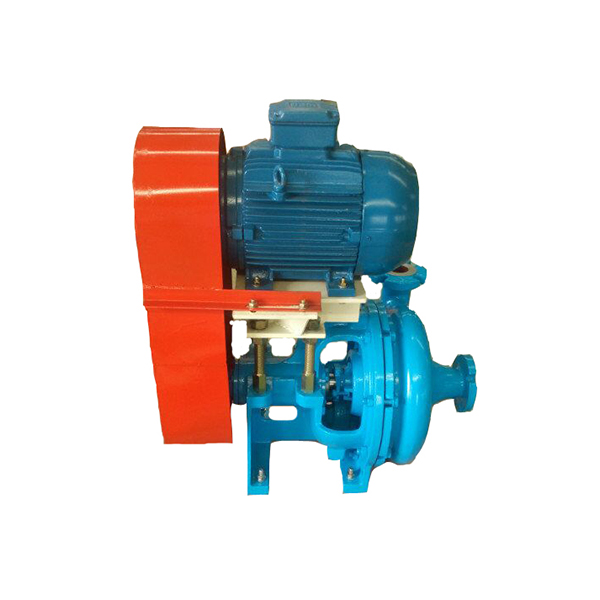
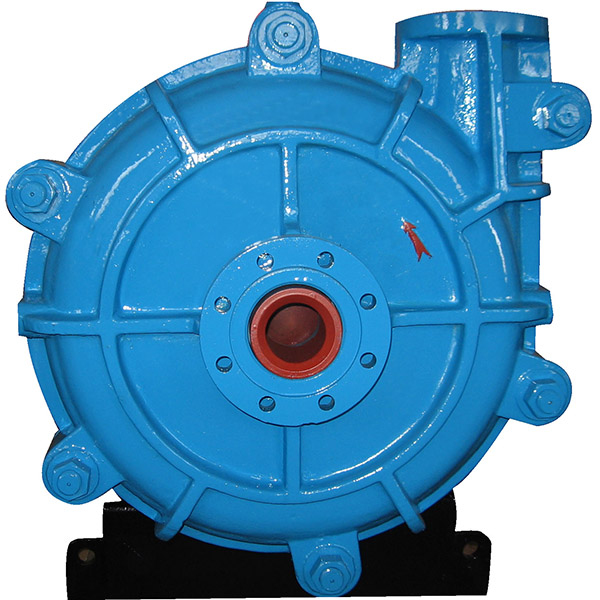
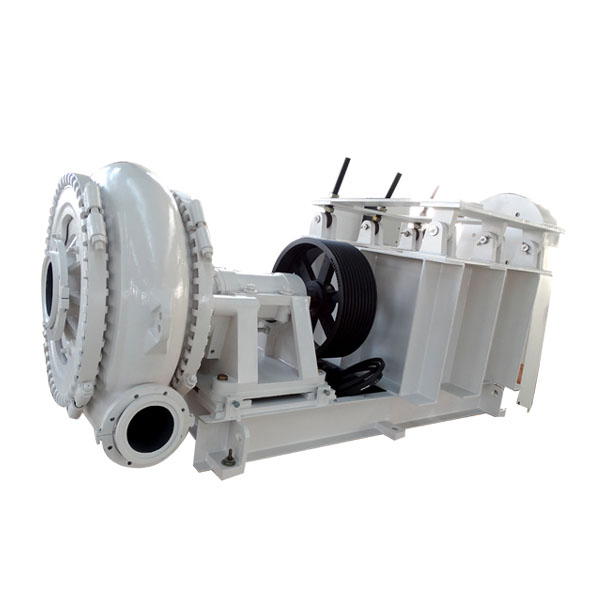
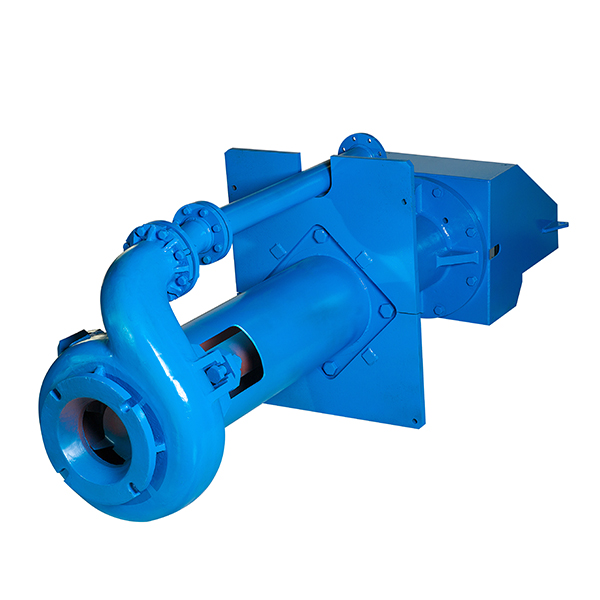
Put simply, a dredge booster pump is a specialized centrifugal pump that sits in the pipeline between the dredge cutter head and the main dredge pump. Its job? To boost the velocity and pressure of the sand-water slurry mixture, making it easier for the main pump to move this watery sand cocktail through pipelines sometimes several kilometers long.
It’s an unsung hero in operations ranging from mining riverbeds to land reclamation projects. These pumps deal with tough slurry conditions loaded with solids — so they have to be rugged, reliable, and flexible. In modern industry, from construction to port management, booster pumps ensure that dredging stays efficient, and on humanitarian fronts, they assist in urgent disaster-related sediment re-shaping or flood control.
Core Components & Why They Matter
Durability
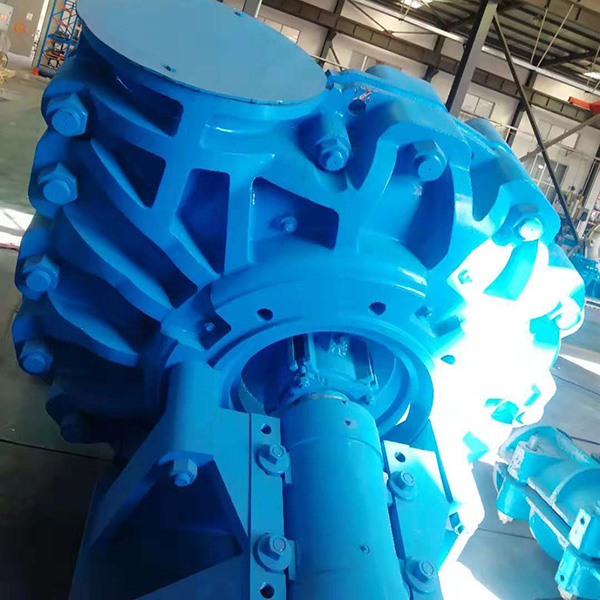
Booster pumps often operate in abrasive conditions. Their impellers and casings are usually made from hardened, wear-resistant materials like chrome alloys. The better the durability, the longer they last before costly service or replacement.
Scalability
Depending on the project size, pumps must handle varying flow rates—from a few hundred to thousands of cubic meters per hour. The ability to scale or modularize pump systems can make or break project timelines.
Energy Efficiency
Because dredging is energy-intensive, modern booster pumps feature optimized hydraulic designs to lower power consumption while maintaining performance.
Maintenance & Serviceability
If a pump fails mid-operation, it can cause huge delays. Pumps designed for easy inspection and quick part swaps help significantly reduce downtime.
Compatibility
They must integrate smoothly with different main dredge pumps and pipeline setups with minimal modification.
Mini Takeaway:
Choosing the right dredge booster pump isn't just about raw power—it’s about balancing endurance, flexibility, and efficiency according to your task’s specifics.
How Dredge Booster Pumps Are Changing Global Industries
These pumps find use across many regions and sectors:
- Major Ports in Asia and Europe: Boosting dredging efficiency to keep shipping channels open.
- Mining Operations in Australia and Africa: Pumping mineral-rich slurries over long distances.
- Post-Disaster Relief Projects: For example, in Southeast Asia following typhoons, booster pumps help clear blocked waterways.
- Land Reclamation in the Middle East: Massive dredge booster pumps enable rapid construction of artificial islands.
- Environmental and Flood Control Projects in the Netherlands: Critical to managing sediment deposition and water levels.
In remote industrial zones, where access to quick servicing is limited, reliable booster pumps mean uninterrupted operations — which is often a lifeline for local economies.
Mini Takeaway:
Dredge booster pumps are versatile, critical devices supporting both economic development and humanitarian initiatives worldwide.
Advantages & The Long-Term Value of Investing in Quality Booster Pumps
When you pick a good dredge booster pump, you’re investing in:
- Cost Savings: Energy-efficient designs slash operational costs.
- Reduced Downtime: Smart design choices mean fewer breakdowns and easier fixes.
- Sustainability: Extending pump lifecycle reduces material waste.
- Social Impact: Helps protect communities by supporting flood defense and keeping vital waterways open.
- Trust & Safety: Reliable equipment supports safer, smoother operations—critical when crews work in challenging environments.
There’s something reassuring about well-engineered equipment. You feel confident it’ll work when needed most.
Looking Ahead: Future Trends in Dredge Booster Pumps
- Green Energy Integration: New pumps are increasingly designed to pair with renewable power sources, reducing carbon footprints.
- Smart Monitoring: IoT-enabled sensors allow operators to monitor wear and performance in real time, predicting maintenance before failures.
- Advanced Materials: Usage of composites and coatings that resist abrasion better and cut pump weight.
- Automation: Autonomous dredging missions where pumps adjust flow live based on sediment conditions.
- Modular Pump Systems: More flexible, transportable systems to support emergency deployments or quickly changing project scopes.
Frankly, it feels like dredge pumps are slowly but surely catching up with the rest of the industrial world on smart tech and sustainability.
Common Hurdles & Expert Solutions
Challenge: Abrasive slurry prematurely wearing pump parts.
Solution: Use high-chrome alloy impellers, frequently tested in accordance to ISO standards. Regularly scheduled preventive maintenance.
Challenge: Difficulty integrating new booster pumps with existing dredge fleets.
Solution: Seek vendors offering modular, customizable interface options, or retrofit kits.
Challenge: High energy costs in remote sites.
Solution: Incorporate variable frequency drives (VFDs) and explore hybrid power sources.
It’s important that buyers don’t just shop on price. Engaging with pump manufacturers that understand on-the-ground challenges can save substantial headaches.
Product Specifications Table: Typical Dredge Booster Pump Features
| Feature |
Specification |
Notes |
| Flow Rate |
200–3500 m³/h |
Varies by model |
| Max Discharge Pressure |
0.8–4.5 bar |
Typical range |
| Impeller Material |
High Chrome Alloy |
Wear resistant |
| Motor Power |
15–300 kW |
Electric or diesel drive |
| Weight |
1500–6000 kg |
Depends on size |
Vendor Comparison: What to Look For When Buying a Dredge Booster Pump
| Vendor |
Product Range |
Customization |
After-sales Support |
Price Range |
| Kingmech Pump |
Wide (many sizes/models) |
High (tailored options) |
Excellent, global |
Mid-High |
| DredgeTech Solutions |
Medium |
Moderate |
Good, regional |
Medium |
| Global Pump Co. |
Narrow (focus on general pumps) |
Low customization |
Standard |
Low-Mid |
FAQ: Frequently Asked Questions About Dredge Booster Pumps for Sale
- Q: How does a dredge booster pump improve dredging efficiency?
A: By increasing slurry velocity and pressure before it reaches the main pump, it reduces clogging and energy consumption, making dredging faster and more reliable.
- Q: What key factors should I consider when buying a booster pump?
A: Look for durability of materials, compatibility with your dredge system, maintenance ease, and energy efficiency to ensure long-term value.
- Q: Can these pumps operate in remote locations with limited power supply?
A: Yes, many booster pumps offer flexible power options including diesel drives and can be paired with solar or generator systems.
- Q: How can I be sure about pump wear and tear management?
A: Choose pumps with wear-resistant alloys and schedule preventive maintenance; modern sensors can also help monitor performance.
- Q: Where can I find reliable dredge booster pumps for sale?
A: Reputable manufacturers like Kingmech Pump offer a broad range tailored to diverse needs with global support.
Conclusion: Why a Quality Dredge Booster Pump Is Worth It
In the long game, investing in a dredge booster pump for sale isn’t just about moving slurry—it's about ensuring operational resilience, environmental compliance, and financial prudence. As demands for infrastructure and environmental protection expand globally, the right booster pump can be the difference between on-time project delivery and costly delays. I always say, it’s one of those purchases where saving a few bucks upfront could cost you much more later.
If you’re ready to explore the latest efficient, durable, and customizable booster pumps, be sure to visit
our website for solutions engineered to keep your dredging projects running smoothly and sustainably.
References
- Wikipedia: Dredging
- World Bank: Water Resources Management
- ISO Standards in Pumps