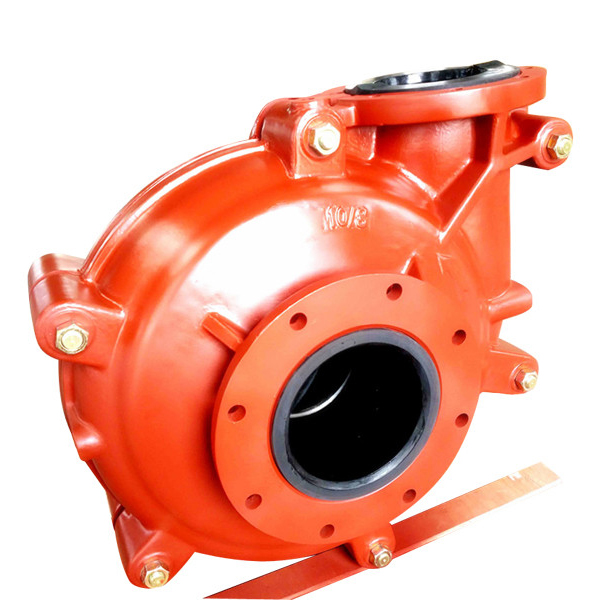
Advanced heavy sludge pump Solutions for Indonesia's Mining Industry

High-performance industrial pumping systems engineered to withstand the abrasive and corrosive environments of Southeast Asia's most demanding sites.

Advanced heavy sludge pump Solutions for Indonesia's Mining Industry

Providing Indonesian industrial sectors with robust slurry handling technology, specifically optimized for high-density waste and corrosive mineral processing.

Industrial Fluid Dynamics in Indonesia

Analyzing the challenges of pumping abrasive materials in the tropical archipelago.

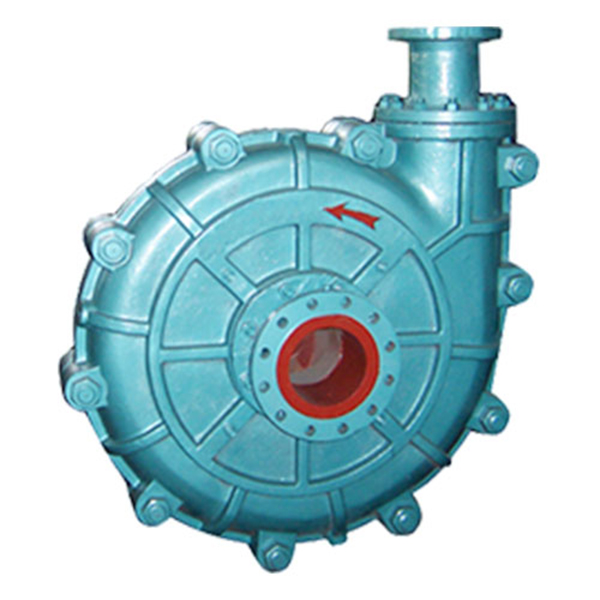
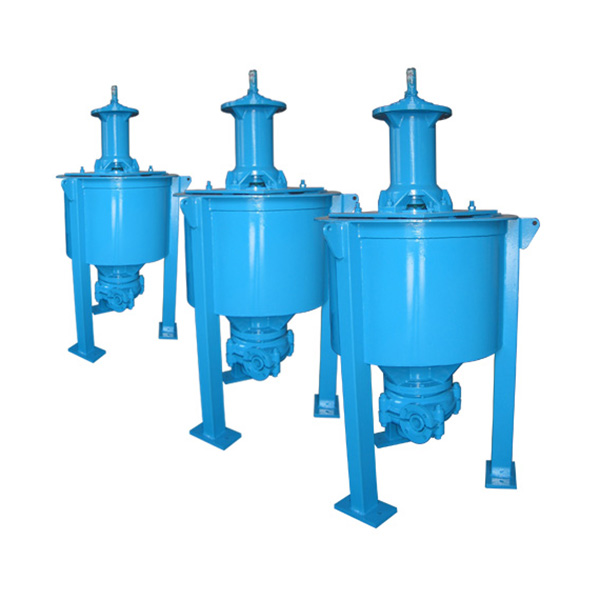
Indonesia's mining and geothermal sectors face extreme operational challenges due to high humidity and volcanic soil composition. The frequent use of a dirty water slurry pump is essential here to manage the runoff and sediment-heavy water common in Kalimantan and Sulawesi mining pits.

The rapid growth of the nickel and cobalt industry to support global EV battery production has spiked the demand for a specialized lithium slurry pump. These materials require precise chemical resistance to prevent pump housing erosion during the leaching process.

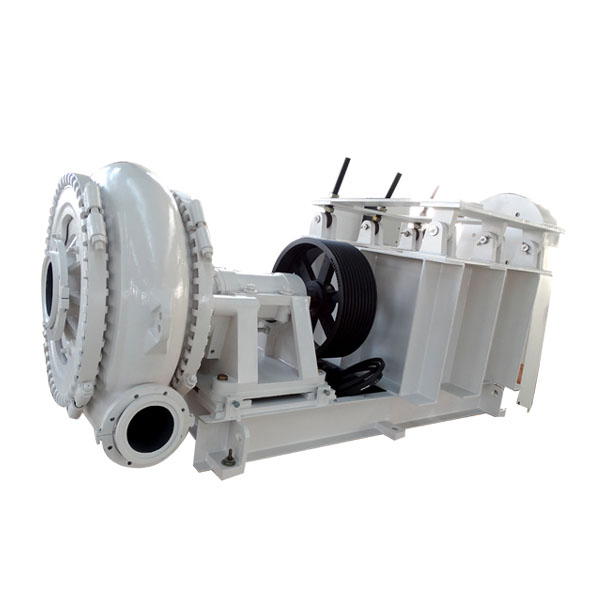
Furthermore, the remote nature of Indonesian job sites often means limited electrical infrastructure. This has led to a critical reliance on the engine driven slurry pump, allowing operators to move heavy solids in off-grid environments without compromising flow rates.
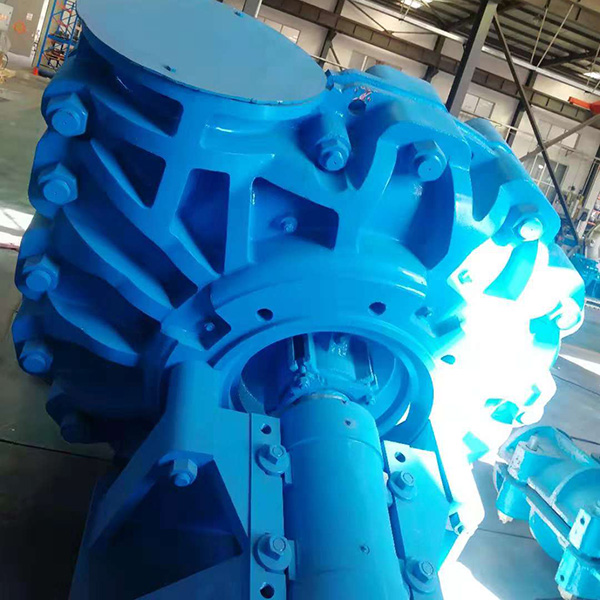
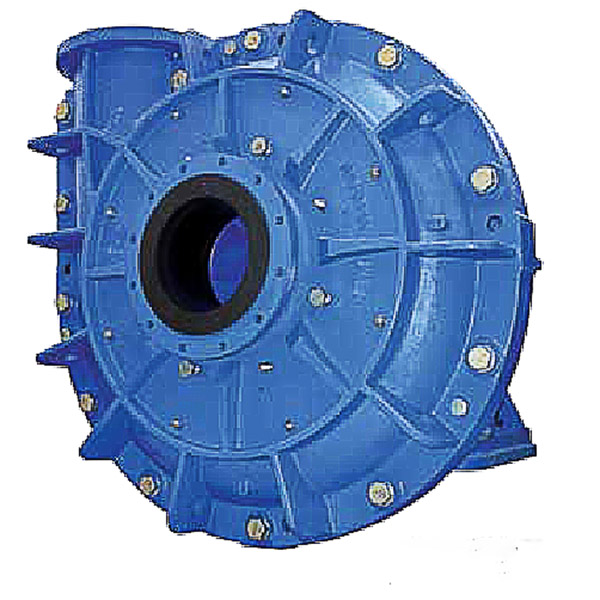
Evolution of Slurry Handling Technology

From traditional cast iron pumps to modern ceramic-lined high-efficiency systems.

Market Development History

In the early 2000s, the Indonesian market relied heavily on standard centrifugal pumps. However, these suffered from rapid wear when handling volcanic ash and tailings, leading to excessive downtime and high maintenance costs.

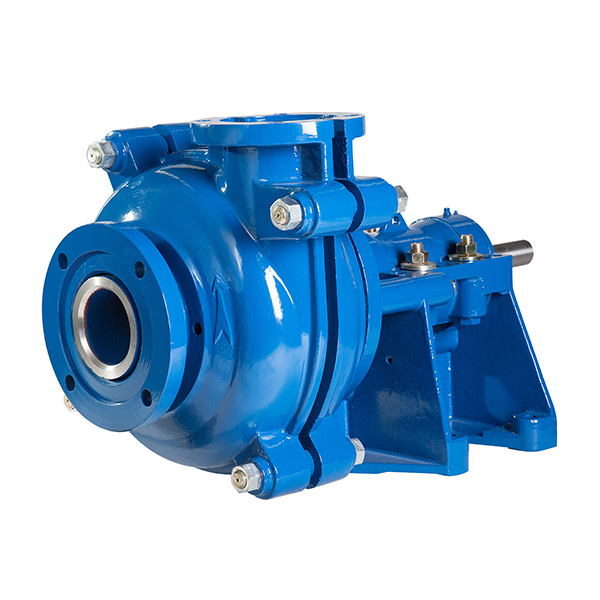
Between 2010 and 2020, the industry shifted toward hard-alloy liners. This period saw the introduction of the ceramic slurry pump, which offered significantly higher abrasion resistance for the most aggressive mineral slurries.

From 2021 onwards, the focus has shifted toward "Smart Pumping," integrating VFDs (Variable Frequency Drives) and remote monitoring to optimize energy consumption and predictive maintenance in the remote jungles of Indonesia.

Future Development Trends

AI-Driven Wear Prediction

Integration of IoT sensors to monitor wall thickness in real-time, reducing unplanned shutdowns in heavy-duty mining operations.

Eco-Friendly Power Integration

Transitioning from diesel engines to hybrid or electric-powered systems to meet Indonesia's new "Green Mining" regulations.

Advanced Material Science

Development of nano-ceramic composites to further extend the lifespan of impellers handling high-density tailings.

Industry Trends and Future Outlook

Strategic directions for the pump and vacuum equipment manufacturing sector.

Digital Transformation
Implementation of remote telemetry to manage pump performance across dispersed Indonesian islands.
Material Optimization
Moving toward high-chrome and ceramic alloys to maximize MTBF in abrasive slurry environments.
Energy Efficiency
Reducing the carbon footprint of heavy pumping systems through hydraulic optimization.
Localized Engineering
Designing pumps specifically for the viscosity of Indonesian mineral tailings.

Industry Outlook

Over the next 3-5 years, Google search trends indicate a surge in "sustainable mining" and "automated fluid transport" within the Southeast Asian region. We expect a massive migration toward modular pumping stations that can be deployed rapidly in remote areas.

The synergy between high-wear materials and intelligent control systems will define the next generation of slurry pumps, ensuring that Indonesia's critical mineral supply chain remains efficient and cost-effective.

Localized Application Scenarios in Indonesia

Real-world deployments across the Indonesian archipelago.

01. Nickel Ore Tailings Management

Utilizing heavy-duty slurry systems to transport thick nickel waste in Sulawesi, preventing tailings dam overflows during monsoon seasons.

02. Remote Gold Mining Site Dewatering

Deploying engine driven slurry pump units in Papua to handle grit-laden water where no power grid exists.

03. Lithium Processing Plants

Integrating specialized lining in pumps to handle corrosive chemical slurries during the refinement of battery-grade minerals.

04. Palm Oil Mill Effluent (POME) Handling

Using dirty water pumps to move highly viscous organic sludge from treatment ponds to disposal areas in Sumatra.

05. Coal Mine Sump Clearing

Applying high-head slurry pumps to clear heavy sediment and sludge from deep-pit coal mines in East Kalimantan.

Brand Story

Global Development Journey of Hebei Xiangmai Pump Industry Co., Ltd.

Foundation & Vision

Established with a commitment to solving the hardest pumping challenges, focusing on abrasive fluid dynamics from day one.

Technical Breakthroughs

Pioneered the use of advanced ceramic liners to double the lifespan of pumps in mining applications.

Global Expansion

Extended operations into the Southeast Asian market, establishing a strong presence in Indonesia's mining hubs.

Industry Certification

Achieved international quality standards, ensuring our pumps meet the most rigorous safety and efficiency protocols.

Future Commitment

Dedicated to creating zero-failure pumping systems that drive the transition toward sustainable industrialization.

Comprehensive Pumping Portfolio for Indonesia

A full range of equipment tailored for abrasive, corrosive, and remote industrial environments.

Common Questions in Indonesia Market

Expert answers to the most frequent technical inquiries.

How to choose the right ceramic slurry pump for volcanic ash?

You must analyze the particle size and hardness of the ash. For volcanic materials, we recommend a high-alumina ceramic lining to minimize abrasive wear on the impeller.

Can an engine driven slurry pump handle high-viscosity tailings?

Yes, provided the pump is equipped with a high-torque engine and a wide-passage impeller to prevent clogging from thick sludge.

What is the maintenance cycle for a heavy sludge pump in tropical climates?

Due to high humidity in Indonesia, we recommend monthly lubrication checks and quarterly impeller inspections to prevent corrosion-induced failure.

Does a dirty water slurry pump support continuous 24/7 operation?

Our industrial-grade pumps are designed for continuous duty. However, using a VFD can extend the lifespan by optimizing speed based on flow demand.

Is the lithium slurry pump resistant to strong acidic chemicals?

Yes, our specialized lithium series utilizes acid-resistant alloys and polymers to handle the aggressive pH levels found in battery mineral leaching.

How to reduce energy costs when operating heavy sludge pumps?

Optimizing the pipeline diameter to reduce friction loss and using a pump with the correct BEP (Best Efficiency Point) can reduce energy costs by up to 20%.

Ready to Optimize Your Fluid Handling?

Get a customized engineering consultation for your project in Indonesia.

Contact Us Now
tel
email
tel
goTop

If you are interested in our products, you can choose to leave your information here, and we will be in touch with you shortly.