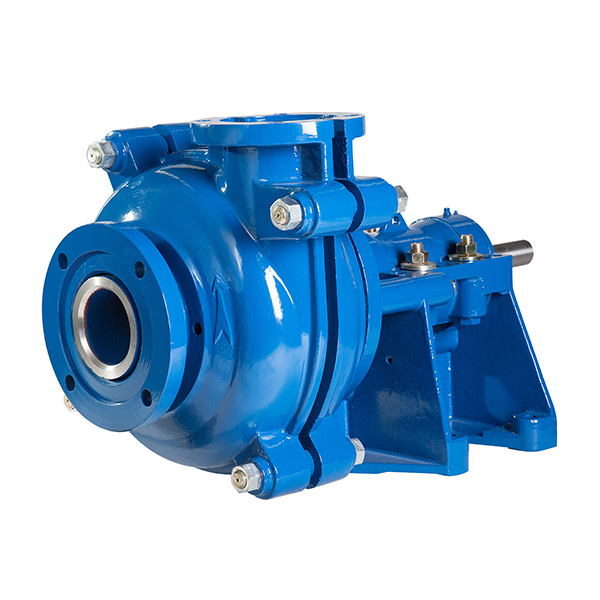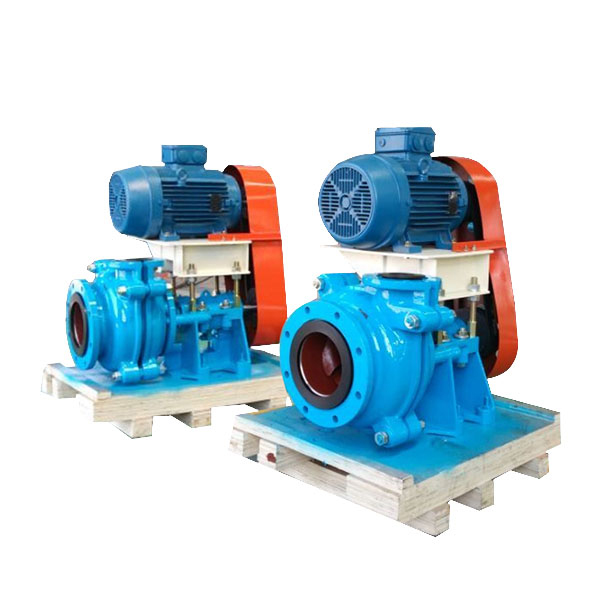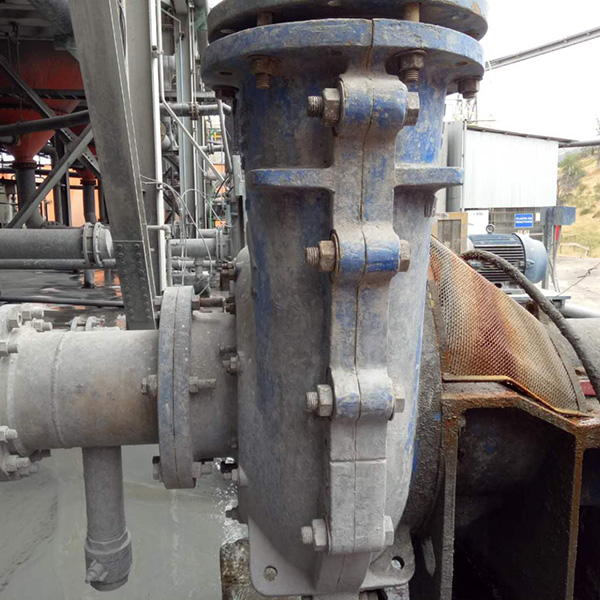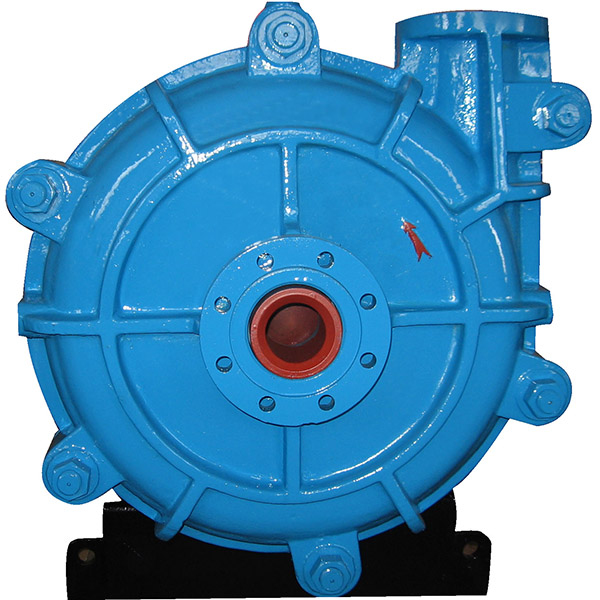
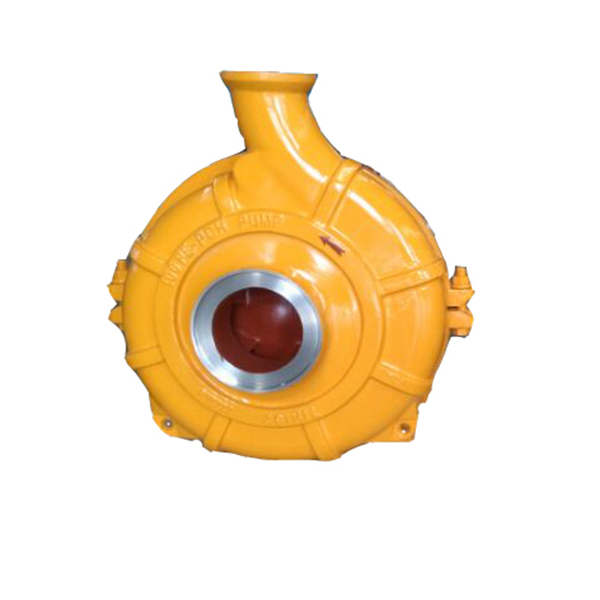
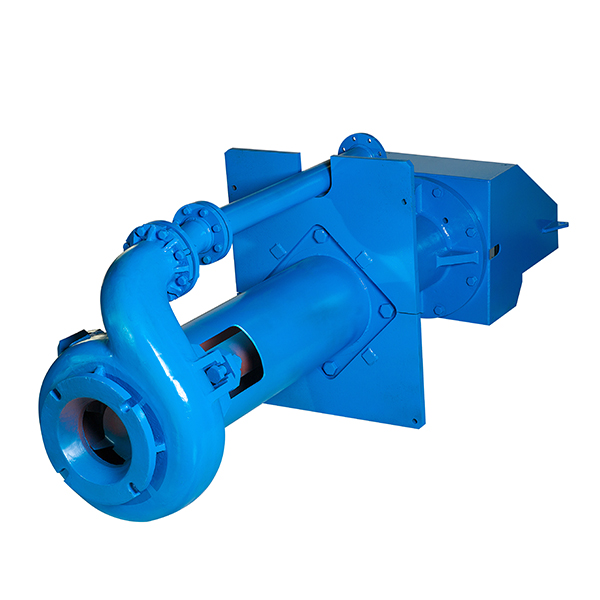
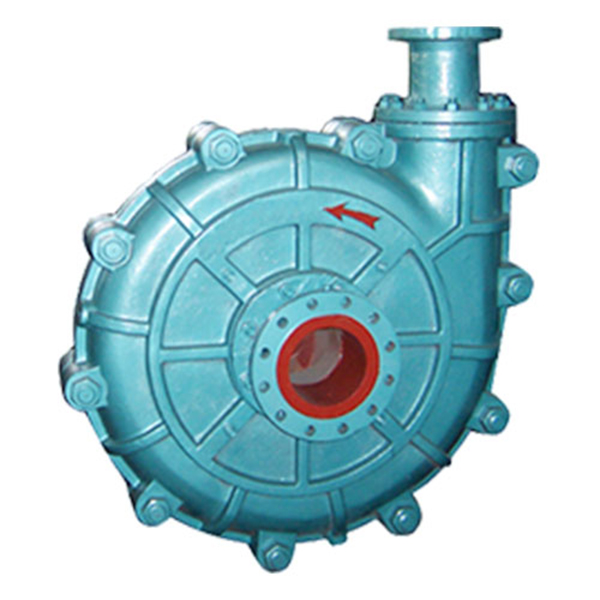
Rwanda's diverse topography, characterized by mountainous terrains and volcanic soils, presents unique challenges for mineral processing. The local industry heavily relies on the efficient transport of abrasive materials, where a high-quality ceramic slurry pump is essential to combat the extreme wear caused by hard-rock mining residues.
In many remote mining sites across the Northern and Western provinces, the lack of stable grid electricity makes the engine driven slurry pump the primary choice for operational continuity. These systems ensure that production does not cease during power fluctuations, maintaining a steady flow of slurry from the pit to the processing plant.
Furthermore, the increase in urban infrastructure and artisanal mining has led to a rise in contaminated runoff. The deployment of a robust dirty water slurry pump has become critical for managing floodwaters and silt-heavy runoff, preventing environmental degradation and ensuring site safety during Rwanda's rainy seasons.