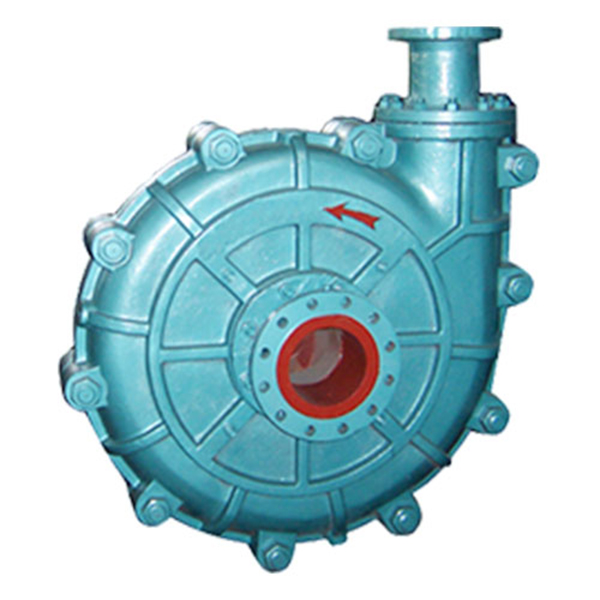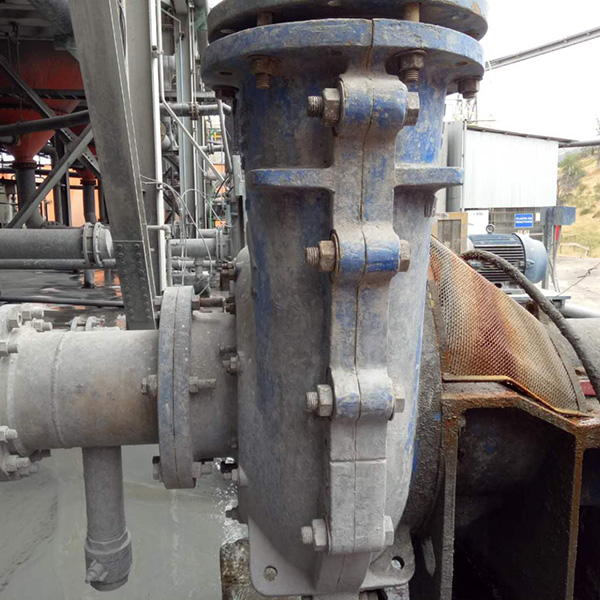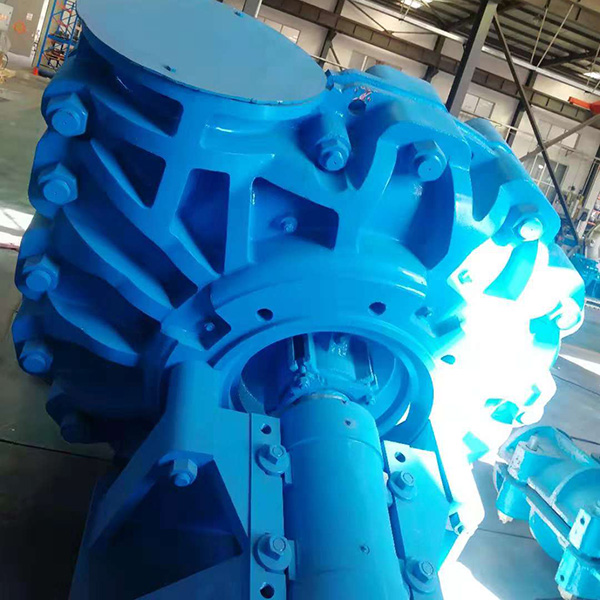
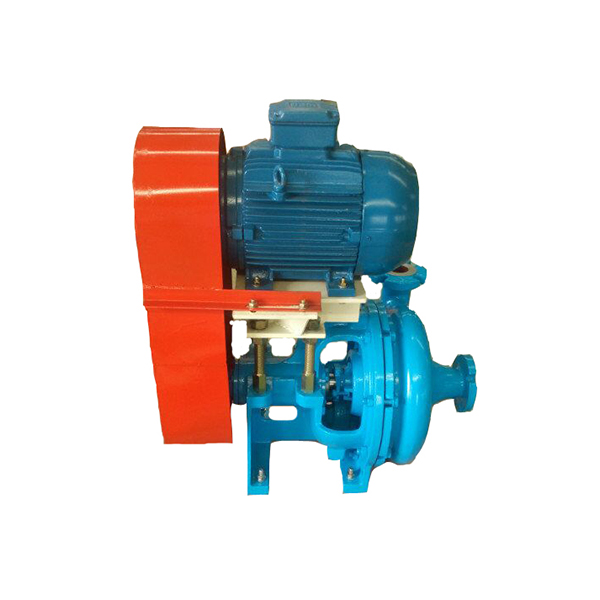
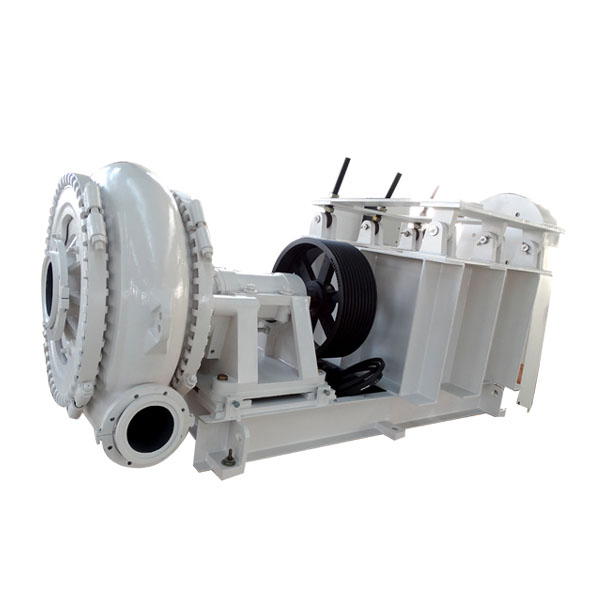
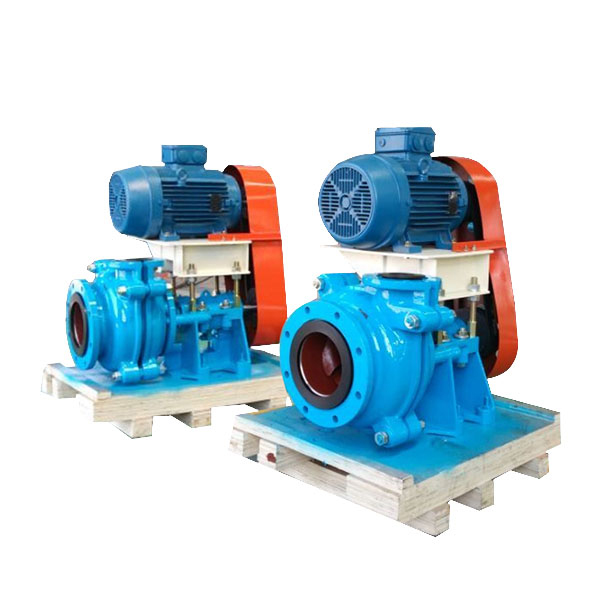
Belarus Industrial Pumping Solutions: Advanced heavy sludge pump Integration

Engineered for the rigorous demands of Belarusian mining, agriculture, and industrial waste management, providing unparalleled durability in extreme climates.

Belarus Industrial Pumping Solutions: Advanced heavy sludge pump Integration

Providing high-performance fluid handling technology specifically calibrated for the heavy industrial landscape and environmental conditions of Belarus.

Current State of Slurry Handling in Belarus

Analyzing the operational challenges of pumping abrasive materials in Eastern Europe.

The Belarusian industrial sector, particularly in potash mining and heavy machinery manufacturing, faces significant challenges due to the highly abrasive nature of local mineral deposits. The widespread use of a ceramic slurry pump has become essential to combat the rapid wear and tear caused by high-silica content in mining tailings.

Geographically, the region's harsh winters and fluctuating temperatures demand equipment that can operate in sub-zero conditions. This has led to a surge in demand for the engine driven slurry pump, which provides critical mobility and autonomy for remote site operations where electrical infrastructure is unstable or nonexistent.

Furthermore, the modernization of Belarusian wastewater treatment plants has highlighted the need for a robust dirty water slurry pump capable of handling mixed solids and urban sludge, ensuring environmental compliance with updated European ecological standards.
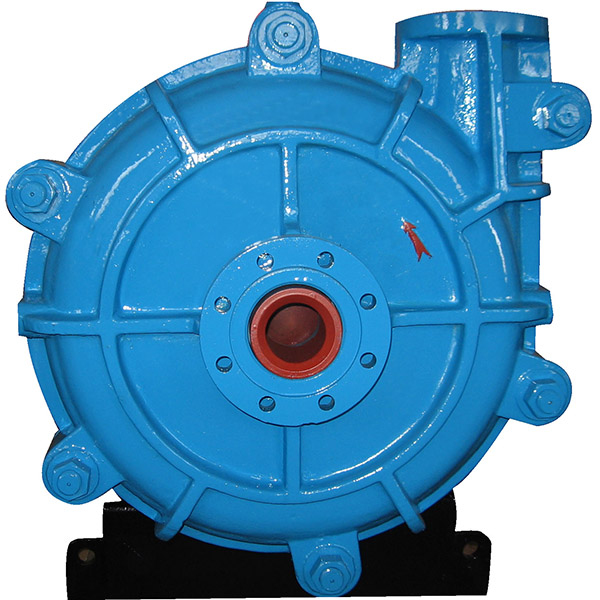
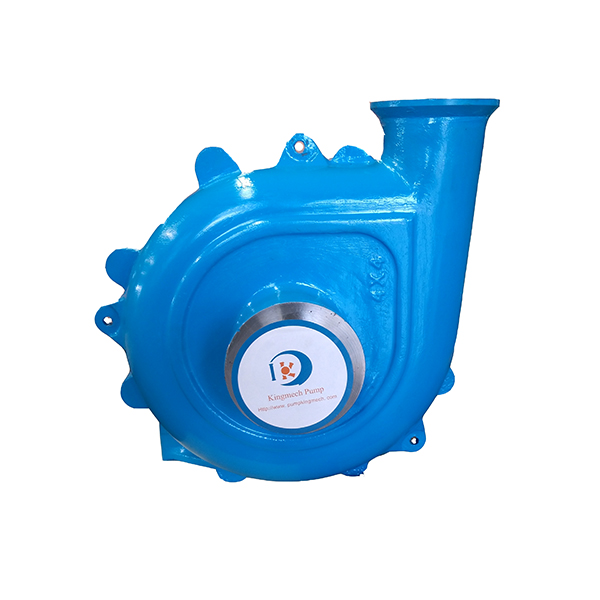
Technical Evolution and Market Trajectory

From traditional cast iron systems to smart, wear-resistant materials.

Market Development History

Between 1990 and 2010, the Belarusian market relied heavily on Soviet-era legacy pumps, which were durable but lacked efficiency and precise control over flow rates for abrasive materials.

From 2010 to 2020, there was a transition toward high-chrome alloys and specialized linings. The introduction of the lithium slurry pump began to appear as the region explored new battery-grade mineral processing and specialty chemical production.

Since 2021, the focus has shifted toward "Smart Pumping," integrating IoT sensors for real-time wear monitoring and energy optimization to reduce operational costs in the face of rising energy prices.

Future Development Trends

Advanced Material Science

Integration of nano-ceramic composites to further extend the MTBF (Mean Time Between Failure) in extreme abrasion environments.

Hybrid Power Systems

Transitioning from purely diesel engines to hybrid electric-diesel drives to meet tightening emissions regulations in Belarus.

Precision Slurry Control

Development of automated variable frequency drives (VFD) specifically tuned for non-Newtonian fluids and high-density sludge.

Industry Trends & Future Outlook

Projecting the next 5 years of pumping technology in Belarus.

Green Energy Transition
Shift towards zero-emission pumping systems for state-funded environmental projects in Belarus.
Digital Twin Monitoring
Implementing virtual models to predict impeller wear and optimize maintenance schedules.
Modular Design
Quick-swap components to minimize downtime in critical mining operations across Belarus.
Ultra-Hard Coatings
Development of tungsten-carbide overlays for extreme sludge applications.

Industry Outlook

Based on regional growth data, Belarus is expected to increase its investment in mineral processing efficiency. This will drive the demand for highly specialized equipment that can handle higher solid percentages without clogging.

The synergy between automation and mechanical durability will be the primary competitive advantage, moving the industry from "replacement-based" maintenance to "predictive" operational excellence.

Localized Application Scenarios in Belarus

Tailored pumping solutions for the unique industrial landscape of Belarus.

1. Potash Mining Tailings Management

Using high-density pumps to transport abrasive potash waste in the Soligorsk region, reducing pipe erosion via specialized linings.

2. Agricultural Sludge Processing

Implementing heavy-duty pumps to manage organic waste in large-scale Belarusian agro-complexes, ensuring efficient nutrient recovery.

3. Urban Infrastructure Drainage

Deploying specialized pumps for the removal of silt and dirty water from Minsk's metropolitan drainage and sewage systems.

4. Chemical Plant Fluid Handling

Utilizing corrosion-resistant pumps for the transport of reactive slurries in the Grodno chemical clusters.

5. Remote Site Water Management

Utilizing mobile, fuel-powered pumping units for flood control and site preparation in remote forested areas of Belarus.

Brand Story

Global Development History of Hebei Xiangmai Pump Industry Co., Ltd.

Foundational Engineering

Established with a focus on heavy-duty slurry technology, mastering the art of abrasive fluid dynamics.

Material Innovation

Pioneered the integration of high-chrome alloys and ceramics to solve the "rapid wear" pain point of the industry.

Global Market Expansion

Extended operational reach into Eastern Europe, adapting products to the specific climatic needs of regions like Belarus.

Smart Technology Integration

Developed the first generation of sensor-integrated pumps for real-time performance tracking.

Sustainable Future Mission

Committed to reducing the carbon footprint of industrial pumping through energy-efficient hydraulic design.

Belarus Industrial Pumping FAQ

Expert answers to common technical queries in the region.

How to choose the right ceramic slurry pump for potash mining in Belarus?

Focus on the specific gravity of the slurry and the percentage of solids. A ceramic lining is recommended for potash to prevent corrosive pitting and abrasive wear.

Are engine driven slurry pumps suitable for Belarusian winter temperatures?

Yes, provided they are equipped with winterization kits including coolant heaters and low-viscosity lubricants for reliable cold-starts.

What is the maintenance interval for a heavy sludge pump in industrial use?

Depending on the sludge density, impeller inspections are typically recommended every 2,000 operating hours, with full seal checks every 5,000 hours.

Can a dirty water slurry pump handle mixed organic and mineral waste?

Absolutely. Our dirty water models feature wide-passage impellers designed specifically to prevent clogging from mixed debris and organic fibers.

What materials are used in a lithium slurry pump to prevent corrosion?

We utilize high-grade stainless steel and specialized polymer coatings to withstand the chemically aggressive nature of lithium processing fluids.

How do I optimize the energy consumption of my pumping station in Belarus?

Integrating Variable Frequency Drives (VFDs) allows you to match the pump speed to the actual flow requirement, reducing energy waste by up to 30%.

Consult Our Engineering Team

Get a customized slurry pumping blueprint for your operations in Belarus.

Contact Us Now
tel
email
tel
goTop

If you are interested in our products, you can choose to leave your information here, and we will be in touch with you shortly.