The efficient removal of sludge is critical across numerous industries, from wastewater treatment and construction to agriculture and oil & gas. A small sludge pump offers a compact, cost-effective, and reliable solution for handling challenging semi-solid materials. Understanding the nuances of these pumps – their capabilities, applications, and maintenance – is essential for optimizing operational efficiency and minimizing environmental impact. They provide targeted solutions where larger, more complex systems are impractical or unnecessary.
The global need for effective sludge management is escalating, driven by increasing industrialization, population growth, and stricter environmental regulations. According to the UN, over 80% of wastewater globally receives no treatment before being discharged back into the environment. This underscores the urgent requirement for robust and accessible solutions like small sludge pumps to mitigate pollution and protect public health. These pumps play a crucial role in supporting sustainable development goals related to clean water and sanitation.
Investing in the right small sludge pump translates to significant long-term benefits, including reduced operational costs, enhanced process performance, and improved compliance with environmental standards. As industries face growing pressure to adopt more sustainable practices, the demand for efficient and reliable sludge handling equipment will only continue to rise. Choosing a pump tailored to specific sludge characteristics and application requirements is paramount.
Introduction to small sludge pump
A small sludge pump is a specialized type of pump designed to effectively move viscous, semi-solid materials commonly referred to as sludge. These pumps excel in applications where traditional pumps would struggle due to clogging, abrasive particles, or high solid content. Their compact size makes them ideal for installations with limited space and portability is a key advantage in many field operations.
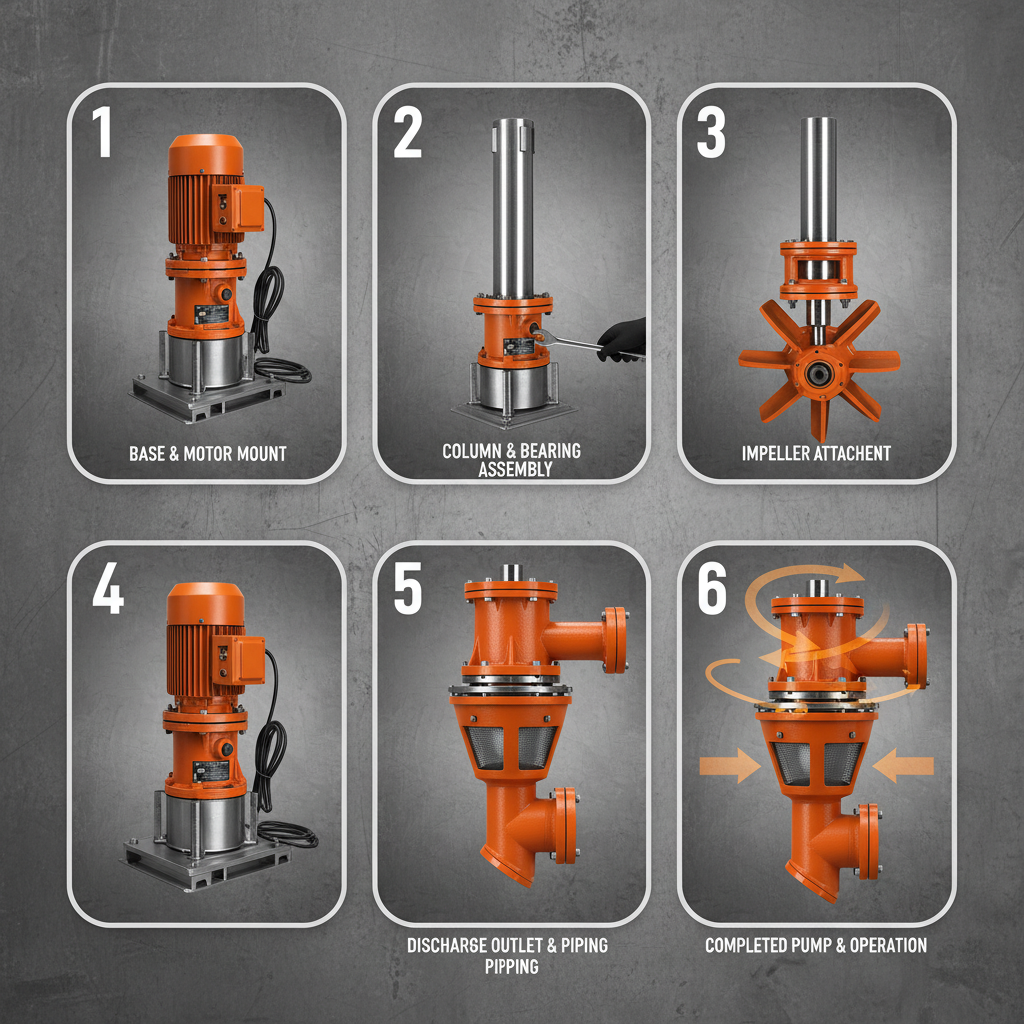
The design of a small sludge pump often incorporates features like robust impellers, large internal clearances, and specialized sealing systems to ensure reliable performance even with challenging fluids. They are deployed in a wide variety of settings, contributing significantly to process efficiency and environmental protection in diverse sectors.
Defining a small sludge pump
A small sludge pump, in its simplest form, is a positive displacement or centrifugal pump engineered to handle fluids containing a high percentage of solid materials. These materials range from fine sediments and organic matter to larger debris and granular substances. Unlike standard pumps optimized for clean liquids, a sludge pump is built to resist clogging and withstand abrasive wear.
The connection to modern industry is undeniable. From wastewater treatment plants ensuring clean water discharge to construction sites dewatering excavations, small sludge pumps are integral to numerous essential processes. They are fundamental to maintaining hygienic environments and preventing operational disruptions caused by buildup or blockage.
Humanitarian needs are also addressed by these pumps, particularly in disaster relief scenarios where rapid removal of contaminated water and debris is vital for public health and sanitation. They enable effective response efforts in areas affected by flooding or sewage overflows, safeguarding vulnerable populations.
Core Components and Characteristics
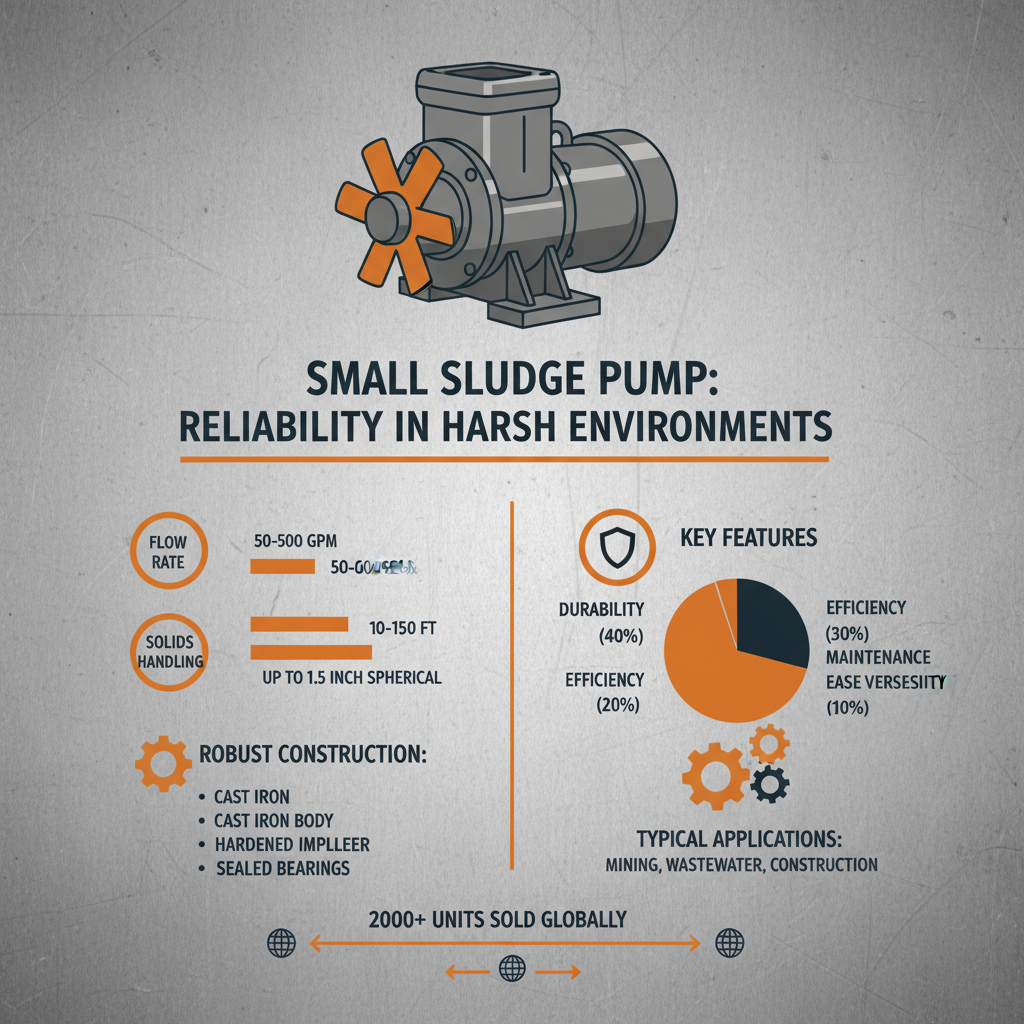
Durability is a cornerstone of small sludge pump design. They are often constructed from robust materials like cast iron, stainless steel, or high-grade polymers to withstand abrasive wear and corrosive environments. This ensures a longer service life and reduced maintenance requirements.
Flow Rate and Head are critical performance characteristics. The flow rate determines the volume of sludge the pump can move per unit time, while the head indicates the maximum height to which the pump can lift the fluid. Matching these parameters to the specific application is essential for optimal performance. Different impeller designs cater to varying sludge viscosities and solid content.
Sealing is a vital aspect, preventing leakage and ensuring efficient operation. Mechanical seals are commonly used in small sludge pumps, providing a reliable barrier against fluid escape. The type of seal material must be compatible with the chemical composition of the sludge being pumped.
Key Performance Indicators of small sludge pump
Solids Handling Capacity is a prime indicator. This refers to the maximum percentage of solid materials, by weight or volume, that the pump can effectively transport without clogging or experiencing reduced performance. Higher solids handling capacity is critical for applications with highly concentrated sludge.
Abrasion Resistance is another key metric. small sludge pumps often encounter abrasive particles within the sludge, so the pump's materials and design must withstand this wear and tear to maintain efficiency and prolong lifespan.
Comparison of small sludge pump Performance Metrics
Global Applications and Industries Served
Wastewater Treatment Plants represent a major application. small sludge pumps are vital for removing sludge from settling tanks, digesters, and other treatment processes, ensuring efficient and compliant wastewater discharge. These pumps maintain the operational integrity of the entire system.
Construction and Dewatering projects benefit significantly. small sludge pumps are used to remove water mixed with soil, sand, and debris from excavation sites, allowing for stable foundation construction and preventing project delays. In post-disaster relief operations, they are invaluable for rapidly removing floodwaters and contaminated sediment.
Advantages and Long-Term Value Proposition
Cost-Effectiveness is a key advantage. small sludge pumps typically have lower initial purchase and installation costs compared to larger, more complex pumping systems. They also often require less energy to operate, reducing ongoing expenses.
Reliability and reduced downtime contribute to substantial long-term value. Their robust construction and resistance to clogging minimize maintenance requirements and ensure consistent operation, preventing costly production interruptions. This translates to increased productivity and profitability.
Environmental sustainability is enhanced through efficient sludge management. By enabling effective removal and processing of sludge, these pumps help minimize environmental pollution and protect water resources, supporting responsible industrial practices.
Future Trends and Innovations in small sludge pump Technology
The integration of IoT (Internet of Things) sensors is a growing trend. Real-time monitoring of pump performance, sludge characteristics, and system health allows for predictive maintenance and optimized operation, minimizing downtime and maximizing efficiency.
Advancements in materials science are leading to the development of even more durable and corrosion-resistant pump components, extending service life and reducing lifecycle costs. New polymer composites and alloy formulations are enhancing performance in challenging environments.
Energy efficiency improvements are also a focus, with the development of variable speed drives and optimized impeller designs to minimize energy consumption and reduce the environmental footprint of sludge pumping operations. These advancements support sustainable industrial practices.
Key Factors Influencing small sludge pump Selection
| Sludge Characteristics |
Pump Type |
Application Demand |
Maintenance Needs |
| High Solids Content (80-90%) |
Positive Displacement Pump |
Continuous Operation |
Low (Scheduled Checks) |
| Abrasive Sludge with Sand |
Centrifugal Pump with Hard Metal Impeller |
Intermittent Operation |
Moderate (Impeller Wear) |
| Corrosive Chemical Sludge |
Stainless Steel or Polymer Pump |
Emergency Bypass |
High (Seal Replacement) |
| Low Solids Content (5-10%) |
Submersible Centrifugal Pump |
Portable Dewatering |
Minimal |
| Fibrous Sludge (Paper Mills) |
Cutter Suction Pump |
Large Volume Transfer |
Moderate (Cutter Maintenance) |
| Sludge with Large Debris |
Vortex Pump |
Handling Stringy Materials |
Low (Clearance Checks) |
FAQS
Unlike standard centrifugal pumps designed for clean liquids, small sludge pumps are specifically engineered to handle fluids with high solids content. They feature larger internal clearances, robust impellers, and often incorporate specialized sealing systems to prevent clogging and withstand abrasive wear. This allows them to effectively move viscous, semi-solid materials where a standard pump would fail.
Regular maintenance for a small sludge pump includes periodic inspection of the impeller for wear, checking the seals for leaks, and lubricating bearings. Depending on the sludge composition, cleaning to remove buildup may be required. Following the manufacturer's recommendations for preventative maintenance will maximize the pump's lifespan and reliability.
Determining the correct pump size involves considering several factors, including the flow rate required, the total head (vertical lift), the solids content of the sludge, and the sludge's viscosity. It is crucial to accurately assess these parameters to select a pump that can efficiently handle the specific application without overworking or underperforming.
Small sludge pumps are often constructed from materials like cast iron, stainless steel, and high-grade polymers. Cast iron offers durability and cost-effectiveness, while stainless steel provides superior corrosion resistance. Polymers are often used for components exposed to abrasive sludge, offering lightweight and wear-resistant solutions.
Yes, many small sludge pumps are designed to handle abrasive and corrosive materials. Selecting pumps with hardened impellers, corrosion-resistant materials (such as stainless steel or specialized alloys), and appropriate sealing systems is crucial when dealing with these types of fluids.
Energy efficiency is an important consideration. Pumps with variable speed drives (VSDs) can adjust the motor speed to match the required flow rate, reducing energy consumption. Selecting a pump that is appropriately sized for the application is also crucial, as an oversized pump will waste energy.
Conclusion
In conclusion, the small sludge pump represents a vital technology for efficient sludge management across a wide range of industries and applications. Its durability, reliability, and cost-effectiveness, coupled with ongoing innovation in materials and design, make it an indispensable tool for addressing the growing global challenge of wastewater treatment and waste removal. Understanding the core components, performance characteristics, and future trends associated with these pumps is paramount for optimizing operations and minimizing environmental impact.
Looking ahead, the integration of smart technologies and a continued focus on sustainable design will further enhance the capabilities of small sludge pumps. By embracing these advancements, industries can unlock new levels of efficiency, reduce operational costs, and contribute to a cleaner, more sustainable future. For expert guidance and a comprehensive range of small sludge pump solutions, visit our website today.