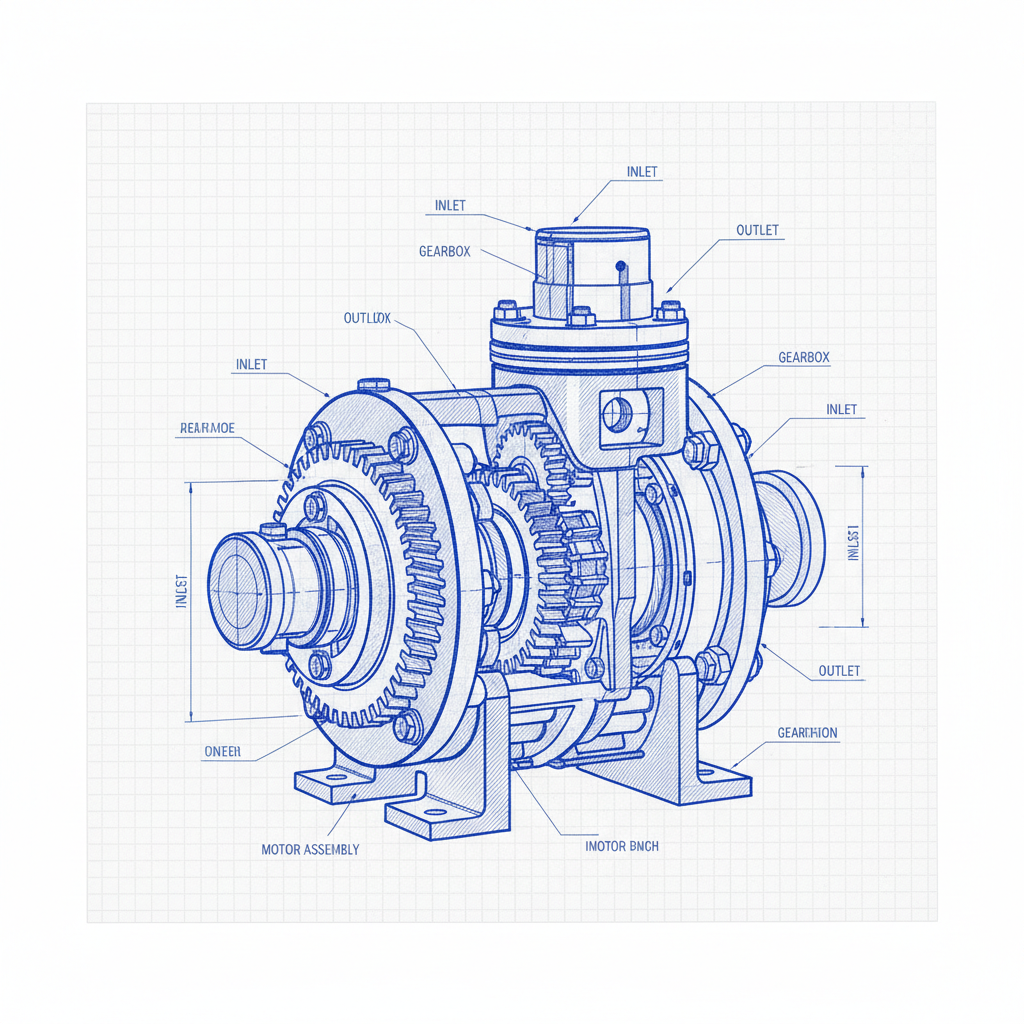
Managing the transport of viscous, sediment-heavy fluids is a critical challenge across multiple heavy industries. A high-performance dirty water slurry pump is not merely a piece of equipment but a lifeline for operational continuity in mining, dredging, and waste treatment, where standard pumps would fail within hours due to abrasion and clogging.
Globally, the demand for efficient fluid handling has surged as industrial sites push into more remote and harsh environments. Understanding the nuances of slurry transport—balancing flow velocity to prevent sedimentation while minimizing wear on internal components—is essential for any facility looking to reduce downtime and lower the total cost of ownership.
By integrating advanced materials and hydraulic designs, modern slurry pumping solutions now offer unprecedented reliability. Whether dealing with tailings, municipal sludge, or mineral ores, the right dirty water slurry pump ensures that abrasive particles are moved safely and efficiently, protecting the integrity of the entire production line.
Global Industry Context of Slurry Pumping
On a global scale, the extraction and processing of minerals and the management of urban wastewater rely heavily on the ability to move "dirty" fluids. According to industrial standards and ISO guidelines for fluid transport, the abrasive nature of slurry can lead to rapid equipment degradation, costing the global mining and construction sectors billions in unplanned maintenance every year.
The challenge lies in the "abrasion-corrosion" synergy; when dirty water contains high concentrations of suspended solids, the protective oxide layers of standard steel are stripped away, accelerating metal loss. This creates a critical need for a specialized dirty water slurry pump capable of withstanding these aggressive conditions while maintaining a steady volumetric flow.
Defining the Dirty Water Slurry Pump
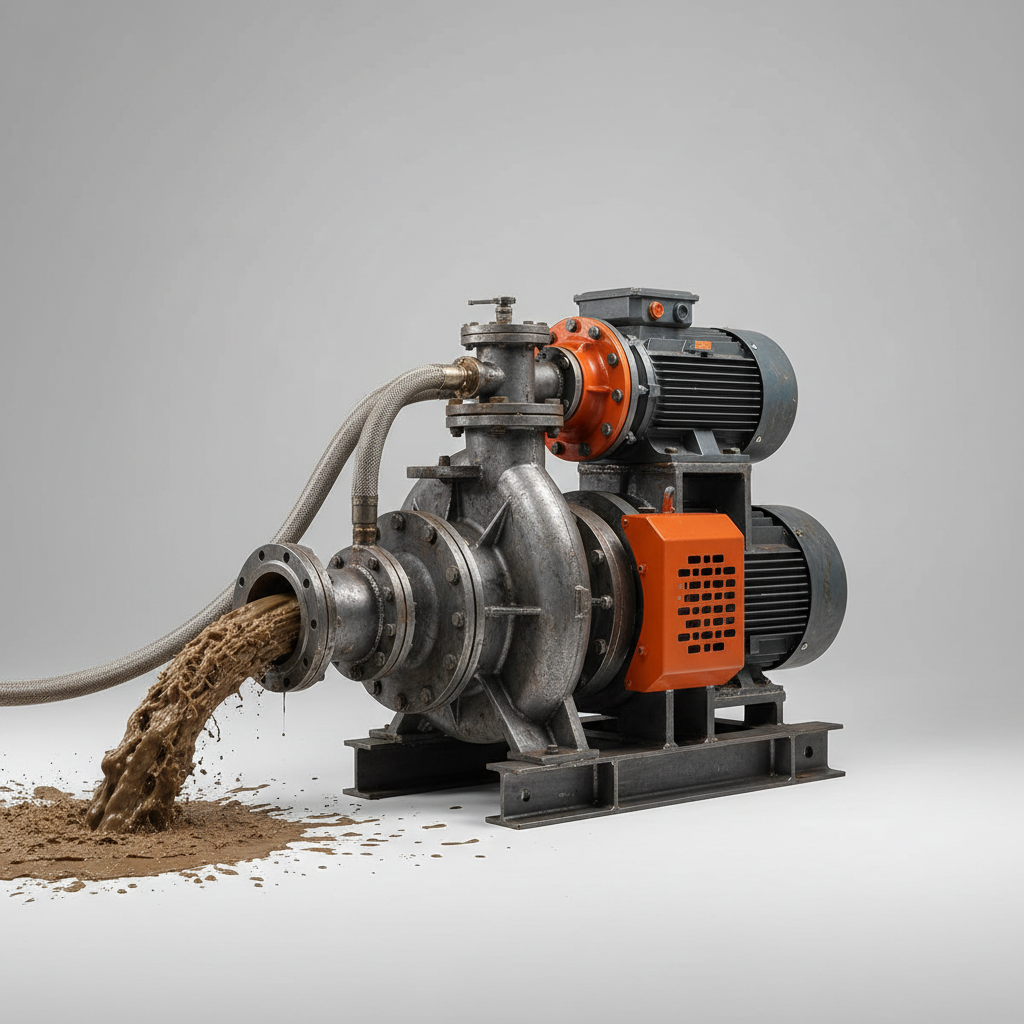
In simple terms, a dirty water slurry pump is a heavy-duty machine designed to pump liquids that contain high concentrations of solid particles, such as sand, gravel, minerals, or organic waste. Unlike standard centrifugal pumps, which are designed for clean water, these pumps feature reinforced internals and specific hydraulic geometries to prevent clogging and resist the "sandblasting" effect of moving slurry.
These pumps are indispensable to modern industry, bridging the gap between raw material extraction and processing. Without the ability to move thick, abrasive mixtures, the efficiency of tailings management in mines or the operation of dredging projects in harbors would be virtually impossible, leading to massive environmental risks and operational bottlenecks.
Essentially, these machines transform a waste or raw material stream into a manageable fluid, allowing for the seamless transport of materials over long distances. This capability is what enables the scalability of modern Heavy Abrasive Duty Slurry Pumps and the versatility of Vertical Slurry Pumps in diverse industrial landscapes.
Core Components for Maximum Durability
The heart of any dirty water slurry pump is its material composition. High-chrome alloys and natural rubber linings are frequently used to create a barrier against abrasive particles. The impeller design is specifically engineered to maintain a balance between high flow and low velocity at the walls to minimize wear.
Seal integrity is another critical factor; mechanical seals or specialized gland packing are used in a dirty water slurry pump to prevent the gritty slurry from leaking into the bearing housing, which would otherwise cause catastrophic failure in a matter of hours.
Furthermore, the casing is often designed with a modular approach, allowing for easy replacement of liners. This scalability ensures that as the internal components of the dirty water slurry pump wear down, the pump can be refurbished without needing to replace the entire heavy housing.
Performance Factors and Operational Efficiency
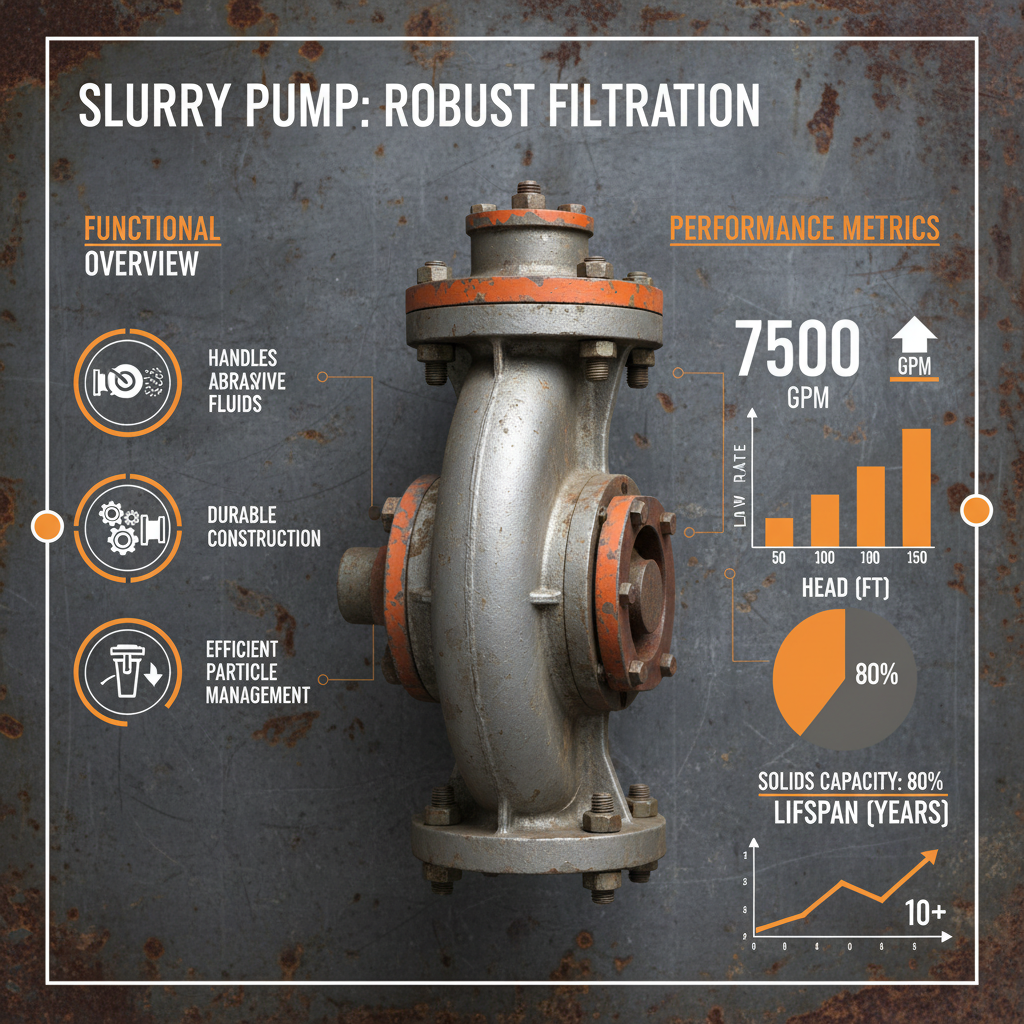
Efficiency in slurry transport is measured by the pump's ability to handle a specific "percentage of solids" without experiencing "plugging." For a dirty water slurry pump, the critical velocity must be maintained—too slow, and the solids settle in the pipe; too fast, and the wear rate increases exponentially.
Selecting the right pump depends on the particle size and the viscosity of the fluid. Medium-Sized Slurry Pumps are often the "sweet spot" for general industrial use, balancing energy consumption with the robust capacity needed to move dirty water containing abrasive grit.
Comparative Efficiency of Slurry Pumping Methods
Global Applications and Use Cases
In the mining sectors of Australia and Chile, the dirty water slurry pump is the backbone of tailings management. These pumps move waste rock and water from the processing plant to storage dams, preventing environmental contamination and ensuring the mine meets strict safety regulations.
Beyond mining, these pumps are critical in urban infrastructure. In flood-prone regions or during post-disaster relief operations, specialized submersible versions of these pumps are used to clear debris-laden water from streets and basements, where traditional water pumps would immediately clog and burn out.
Long-Term Value and Sustainability
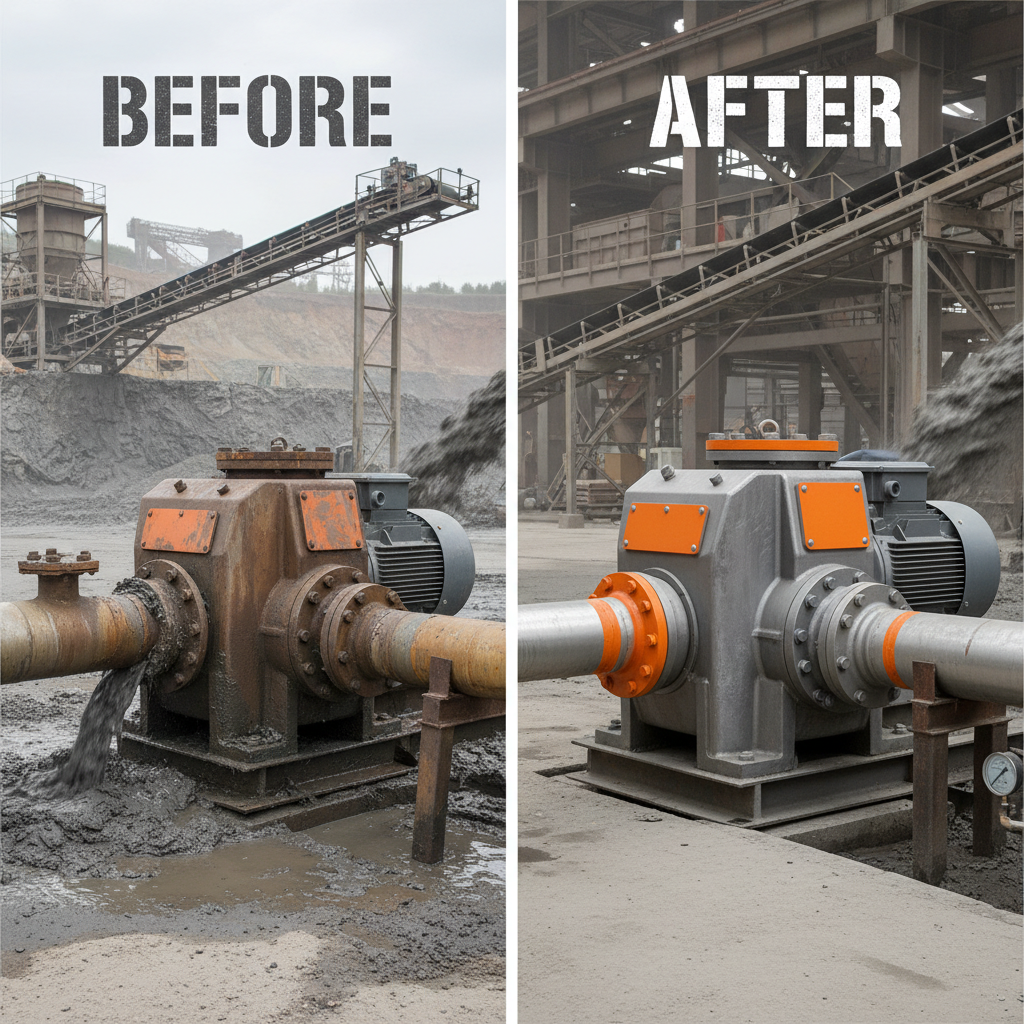
The primary long-term value of investing in a high-quality dirty water slurry pump is the drastic reduction in "Mean Time Between Failures" (MTBF). While the initial capital expenditure may be higher for a Heavy Abrasive Duty Slurry Pump, the reduction in labor costs and replacement parts provides a significantly lower total cost of ownership over a 5-year period.
From a sustainability perspective, efficient pumping reduces energy waste. A pump that maintains its hydraulic efficiency despite wear consumes less electricity per cubic meter of fluid moved, lowering the carbon footprint of the entire industrial operation.
Moreover, there is a psychological value in reliability. Plant managers can operate with confidence, knowing that their fluid transport system won't collapse during a peak production cycle, thus fostering trust between the operational teams and the corporate stakeholders.
Future Trends in Slurry Technology
The next generation of the dirty water slurry pump is leaning heavily into digital transformation. IoT-enabled sensors are now being integrated into pump casings to monitor vibration and wall thickness in real-time, allowing for "predictive maintenance" rather than "reactive repair."
Material science is also evolving, with the introduction of ceramic-composite liners and nano-structured coatings that promise to double the lifespan of impellers. These innovations aim to make the dirty water slurry pump even more resilient to the most corrosive chemicals found in industrial sludge.
Automation is the final piece of the puzzle. Variable Frequency Drives (VFDs) are becoming standard, allowing the pump to automatically adjust its speed based on the slurry density, ensuring the "critical velocity" is always met while saving energy during periods of lower solid concentration.
Comparative Analysis of Slurry Pump Technologies and Materials
| Material Type |
Wear Resistance |
Corrosion Level |
Typical Application |
| High Chrome Alloy |
Extreme |
Moderate |
Hard Rock Mining |
| Natural Rubber |
High (Fine Solids) |
Excellent |
Coal Slurry/Acidic Water |
| Duplex Stainless |
Moderate |
Extreme |
Chemical Sludge |
| Polyurethane |
High |
Good |
Dredging Operations |
| Ceramic Lining |
Maximum |
Excellent |
High-Pressure Abrasives |
| Cast Iron |
Low |
Poor |
Low-Concentration Mud |
FAQS
A standard pump is designed for clean fluids and will suffer rapid impeller wear and clogging when exposed to solids. A dirty water slurry pump uses specialized materials like high-chrome alloys or rubber linings and a wider internal clearance to transport abrasive solids without failing.
Replacement frequency depends on the "concentration of solids" and the "hardness" of the material being pumped. Generally, high-abrasion environments require inspections every 3-6 months. Using IoT monitoring can help you replace liners based on actual wear rather than a fixed schedule.
Yes, Vertical Slurry Pumps are designed for similar abrasive materials but are used specifically for "sump" applications where the pump must be submerged or take suction from a deep pit, offering a more space-efficient footprint.
The most common failures are seal leaks and "impeller plugging." Seal leaks often occur when the flushing water system fails, allowing grit into the seal face. Plugging occurs when the flow rate drops below the critical velocity, causing solids to settle inside the pump.
It depends on the particle size. Rubber is superior for fine, abrasive particles and corrosive fluids. High-chrome alloys are better for large, sharp particles and heavy-duty mining applications where impact resistance is required.
You must calculate the "slurry density" (SG) and the "critical carrying velocity" of the solids. These factors determine the required head and flow rate, which then dictate whether you need a Medium-Sized or Heavy Abrasive Duty Slurry Pump.
Conclusion
In summary, the effective deployment of a dirty water slurry pump is fundamental to the operational success of any abrasive-fluid industry. By selecting the correct materials—whether high-chrome or rubber-lined—and maintaining the critical flow velocity, operators can maximize equipment lifespan, reduce environmental risks, and significantly lower maintenance costs.
As we move toward an era of Industry 4.0, the integration of smart sensors and advanced composites will continue to redefine the limits of slurry transport. Investing in high-quality, scalable pumping solutions today is the only way to ensure long-term productivity and sustainability in the face of increasingly challenging industrial demands. For professional solutions and high-performance equipment, visit our website: www.kingmechpump.com.