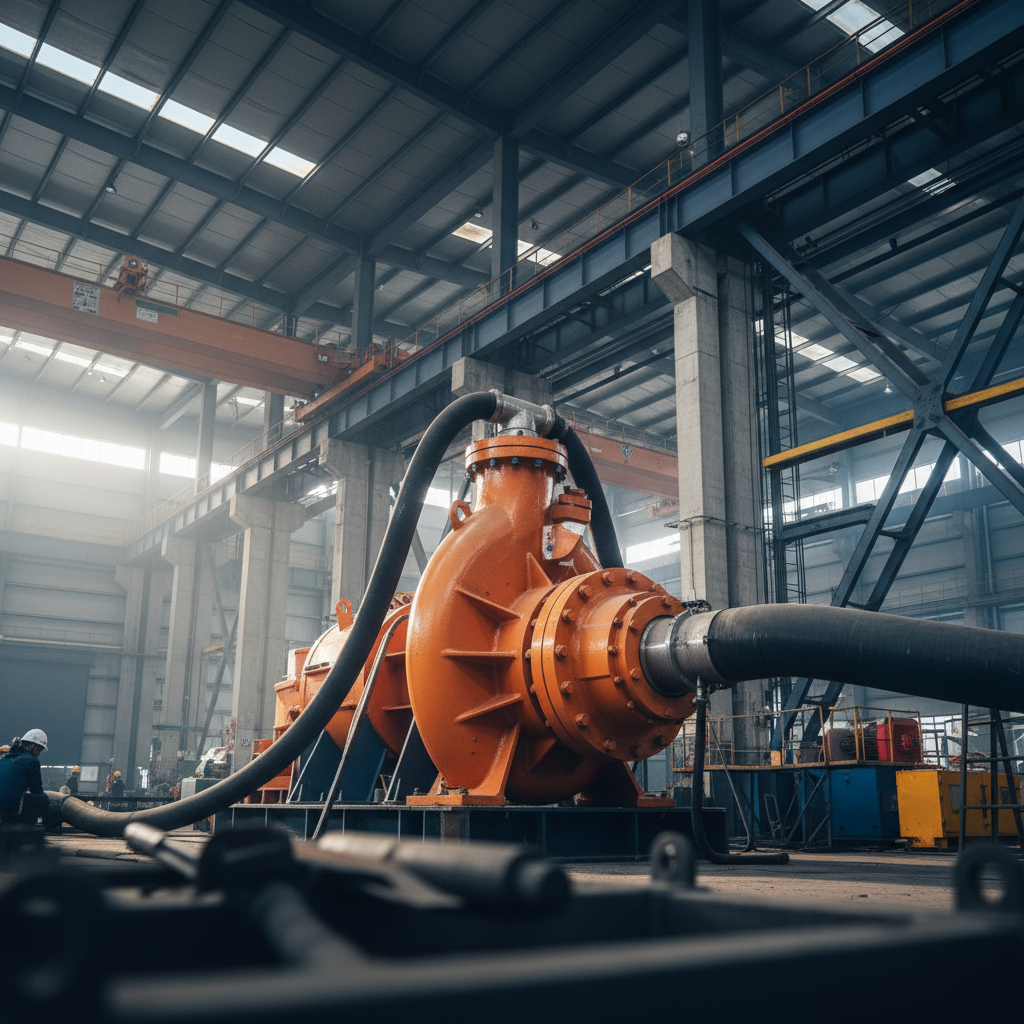
In the demanding world of industrial fluid handling, the ceramic slurry pump represents a pinnacle of engineering designed to combat the most aggressive abrasive environments. These specialized machines are essential for transporting thick, particle-laden fluids that would rapidly erode standard metal components, ensuring that production lines in mining and chemical processing remain operational.
The global shift toward higher efficiency and reduced downtime has pushed industries to move beyond traditional high-chrome alloys toward advanced ceramics. By integrating ultra-hard materials into the pump's wear parts, operators can significantly extend the mean time between failures (MTBF), which directly correlates to lower operational expenditures and higher throughput in heavy-duty applications.
Understanding the nuances of the ceramic slurry pump is not merely about selecting a piece of hardware; it is about optimizing the entire lifecycle of a slurry management system. From reducing energy consumption to minimizing environmental hazards associated with frequent part replacements, the adoption of ceramic technology is a strategic move for any modern industrial facility.
Global Relevance of Ceramic Slurry Pump Technology
On a global scale, the demand for mineral extraction and chemical synthesis has increased the pressure on fluid transport systems. According to industrial standards aligned with ISO guidelines for abrasive wear, traditional metal pumps often fail prematurely when handling high-concentration slurries, leading to millions of dollars in unplanned downtime annually across the mining sectors of Australia, Canada, and Brazil.
The ceramic slurry pump addresses these challenges by utilizing materials like alumina or silicon carbide, which possess hardness levels far exceeding those of hardened steel. This technological shift allows industries to operate at higher flow velocities and handle more corrosive media, effectively removing the "wear bottleneck" that previously limited production capacity.
Defining the Ceramic Slurry Pump in Modern Industry
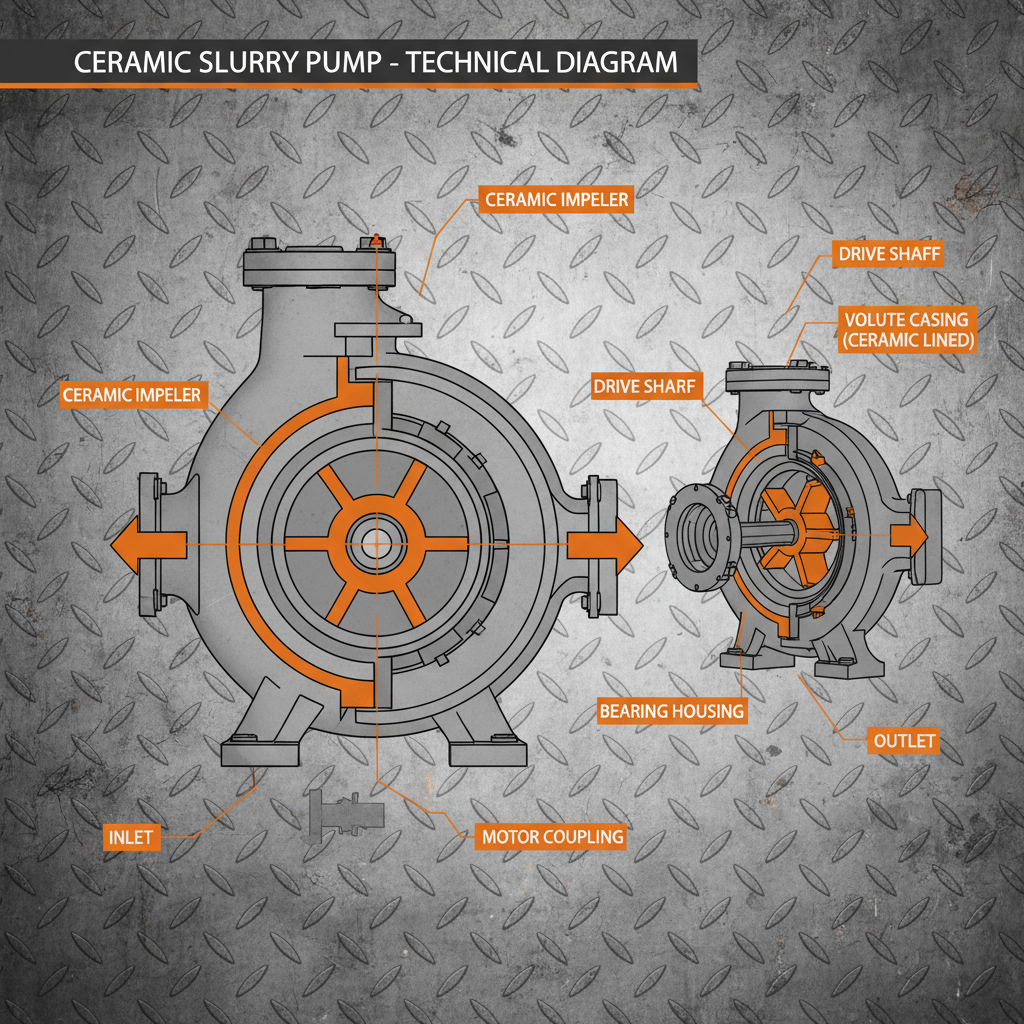
A ceramic slurry pump is a specialized centrifugal or positive displacement pump where the critical wear-prone components—such as the impeller, volute liner, and seal faces—are constructed from advanced technical ceramics. Unlike standard pumps, these are engineered specifically to move "slurries," which are mixtures of solids (like sand, tailings, or chemical precipitates) suspended in a liquid carrier.
In the context of modern industry, these pumps are the unsung heroes of the circular economy. They are used in wastewater treatment plants to move grit, in the pharmaceutical industry for abrasive chemical catalysts, and in the energy sector for geothermal brine management. By preventing the rapid erosion of internal surfaces, they ensure a consistent flow rate and maintain the hydraulic efficiency of the system over long periods.
Beyond the technical specs, the ceramic slurry pump represents a commitment to industrial resilience. In humanitarian contexts, such as large-scale water purification projects in developing regions, the use of ceramic-lined equipment reduces the need for specialized replacement parts that are often difficult to source locally, thereby ensuring the longevity of critical infrastructure.
Core Components and Engineering Factors
The durability of a ceramic slurry pump begins with its material selection. Engineers typically choose between Alumina (Al2O3) for general abrasion and Silicon Carbide (SiC) for extreme hardness and thermal conductivity. These materials create a surface that is virtually impervious to the "sandblasting" effect that occurs when high-velocity particles strike the internal walls of the pump.
Scalability is another critical factor. Whether integrated into a Heavy Abrasive Duty Slurry Pump for mining or a Vertical Slurry Pump for sump drainage, the ceramic lining must be precisely fitted to avoid stress fractures. The integration of ceramic inserts into a metal housing combines the structural toughness of steel with the surface hardness of ceramics, creating a hybrid system that can withstand both impact and abrasion.
Finally, cost-efficiency is realized through the lens of Total Cost of Ownership (TCO). While the initial investment in a ceramic slurry pump is higher than that of a cast-iron alternative, the drastic reduction in maintenance frequency and the elimination of frequent liner replacements result in a lower cost per cubic meter of fluid moved over the equipment's lifespan.
Comparative Performance and Efficiency Metrics
When evaluating the performance of a ceramic slurry pump, the primary metric is the wear rate relative to the particle concentration. In high-density slurries, traditional pumps experience exponential wear as the velocity increases, whereas ceramic-lined pumps maintain a linear, much slower wear profile, allowing for higher operational speeds without compromising the pump's internal geometry.
Moreover, the hydraulic efficiency of these pumps remains stable over time. Because the internal surfaces do not erode as quickly, the smooth profile of the volute is preserved, preventing the turbulence and energy loss that typically occur in worn-out metal pumps. This leads to significant energy savings and a smaller carbon footprint for the industrial plant.
Comparative Wear Resistance of Slurry Pump Materials
Global Applications and Industrial Use Cases
The deployment of the ceramic slurry pump is most evident in the mining regions of the "Copper Belt" in Africa and the lithium triangles of South America. In these remote industrial zones, the cost of transporting heavy replacement parts is exorbitant. By using ceramic-lined Medium-Sized Slurry Pumps, companies reduce their logistics dependency and ensure that mineral processing remains continuous.
Additionally, in the power generation sector, these pumps are used for fly-ash removal in coal-fired plants and in the processing of tailings in hydroelectric dam maintenance. The chemical inertness of ceramics also makes them indispensable in the production of specialty ceramics and glass, where the pumped slurry contains highly abrasive quartz and feldspar particles that would destroy any other material.
Long-Term Value and Sustainability Benefits
From a logical standpoint, the long-term value of a ceramic slurry pump is found in its contribution to operational stability. When a pump fails in a critical path, the entire facility may grind to a halt. The reliability provided by ceramic components offers peace of mind to plant managers, transforming the pump from a frequent maintenance headache into a "set-and-forget" asset.
Sustainability is another key driver. Reducing the frequency of part replacements means fewer raw materials are mined and forged into steel liners, and less industrial waste is sent to landfills. The energy efficiency gained from maintaining a smooth internal pump geometry directly reduces the electricity consumption of the motor, aligning with global ESG (Environmental, Social, and Governance) targets.
Ultimately, the shift to ceramic technology is an investment in innovation and trust. By opting for materials that can withstand the most brutal conditions, companies signal a move toward high-precision engineering, ensuring that their infrastructure is prepared for the increased demands of the next decade of industrial growth.
Future Innovations in Ceramic Slurry Pumping
The future of the ceramic slurry pump lies in the integration of "Smart Wear" sensors. Upcoming designs are incorporating embedded piezoelectric sensors within the ceramic liners that can monitor thickness in real-time. This allows for predictive maintenance, where the system alerts operators to a potential failure before it happens, moving away from scheduled intervals to condition-based monitoring.
Advancements in additive manufacturing (3D printing) are also enabling the creation of complex ceramic geometries that were previously impossible to cast or machine. This means impellers can be designed with optimized fluid dynamics to further reduce turbulence and wear, maximizing the lifespan of the ceramic slurry pump while increasing its flow capacity.
Furthermore, the development of nanocomposite ceramics is promising to solve the inherent brittleness of traditional ceramics. By reinforcing the ceramic matrix with carbon nanotubes or specialized fibers, the next generation of pumps will be able to handle larger, more angular particles without the risk of cracking, expanding the use of ceramic pumps into even harsher mining environments.
Analysis of Ceramic Material Performance across Industrial Applications
| Material Type |
Abrasion Resistance |
Chemical Inertness |
Relative Lifespan |
| Alumina (Al2O3) |
High |
Moderate |
4x vs Steel |
| Silicon Carbide (SiC) |
Ultra-High |
High |
7x vs Steel |
| Zirconia (ZrO2) |
Very High |
High |
5x vs Steel |
| Boron Carbide |
Maximum |
Moderate |
10x vs Steel |
| High-Chrome Iron |
Moderate |
Low |
1x (Baseline) |
| Sintered Ceramic Mix |
High |
Moderate |
6x vs Steel |
FAQS
The primary advantage lies in the hardness of the materials. While high-chrome alloys are excellent, ceramics like Silicon Carbide are significantly harder, meaning they can resist the cutting action of sharp particles much more effectively. This results in a vastly longer lifespan and reduced maintenance intervals in highly abrasive applications.
Ceramics are inherently more brittle than metals. However, modern ceramic slurry pumps solve this by using ceramic liners within a metal shell or using toughened zirconia. This "hybrid" design provides the impact resistance of steel with the abrasion resistance of ceramic, making them suitable for most industrial slurry tasks.
Alumina is generally more cost-effective and suitable for moderate to high abrasion. Silicon Carbide is the premium choice for extreme abrasion, higher temperatures, and more corrosive chemicals. If your slurry contains highly aggressive particles or acidic components, Silicon Carbide is the recommended material.
Yes, provided the pump's hydraulic design (impeller type and motor power) is matched to the viscosity. The ceramic material itself does not affect the viscosity handling, but it ensures that the high shear forces generated by thick fluids do not erode the pump's internals over time.
Absolutely. When calculating the Total Cost of Ownership (TCO), the reduction in downtime and the decrease in labor costs for frequent part replacements usually outweigh the higher initial purchase price within the first year of operation, especially in 24/7 production environments.
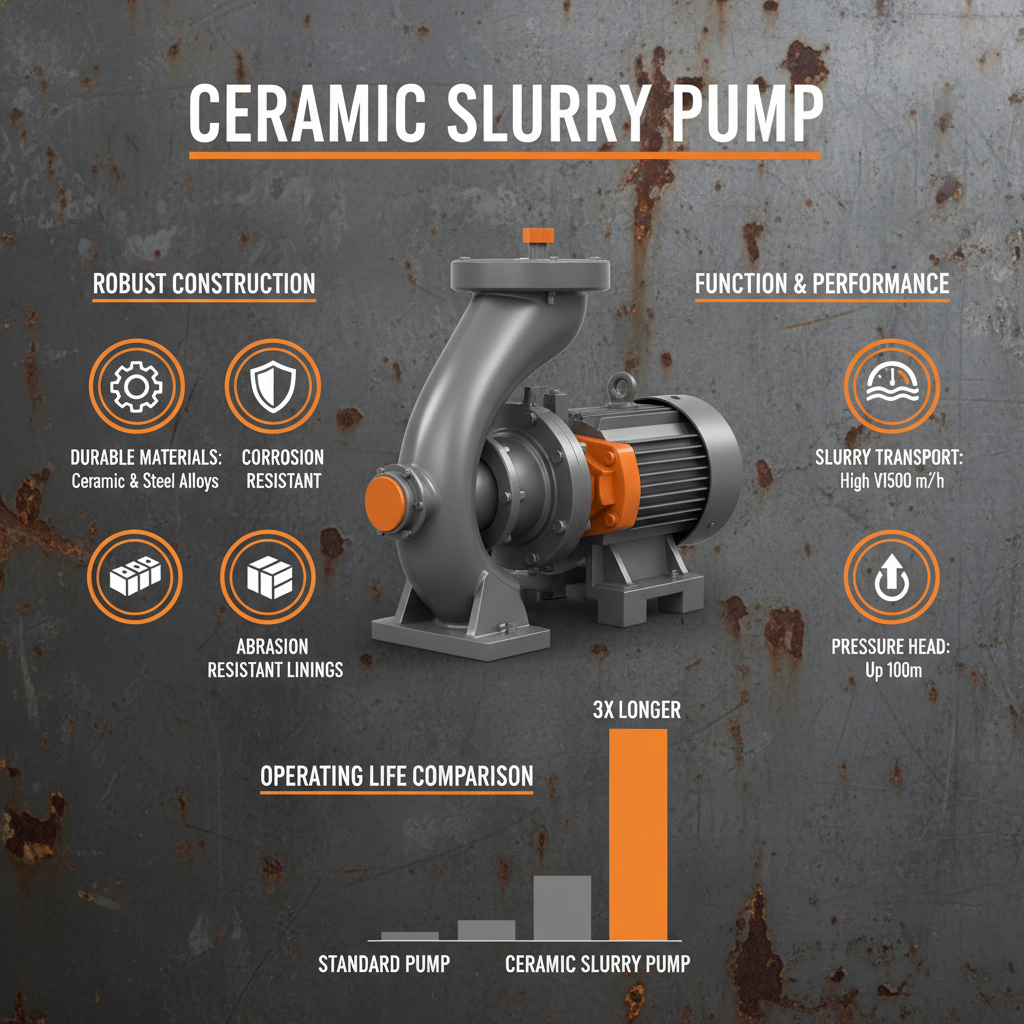
Depending on the slurry concentration and velocity, ceramic parts can last 3 to 10 times longer than metal parts. While a metal liner might need replacing every 3 months, a ceramic liner can often last a year or more, depending on the specific application and material used.
Conclusion
The ceramic slurry pump stands as a critical evolution in fluid handling technology, bridging the gap between operational necessity and extreme environmental challenges. By leveraging the unmatched hardness and chemical stability of technical ceramics, these pumps eliminate the chronic inefficiency of abrasive wear, offering a sustainable and economically viable solution for the mining, chemical, and power industries worldwide.
As we look toward a future of smarter, greener industry, the integration of predictive sensors and advanced composite materials will only enhance the value of ceramic pumping systems. For companies seeking to optimize their production and reduce their environmental footprint, upgrading to ceramic-lined equipment is no longer an option—it is a competitive necessity. Visit our website for more professional solutions: www.kingmechpump.com