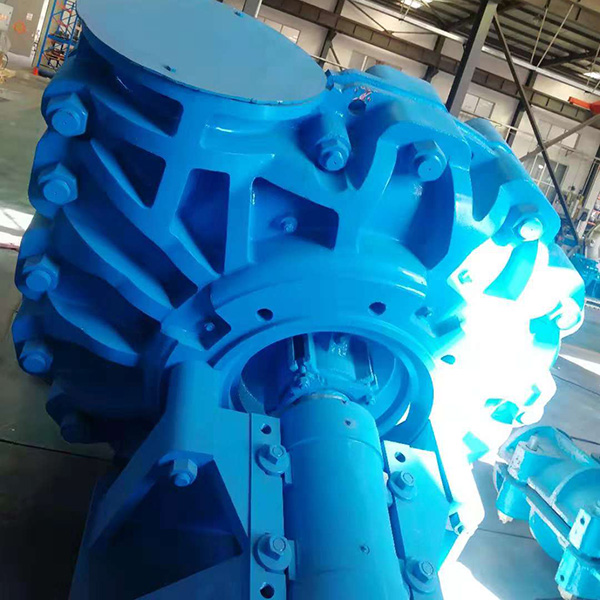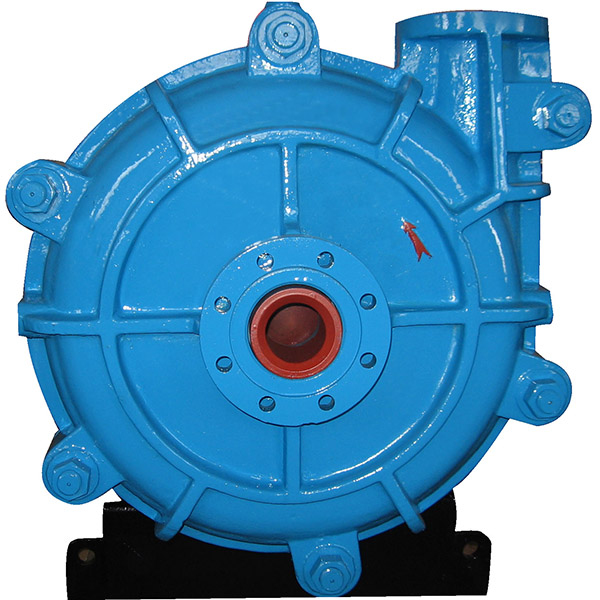
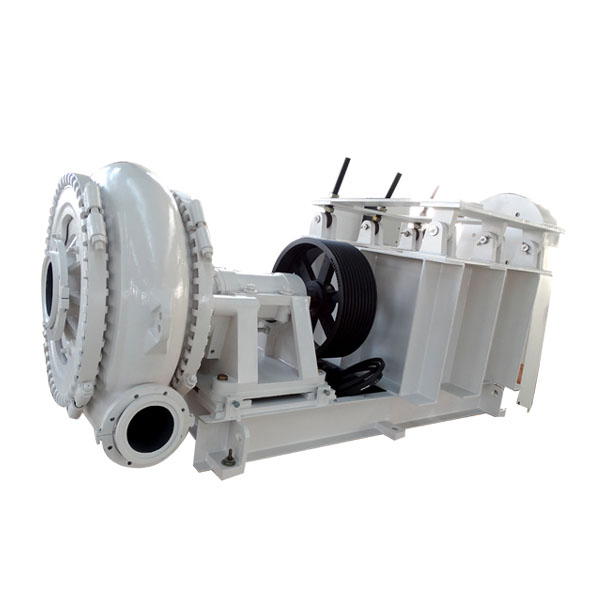
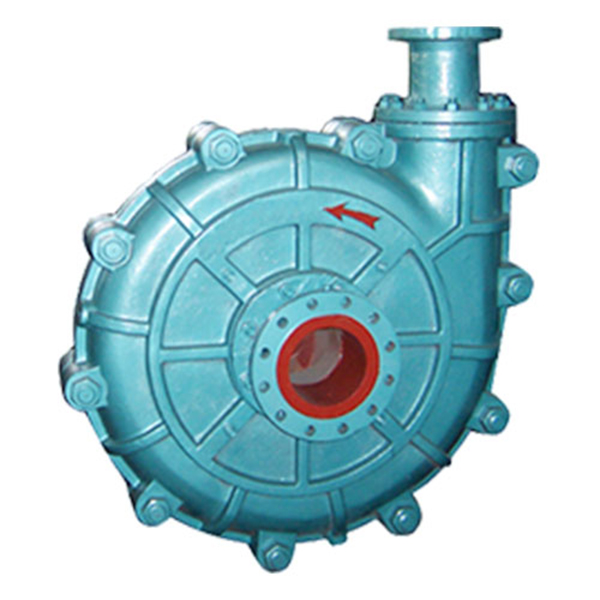
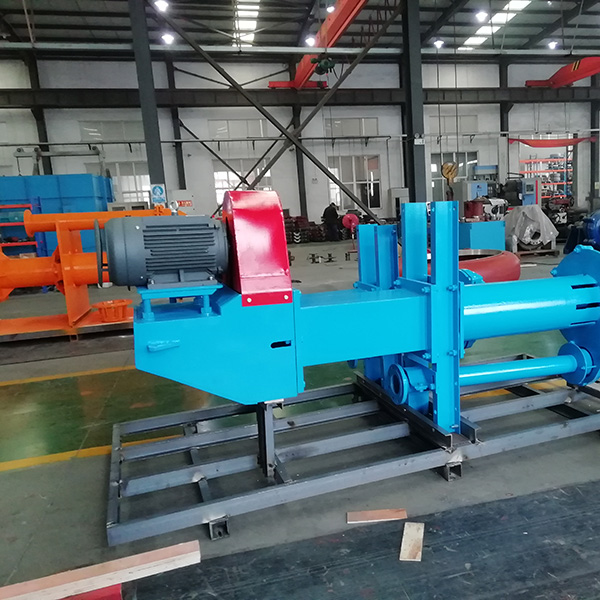
High-Performance heavy sludge pump Solutions for Greece Industry

Engineered for the demanding terrains of the Hellenic Republic, delivering unmatched durability for the most abrasive slurry applications.

High-Performance heavy sludge pump Solutions for Greece Industry

Providing specialized pumping technology tailored for Greece's diverse industrial landscape, from Aegean coastal dredging to Athenian urban waste management.

Industrial Slurry Management in Greece

Analyzing the current state of fluid handling in the Mediterranean hub.

Greece's manufacturing sector currently faces unique challenges due to its fragmented geography and varied industrial hubs. In regions like Thessaloniki and Attica, the demand for a robust dirty water slurry pump has surged as municipal wastewater infrastructure undergoes modernization to meet EU environmental standards.

The mining and quarrying sectors in Northern Greece frequently deal with highly abrasive materials. The shift toward a ceramic slurry pump has become evident as operators seek to reduce downtime caused by the rapid wear of traditional metal impellers in harsh Mediterranean mineral deposits.

Furthermore, remote site operations in the Peloponnese, where electrical grids are often unstable, have increased the reliance on the engine driven slurry pump, ensuring continuous operation for agricultural drainage and rural infrastructure projects.
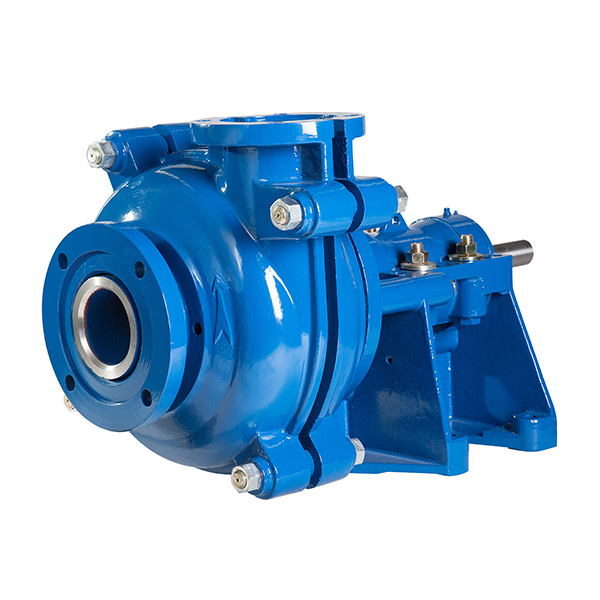
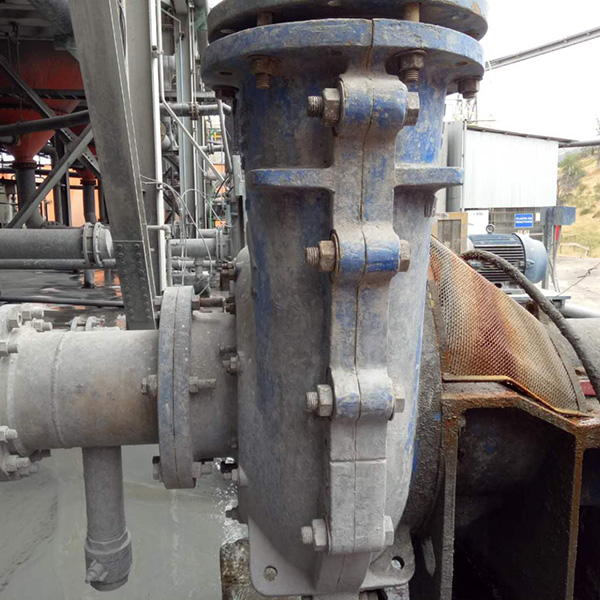
Evolution of Slurry Pumping Technology

From mechanical simplicity to intelligent material science.

Market Development History

In the early 2000s, Greek industrial pumping relied heavily on standard cast iron pumps. However, these lacked the resilience required for the saline-heavy environments of the coast, leading to frequent corrosion and mechanical failure in sludge handling.

Between 2010 and 2020, the industry transitioned toward high-chrome alloys and rubber-lined systems. This era saw the introduction of the heavy sludge pump capable of handling higher solids concentrations, supporting the growth of the domestic cement and marble industries.

Since 2021, we have entered the era of specialized materials. The emergence of the lithium slurry pump reflects Greece's strategic pivot toward the green energy transition and the exploration of critical minerals for battery production.

Future Development Trends

AI-Driven Predictive Maintenance

Integration of IoT sensors to monitor wear rates in real-time, reducing the unplanned downtime of pumps in Greek mining sites.

Advanced Ceramic Composites

Further evolution of ceramic liners to handle ultra-fine, high-velocity particles with zero corrosion.

Carbon-Neutral Powering

Transitioning from diesel-powered units to hybrid or electric drives to align with the European Green Deal.

Future Trends and Strategic Outlook

Projecting the next 5 years of fluid dynamics in the Greek market.

Sustainable Energy Integration
Increasing adoption of electric slurry drives to reduce the carbon footprint of Greek industrial zones.
Material Nano-Coating
Utilizing nano-ceramic coatings to extend the lifespan of impellers in high-salinity Greek environments.
Precision Flow Control
Smart VFD integration to optimize energy consumption based on slurry density variations.
Modular Scalability
Development of plug-and-play slurry pump modules for rapid deployment in Greek emergency flood zones.

Industry Outlook

Based on current Google search trends in the EU, there is a marked increase in queries regarding "sustainable mining" and "industrial waste reduction." In Greece, this translates to a demand for pumps that can handle higher solid-to-liquid ratios, reducing water waste during processing.

The next three years will see a convergence of material science and digital control. The Greek market will likely move away from generic pumps toward highly customized solutions that address the specific chemical composition of local slurries.

Local Application Scenarios in Greece

Practical deployments across the Hellenic industrial landscape.

01. Marble and Quartz Quarrying in Macedonia

Utilizing ceramic slurry pump systems to transport abrasive stone cuttings, ensuring minimal wear on the pump casing despite the high silica content.

02. Urban Sewage Dredging in Piraeus Port

Deploying the dirty water slurry pump to clear harbor silt and urban runoff, maintaining navigable depths in Greece's busiest maritime hub.

03. Remote Agricultural Drainage in Crete

Implementation of the engine driven slurry pump for clearing heavy sediment from irrigation canals in areas without stable electrical access.

04. Heavy Industrial Waste in Attica

Using the heavy sludge pump for chemical plant effluent management, handling thick, viscous waste streams before treatment.

05. Lithium Extraction Pilot Plants

Introducing the lithium slurry pump for the emerging battery mineral processing plants, requiring precise flow control for high-value chemicals.

Brand Story

Global Development Journey of Hebei Xiangmai Pump Industry Co., Ltd.

Founding Vision

Started with a commitment to solve the core pain point of abrasive wear in industrial pumping, focusing on high-durability materials.

Technical Breakthrough

Developed proprietary alloy casting techniques that significantly extended the service life of slurry pump impellers.

Global Expansion

Expanded operations into the European market, tailoring designs to meet the strict efficiency and environmental standards of the EU.

Innovation Hub

Established a dedicated R&D center focusing on "Smart Pumping," integrating sensors for predictive maintenance.

Sustainable Future

Dedicated to creating zero-leakage and energy-efficient pumping solutions for a greener industrial world.

Frequently Asked Questions in Greece

Expert answers to common technical queries regarding slurry pumping.

How to choose the right ceramic slurry pump for mining in Northern Greece?

Consider the particle size and chemical composition of the ore. Ceramic liners are ideal for high-silica concentrations common in Macedonian quarries, providing superior wear resistance over traditional alloys.

What are the benefits of an engine driven slurry pump for remote Greek sites?

Engine-driven units provide complete autonomy from the power grid, which is critical for rural infrastructure or emergency flood recovery in the Peloponnese and Aegean islands.

Can a heavy sludge pump handle saline water in coastal Piraeus?

Yes, provided that the pump is equipped with corrosion-resistant materials or specialized coatings to prevent salt-induced pitting and oxidation.

What is the maintenance interval for a dirty water slurry pump in urban settings?

Depending on the debris load, we recommend a seal check every 2,000 operating hours and a full impeller inspection every 6 months for urban wastewater applications.

Is the lithium slurry pump compatible with aggressive chemical additives?

Our lithium-specific pumps are engineered with chemically inert materials to withstand the acids and bases typically used in the lithium extraction and refining process.

How does temperature affect slurry pump performance in the Greek summer?

High ambient temperatures can affect lubricant viscosity. We recommend using high-temperature synthetic lubricants and ensuring adequate cooling for the motor or engine.

Get Your Tailored Pumping Solution

Our engineers are ready to support your industrial project in Greece. Contact us for a technical consultation and a custom quote.

Contact Us Now
tel
email
tel
goTop

If you are interested in our products, you can choose to leave your information here, and we will be in touch with you shortly.