
High-Performance lithium slurry pump Solutions for Canadian Mining

Engineering heavy-duty fluid handling systems tailored for Canada's extreme environments and rigorous industrial standards.

High-Performance lithium slurry pump Solutions for Canadian Mining

Providing robust, abrasion-resistant pumping technology to optimize the extraction and processing of mineral slurries across North America.

Industrial Pumping Landscape in Canada

Addressing the challenges of extreme cold and abrasive materials in the Great White North.

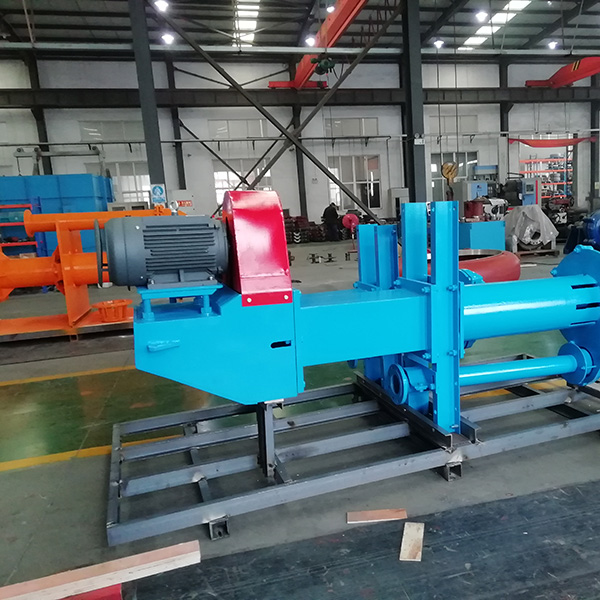
Canada's industrial sector, particularly in provinces like Ontario and Quebec, faces unique challenges due to extreme temperature fluctuations. The demand for a heavy sludge pump is driven by the massive scale of tailings management and waste treatment in the mining heartlands.

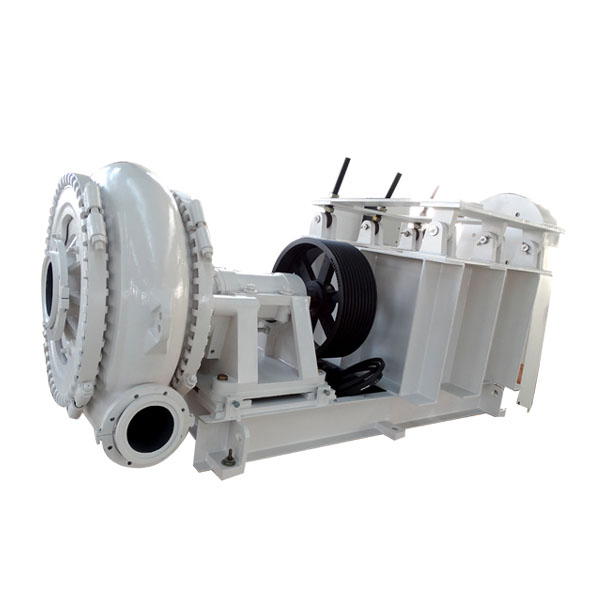
In remote Arctic and Sub-Arctic regions, accessibility to power grids is limited, making the engine driven slurry pump an indispensable tool for onsite dredging and mineral transport where electrical infrastructure is nonexistent.

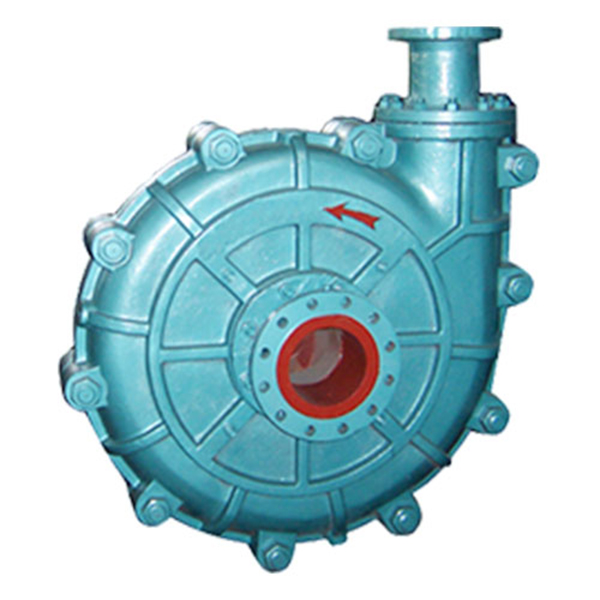
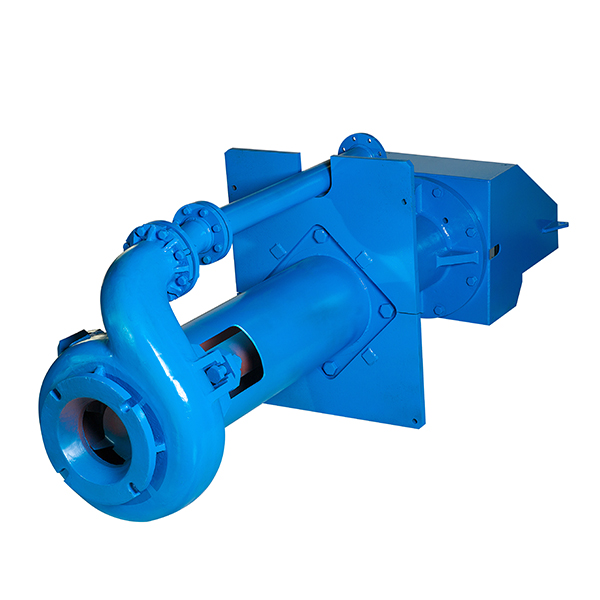
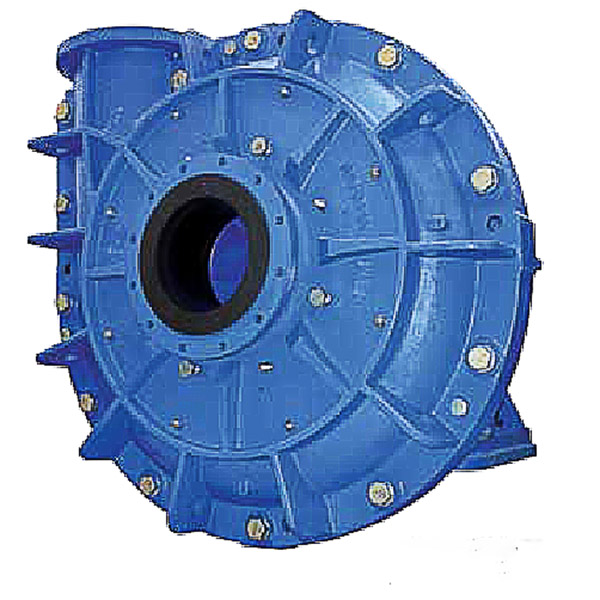
Furthermore, the rise of the "Critical Minerals Strategy" in Canada has spiked the need for specialized equipment. Processing high-viscosity materials requires a precise ceramic slurry pump to minimize wear and maximize uptime in lithium and cobalt refineries.
Evolution of Slurry Handling Technology

From basic cast-iron pumps to advanced ceramic-lined precision machinery.

Market Development History

In the early 20th century, Canadian mining relied on rudimentary centrifugal pumps made of cast iron, which suffered from rapid erosion when handling abrasive ores, leading to frequent shutdowns.

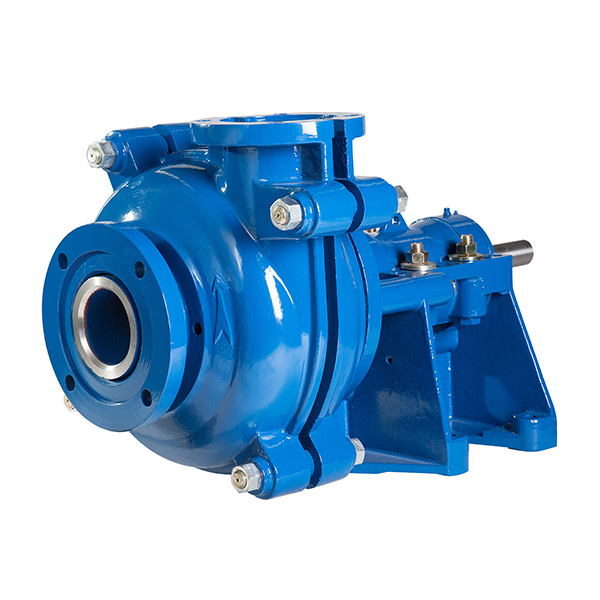
By the 1980s and 90s, the introduction of high-chrome alloys significantly extended the lifespan of components. This era saw the standardization of the dirty water slurry pump for basic mine drainage and wastewater management.

Entering the 2010s, the focus shifted toward materials science. The adoption of silicon carbide and alumina linings transformed the efficiency of pumps, allowing for the handling of chemically aggressive and highly abrasive lithium-based slurries.

Future Development Trends

Smart Monitoring Integration

Integration of IoT sensors to predict impeller wear in real-time, reducing unplanned downtime in remote Canadian mine sites.

Advanced Material Hybridization

Combining nano-ceramics with flexible elastomers to create pumps that handle both high-pressure sludge and corrosive chemical fluids.

Energy-Efficient Drive Systems

Transitioning from traditional diesel engines to hybrid and electric-drive slurry systems to meet Canada's 2050 net-zero emissions targets.

Industry Outlook & Future Strategic Trends

Analyzing the shift toward sustainability and high-precision mineral processing.

Battery Metal Surge
Increasing demand for lithium extraction in Canada is driving the adoption of high-precision slurry pumps.
Zero-Emission Goals
Shift from diesel to electric-powered slurry systems to comply with Canadian environmental laws.
Wear-Resistant Ceramics
The move toward ceramic linings to handle ultra-abrasive tailings without frequent part replacement.
Automated Slurry Control
Implementing AI-driven flow control to optimize slurry density and reduce energy waste.

Industry Outlook

The Canadian slurry pump market is evolving toward a "lifecycle value" model. Instead of purchasing the cheapest equipment, operators are investing in high-end materials that offer lower total cost of ownership (TCO) over 5-10 years.

Google Search Trends indicate a significant rise in queries for "sustainable mining equipment" and "high-chrome slurry pumps" in Canada, suggesting a market pivot toward efficiency and long-term durability.

Localized Application Scenarios in Canada

Real-world deployments across the Canadian industrial landscape.

1. Lithium Extraction in Northern Quebec

Utilizing a specialized lithium slurry pump to transport processed spodumene concentrates through abrasive pipelines without compromising flow rate.

2. Oil Sands Tailings Management in Alberta

Deploying a heavy sludge pump to move dense, viscous bitumen waste from settling ponds to treatment facilities in freezing conditions.

3. Remote Mine Drainage in Yukon

Implementing an engine driven slurry pump for emergency water removal and sludge clearing in off-grid exploration sites.

4. Municipal Wastewater Dewatering in Toronto

Using a dirty water slurry pump to handle urban runoff and sediment-heavy water during seasonal flood management.

5. High-Precision Chemical Processing in Ontario

Installing a ceramic slurry pump to handle corrosive mineral acids and abrasive catalysts in industrial chemical plants.

Brand Story

Global Development History of Hebei Xiangmai Pump Industry Co., Ltd.

Foundation & Engineering Roots

Started as a specialized workshop focusing on the core challenges of abrasion and corrosion in industrial fluid transport.

Material Science Breakthroughs

Pioneered the use of advanced ceramic and high-chrome alloy liners, drastically increasing the lifespan of slurry pumps.

Global Market Expansion

Expanded operations to serve the North American market, adapting designs to meet Canadian and US industrial safety standards.

Sustainable Innovation

Developed energy-efficient drive systems and eco-friendly materials to support the global transition to green mining.

Industry Leadership

Now recognized as a leading provider of heavy-duty slurry solutions, solving the toughest fluid handling pain points globally.

Frequently Asked Questions in Canada

Expert answers to common technical queries from the field.

How do I choose between a ceramic slurry pump and a chrome alloy pump?

Ceramic pumps are ideal for extreme abrasion and chemical corrosion, whereas chrome alloy pumps are generally better for high-impact slurry applications with larger particles.

Can a heavy sludge pump handle freezing temperatures in Alberta?

Yes, provided the pump is equipped with winterization kits, such as heating jackets or specialized low-temperature lubricants and seals.

What are the maintenance intervals for an engine driven slurry pump?

Maintenance depends on the slurry density, but typically requires daily lubrication checks and quarterly impeller inspections for high-wear environments.

Is a dirty water slurry pump suitable for tailings pond cleanup?

It is suitable for light sediments; however, for high-density tailings, we recommend a dedicated heavy sludge pump to prevent clogging.

How does a lithium slurry pump differ from a standard mining pump?

Lithium processing often involves corrosive chemicals. These pumps use specialized materials like silicon carbide to resist both abrasion and chemical attack.

What is the expected lifespan of an impeller in a high-abrasion Canadian mine?

Standard alloys may last 3-6 months, while advanced ceramic-lined impellers can extend that lifespan to 12-24 months depending on the grit size.

Get Your Custom Pumping Solution

Contact our engineering team for professional consultation and equipment sizing for your projects in Canada.

Contact Us Now
tel
email
tel
goTop

If you are interested in our products, you can choose to leave your information here, and we will be in touch with you shortly.